






Have you heard of Car’s Heart? That is what an engine is. So is the engine oil, which helps in the smooth operation of the engine of a car. The engine oil is that of your choice in terms of what it offers. Choosing the one that is best among so many options available is difficult. With these pointers in this blog, you will know how to choose the car’s best engine oil in this guide.
History of Engine Oil
The first lubricant was invented by an American, John Ellis, it was on September 6, 1866, to be precise. He found that raw oil possessed lubricant qualities, and he also applied it to a steam engine to test it. The result showed the development of crude oil which is very well at high temperatures. This was the first step toward engine oils being used as they are used today in the automotive field.
Related: How Does a Car Engine Work
The Importance of Engine Oil

Engine oil is often considered the lifeblood of your vehicle engine, and it is very true as well. It facilitates smooth, efficient, and reliable operation. Here is a closer look at the reasons for which engine oil cannot be dispensed with:
- Lubrication
Engine oil helps to reduce friction on your engine’s moving parts like piston, crankshafts, and camshafts. Protects with a film of oil from contact between metals, which leads to wear and tear; ensures operation at a reduced level and damage prevention is effective when combined with expenses for repairs.
- Cooling
Heat is generated in the engine during the operation of the car. It further channels this heat away from those parts that cannot be reached by the coolant, thereby preventing the parts from overheating and potentially suffering disastrous effects.
Also Read: The Role of Coolant in Car Engine Health and How to Maintain It
- Cleaning
As you play your engine, dirt and debris might be caught from the working parts as well as some microscopic metallic components. The engine oil has additives that can lock up these contaminants to prevent sludge building up and keep the engine clean. A cleaner engine, with reduced carbon deposits in the engine, will work more efficiently and live longer than a dirty engine.
- Sealing
Enhances seal between piston rings and cylinder walls, contributing to performance and fuel economy by ensuring sufficient compression that is critical to engine efficiency.
- Protecting
Reduces wear and tear and thus promotes a long life for your engine. The anti-corrosion additives are moisture shields to stop internal components from rusting and oxidation, especially in wet or corrosive environments.
Top Signs Your Car Needs an Engine Oil Change

- Unusual Engine Noises
Fresh engine oil lubricates the moving engine components, hence reducing their friction. When the car starts producing strange knocking or grinding noises, then that could be taken to mean old oil, not effective.
- Warning Light on the Dash
The oil change indicator light in most modern cars is there. The moment it comes on, do not just sit and ignore, the engine oil in your car needs attention.
- Dark and Dirty Oil
With time, engine oil discolors and thickens because of the debris that gets collected with time. Checking within the oil dipstick reveals that if it is dark and gritty, it is replacement time.
- Poor Engine Performance
The efficiency of your vehicle dramatically drops due to the amount of old or insufficient oil within your engine and leads to the slowest acceleration, making it seem as though it moves like a snail, and also the mileage is quite low. It indicates the need to search for the best engine oil car.
- Increased Exhaust Smoke
Smoking exhaust, with a little focus, can be viewed as blacker than usual, but when dark smoke tends to trickle out, it means that engine oil is breaking down or is definitely getting burnt.
Greener Choices for Choosing the Best Engine Oil for Cars
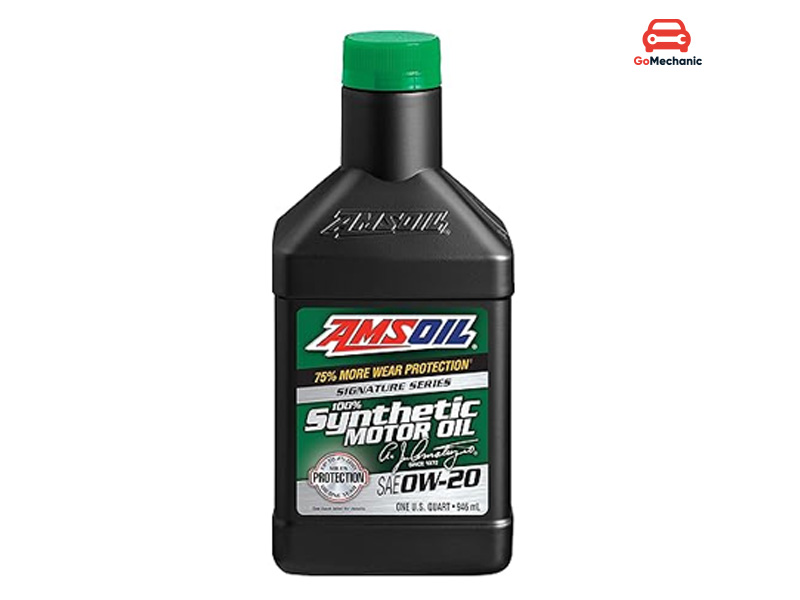
These days, even the engine oil you use should reflect your concern for the environment. Not least, here are some of the greener options available when you are looking for the best engine oil for your car:
- Synthetic Oil with Low Carbon Emission
On the other hand, nowadays, synthetic oils reduce friction, which further improves engine efficiency and minimizes harmful discharge into the atmosphere. That boast their environmentally conscious formulations.
- Re-refined Engine Oil
Re-refined oil is essentially used oil that has undergone recycling and refinement to meet the performance standards. It is just as effective as new oil, wasting less and consuming less energy.
- Bio-based Engine Oils
Bio-based engine oils are those obtained by processing vegetable oils or any other renewable raw materials and substantially biodegrade and harm environment related to them. While this market still remains fairly small; it is growing.
- Low-Viscosity Oils
Low-viscosity oils minimize energy loss in engines, thus bettering fuel economy, which results in your vehicle having a lower carbon footprint.
- Certified Eco-Friendly Brands
Search for API SN Resource Conserving or similar certified European ACEA standards, as this indicates oil conditions of high environmental as well as performance benchmarks.
- Minimization of Package and Waste
Some brands focus packaging as an eco-friendly deal in bulk or open refillable containers to minimize things like plastic waste. You did a good thing when you opted for this kind of choice.
- Long Lasting Oils
Longer-lasting high-quality synthetic oil will save you from changing the oil frequently. This means less money spent on the activity and even less environmental impact from disposing of oil.
Read More: 4-Cylinder Engine vs 3-Cylinder Engine- Which One Is Suitable For You?
Types of Engine Oil for Cars.
Motor oil should meet the SAE standards of the vehicle and manufacturer specifications for optimal use. Here are the main types of engine oil:
- Mineral Engine Oil
Mineral engine oil is the first and most primary type of engine oil from refined crude oil. It was the first in nations that have been in the industrial revolution of the last decades of the 20th century, making it very cheap.
Important features:
- Origin: Derived from natural crude oil with little processing.
- Applications: Most appropriate for older vehicles or engines with very simple mechanical designs.
- Price: It is usually the cheapest in the market.
- Maintenance: It needs quite frequent oil changes due to its much shorter-than-usual lifespan and lower thermal stability.
Benefits:
- It is suitable because of its low cost for vehicles that do not have much use or are toward the end of their working lives.
- During the run-in period of a new engine, it works very well and “beds” the parts into optimal fit.
Disadvantages:
- Breaks down faster in high-temperature environments.
- Less protection and lubrication than modern alternatives.
- Synthetic Blend (Half Synthetic) Oil
This is the midpoint between mineral-oriented car best engine oil and synthetic oil. Synthetic blend oils are mineral oils that are mixed with synthetic oils in order to achieve the best performance for the price. They provide the best possibility for those wanting superior protection without the cost of a full synthetic.
Characteristics:
- Composition: Oil derived from mineral and synthetic components, thus improved lubrication stability.
- Applications: Ideal for use in vehicles making the switch from mineral to synthetic oil.
- Price: Mid-priced between mineral and fully synthetic oils.
- Behaviour: Ideal for moderate driving conditions with better cold-start protection.
Benefits:
- Increased oil change intervals relative to mineral oils.
- Better resistance than other oils to oxidation and sludge formation.
- Demonstrates better protection against cold-start wear on engines.
Disadvantages:
- Not as durable or efficient as fully synthetic oil in extreme conditions.
- It requires more frequent changes than fully synthetic oil.
- Completely Synthetic Oil
Fully synthetic oil is the best possible engine oil today. This oil is completely made under various chemical processes in laboratories to achieve better performance, efficiency, and protection of the engine.
Features:
- Source: This car engine oil is made from synthetic base oils blended or mixed with advanced additives designed for increased performance.
- Best Use: This is the oil most suited for high-powered engines in modern cars under extreme driving conditions.
- Price: The most costly kind of engine oil made available because of its superior quality and performance.
- Performance: Would perform very well under high and low-temperature exposure, giving some consistency in protection.
Benefits:
- Significantly reduces friction and wear on engine parts, increasing the life of engines.
- It has very high temperature ranges and remains a good performer in turbo and high-performance engines.
- The largest oil change interval in maintenance needs, as it saves time and costs on maintenance.
- Enhances fuel economy and cuts down on carbon deposits improving emissions.
Disadvantages:
- An initial installation cost that is high relative to that of other types of engine oils.
- In older engines where the designs are simple, this is not really required.
Which Oil Is Best For You?
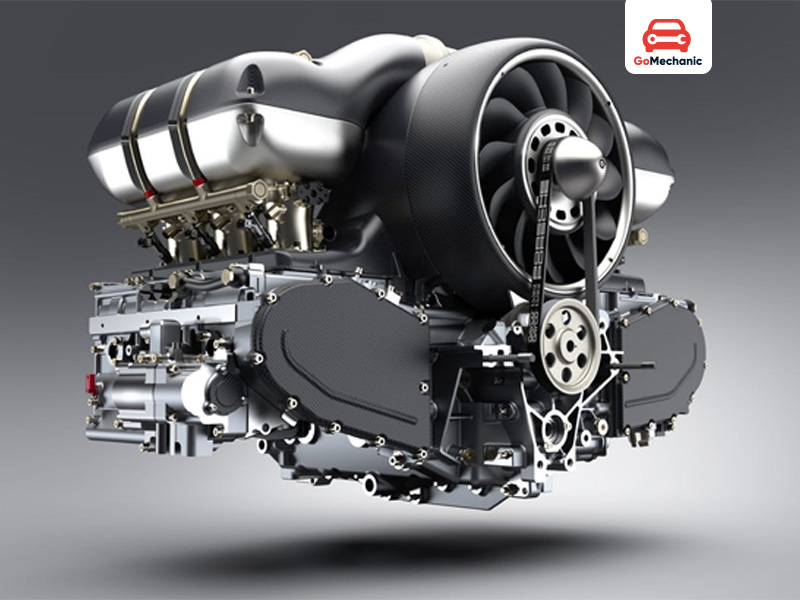
There are some factors that determine the kind of engine oil suitable for your vehicle, such as:
- Type of Engine: If high-performance engines use a fully synthetic engine oil, these old models are fine with mineral engine oils.
- Driving Conditions: For short distances in the city, synthetic blends do well, while extreme temperature variations and heavy use will require fully synthetic oil.
- Budget: More affordable is mineral, whereas fully synthetic is more costly initially but offers savings in the long run.
How to Determine the Right Car Engine Oil

- Recommendations by the Manufacturer
While this is the best practice of all, it is always good to check your car owner’s manual for its specification viscosity, type, and everything else for a particular engine oil for the vehicle.
- Take Consideration about Driving Conditions
- City Driving: There are many starts and stops that generate heat and stress. Synthetic oils with high thermal stability work best.
- Trails of Highway: You can choose oils that provide long-lasting protection for extended periods of use.
- Off Roading: Select high detergent and compelling oils to combat dust and extremes.
- Evaluate Climate
- Cold: Low-viscosity oils like 0W-30 ensure smooth flow during cold starts, hence reducing wear on the motor.
- Warm: High 15W-50 oils provide resilient protection from high-temperature stress but remain stable.
- Old Age and Miles
- Old Engines: May be suited to being thicker oils or those containing additives intended to minimize leakage and wear.
- Young engines: usually synthetic oils for good performance and protection.
Oil Grading (SAE Ratings): Understanding the Numbers and What They Mean

The Society of Automotive Engineers (SAE) has provided a method for knowing engine oil viscosity. Which would be able to determine how an oil would perform at different temperatures. This means that engine owners can maximize the performance and protection of their engines by applying the best engine oil car.
Related Blog: Engine Oil Grades Explained
SAE Rating Principles
- Viscosity
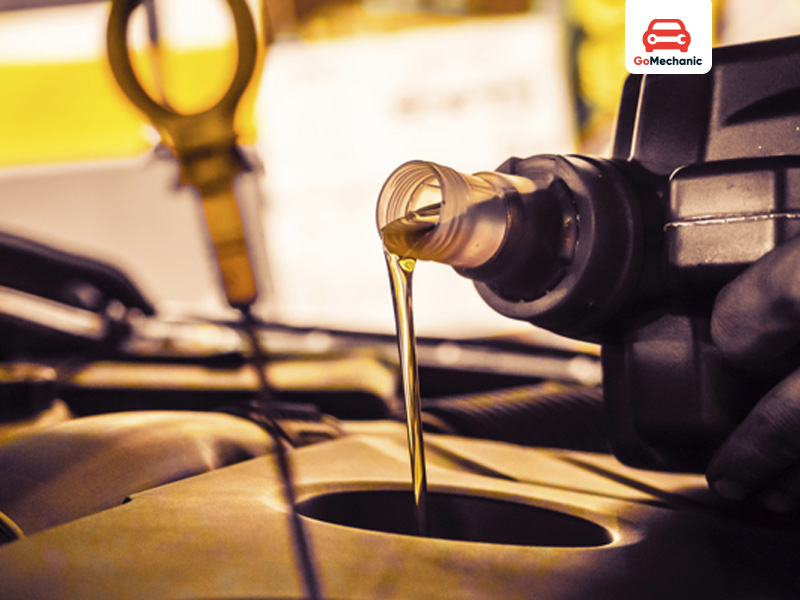
Viscosity is the resistance offered by oil to flow; thin oils (i.e., having a low viscous nature) flow a little more easily compared to thick oils (having a high viscous nature), especially at low temperatures, due to the fact that these provide better protection at very high temperatures.
- Temperature performance
Engine oil must perform well in two conditions: Cold Starts: Oil must flow freely to protect engines from cold-starting. Operating Temperature: oil must provide stability and protection under the usual operating temperature.
Types of Oil Based on SAE Ratings
- Monograde Oil
Monograde oils are a kind of oil whose viscosity is rated for a specific temperature interval. Thus, these oils have a single grade such as SAE 30, SAE 40, or SAE 10W, where:
- “W” stands for “Winter”; hence, the oil becomes suitable for cold temperatures.
- No W: What the oil is designed for is higher operating temperatures.
- Multigrade Oil
Rather, multigrade oils are specialized ones for even a wider temperature range, making them applicable for use in modern engines. They are marked with two ratings: 10W-40 or 5W-30, where:
- The first number, for example, 10W, denotes the viscosity rating at low temperatures. The lower the number, the better the flow in cold conditions, thus starting cold easier.
- It defines oil viscosity at high working temperatures. The higher the number, the thicker the oil and better protection will be provided at his/her higher temperatures.
Common Ratings and Their Applications:
- 5W-30: Widely used in passenger cars for a balance of cold-start performance and high-temperature protection.
- 10W-40: Preferred for older engines or vehicles operating in high-stress conditions.
- 0W-20: Found in many modern vehicles, designed for maximum fuel efficiency and cold-weather performance.
Reading and Interpreting SAE Ratings
| Oil Grade | Low Temp (W) | High Temp | Use Case |
| SAE 10W-30 | Flows well at -20°C | Stable at 100°C | Passenger cars in moderate climates. |
| SAE 5W-40 | Flows well at -30°C | Stable at 100°C | Extreme weather; diesel engines. |
| SAE 0W-20 | Flows well at -40°C | Stable at 100°C | Modern engines, fuel-efficient cars. |
Top Car Engine Oil Brands in India
- Mobil 1: Fully synthetic formulations Ideal for extremely high-performance cars and motorcycles with high protection for extreme environments. It ranks top among the list of the best engine oil in India.
- Castrol: The specification range oils Castrol for the best carvery application, best-suited for enhanced acceleration.
- Valvoline: Pure American brand durability and inexpensive; Valvoline offers oils for practically everything, from antique cars to modern-day equivalents.
- Motul: World-known brand for synthetic and semi-synthetic high-grade oils; Motul 300V is a historical winner regarding high performance and thermal resistance.
- Shell: Modern technology provides complete engine cleaning; the company has acquired fans mainly because of Shell Helix Ultra, which is indeed superior in fuel and engine protection.
- Servo: Economical but result-yielding; an entire range of standard products is available for motorcycles, cars, and even heavy vehicles.
Conclusion
The best engine oil plays a very vital role in the performance, life, and efficiency of your vehicle. With the above types, their specifications, and vehicle requirements, one would be informed when making a decision. Quality should never be a compromise, though, consult the manual of your vehicle for information about it and also seek advice from trusted mechanics for the best results. The car’s best engine oil has delivered better and more enjoyable rides over the years.



Thanks for sharing this information. Engine oil is very important when it comes to automobiles. Gs Caltex is a brand that focuses mainly on engine oil and vehicle oil.
[…] Read: Engine Oil | A Comprehensive Guide | Everything You Need To Know […]
Thanks for sharing this useful information with us, this is really meaningful to us for selecting the accurate things for our products in a right manner.
[…] struggle. So, here, we wrote about the TaoTao 50cc Oil Types and how you can ideally change your engine oil to reach peak […]