






The ones that have ever driven a Zen know how good the car is. Maruti Zen was one of the most famous hatchbacks of its time. The Zen is the acronym for ‘Zero Engine Noise’. The car was launched in India back in 1993, almost 10 years after the inception of Maruti Suzuki. Within no time, Zen became a popular car. The powerful engine, low-floor drive and customizability gave it a headstart in the race against the rivals.
What is Maruti Zen Carbon?
The Maruti Zen Carbon was a limited-edition model of the Maruti Zen, which was sporty in every aspect and thus had a 3-door hatchback layout. The automobile hit the market in 2003 with the primary intention of making space for unsold inventory of exports that were previously intended for the European (Polish) market. The Zen Carbon was first seen mainly due to its exterior, compact size and youthfulness; which were indeed the opposite of the 5-door Zen sold to India. Although it retained all the features of standard Zen, yet 3-door design and limited availability (only 300 units) gave it a special collector-car status. Even today, a Zen Carbon can hardly be seen on the roads of India, which contributes to its cult following among car enthusiasts.
What’s the Maruti Zen Steel?
Maruti Zen Steel was introduced together with Zen Carbon as part of the same limited edition 3-door Zen twins lineup. The Carbon model emphasized a darker and sportier vibe, while the Zen Steel captured the attention of the buyers who liked a cleaner and more luxurious look. The exclusive Steel Silver colour really did the trick and was the only thing that differentiated it from the Zen variants on the market at that time. No more than 300 units of Zen Steel were sold in India, thus making it as rare and desirable as the Carbon. The limited production run, distinctive styling and international lineage have combined to create the aura of nostalgia around Maruti Zen Steel and make it hard to find in today’s used-car and collector’s circles, but still make a perfect find.
Zen Full Form
There are numerous people who want to know what ZEN stands for but in fact_z is not an acronym and Zen just has no full form. The term Zen originated in the Japanese language and it was derived from the Sanskrit ‘Dhyana’ which means meditation. Thus, when a person asks what Zen full form is, the person is actually interested in its deeper meaning. Zen is a school of thought that has a whole set of virtues attached to it, like calmness, mindfulness, presence in the moment, simplification of living and purity of thought. The practitioners of Zen are doing it mainly to cut down on their stress levels and increase their concentration. Moreover, the different meditation practices are a way to achieve emotional equanimity. Zen is an inspiration for a peaceful lifestyle in the forms of daily activities or meditation.
1999 – The Year Of A Major Mistake
Maruti made a very wrong call of introducing the Zen Classic. It looked as if it was picked straight from the roads of China. The whole front looked ugly with round headlamps and god knows what grille. The chrome lining was an addition to the pain and grief. The Classic model was soon discontinued due to very low demands. Maruti had to make it to the customers for making such a mistake.
2003 – Forgive Maruti For All The Sins It Committed
Maruti Zen was sold in a different avatar in Poland, which was a 3-door hatchback. It was sold in two variants, namely Zen Carbon and Zen Steel. It was a good seller in the Polish market before the company decided to stop the export. The company was left with 600 units in total, 300 of each of the variant.
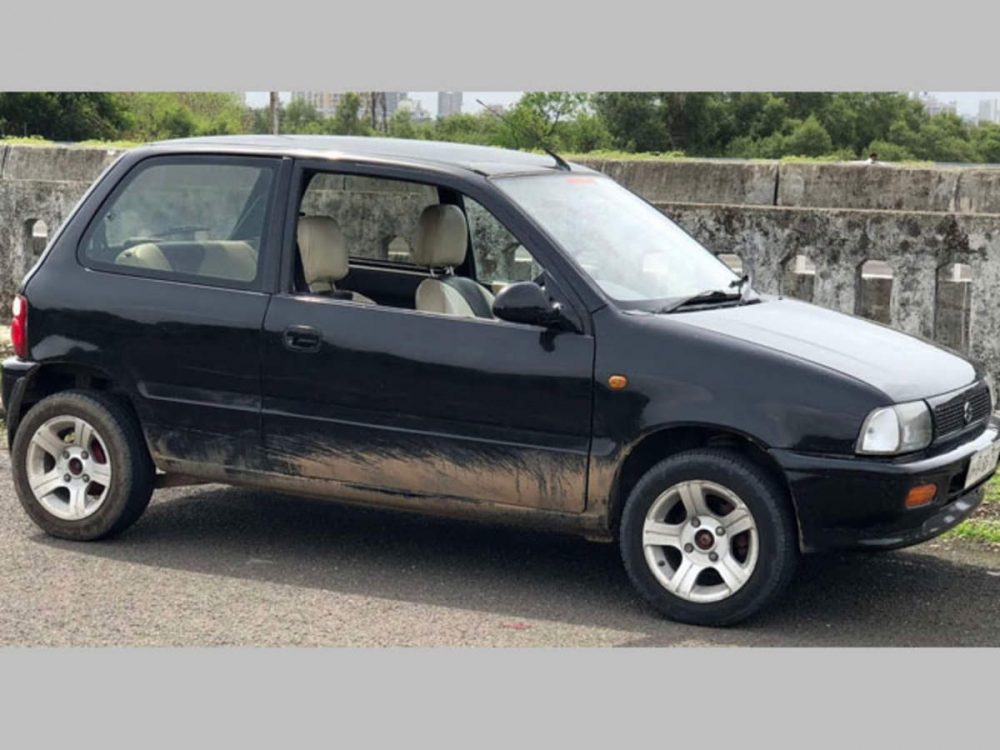
This is when the marketing team decided to launch a limited-edition Zen which will help to clear out the inventory as well as help in regaining the lost customers. Maruti Zen was launched with a 3-door setup in 2003.
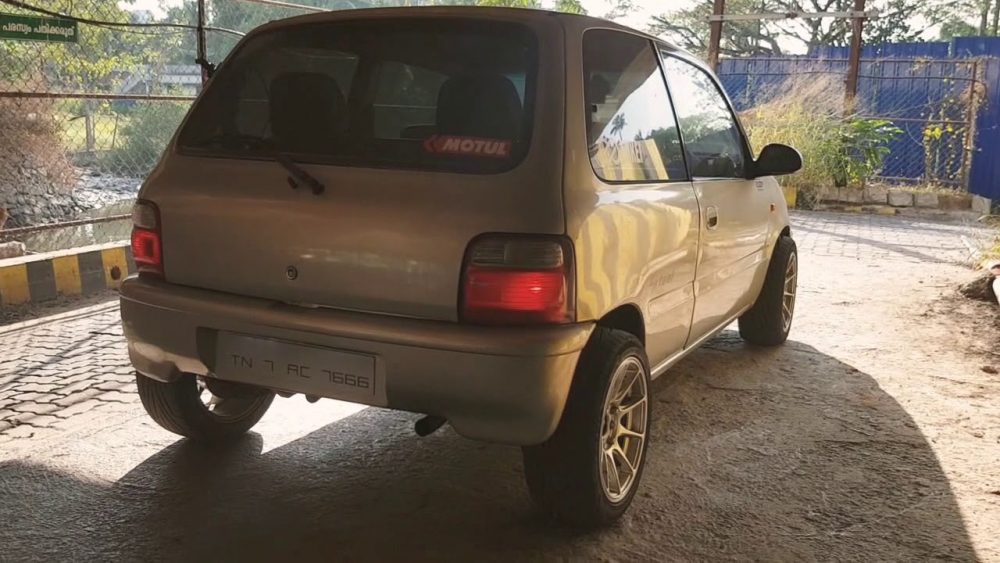
This was a very innovative way to say sorry. The Zen Carbon was available in ‘Carbon Black’ while the Zen Steel was available in ‘Steel Silver’ colour. As soon as the company announced the limited versions, people who loved the 5-door hatch went crazy and bought off the whole lot off the market.
It was equipped with a 1.0-litre engine which could produce 60hp of power and a peak torque of 78Nm. The variants were priced around ₹2lakhs. All the features were the same as the 5-door version except the 5 doors itself. It also had an air conditioning unit to make you feel comfortable inside the limited special edition.
Do you remember any? 10 Forgotten Maruti Suzuki Cars In India: From SX4 To Stingray
Have you seen Maruti Zen Carbon or Steel?
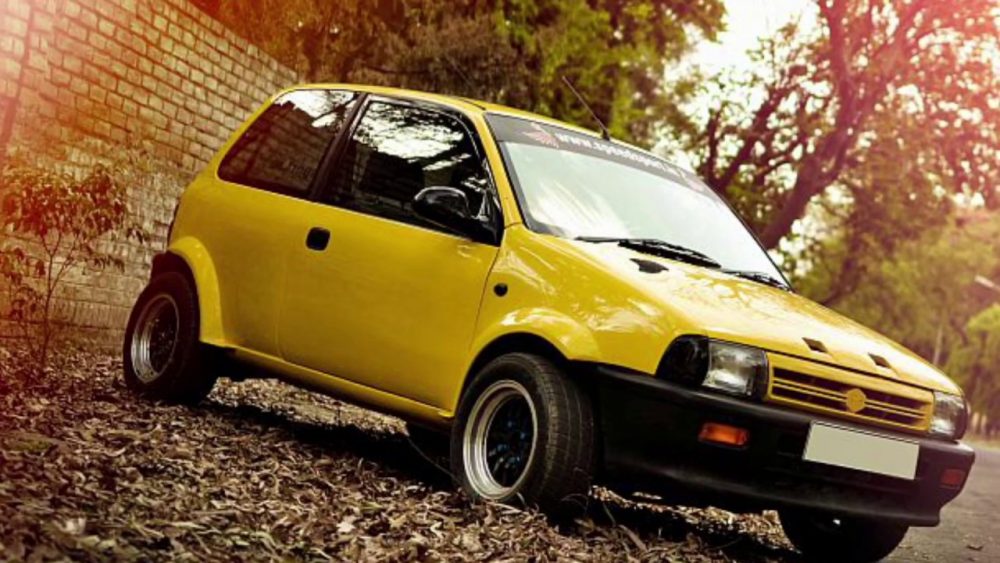
It is a very rare chance that you might have seen one. The fact that a total of 600 were rolled out makes it the rarest to find. There are few people who were able to get the limited edition and have tastefully modified these little beasts. Some people can be seen to overhaul the engine to even produce over 100hp of power from the 1.0-litre engine which in stock would produce 60hp at max. Next time you see one of these 600 units, don’t just stand there in awe and make sure you get a pic too. Hope you enjoyed the short read on the 3-door Zen twins. Stay tuned while we bring such content for you. Enjoy and stay safe!
Have a look: Hindustan Avigo: The lesser-known Ambassador
FAQs
1. What is the history of Maruti Zen?
Maruti Zen, a FWD(Front Wheel Drive) car, which was launched in June 1993 and it comes with an aluminium engine that can produce up to 50hp of power at 6500 rpm.
2. What is the speciality of Zen Carbon?
It is a 3-door car that comes with a compact design and a sporty look. And interestingly, Suzuki has only made 300 units to be sold in India for both the Zen Carbon and Zen Steel.
3. What is the full form of Zen in Maruti?
Zen stands for Zero Engine Noise, which also means complete in Japanese, and this trait also serves as a unique selling point for the car itself.
4. How many Zen Carbons were made?
Zen Carbon is a limited edition car, due to which only 300 units of it were manufactured in India. It comes with a 3-door compact design, which increased its popularity after the launch.
5. Does Zen have power steering?
The 1996 Zen model did not contain any EPS(Electric Power Steering). However, after some years, the power steering was introduced in the LXI and ZXI variants.
6. What is the full name of Zen?
The complete name is Maruti Suzuki Zen. It is a small car which became very famous in India due to its easy driving, small size, and good performance.
7. What is the true meaning of Zen?
The term “Zen” implies Zero Engine Noise thus demonstrating the quality and sophistication of the car in the first place. Also, it shares the peaceful and balanced nature of the Japanese notion thus implanting a modern and cool identity to the car.
8. What did Zen mean?
Zen was an icon of a peaceful and effortless driving experience. Maruti marketed it as a lively, young, and entertaining car for the city.
9. How many Zen Carbon are in India?
Only 300 models of Zen Carbon were manufactured worldwide thus, it is deemed to be much-rare collector’s edition,that many people still hunt for.
10. What is the difference between Zen and Zen Carbon?
The regular Zen features 5 access points, whereas the Zen Carbon is a variant with a 3-door sporty design. The engines are alike in both cars, but the Carbon stands out and feels more premium.
11. What is the CC of Zen Carbon?
The Zen Carbon gets a 993 cc petrol engine. The performance is decent for a small car and is ideal for urban roads.
12. What is the price of Maruti Suzuki Zen Steel?
Zen Steel was priced at about ₹3 lakh (approx.) when it was fresh out of the factory. The price as-of today varies according to the conditions but it is available for a lower price second-hand.
13. What is the mileage of Maruti Zen Steel?
The Zen Steel give a strong mileage of about the 14–18 kmpl. Mileage mainly depends on driving style, maintenance, and road conditions.


