






While the pandemic is still on, few of us are planning road trips to overcome the boredom. Alternatively, many people have started moving out for work and are travelling long distances as they used to do in the past! A very common issue among cars travelling long distances is the overheating of the engine. Sometimes, it might be due to faulty spares but at other times, simply improving some of your habits might help. In this article, we take you through the ways by which you can fight issues related to car overheating.
Car Overheating Causes
Before we jump to why a car overheats, we need to know the causes behind them. Below we have mentioned some pointers to help you understand engine overheating causes.
Low Coolant Levels: Insufficient coolant prevents proper heat dissipation, leading to overheating.
Faulty Thermostat: A malfunctioning thermostat can prevent coolant flow, causing temperature rise.
Broken Water Pump: If the water pump fails, coolant circulation stops, leading to overheating.
Radiator Issues: Blocked or damaged radiators can’t cool the engine properly.
Leaking Coolant: Any coolant leak reduces the amount of coolant available to cool the engine.
Clogged Hoses: Blocked hoses prevent coolant from reaching the engine and radiator, leading to overheating.
Faulty Pressure Cap: A damaged pressure cap can cause coolant to boil over.
Failed Cooling Fans: Without functioning fans, the engine can’t dissipate heat properly, causing it to overheat.
Top 10 things to do to prevent your car from overheating.
1. Check your car’s coolant level regularly
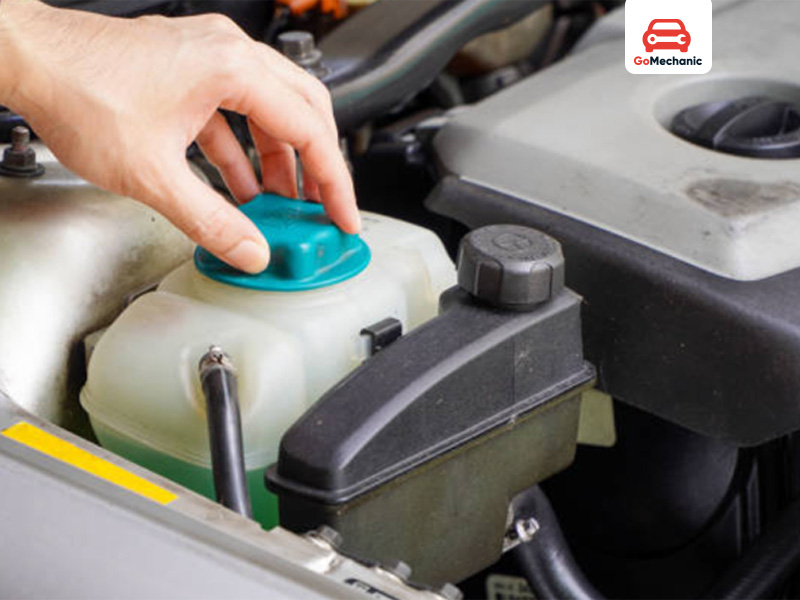
This is the first step you need to take when you think about, ‘why is my car overheating?’. You should make this a habit. You should regularly check your car for the coolant levels. Check inside the coolant reservoir or the radiator. Make sure that your coolant and water levels are appropriate. This is the most common practice that can help you prevent your car from overheating. Also, the low coolant level is one of the most common reasons behind the overheating of your vehicle. Make sure you open the radiator car only when your car’s engine is cool.
2. Keep a check on the temperature gauge
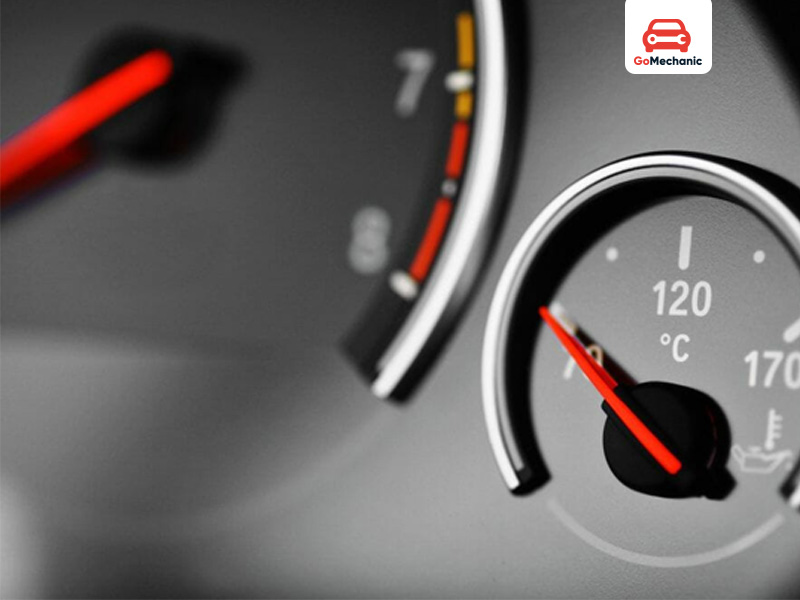
While on a road trip, we often forget about over beloved vehicle while enjoying ourselves to the fullest. If you are driving, you should always keep a check on the temperature gauge of your vehicle. Considering you are on a long trip, you will need to pull long distances in a single go. This doesn’t mean that you will sacrifice your engine’s health. The simplest way to prevent your car from overheating is to keep a check and not letting it go beyond the normal temperature.
3. Turning off the AC to reduce engine load
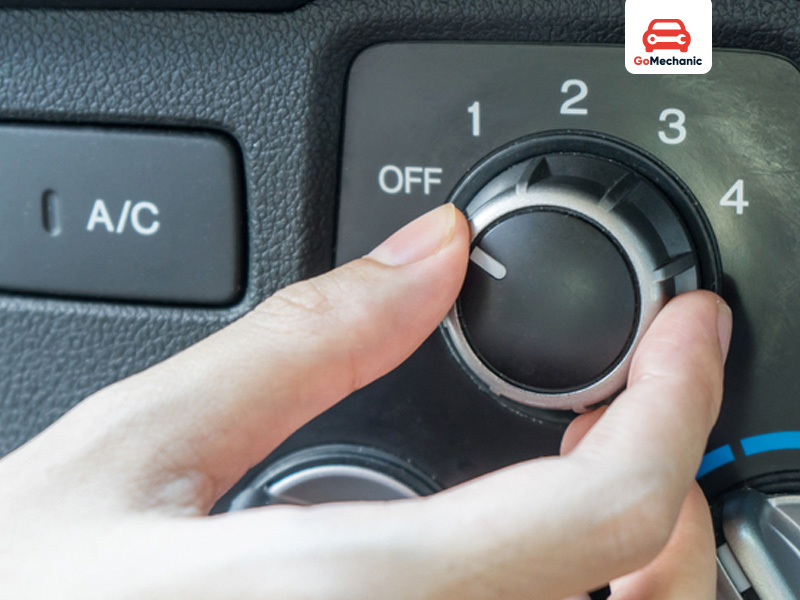
If you are on a long trip and feel that your engine is about to overheat and you don’t want to stop anyhow, the best way out is turning off the AC. This will help your engine get rid of the extra load that it was experiencing due to the continuous running of the AC. This will help you sustain at the same operating temperature for long before the engine gets overheated. Alternatively, you can also switch on the heater after opening the windows so that it can pull the engine’s heat inside the cabin and the engine cools down quickly. This might be uncomfortable but can prevent your car engine from overheating while keep you moving.
Read Top 10 Reasons that your Car AC isn’t Cooling Enough
4. Pull over when the engine starts to overheat
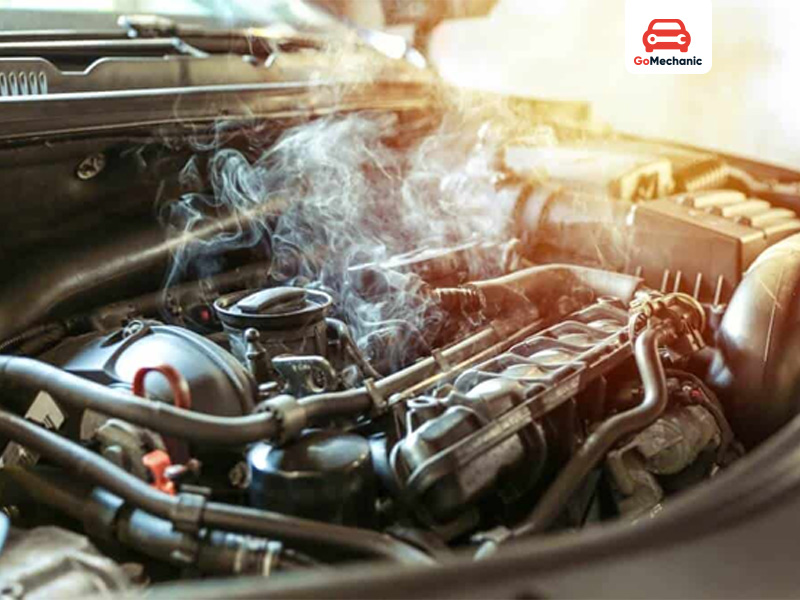
Obviously, there is not a single reason why a car overheats, in fact there are many. In case your car has begun to overheat, the safest option is to stop immediately. Find a safe spot and stop the car. Open the hood and let the heat escape. After the steam has settled down (takes about 15-20 minutes) pour some water over the radiator to bring the temperature further down. Don’t hurry to put in the water because this can even lead to worst scenarios like cracking of the engine block. This can cost you high repairs so we advise you to refrain from such practices.
5. Check for Coolant Leaks underneath
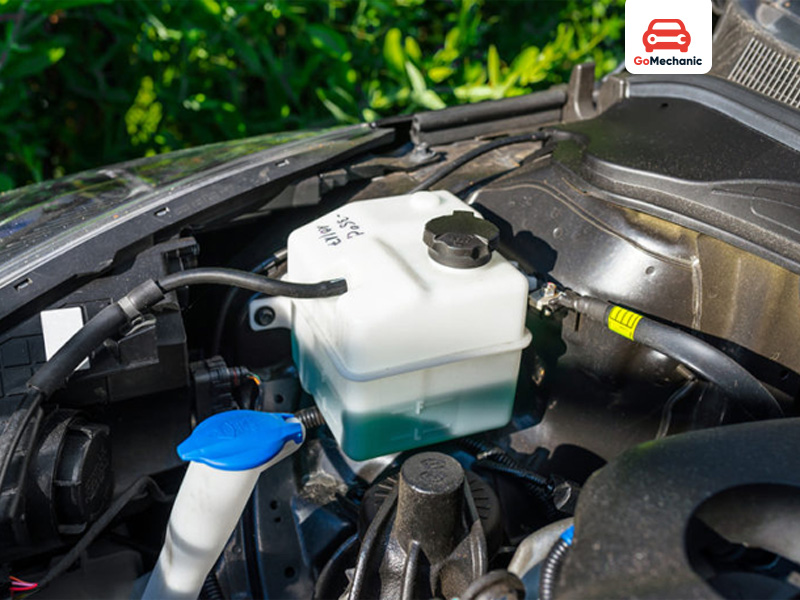 If you have put an adequate amount of coolant and water in your car’s system and are still facing high engine temperature, you need to get your car’s cooling system checked immediately for leaks. Drive into a GoMechanic workshop near you and get your car’s cooling system inspected today!
6. Periodic Radiator Flushing
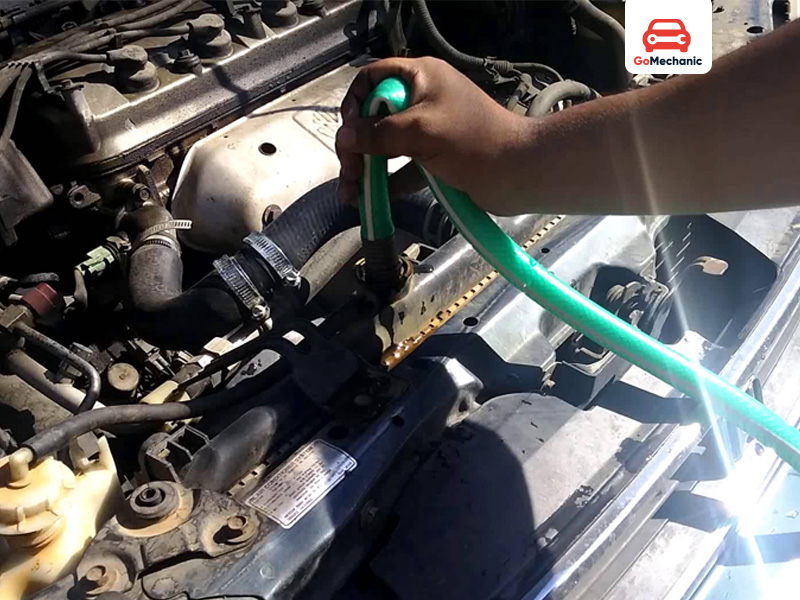
Even if you keep your car’s coolant to the optimum level, you need to get it replaced periodically. The flush process consists of draining out the old fluid, cleaning the radiator lines with a flush fluid compound and finally filling up the system with a new coolant again. You should get this down with your periodic car service for sure to ensure best performance.
Read Engine Oil | A Comprehensive Guide | Everything You Need To Know
7. Keeping a check on the Thermostat
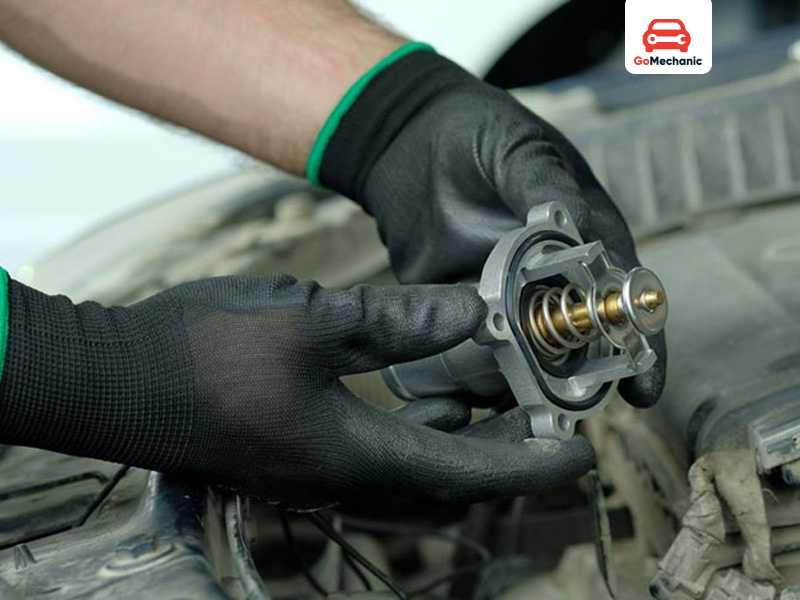
Another component that you might get checked is the thermostat. The thermostat is responsible for regulating the coolant flow through the engine. If you have a faulty thermostat, your car’s cooling system might not work properly. We recommend you to get your car’s thermostat checked from a GoMechanic workshop near you.
8. Check your Drive Belt for wear/tear
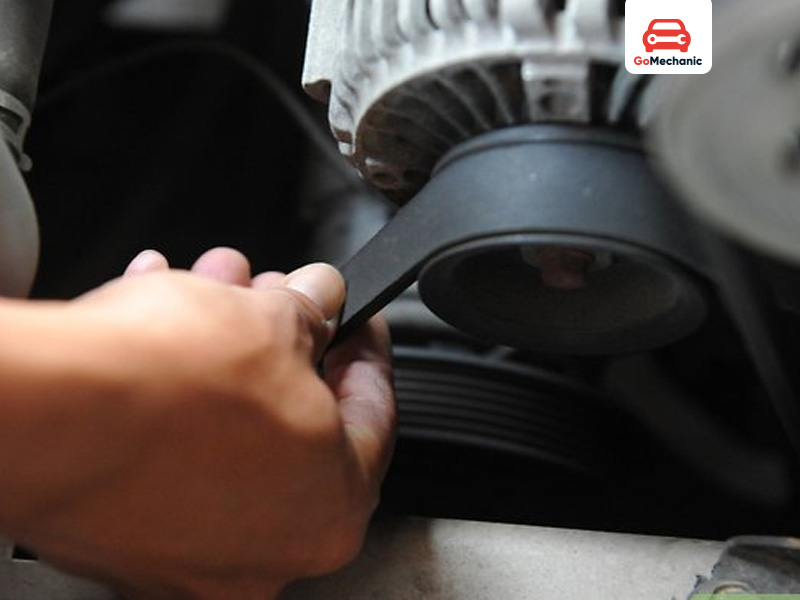
Another important component that you must get checked is the drive belt. If the drive belt breaks, there is no water pump and hence there is no coolant circulation. If your engine overheats quickly and almost every time you start it, you need to get the drive belt checked as well. Wondering where to go? We will be happy to help you!
9. Checking the Radiator Cap for damage
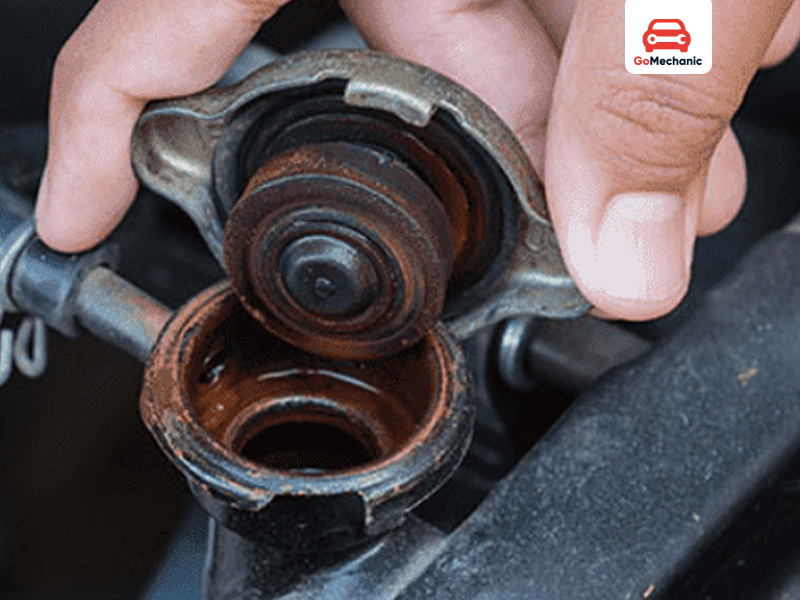
Surprisingly, the cap has also got much to do. If your radiator cap is not fastened properly or is faulty, it can cause a difference in the pressure at which the liquid is circulated through the system. Actually this cap has got a spring which can become weak over time. You should get it replaced immediately to prevent any ill-effects on your engine.
These are the 9 things you can do to prevent your car from overheating or bring down the temperature if it is overheated anyhow. Share these tips with all your friends who are car owners because if they don’t know about these tips and continue driving their cars at high engine temperatures, they can land into big troubles.
10. Let the engine breathe
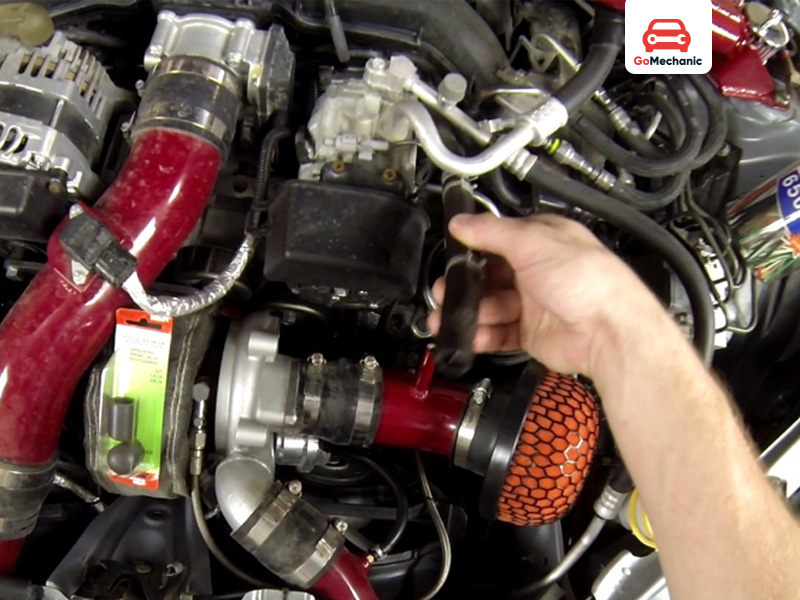
The heat builds when the drive stretches, or when the sun blazes. Airflow matters. Look at the vents, the grilles. Are they clear? No dirt, no leaves, and no custom parts blocking the way. A simple clean-up can stop the engine from heating too much. If something feels wrong, a mechanic’s hand might be the answer. Let the air flow freely, and your engine will thank you.
These were the 10 things you can do to prevent car from overheating or bring down the temperature if it is overheated anyhow. Share these tips with all your friends who are car owners because if they don’t know about these tips and continue driving their cars at high engine temperatures, they can land into big troubles. In such cases, don’t take any risk and visit the nearest car workshop.
FAQs
- How do you fix a car that overheats?
Pull over and turn off the engine to cool. Check coolant levels, inspect hoses and the radiator, and verify the thermostat and water pump for any malfunctions. - Can you drive a car that is overheating?
It’s not advisable to drive an overheating car. Continuing to drive can cause severe engine damage, leading to costly repairs. Stop immediately and let the engine cool. - What causes a car to overheat?
Common causes include low coolant levels, faulty thermostats, malfunctioning water pumps, radiator issues, or coolant leaks. These problems prevent proper heat dissipation, leading to overheating. - Can I put water instead of coolant?
Water alone is not recommended. Coolant prevents freezing, boiling, and lubricates the water pump. Always use a proper coolant mixture for better protection and performance. - What protects the engine from overheating?
The engine’s cooling system, which includes coolant, the radiator, thermostat, water pump, and hoses, works together to regulate temperatures and prevent overheating by maintaining optimal engine temperature.


