






You would need to change your car tyres from time to time. Did you spy some battered rubber, worn treads or air leakage on your tyre? This means you should get new ones. The real trouble with tyres is that they eventually wear out. This attrition occurs after regular use.
With a greater likelihood of losing traction and tyres blowing out, nothing is more dangerous than driving with worn-out tires. By doing so, you put yourself and others at risk. Whenever you notice significant tread wear, you need to immediately replace your tyres. So, as far as tyres go, there is no doubt that it’s better to be safe than sorry.
Also See: 5 Winter Tips For Your Car
Does your car have worn-out tyres?
Almost half of the vehicles out on the road have worn down tyres. Additionally, a few have at least one bald tyre. This means you should take a moment to check your tyres.
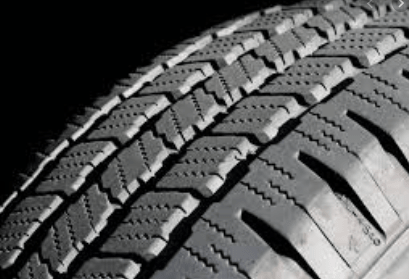
How do we know if a tyre is worn? You can see if your tyre is in good shape by looking at its tread. The tread of the tyre is also called the track. It is where the rubber meets the asphalt. The track has grooves or voids fashioned into the rubber of the tyre. On wet or muddy roads, these channels offer sufficient traction. When tyres wear away, their tread disappears and the tyres can no longer grip the road properly.
Subscribe To The GoMechanic YouTube Channel
A new tyre usually comes with grooves that are around 10/32 of an inch deep. But over time the tyre would wear and the groove depth would decrease. When the groove depth falls to 2/32 of an inch we call the tyre, bald. The problem with bald tyres and half-worn tyres is that they don’t exert a lot of traction on the road. This means with these tyres you might even end up in a motor accident.
Many of the newer models of automobiles come with a tyre wear bar. These bars can be seen at the base of the furrow. The tyre wear bar helps us understand when the grooves have worn down.
Do you think your tyres are worn and need replacing? We are here to help! Download the GoMechanic App or you can visit the GoMechanic service centre in near you.
7 reasons why it is dangerous to drive with bad tyres
Look at some of the reasons why you need to get your car tyres checked out right away.
-
Bald tyres can overheat
Tyres that are worn down too much are called bald tyres. Bald tyres have a very little tread left on its circumference. As a result, the rubber of the bald tyre is constantly in contact with the asphalt. This causes relatively more heat build-up compared to a tyre with good groove depth. A new tyre would have grooves to let the air course through. This cools the tyre. Since a worn-down tyre does not have treads heat would build up and eventually the tyre can blow out.
-
More likely to puncture
The tread of half worn out or bald tyre would be eroded. Because of this, there is only a little rubber left to act as a buffer between the tyre and the roadway. Running over a bit of glass or any sharp-edged debris is going to leave you with a flat tyre. Unexpected burst tyre in the middle of driving can potentially cause in a single-vehicle collision.
-
There is the risk of hydroplaning
Tread patterns or grooves are designed to prevent hydroplaning. Hydroplaning or aquaplaning is when there is a layer of water beneath the tyre. In half-worn tyres or in bald tyres grooves are worn out making it difficult for water to flow out from under the tyre. Hydroplaning causes the vehicle to slide through the water on the surface of the road. When this happens the driver might lose control over the vehicle.
-
Tyre wear and under-inflation
Worn out tyres lose air pressure faster making them under-inflated. Underinflation further wears down the tyres and thus a vicious cycle ensues. Half-worn or bald tyres when under-inflated can cause serious problems to the motorists. With a lower tyre pressure also comes lesser fuel economy. You are likely to experience difficulty in steering. There is also a bigger chance of ending up with a busted tyre.
-
Dangerous to drive in snow
Driving on snow is dangerous even on good tyres with sipes. Sipes in addition to grooves improve the vehicle’s grip on snow and reduce skidding. If you have a bald tyre with worn-out treads and sipes you won’t get enough traction on snow. Your vehicle is likely to skid. Worn-out tyres become all the more deadly in snow and on icy roads.
-
Bald tyres put you at the risk of a tyre burst
Without treads, there is a risk of tyres suddenly blowing out while driving. In a bald tyre, the rubber is more in contact with the asphalt. This would cause the tyres to accumulate more heat and burst. You become more vulnerable if you are driving briskly. Debris from the road can damage a bald tyre more than a new tyre causing the tyre to rupture.
-
Takes longer to brake in the rain
On wet roads, worn-out tyres take significantly longer to come to a stop once the brake is applied. This was observed even in cars with an anti-lock braking system (ABS). Taking longer and farther to halt after hitting the brake can even result in a vehicle collision.
You might be interested in 3 Tips To Make It Last Long, We Mean the Car Tyre!
Tyres keep the car on the ground. The importance of good tyre should never be discounted. Even with top-notch safety features in place motor accidents can occur if not for a good set of wheels. There is no shortcut around this. Get your tyres changed!
Read 10 Common Car Noises and their Diagnosis | Explained By Experts
FAQs
What is the meaning of worn out tyres?
Worn out tyres are tires that have lost their tread through extended usage. The tread consists of rubber patterns which enable vehicles to maintain traction on the road surface. The braking and cornering ability of worn tyres decreases because they experience a reduction in traction. The situation creates dangerous driving conditions especially when roads become wet or slippery.
What signs indicate my tires have reached their end of life?
You can identify worn tyres by checking the tread depth & its overall condition. The tyre needs replacement when the tread pattern show extreme shallow wear. Due to which the tyre wear indicators become visible. The other indicators of tyre damage include cracks, uneven wear, vibrations during driving, and loss of road grip.
Is it safe to operate a vehicle with tires that have reached their end of life?
Worn out tyres create dangerous driving conditions because,they decrease vehicle traction and extend the distance needed to stop. The situation creates dangerous conditions because drivers may face an increased chance of skidding & losing control when it rains. Excessive tyre wear leads to penalties in various locations because drivers need to drive with tyres which meet safety standards. Drivers need to replace their tires at scheduled times to maintain safe driving practices.
What time should drivers replace their worn tyres?
Tyres should generally be replaced when the tread depth falls below about 1.6 mm or when the wear indicator becomes visible. The tyres require replacement when they display both cracks and bulges together with irregular wear patterns. The average lifespan of tyres reaches 40,000 to 50,000 km which depends on both driving conditions and maintenance practices.


