






Does your car need more frequent fueling than it used to? Do you think your usual petrol pumps are adjusting measures in their favour? Knowing your car’s in-time fuel mileage can help better tackle such situations. It is a skill every car driver should know.
Hence, this guide provides a clear approach to calculating your car’s mileage, highlights the influencing factors, and offers some improvement tips.
Why Calculating Car Mileage is Crucial?
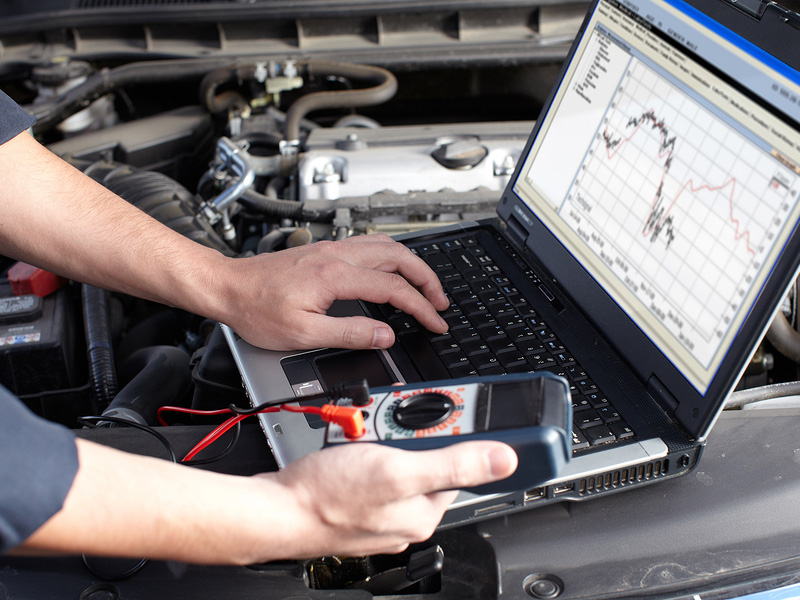
- Performance Insights: Mileage is a direct indicator of your car’s health. A sudden drop highlights mechanical issues that need attention.
- Tracking Costs: Knowing mileage will help you keep track of fuel spending.
- Driving Optimisation: Tracking mileage helps you tweak your driving habits.
How to Calculate Your Car’s Mileage
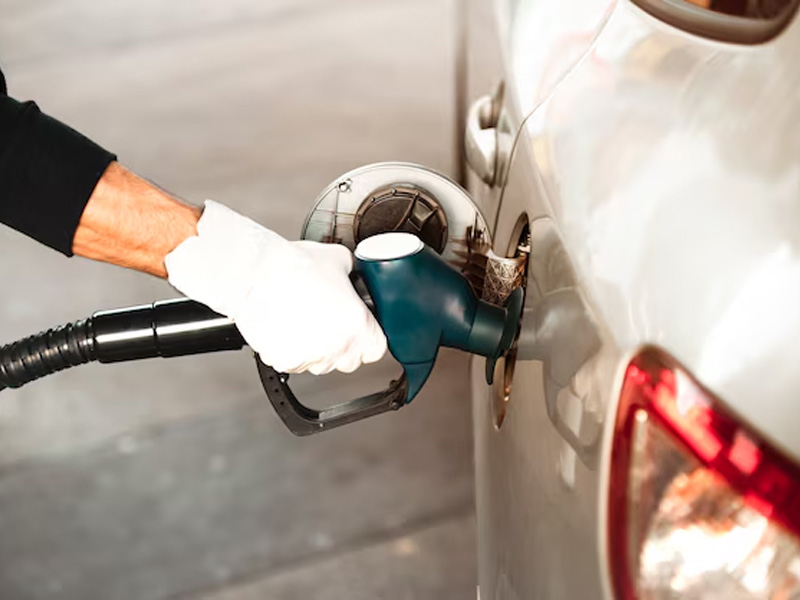
The most accurate way to calculate mileage is the Tankful-to-Tankful Method. Here’s a detailed guide:
Step 1: Fill the Fuel Tank to the Brim
- Visit a trusted petrol pump with a consistent fuel quality record.
- Use the same dispenser each time to reduce variability.
- Allow the auto-cut-off to stop the fuel flow, ensuring the tank is filled to the exact same level.
Step 2: Reset Your Trip Meter
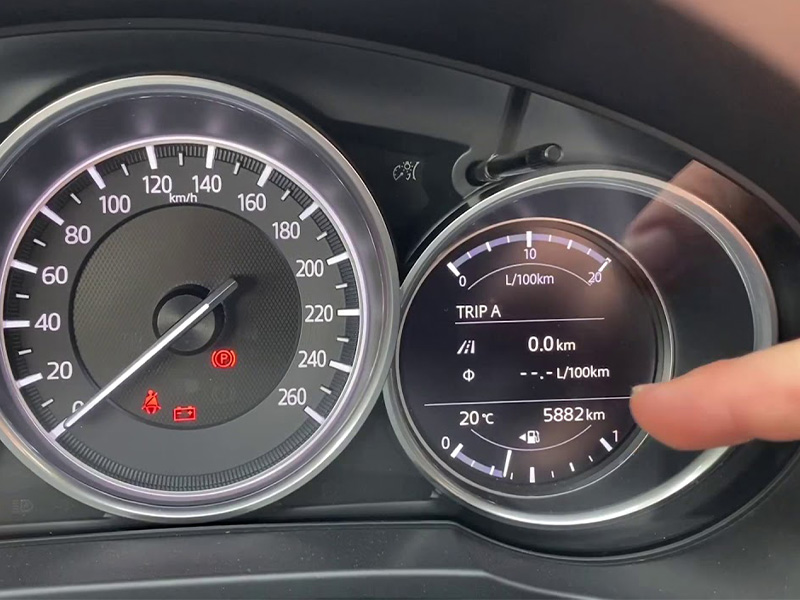
- Once the tank is full, reset your car’s trip metre to zero. Note the odometer reading if your vehicle comes with no trip metre.
Step 3: Drive Normally
- Drive your car as you usually would. Cover a significant distance, ideally between 250-300 km, to get a realistic measurement. Include a mix of city and highway driving for better accuracy.
Step 4: Refill the Tank
- Return to the same petrol station. Use the same fuel dispenser. Fill the tank to the brim again. Again, note the amount of fuel added.
Step 5: Calculate Using Mileage Formula
Use the following formula to calculate your car’s mileage:
Mileage (km/L) = Total Distance Traveled (km) ÷ Amount of Fuel Used (L)
Example:
- Distance Traveled: 450 km
- Fuel Consumed: 30 liters
- Mileage = 450 ÷ 30 = 15 km/L
Using Online Mileage Calculators
Several online tools allow you to calculate car mileage accurately. Input these variables:
- Distance Traveled
- Fuel Consumed
- Fuel Price (for cost per kilometre)
These tools simplify the calculation process. They easily convert units like km/litre, mpg, or litre/100 km.
Also read: Best Mileage Cars in India 2025
Factors That Affect Your Car’s Mileage
1. External Conditions
- Traffic: Stop-and-go traffic consumes more fuel due to frequent acceleration and idling.
- Weather: Driving in heavy rain or snow increases resistance, lowering mileage.
- Altitude: High altitudes affect engine performance due to thinner air, resulting in reduced efficiency.
2. Vehicle-Specific Factors
- Weight: Heavier vehicles like SUVs have lower mileage compared to lighter sedans.
- Engine Size: Larger engines consume more fuel.
- Aerodynamics: Poor design increases drag, reducing fuel economy.
3. Maintenance and Fuel Quality
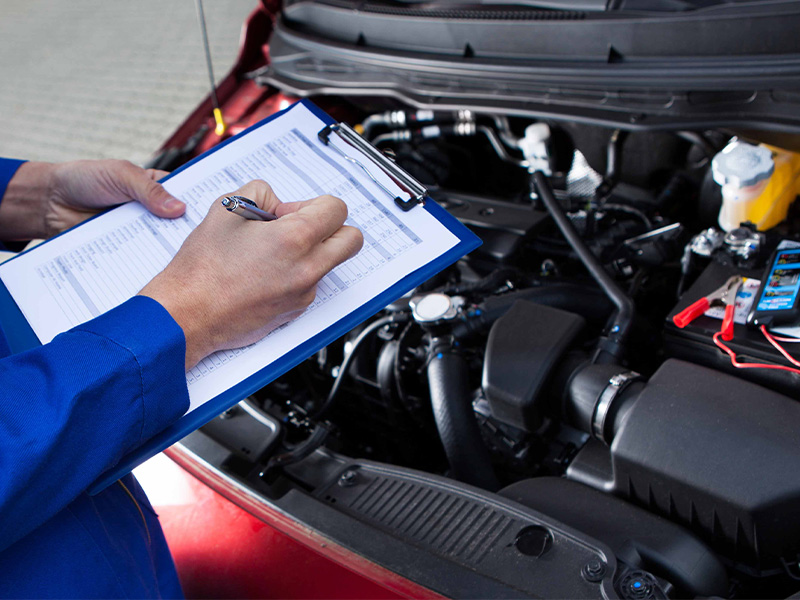
- Regular Servicing: A well-maintained engine delivers better mileage.
- Tyre Pressure: Flat tyres increase rolling resistance and need more fuel.
Related: Expert Guide to Car Tyre Air Pressure
- Fuel Quality: High-grade fuels improve engine performance
Mileage Calculation for Different Scenarios
City Driving
In urban settings, traffic lights, congestion, and short distances can reduce mileage. Incorporating frequent checks and adjustments to your driving style can help mitigate this.
Highway Driving
Highway driving typically offers better mileage due to fewer stops and steady speeds. However, aggressive acceleration or speeding can still impact fuel economy.
Mixed Driving
For a balanced measure, calculate mileage over a mix of city and highway driving conditions.
What is a Mileage Calculator for Car?
A mileage calculator for cars is a simple tool for determining how well the car uses fuel. Enter the distance traveled and fuel consumed, and the calculator provides mileage or fuel efficiency—in kilometers per liter (km/l) or miles per gallon (mpg). This way, users can evaluate and track the performance of the vehicle over a period of time and identify sudden drops in fuel efficiency. A mileage calculator for cars is extremely useful when planning a trip, budgeting for fuel, and maintaining the health of the car. Also, a lot of drivers prefer to use the mileage calculator for cars before embarking on long trips or after servicing to gauge performance and driving habits.
Related: Understanding Reasons for Low Mileage in Petrol Cars
How to calculate vehicle mileage: Tips
A truly useful capability in measuring your vehicle’s mileage would be an understanding of its fuel efficiency and driving habits. Below are some practical tips that would help you in determining the mileage of your vehicle:
- Go for a Long Drive: With a distance-long enough drive (most probably around 250-300km will do), you’re likely to obtain a realistic reading. Do consider that if you’re mixing city with highway driving, it will serve to make readings more accurate.
- Keep Things Consistent: Whenever you fill up, use the same gas station and same fuel dispenser- thereby maintaining consistency. Differences in the fuel dispenser can lead to slight discrepancies in the readings.
- Maintain Regular Driving Conditions: Make your calculations under regular driving conditions. Make sure not to perform these measurements during days with heavy traffic or inclement weather, as both indirectly affect fuel efficiency.
- Take Odometer Readings During a Trip: Use it if you have a trip meter; otherwise——just the odometer. When you’re targeting reading accuracy, subtract one reading from another-preferably accurate or close to it. Hence, with time, you would record the amount of distance traversed.
- Online Mileage Calculators: Some online mileage calculators with much functionality that can accommodate your needs, depending on distance and fuel consumed. These computations also include conversion from km/litre and vice-versa or miles/gallon and vice-versa, and so forth.
Also read: Best Mileage 7-Seater Cars in India 2025
Driving Habits That Impact Mileage
Your driving style mainly affects your car’s mileage. Some tips on how you can optimise your driving mileage include:
- Maintain a Steady Speed: Sudden acceleration and hard braking waste fuel. Instead, aim for consistent speeds. For petrol cars, try an average of 50–70 km/hr, and for diesel cars, 50–60 km/hr.
- Roll to Stops: Look out for red lights and let your car slow down and roll instead of accelerating and braking immediately.
Advanced Tips to Improve Your Car’s Mileage
- Use the Right Gear: Change gears smoothly and avoid engine revs.
- Opt for Eco-Driving Modes: Many modern cars feature eco-modes for fuel consumption optimisation.
- Fuel Up During Cooler Hours: Fuel density is higher in cooler temperatures, which slightly improves efficiency.
For an in-depth driving guide, click here to learn how to increase mileage.
How to Calculate Mileage formula
Mileage formula km/L = Distance Traveled (in km)/Fuel Consumed (in L)
The working is as follows:
- Fill the fuel tank completely and reset the trip meter or note the odometer reading (starting point).
- Drive the car for a certain distance, at least a mix of city and highway driving, to get a better average. After driving for a number of kilometers, top-up the fuel tank back to that level and take note of the amount of fuel in liters used to refill.
- Thereafter, work possible for the distance traveled during that period from either trip meter or odometer reading.
Now use the formula:
- Mileage (in km/L) = Distance Traveled (in km) Fuel Used (in L)
Know Your Car: Mileage and More
Knowing how to calculate car mileage is a part of getting to know your vehicle00 completely. It’s the central concept around which the entire car works. From the general car maintenance needs to complete engine overhauls, it serves as the key indicator.
You can maximise your mileage by using the tankful-to-tankful method to track it and best driving practices.
Make mileage tracking a regular habit. It will save your wallet and your car.
Trending: The Insider’s View of Luxury Car Brands in India (2025)
Frequently Asked Questions
1. What is the best way to calculate mileage?
The tankful-to-tankful method is the most accurate and widely recommended method.
2. Does driving at night affect mileage?
Yes, it can. Poor visibility might lead to inconsistent acceleration and braking, reducing efficiency.
3. Can I calculate mileage for a long trip?
Yes, simply record the distance travelled during the trip and the amount of fuel consumed.
4. How often should I calculate mileage?
At least once a month or before and after long trips.
5. Why is my mileage decreasing?
Possible reasons include poor vehicle maintenance, inefficient driving habits, or a change in fuel quality.
6. How do I calculate my mileage?
Fill up your tank to calculate mileage. The trip meter you have. After that, drive frequently until you need to refill. During your trip, record the distance and fuel used. Then calculate the mileage by dividing the distance driven by the fuel used. To improve accuracy, repeat this procedure two or three times.
7. How to calculate km per litre?
Km per litre (kmpl) is calculated by dividing the distance travelled by the fuel used. For example, if you drive 300 km and refill 20 litres, then:
Mileage = 300 ÷ 20 = 15 kmpl
A higher kmpl means better fuel efficiency. You should measure over several refills to get the most accurate result.
8. Is 7.5 litres per 100 km good?
7.5 L per 100 km equals 7.5 litres used for 100 km driven. This is approximately equal to 13-14 kmpl which is really decent for most petrol-driven cars. This is a good balance. The type of car, the road and the style of driving will also determine if this is good
9. Is 20 litres per 100 km good?
20 litres of fuel per 100 km is a very excessive fuel usage. This is equal to 5 kmpl which is really poor for most cars giving it. Old engines and some performance cars will have this fuel mileage. If normal cars have this fuel mileage, they need servicing because this is excessive fuel consumption.


