






Have you heard that your car tyres really are heroes of every journey? It’s very true! They are instrumental in safety, performance, and efficiency. Good-condition tyres ensure a more pleasant, accident-free trip while helping to save on fuel and increase the vehicle’s lifespan.
This blog is meant to guide you on anything and everything you would want to know about car tyres. From factors that determine their lifespan to signs for replacement and approximately how old they are, consequences of replacement delays, and even tips for maintaining them, almost anything you need to know can be found here. Let’s dive into the detailed Life of Car Tyre, what makes tyres so crucial, and how you can keep them in fine shape.
Related: Expert Guide to Car Tyre Air Pressure
Things That Can Influence the Life of Car Tyre
There are many things that determine the duration of your tyres:
- Age of Tyres
Tyres are subjected to inevitable degradation with the passage of time. On average, the lifetime of a tyre is about five years or 50,000 km whichever occurs first while rough conditions or careless usage have been the reasons of earlier expiration.
- Damages to Tyres
Cuts, bulges, and punctures contribute greatly to uneven wear of tyres, and premature total wear may be caused by the combined effect of even short minor damages.
- Road Conditions
Undoubtedly, the floor on which the wheels are moved is vital for its longevity. Tyres wear out fast on poor roads with potholes and sharp objects, and barrage speed breakers.
- Climate Effects
High temperatures can overheat tyres causing it to wear out faster, while rain and snow can degrade the rubber material.
- Improper Tyre Usage
Incorrectly matched tyres and incompatible rims, as well as under- or over-inflation when driving, will lead to unequal wear on the tyre surface and its reduced life.
Do Read: Top 5 Tyre Brands in India
- Driving Habits
Inconsistency in the driving speed, sudden braking, and frequent switching from acceleration to deceleration lead to premature wear of tyres, although common on urban roads, does occur in some highways too.
Types of Tyre Damages in Car
1. Tread Wearing
Treads of tyres wear relatively with time, thus losing traction on wet pavements or sometimes slippery ones. Improper wheel alignment, improper inflation, or even worst some bad driving habits lead to asymmetric tread wearing. Conduct a regular check on tread depth so that detection of your tyres could be made easy in any case of optimum grip and safety.
2. Sidewall Cracks
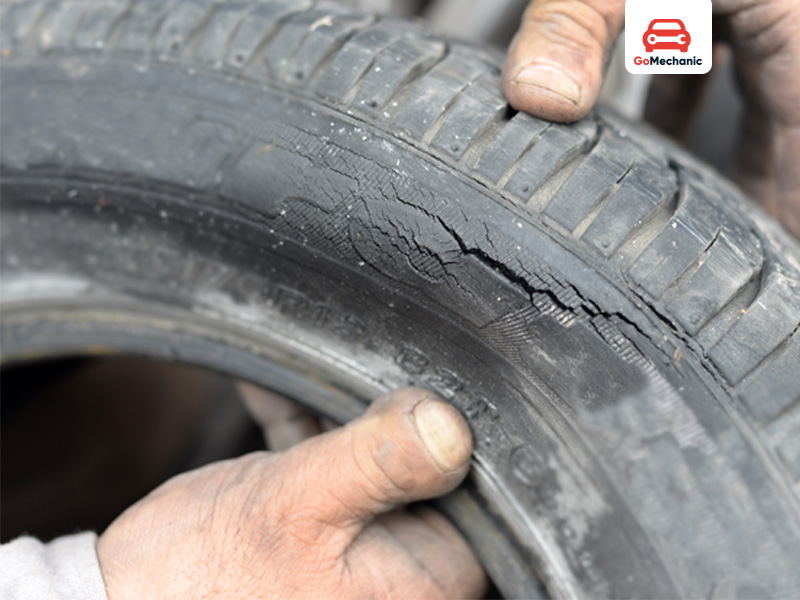
Sidewall cracks are conditioned by tyre age, UV rays exposure, or impact by road debris. The function of such cracks is related to tyre structure compromise, which will increase the chance of blowout. Regular inspections on visible cracks could help in foreseeing a point of contact.
3. Bulges and Blisters
Bulges and blisters occur when internal tyre damage weakens its structure, usually due to hitting potholes or curbs. These air pockets under the tyre’s surface can lead to blowouts, especially at high speeds. When you see a bulge, immediately replace the tyre.
4. Punctures
Punctures are the tiny openings which are made, when sharp objects like nails or screws penetrate into the tyres making them lose air. Some punctures measure large enough to cause slow leaks, some measure too small to show anything else, and some are so small that the tyre deflates rapidly.
5. Blowouts
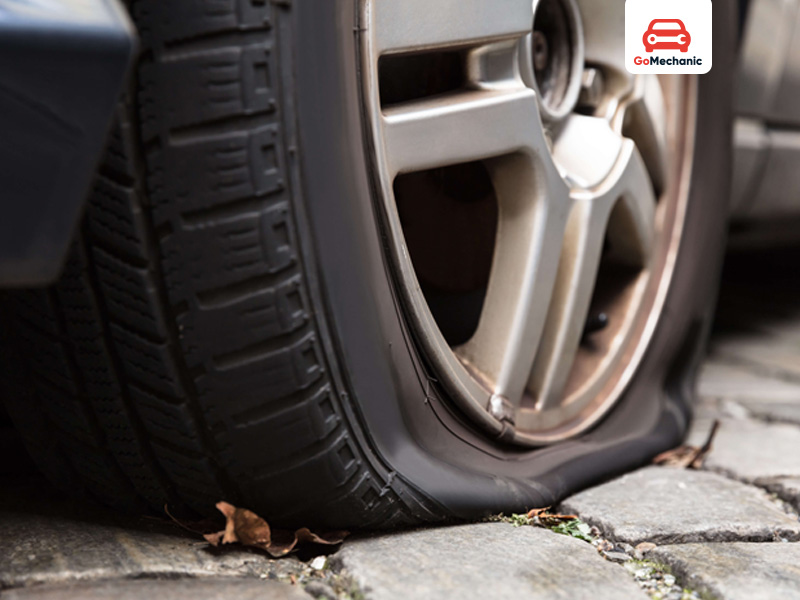
The causes of blowouts may include under or overinflation or running over debris on a roadway. Blowouts are among the most dangerous events that take place in the life of a driver, they can easily cause the driver to lose control of the vehicle. Blowouts can be avoided through regular maintenance of tyres and further lead to driving being safer.
6. Overheating
Stepping on the accelerator too much, less air-filled tyres, or too long a load can make the tyres hot. It is the burning up of rubber that can thus easily lead to blowouts or faster wearing. It is essential that one should check their tyre pressure regularly and ensure it is inflated properly to prevent overheating caused by all of these factors and last longer.
7. Issues with wheel alignment
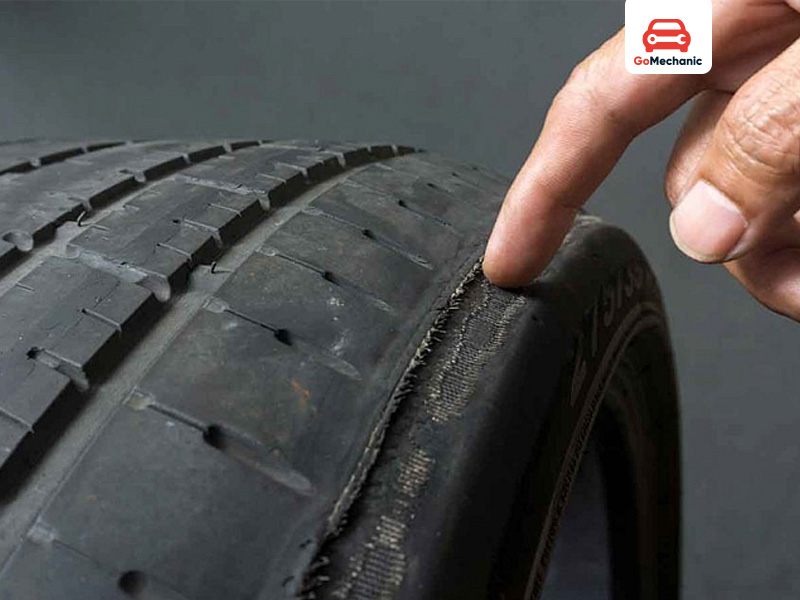
The uneven wear pattern that results on tyres is the most telling sign of improper wheel alignment. It usually shows on the edges of the tyres. It may develop from hitting a curb or pothole. This can lead to the vehicle going to one side while driving. Regularly acquiring alignment ensures that the tyres wear evenly, hence improving the handling of the vehicle.
Signs Indicating the Need to Replace Your Car Tyre
There are visible as well as performance-related indicators shown by tyres that warn you that it’s time to replace those.
- Deep tread wear (less than 0.5 cm depth).
- Visible damages such as cuts, cracks, bulges, or punctures.
- Uneven wear patterns.
- Reduced traction or constant skids.
- Frequent tyre air loss.
How Long Does a Tyre Generally Last?
On average, life of car tyre last about five years or 50,000 kilometers depending on the amount of use and upkeep. Although, after five years, tyres can become brittle and unsafe whether they look well outside.
Also Read: Best Tyre Companies in the World
Signs that Show Your Need for Car Tyre Change
Replacement of these important rubber covers with their timing has a significant advantage, namely safety, performance, and fuel efficiency of the vehicle. Here are some of the best points in connection with the time for car tyre change:
Overworn Tread
The tread is defined as the grooves or indentations in the surface of the tyre that provides traction and inhibit slippage of the vehicle in extremely severe weather conditions (like that caused by rain and snow). Over the course of time, the treads get worn down gradually until they cannot hold firmly to the road surface.
Signs to Look For:
- Tread depth below 0.5 cm (with the help of a tread depth gauge or coin).
- Noisy or bald patches on the tyre surface.
- Hesitation while braking, hydroplaning/slipping on wet surfaces.
Cracked Sidewalls
Sidewalls of tyres carry the body-weight of the vehicle as well providing stability. Damage to the sidewalls could lead to the degradation of the integrity of the tyre thus may lead to possible severe safety risks.
Signs to Look For:
- Visible cracks, cuts, or tears.
- Bulges or bubbles indicating internal damage.
- Dents caused by impacts with potholes, kerbs, or other obstacles.
Irregular Wear Patterns
- This situation occurs when one part of the tyre wears faster than others. This affects vehicle performance and driving stability.
Signs to Look For:
- The tyre starts to wear more on one side than the other.
- The centre or both edges of the tyre tread shows excessive wearing.
- Noisy or rough driving indicates alignment or balancing problems.
Too Many Repairs
Then it may be that familiar sight, darned if you could remember when it was last healthy.
Signs to Look For:
- Having to constantly mend the same tyre with punctures
- It increased the frequency of loss of air pressure on the tyres
- lingering problems after professional mending.
The Tyres’ Age
However, even if you see a tyre on the outside, the material deteriorates with exposure to heat, ultraviolet rays, and environmental conditions.
Signs to Look For:
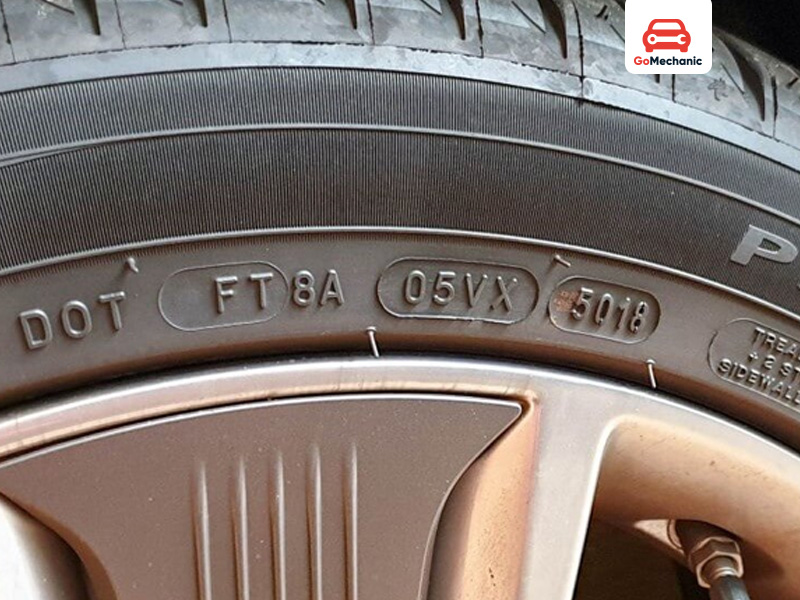
- Tyres manufactured more than 5 years old, according to the date on the manufacturing date on the sidewall (DOT code).
- Hard or brittle rubber.
- Surface cracks or discolorations are visible to the naked eye.
Failing to Replace Tyres on Time can Lead to the Following Significant Consequences:

- Increased Risk: Old tyres not only lengthen the distance traveled before a vehicle stops, but they also reduce grip and increase skidding or hydroplaning possibilities when driving on wet or icy surfaces. Worn tyres also make it more vulnerable to blowouts that can lead to driving without control at high speed and fatal crashes.
- Extra Charges: Usually, delay in changing tires causes accidents that incur very high hospital bills, damages critical components, such as the suspension and brake systems, may consume more fuel for higher rolling resistance to make up for the lack of timely tyre replacement, and thereby lead to costs that far outweigh the costs of their timely replacement.
- Punishment by Law: There are strict laws concerning the depth of tyre tread in many jurisdictions, mostly stating a minimum of 1.6 mm. Driving with any tread thinner than this can attract very lofty fines, penalties in points on your driving record, and possibly impounding the vehicle, becoming an issue of legality.
Do Read: Understanding Driving Signs in India
- Decreased Vehicle Performance: Bald or unevenly worn tyres diminish the handling and stability of a car, especially in sharp turns, while braking, or sudden maneuvers, which will compromise driving comfort and confidence altogether.
How to Choose the Suitable Tyre for Suitable Driving Conditions

One must consider several factors when choosing the proper tyre for a sustainable life of the car tyre:
- Driving Terrain: Off-road or all-terrain tyres for rugged roads, and high-performance tyres for highways.
- Weather: Summer tyres for hot temperatures, winter tyres for snow, and all-season tyres for moderate conditions.
- Load Index: Tyres must conform to the weight and speed rating set by the manufacturer.
Follow These Steps to Ensure Healt h of your Tyre
-
Measure the Depth of Treads
Tread depth gauge or even a coin can measure the depth of grooves. Make sure the tread depth is more than 0.5 cm for good traction.
-
Inspect for uneven Wear
Examine the treads: measure the tread depth along the width of the tyre. If any part wears down much more than the others, it would indicate something’s wrong with your alignment, inflation, or suspension.
-
Check Tyre Pressure
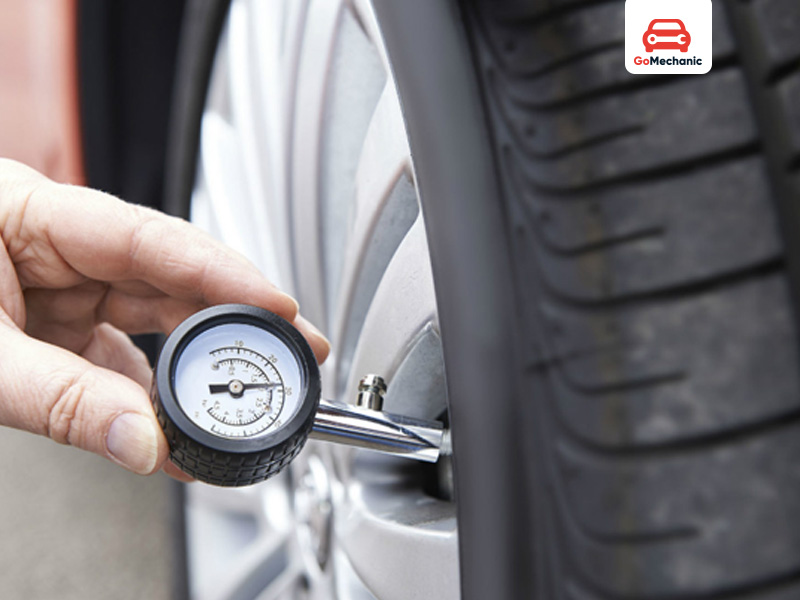
Use a reliable tyre pressure gauge to check how well the tyres are inflated. A reference for the recommended pressure should be in the manual of the vehicle. Tyres usually lose air often; they may need repair or replacement.
-
Examine Sidewalls
Look and observe if there are markings of crack, cuts, bulges, and bubbles; since damage to the sidewall destroys the structural integrity, damages will require an immediate repair.
-
Look for Punctures or Cuts
Check for embedded substances, such as nails or glass pieces, within the tyre’s surface and the ones that show signs of cuts or punctures. If unnoticed, these will cause an air loss, resulting in total tyre failure.
-
Check Tyre’s Age
While the date and year of manufacture can also be found in the last four digits of the DOT code on the sidewall. Any tire that goes without a replacement for 5 years should be replaced.
-
Get Professional Advice
When you notice any signs of tread wear or damage, immediately consult an auto mechanic or a tyre specialist to ensure a thorough check-up and replacement if necessary. A regular inspection would help keep your vehicle safe and improve its running.
Conclusion
Tyres of cars play an important role in the performance and safety of a vehicle. They affect fuel economy too. Car owners should know how a tyre will easily wear out, what influences the life of a car tyre and signs of tyre wear, as well as proper maintenance, all of which will lengthen the life of the tyres while ensuring maximum safety while driving. It is necessary that all these essentials like, periodic inspections, correct usage, etc., along with timely replacements, should be given utmost importance to enjoy smooth and secure trips.


