






The roads of time are paved with stories. Some are loud, chrome-laden, and roaring. Others hum softly, almost as if whispering tales of a bygone era. Vintage cars fall in the second category. They’re not just vehicles. They’re bookmarks in history, frozen moments of design and engineering that remind us where we’ve come from. Globally, these cars are symbols of progress, but in India, they carry a unique layer of cultural nostalgia. They’re stories of palaces and dirt roads, of Maharajas and middle-class revolutions.
And yet, many of us misunderstand vintage cars. Are they antiques? Or classics? What makes a car vintage? Are they even legal? It’s simple if you look closely, but it takes a journey of sorts to truly understand.
Decoding the Past
Classic Cars
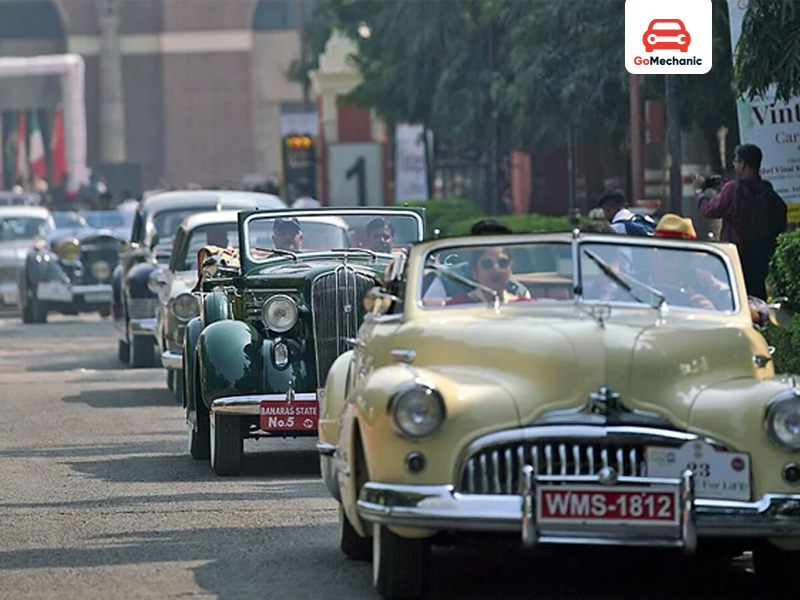
Defined by age, classics are cars that stand as monuments to the era they were built in. Globally, a classic is anything older than 20 to 25 years. Think of the Ford Mustang from the 80s or the Honda Civic from the 90s. Sleek designs, memorable engines, and stories galore.
Antique Cars
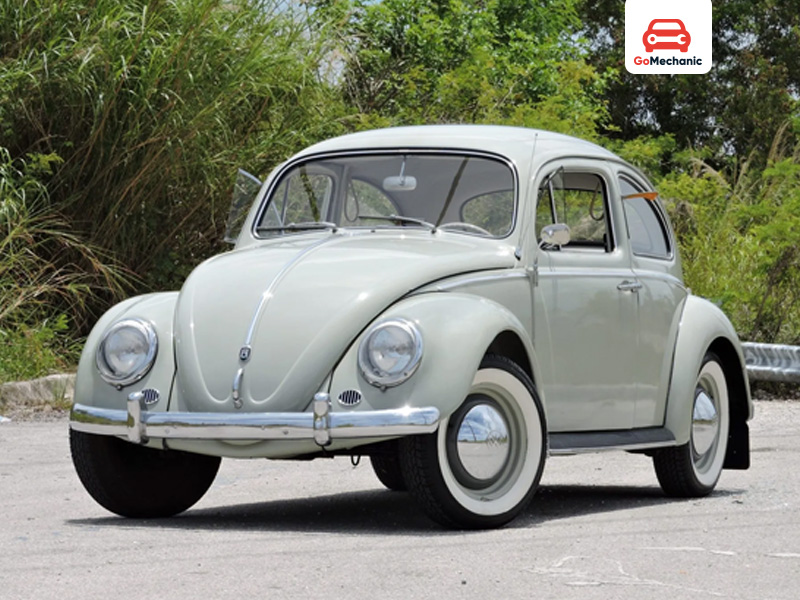
Antique status demands more time—at least 45 years under its hood. These are the elders of the automotive family. Picture the 1960s Volkswagen Beetle, quirky yet undeniably charming. Made for a slower world, these cars are snapshots of simpler times.
Vintage Cars
Now, this is where it gets intriguing. The term vintage has no universal age stamp, but in India, anything older than 50 years wears the vintage badge. These are machines older than independent India itself. They carry an elegance, a distinct sense of presence, that modern cars just cannot mimic.
History of Vintage Cars in India
Before Independence
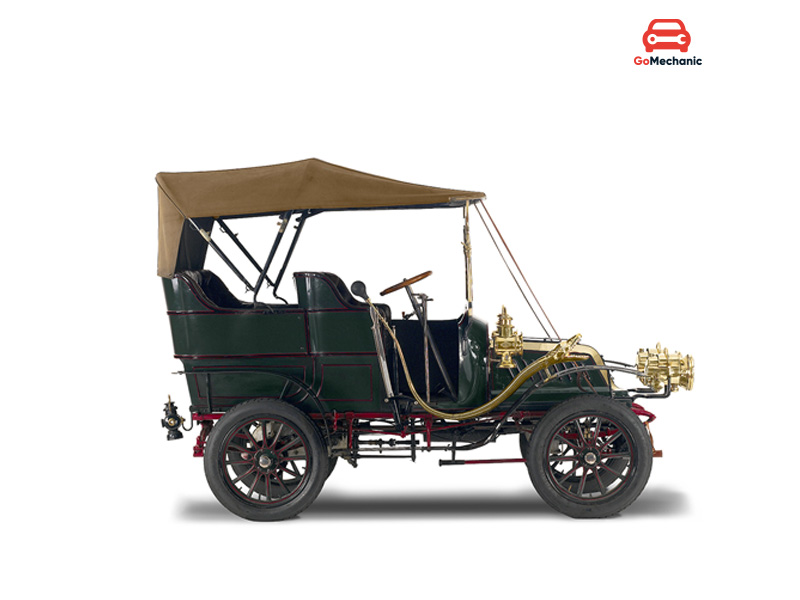
The first cars arrived in India in the late 19th century, turning heads in streets otherwise filled with bullock carts. Maharaja Rajinder Singh famously owned a De Dion Bouton in 1892, possibly the first car on Indian soil. Soon, royalty and industrialists—like Jamshedji Tata—brought their own luxury rides, making the car a symbol of status.
After Independence
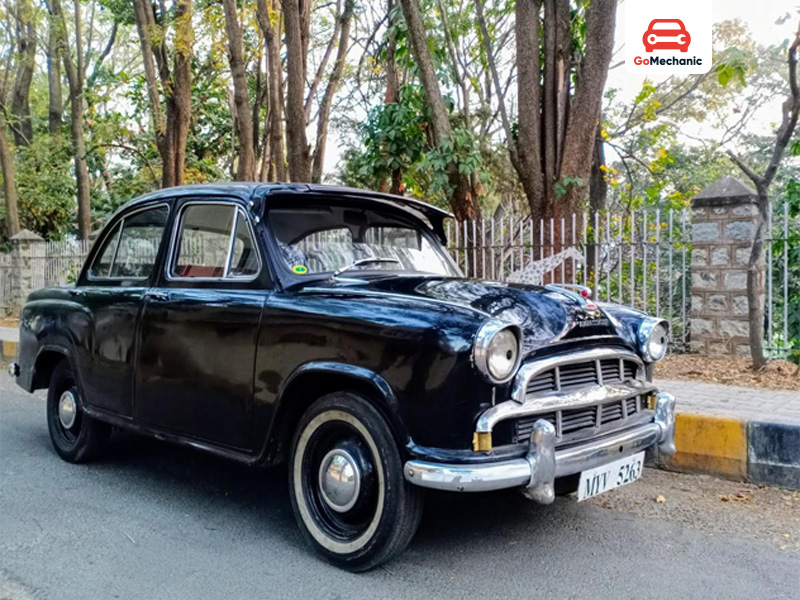
Post-1947, Indian roads saw a mix of indigenous models like the Hindustan Ambassador and imported classics. These cars, though built for function, later earned their vintage stripes. The 50s and 60s became an era of experimentation, with some models like the Premier Padmini and Contessa becoming icons.

This wasn’t just metal and machinery, it was memory. Born in 1957, the Ambassador graced roads for over half a century. Its rounded silhouette became a silent witness to history, ferrying prime ministers and pilgrims alike. The curves were conversations, its backseat was a travelling office for India’s bureaucrats. In Bollywood frames, it stood still as the world around it swayed. By 2014, it rolled away, leaving echoes of an era that knew no rush.
2. Premier Padmini

The Padmini wasn’t merely a car; it was Bombay’s restless rhythm. Crafted from 1964, its compact charm zipped through the chaos, carrying dreams of the everyman and the elegance of movie stars. This Italian soul, with a body born for narrow lanes, whispered freedom to middle-class families. It danced and, in movies like Taxi No. 9211, immortalized a city’s swagger.
3. Hindustan Contessa

The Contessa,.from 1984 to 2002, gave India a taste of indulgence. Wide seats, soft touches, a luxury sedan with the presence of a foreigner and the heart of a local. It was the kind of car you’d see rolling into a club parking lot, announcing success without shouting it. Today, when one crosses your path, it’s not envy you feel. It’s awe, quiet and understated.
4. Standard Herald

There was something about the Herald, a car that seemed to tip its hat every time it turned a corner. Built between 1961 and the 1980s, it wasn’t just made for Indian roads, it understood them. Parked under banyan trees or outside colonial bungalows, it carried an old-world charm. Not ostentatious, not ordinary but a balance so rare, it became a status of subtlety.
5. Jaguar Mark 2

The Mark 2 didn’t just turn heads; it left trails of admiration. Imported luxury from 1959 to 1967, its form was as fluid as a dancer’s, its interiors—a cocoon of grace. It wasn’t just driven; it was escorted to soirées and soirées alike. On hill station roads, its engine hummed poetry. This wasn’t a car you bought; it was a companion you chose.
6. Hispano Suiza H6

Imagine owning a piece of starlight; the Hispano Suiza H6 was its earthly equivalent. Rare, regal, and roaring at 130 km/h when most cars barely dreamt of such speeds. This wasn’t transportation; it was transcendence. Royals claimed it as a throne, its presence commanding reverence. In India, it was seen sparingly, a phantom of privilege that whispered exclusivity in its growl.
7. Jaguar XK150

The XK150 wasn’t just made to drive; it was made to fly low. A car born in the arms of motorsport, where speed was the language and beauty was the punctuation. It slipped onto Indian roads like an unexpected melody, leaving trails of gasps. Sundays belonged to it, a streak of red or silver on the horizon, as the adventurous elite stole moments of freedom.
8. Mercedes-Benz 300 SL Roadster

The 300 SL was sculpted, not manufactured. It stood still and moved at the same time. With gullwing doors that opened like an invitation to dreams, it redefined aerodynamics. Built for power and prestige in 1958, it touched 260 km/hr. A speed that wasn’t just fast, but freeing. In India, its rare appearances whispered stories of collectors who understood that luxury was a matter of engineering, not excess.
9. Maruti 800

If vintage cars were a playlist, the Maruti 800 would be the hit song everyone remembers the lyrics to. Introduced in 1983, it rewrote what owning a car meant in India. Not luxury, not flamboyance. Just the pure joy of having something to call your own. Affordable, compact, and reliable. It was the heartbeat of a nation learning to dream big in small, affordable steps. Even today, a sighting feels like a reunion with simpler times.
The Cultural Value of Vintage Cars
Vintage cars are not just machines. They are moments frozen in steel and chrome. To own one is to cradle a fragment of time. Like the Jaguar XK150 or the Mercedes-Benz 300 SL Roadster, where post-war ambition became a moving masterpiece. These weren’t just cars. They were dreams, stitched with innovation and design, rolling through history.
And then, there’s the Maruti 800. Maybe not vintage by definition. But pause. Look closer. It wasn’t just a car. It redefined aspirations for India’s middle class. Affordable. Dependable. A quiet revolution on four wheels.
Valuing the Past: What Determines the Price of a Vintage Car?
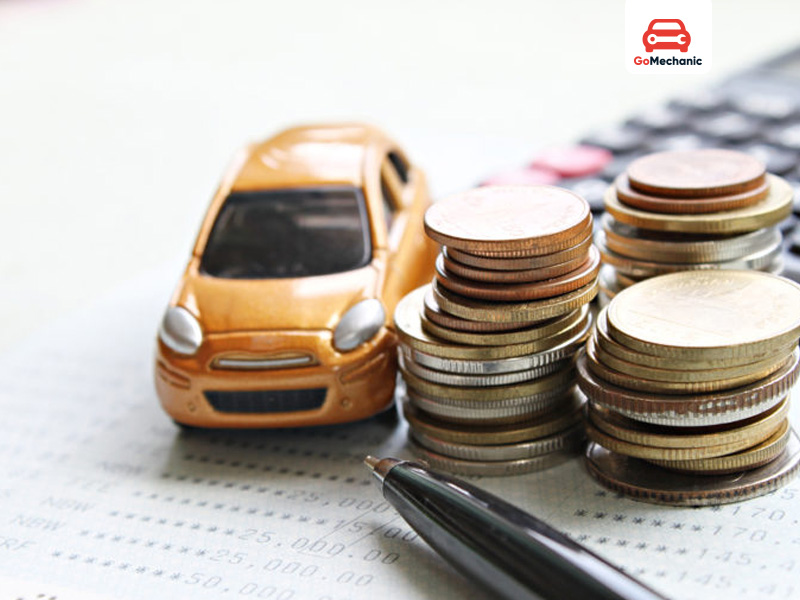
Money buys the metal, the engine, the wheels. But value? That’s the soul of a car, and it comes from the life it has lived. A vintage car doesn’t breathe its worth through horsepower or mileage. Its the story that matters, through the years it has survived.
History, rarity, condition. This trio decides the worth of these machines. In India, the price of nostalgia can begin at ₹1 lakh for a Hindustan Motors or Premier classic. But the imported ones—Jaguar, Mercedes-Benz, or even a rare Hispano Suiza—speak a different language. ₹30 lakh, ₹50 lakh, and sometimes, in hushed reverence, a crore or more.
Owning is one thing. Preserving is another. You don’t merely park a vintage car. You tend to it, like a fragile manuscript. Each bolt, each scratch, is a testament to its journey. And in your hands, it isn’t just a car—it’s a keeper of time.
Vintage Car Rallies in India
Rallies and car shows are where these vehicles shine. These events are more than exhibitions. They’re moving museums, preserving a love for machines from an era gone by.
The Statesman Vintage Car Rally in Delhi isn’t just an event; it’s a spectacle. Cars arrive polished to perfection, each telling its own tale of restoration and survival.
Mumbai’s CVI Vintage Car Fiesta is another hub for enthusiasts. It’s not just about looking; it’s about connecting. Owners, historians, and curious onlookers gather, sharing stories over the hum of idling engines.
Laws Governing Vintage Cars in India

If the call of a vintage car pulls at your heartstrings, know this, it comes with rules. The 2021 amendment to the Central Motor Vehicle Act says a car that has aged 50 years or more earns the title of ‘vintage.’
But don’t get too excited. You can’t modify it or dress it up into something it was never meant to be. This isn’t your everyday commute. These cars are meant for exhibitions, rallies, and the rare, indulgent drive.
You’ll need to register it—₹20,000 upfront. That buys you 10 years of legitimacy. After that, ₹5,000 for each renewal. The process? It’s all there, online or at your RTO.
Restoring Time: The Effort to Preserve Icons

Preservation isn’t just grease and wrenches. It’s heartwork. Restoring a vintage car feels like pulling threads from history, stitching together memories. Every scratch whispers a tale. Every dent, a pause in its journey.
Think of the Hispano Suiza H6, regal even in rust. Or the Standard Herald, a testament to simpler times. Restoring them isn’t just about parts. It’s about honor. And look at the Maruti 800, edging into the vintage light. It’s not just a car anymore. It’s nostalgia on wheels, kept alive by hands that refuse to forget.
The Road Ahead: Future of Vintage Cars in India
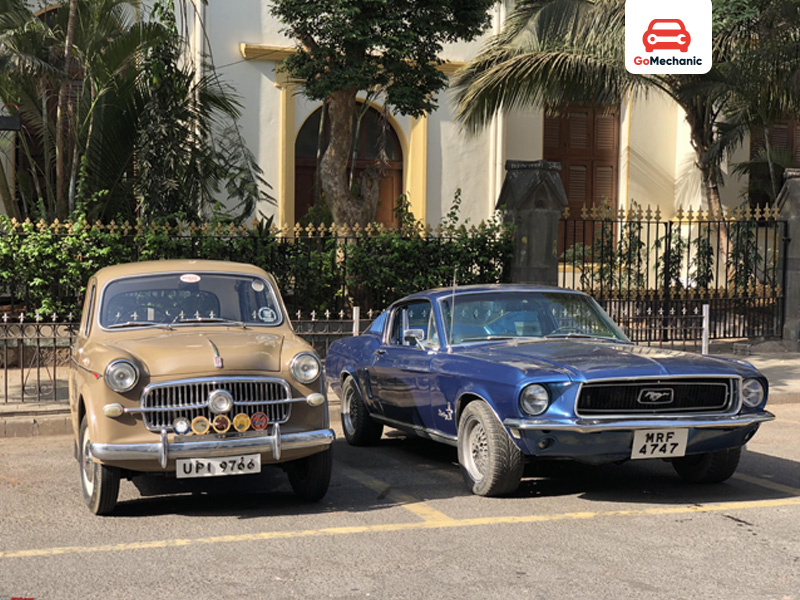
The vintage car scene in India is shifting gears. There’s a growing interest in importing classic models, as collectors look beyond Indian borders. At the same time, relatively recent models like the Tata Sierra, Honda City, and Maruti Suzuki Zen are being eyed as future classics.
These cars might not be vintage yet, but they’re on the cusp. In a few decades, they’ll carry the same aura as the Ambassadors and Padminis of yesteryears.
The Legacy Lives On
A vintage car isn’t just metal and mechanics. It’s a whisper from the golden times, a pause to see where the road began. India’s affair with these old souls continues steady and unbroken. The rallies, the meticulous restorations, and the government’s support. These are all a quiet rebellion against forgetting.
And the future looks bright. It waits, as it always does. Today’s modern automotive will soon wear the patina of time and step into their own vintage class. More tales will be carried forward, and more dreams will hitch a ride. Vintage cars aren’t memories frozen. They are stories still moving, wheels turning toward tomorrow.
FAQs About Vintage Cars in India
1. What’s the cost of registration?
₹20,000 initially, ₹5,000 for renewal.
2. Is it legal to own a vintage car?
Absolutely. The 2021 amendment made it clear.
3. Can you import a vintage car?
Yes, but it’s a process.
4. Can you drive it daily?
No, usage is restricted to special occasions.
5. How do you register a vintage car?
Through the RTO or Parivahan Sewa portal.
6. Is vintage car legal in India?
Yes, vintage cars are legal in India. But they need to be registered under the vintage category. They can’t be used for daily commutes, only for exhibitions and rallies.
7. Which vintage cars are available in India?
India has many classics still alive. Models like Hindustan Ambassador, Premier Padmini, old Mercedes and Fiats, even some vintage Rolls-Royces are found here. Many are privately owned or restored.
8. Can a 20 year old car be registered in India?
Yes, it can, but not as a vintage. A 20-year-old car falls under the old vehicle category. If fitness tests are cleared, it can stay on the road, otherwise it’s restricted.
9. Who is eligible for vintage cars?
Any car lover can own one, as long as the car is 50 years or older. Owners must apply for vintage registration with the RTO. Once approved, the car gets its special status.
10. Which car is very rare in India?
The 1947 Rolls-Royce Silver Wraith is one example. Certain old Cadillacs and Dodge Kingsways are also rare. These cars are prized not just for their age, but for how few survive today.


