






A sparsely worded newswire release was issued on May 22, 1963: “Ford Motor Company and Ferrari wish to indicate, with reference to recent reports of their negotiations toward a possible collaboration, that such negotiations have been suspended by mutual agreement.” This is the official statement released publicly after the failed deal between Ford and Ferrari and the beginning of ford and ferrari to Ford vs Ferrari, the unforgettable clash between two well-known automobile companies, which changed racing history forever, and the origin of the greatest racing car of all time—the Ford GT40. It’s not just a racing car; it’s a symbol of courage, payback, and engineering excellence. The Ford GT40 is a mid-engine racing car crafted by Ford Motor Company. The main motto of the Ford GT40 car was to beat Ferrari. This blog explores the history of the Ford GT40 car that dethroned Ferrari and made history at Le Mans.
The Birth of a Legend
The history of the Ford GT40 car, or the birth of the Ford GT40 car, was an interesting story. Let’s take a look. In the early 1960s, Ford sought to build a performance image. After a failed attempt to acquire Ferrari, Ford decided to create its own race car to challenge the Italians on their turf.
Ford’s Failed Ferrari Deal
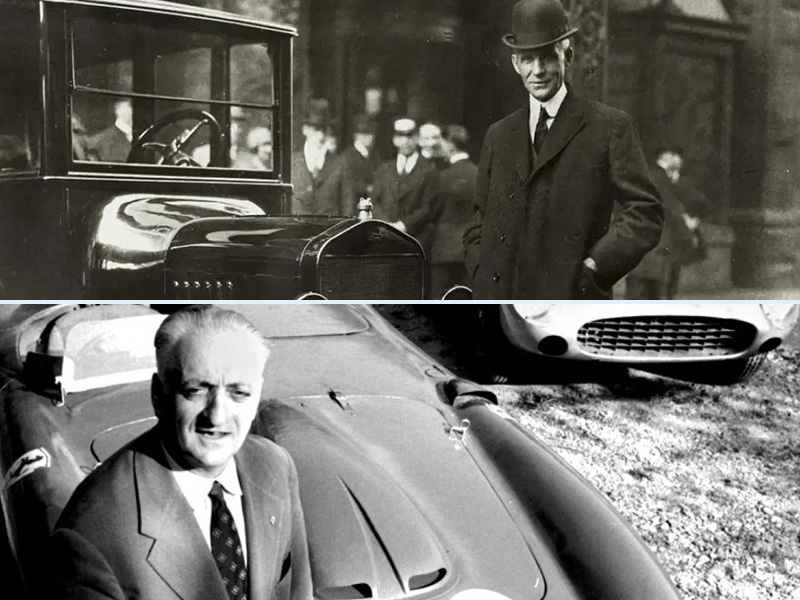
In 1963, Henry Ford’s Motor Company attempted to purchase the legendary Italian automaker Ferrari to boost its fame and dominance in motorsports. Negotiations between Henry Ford and Enzo Ferrari regarding the Ferrari deal progressed significantly. In spite of that, at the last moment, Enzo Ferrari suddenly walked away, unwilling to surrender control over Ferrari’s racing division in the deal. This unexpected move by Enzo Ferrari started the rivalry between the companies. The failed deal not only marked a time when a deceptive change in automotive history occurred but also sparked Ford’s determination to defeat Ferrari at Le Mans, ultimately resulting in the creation of the iconic Ford GT40 car.
The priciest Honda Car in India in 2025 is the Honda City Hybrid eHEV. The estimated cost of the above facility is the Honda City Hybrid HEV at ₹19 Lakh to ₹20 Lakh, approx.
The Creation of the GT40
The flurry of negotiations between the companies had ended, but Ford’s desire to become a player in performance motorsports remained strong. A month later, in the history of the Ford GT40 car, the High Performance and Special Models Operation Unit was formed with the mission to design and build “A racing GT car that will have the potential to compete successfully in major road races such as Sebring and Le Mans.” The unit’s resulting work, the GT Program book, circulated, which contained the initial design concepts for the GT40. The high-performance team included Ford’s Roy Lunn, who had already developed a preliminary design, along with Carroll Shelby and a few other Ford officials.
As project engineers, they chose Eric Broadley, whose Lola GT was considered groundbreaking, and John Wyer, who had won Le Mans with Carroll Shelby driving for Aston Martin as the race manager. With ten months until the 1964 race, a workshop was established in Broadley’s garage in Bromley, south of London. But when established as Advanced Vehicles, they moved the operations to Slough. When the remaining cars arrived at Shelby’s workshop in Los Angeles in December, Ken Miles, Shelby’s developmental driver, got to work on them. The team began to test the aerodynamics with both the aid of a computer installed by Ford Aeroneutronics and the old-fashioned way with yarn taped to the cars on both the track and in the Dearborn wind tunnel.
They gained up to 79 horsepower as Shelby America engineer Phil Remington rearranged ducting to change airflow. The changes continued as lighter-weight fiberglass replaced heavier aluminum and steel, and wider magnesium wheels replaced the wire-spoke version along with a hundred other modifications. Suddenly, the GT40 began to not only look like a racing car, but to perform like one. And here they go, they were ready with their beast, the car’s name comes from its low profile. The Ford GT40 car.
Le Mans Victory: 1966–1969
After struggling with forming the model or after facing many failures, Ford was ready with the Ford GT40 to rock the track. These tables provide you with a brief about the Le Mans victory:
| 1966 |
|
| 1967 |
|
| 1968-1969 |
|
Legacy of the GT40 car
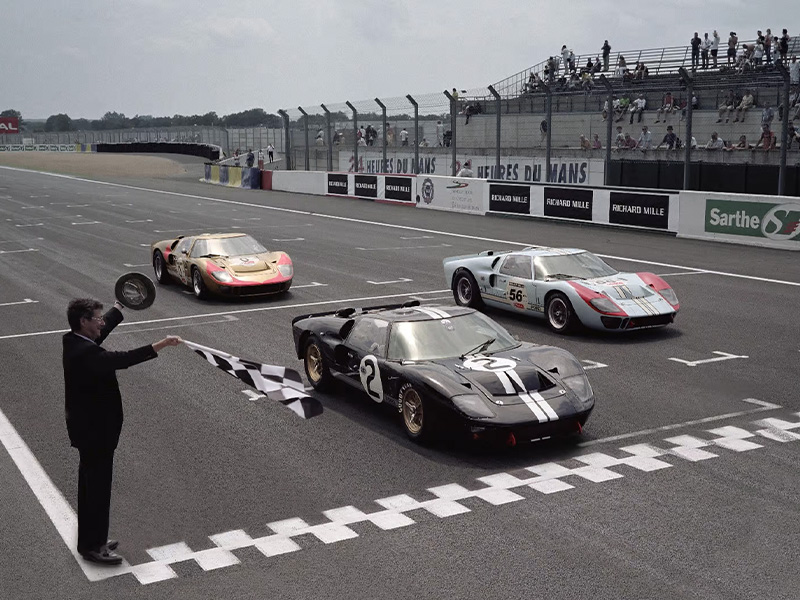
After defeating the Ferrari, Ford became an unforgettable chapter in the automobile world. The Ford GT40 car won from 1966 to 1969, rewriting the history of racing tracks. With these victories, Ford ends the dominance of Ferrari on the tracks but also represents the capabilities of American engineering on a global level. The GT40 became a symbol of pure excellence with crafty and rivalry-driven excellence. The success of Ford inspired generations of car design and reshaped the Ford image as a strong and serious competitor at an international level. After such a long time, the GT40 still remains a legendary icon; it is still visible in modern Ford vehicles, and the prime example is the modern Ford GT40 supercar.
Give it a try: Ford Mustang | 56 Years Of American Muscle
The Modern Ford GT40 Revival
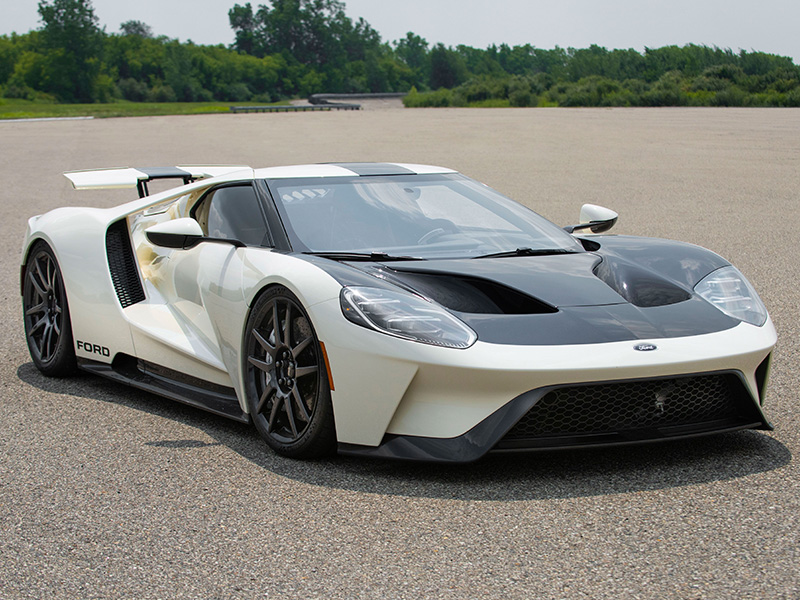
Decades after its legendary run at Le Mans, Ford revived the GT again with a modern exposition that honored the original’s legacy while increasing technological limits. The modern Ford GT40 was launched in 2005 and again in 2016. The teardrop shape of the Ford GT40 is the result of extensive work in the wind tunnel. Its carbon-fiber body and its 660-horsepower 3.5L EcoBoost V6 engine are the ultimate expressions of technological innovation. The modern Ford provides you an experience of the legendary Ford GT4040 with an updated version. The modern GT not only paid tribute to the original but also proved that Ford could still compete and win on the world’s biggest racing stage. In short, it proved its dominance on track once again with the modern Ford GT40.
Conclusion
The Ford GT40 car wasn’t just a racing car; it’s the prime exemplar of American engineering, with the attitude of doing everything to achieve the objective or reviving history in its own time. Its story remains one of the most iconic paybacks and victories in motorsport. Maybe the car comes into existence because of personal grudges between two companies, but it provides one of the best sports cars in the world. The GT40 didn’t just challenge Ferrari; it defeated them on the world’s biggest racing track, the track they had ruled for a very long time: Le Mans. It redefined what American performance could achieve and put its name into motorsport history. Its legacy continues today through the modern Ford GT40 car, proving that Ford’s commitment to performance, sharp crafting, and dominance on the track is far from over. The Ford GT40 car is a timeless icon.
Read this too, Ferrari Upcoming Cars in 2025: Price, Specs, Launch & Models in India
FAQs
- Which car would I choose, the Ferrari or the Ford?
Ferrari and Ford both have their pros and cons. It depends on the user what he wants to drive. If you want to experience pure thrill, go with Ferrari, or if you want to experience stability with speed, go with Ford. Ferrari is a bit expensive and has limited production units. On the other hand, Ford is affordable in comparison to Ferrari and has unlimited production units.
- How many GT40s still exist?
Even though it’s a little difficult to estimate how many original GT40s are left, it’s thought to be at least 100. If you want to spot them, you can find them in museums, private collections, and some racing events, too.
- Are Ford and Ferrari rivals?
Yes, we can say Ford and Ferrari are rivals like every other automobile company, fair and positive rivals, which inspire each other to do more improvements in the industry and provide quality to customers.
- Was the Ford GT40 launched again after 1960?
Yes, after 1960, the Ford Motor Company relaunched the modern Ford GT40 with the same engine but with better functions and speed. The modern Ford GT40 was launched in 2005 and again in 2016.


