






Kawasaki bikes have a well-deserved reputation for thrilling power and sporty performance. Models like the Ninja H2R and the popular Z series are examples of such. However, even these impressive bikes aren’t perfect. With time and usage, certain problems tend to appear across various Kawasaki models, causing frustration and difficulties for owners. This guide brings together information on such problems from official reports, recall notices, and real stories from Kawasaki riders to clearly explain the most frequent issues and provide proven, practical solutions, so that you can stay ahead of the Kawasaki Bikes common problems.
Analysis of Kawasaki Bikes Common Problems
1. Electrical Glitches & Component Annoyances:
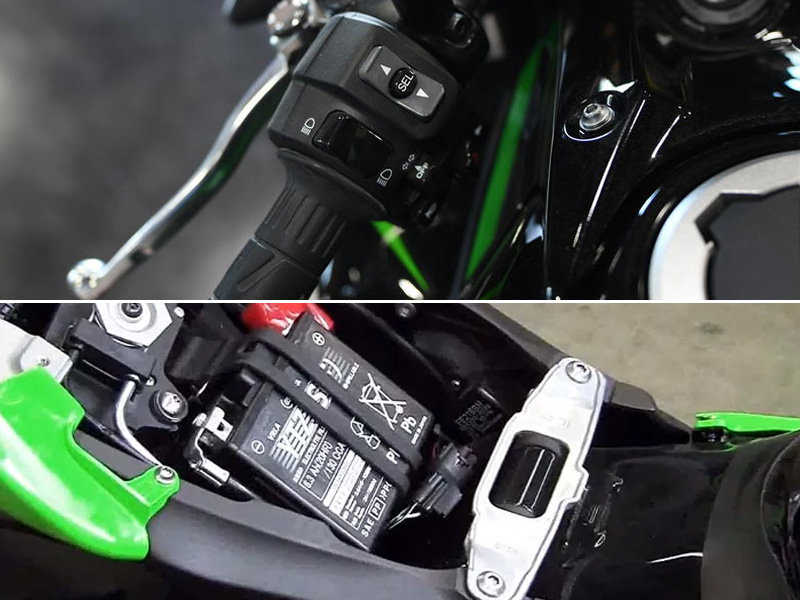
A. Electrical Issues (Starting Issues, Battery Drain):
One of the most common Kawasaki bikes common problems faced by its owners is electrical problems. The symptoms include the bike refusing to start randomly, the battery going out much faster than it should (even overnight), or headlights/dash lights flickering dimly. However, the root cause almost always lies within the three parts that generate and manage electricity – a weak or dying battery (they typically only last 3-5 years), a failing stator (the part inside the engine that generates power when running – if it dies, it doesn’t charge the battery) or a faulty rectifier/regulator. Corroded or dirty electrical connections make all these problems worse.
Here’s what you can do to prevent it:
- Invest in a simple multimeter.
- Keep the battery terminals spotlessly clean and lightly coated with dielectric grease to prevent corrosion.
B. Rough Idle and Increased Vibrations:
Vibration of the engine while running for a long time is another of the Kawasaki bikes common problems, especially at low speeds. The speed also might drop too low or increase up and down, causing the bike to stall, particularly in traffic. Dirty fuel injectors or throttle bodies and worn-out engine mounts are the main problems. Using lower-octane fuel than recommended can make this problem happen faster and worse.
Practical Solutions & Prevention:
- Get the throttle bodies and fuel injectors professionally cleaned regularly – this removes built-up gunk.
- Always use the octane fuel recommended for your bike as it helps keep the engine cleaner and running smoother.
You might find this interesting – 2025 Kawasaki Ninja 650: Price, Features, and Updates
2. Engine & Brake Performance Concerns:
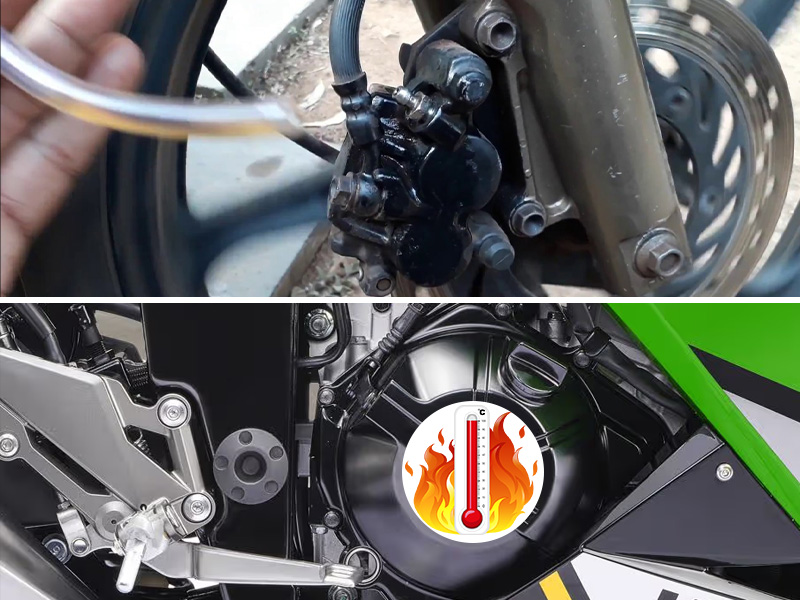
A. Brake Problems:
Owners frequently report brakes that feel soft or “spongy”. This is caused due to worn-out brake pads, tiny air bubbles trapped inside the brake fluid lines, and old, contaminated brake fluid that doesn’t work effectively.
Here’s how you can prevent it:
- Replace your brake pads before they reach the wear indicator grooves.
- Every year, have your brakes “bled”, which means completely flushing out the old fluid and replacing it with fresh DOT 4 fluid. This pushes out air bubbles and moisture that weaken braking power.
- Regularly look at your brake discs: deep grooves, heavy scratches, mean they likely need to be professionally checked or replaced entirely.
B. Engine Overheating:
Engine heating is one of the Kawasaki bikes common problems, faced by many owners. The symptoms of this problem can be coolant bubbling, spilling out of the overflow tank, warning lights flashing on your dashboard, or a clear loss of engine power. The reasons behind this problem are – the coolant level might be too low, the radiator fins could be clogged with bugs, dirt/debris that are blocking air from cooling it, or the thermostat (the part that controls coolant flow) might be stuck closed and not working right. If ignored, it can cause overheating, which might lead to very expensive damage, like bending the cylinder head or blowing the head gasket.
Here’s how you can prevent this:
- Check the engine mounts for cracks or squashed rubber and tighten them to the specified torque.
- Always use the specific type of coolant recommended in your Kawasaki owner’s manual and completely replace it every two years – don’t just top it off.
3. Kawasaki’s Electric Bikes
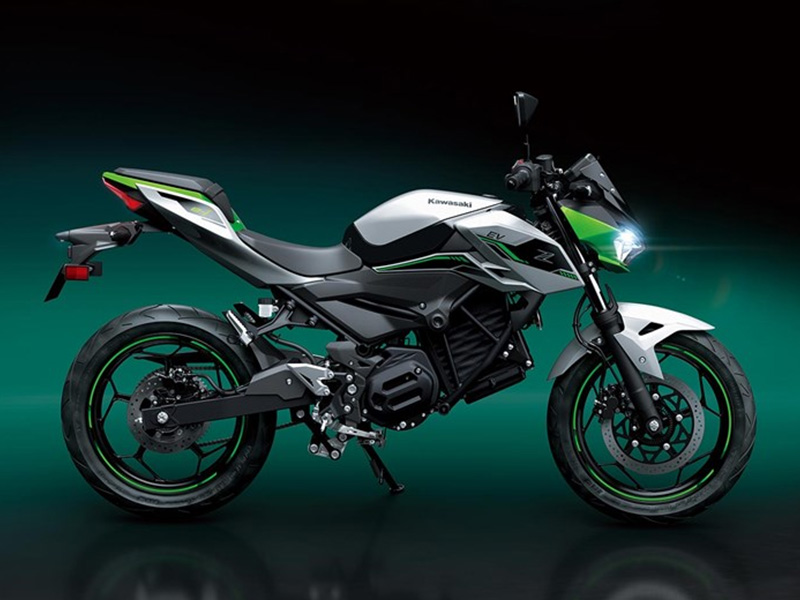
Kawasaki’s first electric motorcycles, impressed reviewers with their solid build quality and attractive starting price. However, their tiny 3.0 kilowatt-hour battery is one of Kawasaki bikes common problems. This battery is split into two heavy 25-pound packs that you have to carry. While Kawasaki claims 41 miles of city range, real-world conditions like hills, cold weather, carrying a passenger, or even a heavier rider can decrease its range to below 30 miles.
Practical Advice: Always plan your route knowing the limited range. The best “fix” for now is patience – Kawasaki has hinted at future electric models with larger battery capacities. Consider these e-1 models as a first step into electric, not a replacement for a gas bike if you need any real distance.
4. Critical Safety Recalls
A. Ninja ZX-6R Sportbikes:
A major recall in June 2025 affects nearly 18,000 Ninja ZX-6R motorcycles worldwide. During assembly, bolts holding a critical part of the crankshaft together were tightened with too much force (over-torqued). This damaged a specific bushing, which then doesn’t get enough oil. The result can be the seizure of bearings (lock up solid) without warning. This causes the engine to instantly lock up, which in turn locks the rear wheel, especially dangerous at highway speeds.
What You MUST Do: Check if your specific motorcycle is included in this recall. Wait for an official notification letter from Kawasaki or your dealer informing you when the repair parts and procedure are available.
B. 2025 KX450 Off-Road Models:
In April 2025, a critical internal gear (the primary drive gear) was found to be defective and prone to breaking unexpectedly while riding. This gear transfers massive power directly from the engine’s crankshaft to the clutch. If it shatters, it causes the entire drivetrain to lock up instantly – the rear wheel will stop dead. At any significant speed, this causes a catastrophic, unavoidable crash.
What You MUST Do: Contact any authorised Kawasaki dealer right away. They will replace the faulty primary gear with a corrected part completely free of charge. Only ride the bike again after this repair has been completed by the dealer.
Others Read – Bajaj Kawasaki Eliminator: Before There Was The Avenger
Conclusion
Kawasaki bikes are thrillers, but they can develop common problems. However, staying proactive with basic maintenance – clean connections, the right fuel/coolant, and fresh fluids – can prevent these Kawasaki bikes common problems. Crucially, don’t skip safety recalls for issues like the Ninja ZX-6R crankshaft bolts or KX450 primary gear; get these fixed free at a dealer immediately – safety first. Be realistic about the E-1 electric’s range too and plan accordingly. Stay informed, keep up the care, and you can focus on the ride.
FAQ’s
1. Are Kawasaki bikes reliable?
Yes, Kawasakis are generally pretty reliable bikes, especially known for their power. But like any machine, they can develop common problems over time – things like electrical gremlins or a rough idle. Staying on top of basic maintenance helps a lot. Just don’t ignore those safety recalls if you get one, those are serious fixes you need done.
2. What is the failure rate of Kawasaki?
The guide doesn’t give an exact failure rate number, you know? But it clearly points out that stuff like electrical issues, brake problems, and overheating pop up pretty frequently for many owners across different models. Seeing big recalls, like the one for 18,000 Ninja ZX-6Rs, also shows that specific parts can fail at a noticeable rate sometimes.
3. Which motorcycle brand is best?
It depends on your preference. However, Kawasakis are awesome for thrills, sure, but they also have their known quirks and recalls. The “best” brand really boils down to what matters most to you – pure performance, ease of maintenance, or something else.
4. Are Kawasaki bikes durable?
They can definitely be durable bikes and last a long time, if you take good care of them. Here’s the thing: if you skip maintenance or ignore warning signs like overheating, it can lead to some major, expensive damage down the road. Stuff wears out. So, using the right fluids, keeping up with servicing, and getting recalls fixed are key for keeping them running strong for the long haul.
Want to know about common bike problems? Read These:
- Suzuki Bikes Common Problems and How to Fix Them
- Yamaha Bikes Common Problems and How to Fix Them
- Honda Bikes Common Problems
- Royal Enfield Bikes Common Problems: An Honest Guide for First-Time Buyers & Riders
- TVS Bikes Common Problems Faced By Customers: Issues & Fixes
- Bajaj Bikes Common Problems Faced By Customers: Issues and Fixes
- Hero Bikes Common Problems: A Model-Wise Guide to Issues and Fixes


