






In the car market today, you see the word turbo almost everywhere. Turbo petrol, turbo diesel, turbo SUVs, and even hatchbacks that come with a turbo. But the real question that stands here is, what is a turbo engine, what does a turbocharger actually do, and should Indian buyers really care about it? Let’s keep it simple. Step by step. By the time you finish this guide, you’ll know how a turbo engine actually works in a car, the kinds of turbochargers you’ll come across, what each brings to the table, what they take away, and a few tips so you don’t kill yours early.
What Does a Turbocharger Do?
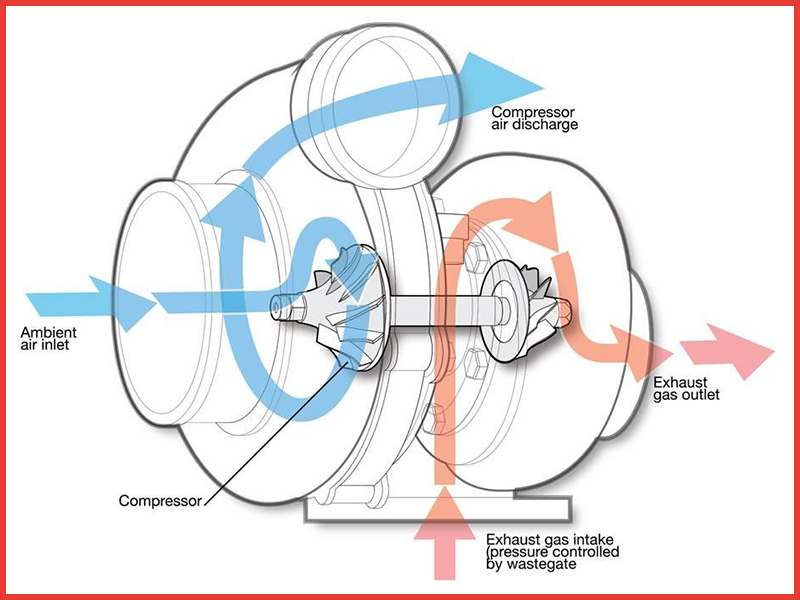
A turbocharger is a small add-on fixed to the engine. Its only job is to help the motor breathe more air than it normally can. Think of a stove flame. Blow on it and it burns stronger even though you did not add more gas. Same thing with a turbo. The exhaust that would have gone out of the pipe is used to spin a turbine. That spin drives a compressor, which pushes extra air into the cylinders. More air means more burn. More burn means more power. Here’s how it works:
- It uses exhaust gases that would normally go to waste and spins a turbine
- That turbine powers a compressor
- The compressor forces extra air into the engine cylinders
- More air means more fuel can burn, and more power is made
- This whole thing is called forced induction. Which is why a 1.0 litre turbo petrol can easily match the punch of a 1.5 litre naturally aspirated engine.
- So when someone asks what a turbocharger does the straight answer is this. It extracts more performance and efficiency from the same engine size.
What is a Turbo Engine in a Car?
A turbo engine in a car is just a regular petrol or diesel motor with a turbo bolted on. Instead of waiting for natural airflow the turbo forces more air in.
That gives you:
- Faster acceleration
- Strong torque for hills and overtakes
- Better fuel efficiency if you drive steady
- Lower CO₂ emissions compared to a larger non turbo
In India you’ll see turbo engines across the board. Small hatchbacks like Tata Altroz iTurbo, compact SUVs like Nexon, Creta, Seltos, and even premium sedans like Skoda Slavia and VW Virtus.
Turbocharger Working Principle
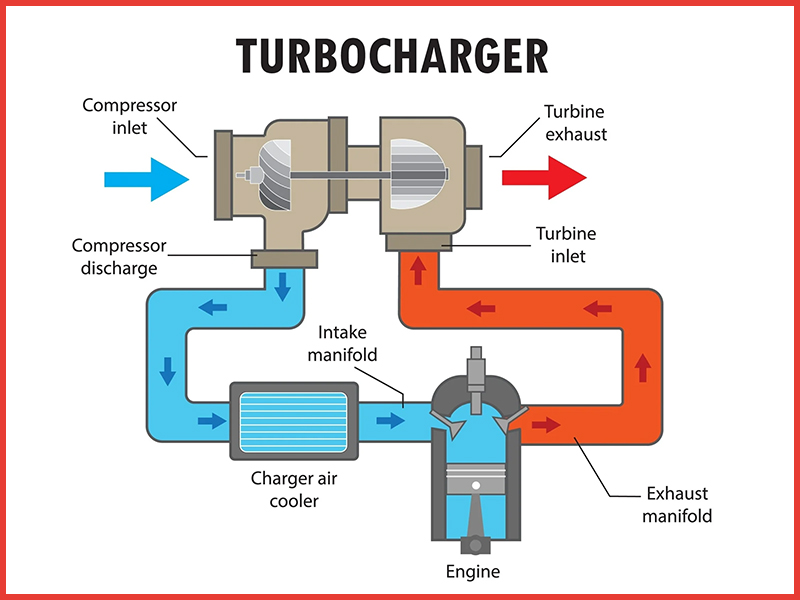
At the core a turbocharger is just two sides joined together, a turbine on one end and a compressor on the other with a shaft running through. The hot exhaust coming out of the engine spins the turbine, that spin travels through the shaft and makes the compressor turn too. The compressor then pulls in fresh air, squeezes it, and pushes it straight into the intake. That’s the boost you feel. Since squeezed air gets hot and hot air is weak in oxygen, an intercooler cools it down so the air becomes dense and rich again. More oxygen means the engine burns fuel harder and cleaner, which gives you more power from the same size engine and sometimes even better mileage. That’s why people keep saying a small turbo feels like a much bigger engine.
Types of Turbochargers (Explained in Detail)
Car makers use different designs depending on the car and the price point.
1. Single Turbo with Wastegate
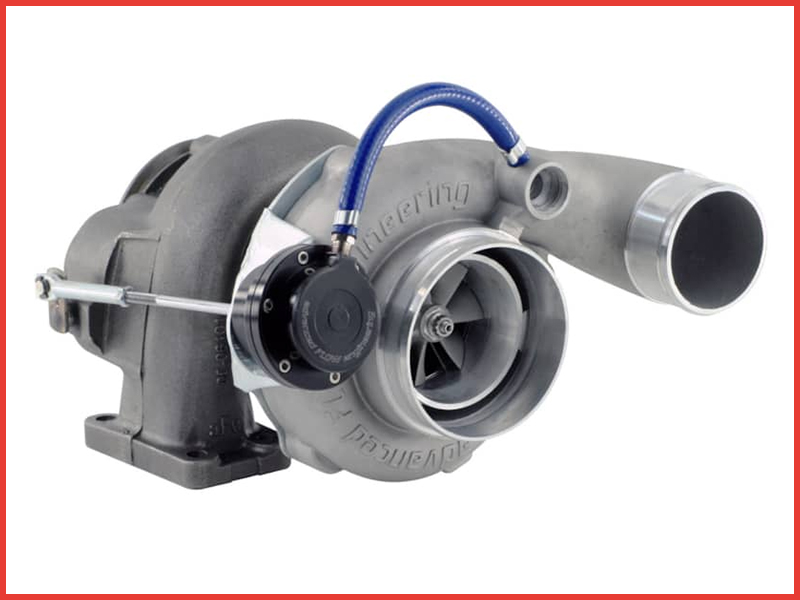
How it works: One turbine and one compressor. A wastegate valve opens when boost is too high.
Where used: Older VW Polo TSI, Maruti Fronx Boosterjet.
Pros: Simple and reliable.
Cons: Turbo lag at low rpm.
2. Twin Scroll Turbo
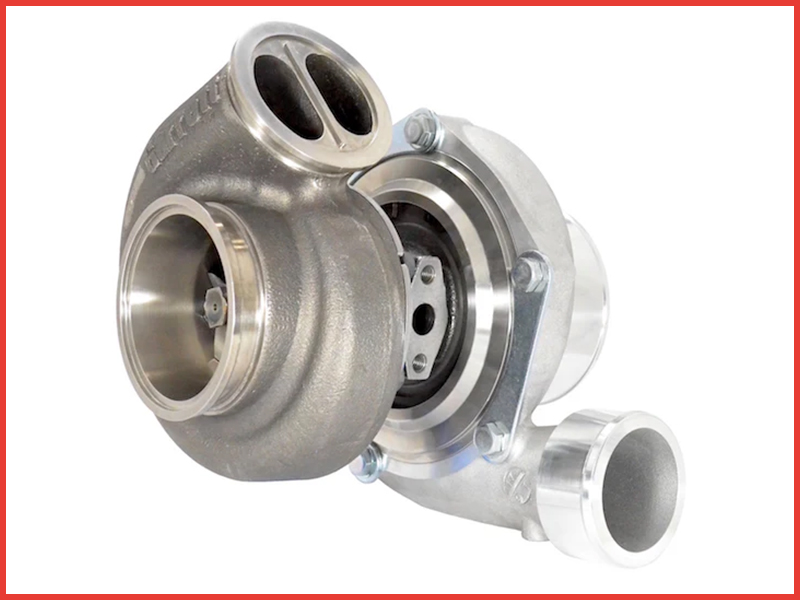
How it works: Exhaust manifold split into two paths to feed the turbine separately. That reduces lag.
Where used: Hyundai Venue, i20 N Line, Kia Seltos.
Pros: Better low end response.
Cons: More complex, costs a little more.
3. Variable Geometry Turbo (VGT)
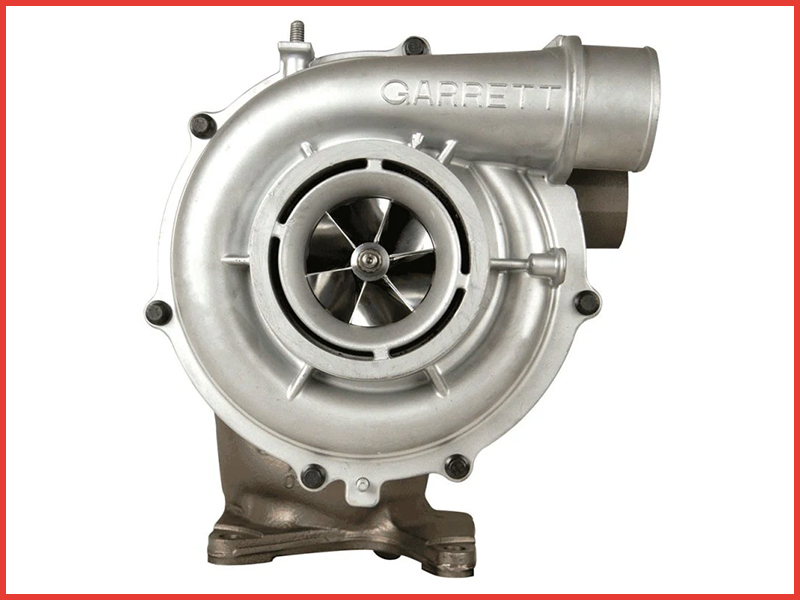
How it works: Adjustable vanes change angle depending on rpm. Narrow at low speed for quick response, open at high speed for more flow.
Where used: Creta diesel, Scorpio N, Tata Harrier.
Pros: Strong torque across the range.
Cons: Expensive to fix, soot sensitive.
4. Twin Turbo or Bi Turbo
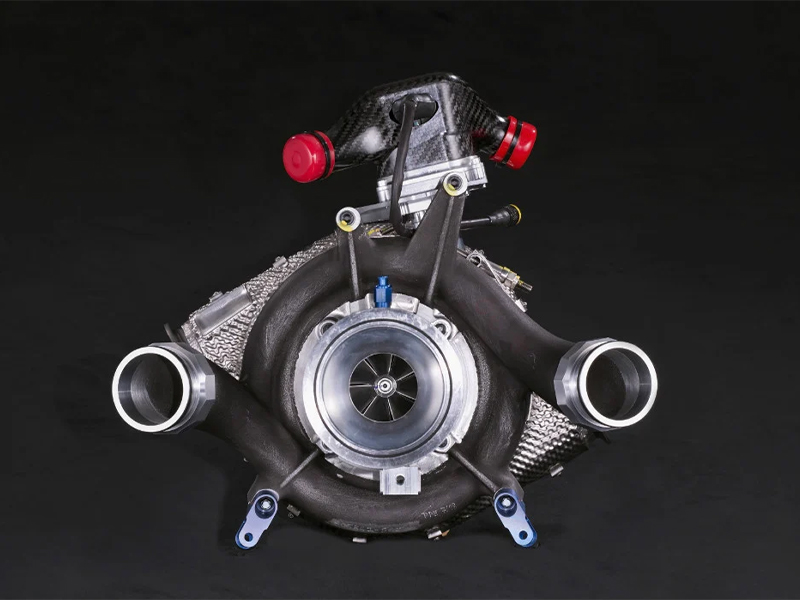
How it works: Two turbos working either in sequence or parallel.
Where used: BMW, Audi, Mercedes diesels.
Pros: Wide powerband, almost no lag.
Cons: Very costly and complicated.
5. Electric Turbo
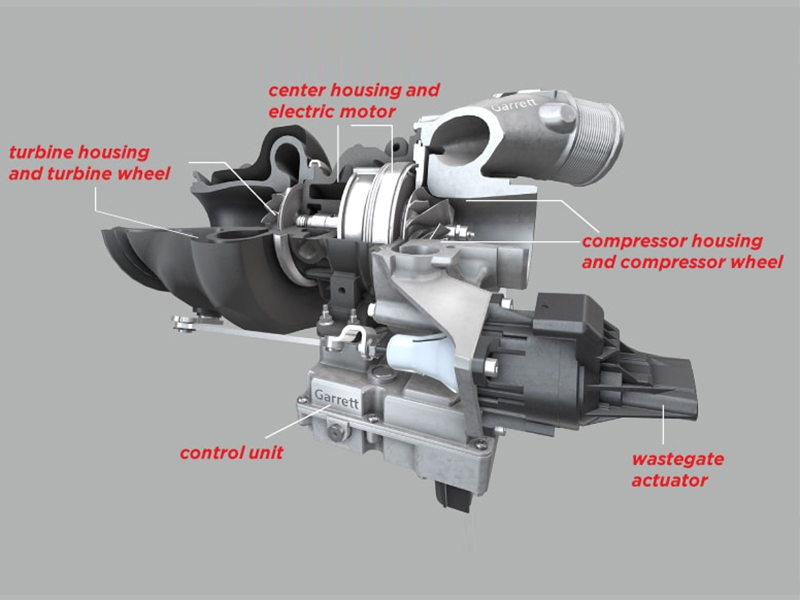
How it works: An electric motor spins the shaft instantly even before exhaust builds up.
Where used: Premium AMG cars, F1 tech, future EV hybrids.
Pros: Instant response, clean emissions.
Cons: Expensive, not common yet.
Advantages and Disadvantages of Turbo Engines
| Advantages of Turbo Engine | Disadvantages of Turbo Engine |
| More power from smaller size | Turbo lag in some models |
| Better mileage potential | Sensitive to fuel quality |
| Lower CO₂ emissions | Higher maintenance needs |
| Strong torque for overtaking | Repairs can be costly if neglected |
| Meets BS6 emission norms | Less linear than NA engines |
Turbo Engine vs Normal Engine
To really understand the difference, here’s a simple comparison:
| Feature | Turbo Engine | Normal (NA) Engine |
| Power Output | Higher from same displacement | Lower, needs bigger engine |
| Fuel Efficiency | Good but drops with hard driving | More consistent |
| Engine Size | Smaller and lighter | Bigger for same power |
| Driving Feel | Punchy and exciting | Smooth, linear |
| Maintenance | Needs timely care | Cheaper, simpler upkeep |
| Life Span | 1.5–2 lakh km with care | Often runs longer with less care |
| Repair Costs | Expensive if turbo fails | Cheaper repairs |
If you want to know how car engines work you can read here.
Turbo Engines and E20 Fuel in India
India is shifting to E20 petrol. Ethanol has less energy and attracts moisture. Turbo engines because of higher cylinder pressures lose around 3 to 6 percent efficiency on standard fuel.
But turbos adapt better with higher octane petrol like XP95 or Power99. They run smoother and recover some mileage.
For buyers it means turbo engines will remain future proof if you combine them with the right fuel and regular care. Read E20 Petrol PIL Rejected: What It Means for Vehicle Owners for having a better idea about the E20 petrol.
Turbo Petrol vs Turbo Diesel
Both have their strengths, but they suit different buyers.
| Feature | Turbo Petrol | Turbo Diesel |
| Drive Feel | Rev-happy, responsive | Strong low-end torque |
| Mileage | Moderate to good | Higher, especially on highways |
| Fuel Sensitivity | Needs higher octane for best results | Sensitive to DPF clogging |
| Best For | City + mixed use | Long highway drives & SUVs |
| Noise & Vibration | Quieter | Louder, heavier feel |
Turbocharger Life Span and Maintenance
With proper care most turbos last 1.5 to 2 lakh km, sometimes longer, but only if you treat them right. The biggest killers are dirty oil, clogged filters, and ignoring DPF regeneration in diesels, all of which slowly choke the unit. The simple way to keep it healthy is sticking to service intervals, especially oil and filters, avoiding hard acceleration when the engine is cold, letting it idle for half a minute after long highway runs, and changing air filters on time because dust is brutal in India. For diesel owners, don’t skip DPF warnings, an occasional highway stretch helps clear soot and keeps the turbo breathing free.
Popular Turbo Engines in India
- Maruti 1.0 Boosterjet (Fronx)
- Tata 1.2 Revotron Turbo (Nexon, Altroz)
- Hyundai-Kia 1.0 & 1.5 Turbo GDi (Venue, Creta, Seltos, Verna)
- Volkswagen-Skoda 1.0 & 1.5 TSI (Slavia, Virtus, Taigun, Kushaq)
- Mahindra 1.2 TGDi mStallion (XUV 3XO)
- Diesel VGTs in SUVs (Creta, Harrier, Scorpio-N, XUV700)
Should You Buy Turbo or Naturally aspirated NA?
This is the real question most buyers end up asking. Turbo engines are smaller, lighter, and give you that sudden punch of power when the boost kicks in. Great for quick overtakes, climbing hills, or just enjoying a spirited drive. But they need clean fuel, regular servicing, and a bit of care, skip that and they get expensive fast.
Naturally aspirated (NA) engines are the old school choice. No turbo, no forced air, they just breathe on their own. They’re simpler, smoother, and easier to maintain. Power delivery is linear, so you don’t get the same thrill but you get predictability. And if you plan to keep the car for 10 years or more, NA usually ages better with fewer headaches.
So which one to pick?
If you want fun, strong torque, and don’t mind maintaining it, go turbo.
If you want peace of mind, consistent performance, and long life, NA is still the safe bet. You can check Cars with Turbo Engines: Exploring High-Performance Cars to understand different cars with different turbos.
Conclusion
So what is a turbo engine? It’s just a smaller motor made to work harder, the turbo shoves in more air, the burn gets stronger, and you end up with more power from less size.
When people ask what a turbocharger does, the answer is simple. It makes a small engine perform big. The advantages of a turbocharger are clear. More power, better mileage potential, lower emissions. The types of turbochargers explain why one car feels peppy while another feels smooth.
For Indian buyers turbo engines are here to stay. They need the right fuel and timely servicing but if cared for properly they give you a faster car that also lasts longer and holds value better.
FAQs
1. What does a turbo engine do?
It forces more air into the engine so it burns harder. The small motor feels bigger, quicker on pickup, easier on overtakes.
2. What is the difference between a turbo engine and a normal engine?
A normal engine just breathes on its own. The turbo engine gets shoved full of air by the turbo. One is smooth and simple, the other is punchy but needs more looking after.
3. How to know if an engine is turbo?
Check the brochure or look for a “Turbo” badge on the car. Or just drive it. That sudden pull in the middle of the revs, that’s the giveaway.
4. What is the lifespan of a turbo engine?
Usually 1.5 to 2 lakh km if you treat it well. Fresh oil, clean filters, don’t push it cold. Neglect it and it will die sooner. Care for it and it’ll outlast the car.
5. Do turbo engines need premium gas?
They’ll run on regular petrol. But they feel smoother, stronger on higher octane, especially now with E20 fuel. If it knocks or feels rough, that’s your hint.


