






When you see TDI written on the back of a Volkswagen, Skoda or Audi, it looks like just a normal badge but it is more than that. The TDI full form is Turbocharged Direct Injection and these three words changed the way diesel cars felt on the road.
For years, TDI engines have been the backbone of Volkswagen Group cars across the world and in India too. They gave buyers strong pulling power, good mileage and an engine that could last for years, if taken care of. Other companies use different names for the same idea. Hyundai calls it CRDi, Mercedes says CDI, Renault uses dCi, Fiat has Multijet. Different names, same technology.
The TDI meaning is simple. It is a diesel engine built to be stronger, smarter and cleaner than the old diesels we used to see.
The TDI Meaning in Simple Words
- Turbocharged – The turbo takes the exhaust that would normally be wasted and forces more air back into the engine, more air means better combustion and more power without needing a bigger engine.
- Direct Injection – Fuel doesn’t go through a side chamber, it goes straight into the cylinder at very high pressure, and that makes the burn quick, efficient and strong right where it matters.
- Diesel Engine – Built for torque, made to last longer and always better on economy compared to petrol..
That’s the formula. A TDI doesn’t need to scream to be quick. It pulls naturally and keeps going without much effort.
How Does a TDI Engine Work?
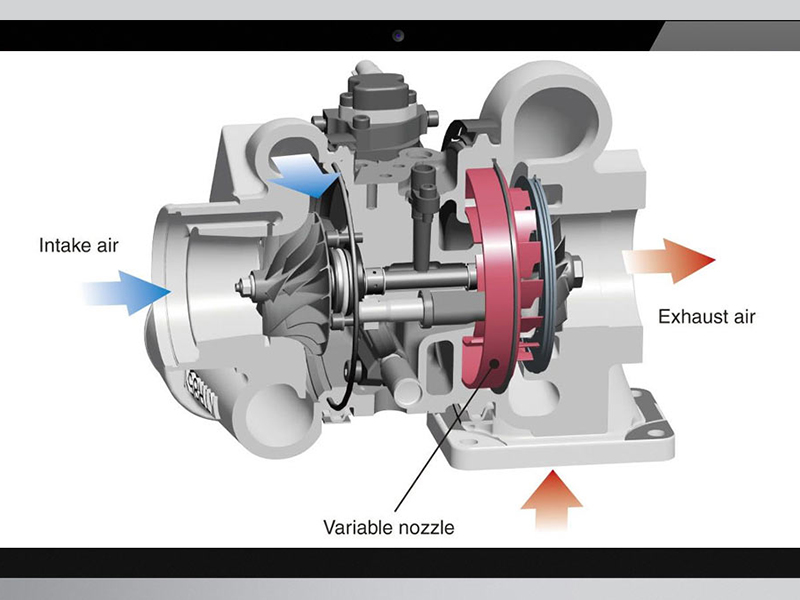
The way a TDI works is not complicated if you look at it step by step.
- Turbocharger at work – Exhaust gases spin the turbo, which pushes more air into the cylinders. More air means stronger combustion.
- Fuel under pressure – Diesel is injected straight into the chamber at very high pressure. Modern systems spray fuel in small bursts instead of one big shot to make the burn smoother and cleaner.
- Compression ignition – Diesel engines run high compression. When air is squeezed hard enough, it heats up and ignites the fuel immediately. That is why diesels do not need spark plugs.
- Torque delivery – This process creates high torque even at low rpm. You press the pedal and the car pulls forward strongly without waiting for the revs to climb.
- Clean-up system – New TDIs have DPF filters that catch soot and SCR systems with AdBlue that bring down harmful gases.
What you get is an engine that is responsive, fuel efficient and much cleaner than the diesels of the past.
Key Benefits of TDI Engines
There is a reason why TDI engines became so popular and why people still look back at them fondly.
- Strong torque at low rpm – Perfect for Indian highways, hilly roads and quick overtakes.
- Better fuel economy – Diesels already save fuel and TDI makes them even more efficient.
- Easy cruising – On highways a TDI sits at low rpm, keeps noise low and feels effortless at high speed.
- Built to last – Diesel engines are made stronger. A well maintained TDI can run lakhs of kilometres.
- Cleaner than old diesels – With BS6 fuel, DPF and AdBlue, TDIs are far less polluting than before.
A TDI gives you performance without taking away the economy. It was a diesel that felt premium. Read more about TDI vs CRDi.
Cars with TDI Engine in India
In India, Volkswagen and Skoda made the TDI badge common, while Audi kept it premium. Buyers trusted these cars because they were solid, efficient and fun to drive.
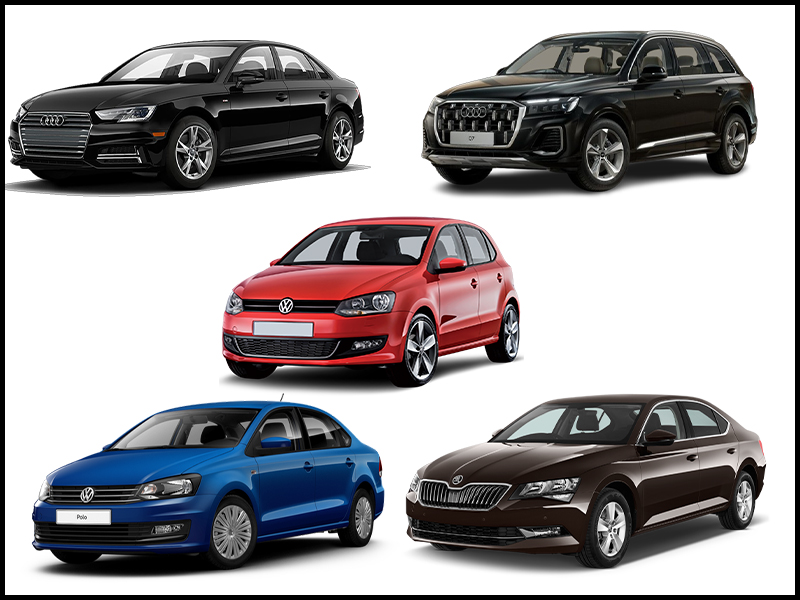
Some of the most popular cars with TDI engine in India were:
| Model | Engine | Power & Torque |
| Volkswagen Polo TDI | 1.5L Diesel | 90 PS / 230 Nm |
| Volkswagen Vento TDI | 1.5L Diesel | 110 PS / 250 Nm |
| Skoda Rapid TDI | 1.5L Diesel | 110 PS / 250 Nm |
| Audi A4 TDI | 2.0L Diesel | 190 PS / 400 Nm |
| Audi Q7 TDI | 3.0L Diesel | 249 PS / 600 Nm |
Today, because of BS6 rules and changing demand, diesel cars are fewer. But luxury brands like Audi and BMW still offer TDI engines for buyers who want power and efficiency together.
TDI vs CRDi – Same Idea, Different Names
Many people wonder if TDI is different from CRDi. The answer is no.
- TDI – Volkswagen Group’s name.
- CRDi – Hyundai, Kia, Mahindra’s name.
- Others – CDI for Mercedes, dCi for Renault, Multijet for Fiat, D-4D for Toyota.
The core technology is the same. A turbo, a common rail system that injects fuel at high pressure, and direct combustion. The badge changes, the idea does not.
TDI Engines in India – What You Should Know
On paper, TDI engines sound perfect. In practice, the Indian driving environment adds some challenges.
- BS6 compliance – Cleaner fuel and rules mean TDIs now come with DPF and AdBlue. This makes them costlier to buy and maintain.
- DPF issues – In heavy traffic and short trips, exhaust temperatures stay low and the filter clogs. A regular highway run is needed to clean it out.
- AdBlue top ups – You need to refill AdBlue every few thousand kilometres. It is easy now with better availability, but it is an extra task.
- Regulations – In Delhi NCR, 10 year old diesels are banned. This affects resale value and ownership plans.
So while a TDI is still a great choice for people who drive long distances, city-only users may find it less practical.
Future of TDI in India
TDI engines are not disappearing completely. They are simply becoming fewer and more focused. Luxury brands will continue offering them because long distance buyers still prefer diesel efficiency. But small and mid-size cars are shifting to petrol, hybrid and EV.
The future of TDI in India is simple. It will survive in fewer models, built cleaner and more advanced, but it will not dominate like it once did.
Conclusion
The TDI meaning is about more than three words. It is about an engine philosophy that gives drivers torque, fuel economy and reliability in one package.
While cars with TDI engines are not as common today, their reputation remains. For highway drivers who want strong pulling power and long lasting engines, a TDI still makes sense. For city users who drive short distances, petrol or hybrid options are often better.
TDI may not be everywhere anymore, but the way it changed how people looked at diesel cars will always matter.
FAQs
-
What are the benefits of a TDI engine?
It gives you strong torque at low speeds, better mileage than petrol, and engines that can handle lakhs of kilometres if serviced right. On highways it stays smooth and effortless.
-
How does a TDI work?
The turbo forces in more air, fuel is injected straight into the cylinder, and the compression makes it fire instantly. That’s how it delivers quick power and good economy at the same time.
-
What does TDI mean for cars?
It means the car has a diesel engine with a turbo and direct injection. In simple words, more pulling power, better efficiency and a relaxed drive on long runs.
-
What is a TDI system?
It’s the whole setup – turbo, injectors, common rail, filters and AdBlue. Together they make the engine powerful, efficient and cleaner to run.
-
Is TDI better than gas?
It depends on how you drive. For highways, long trips and heavy use, a TDI is better because it gives more torque and saves fuel. For short city drives petrol is usually easier because you don’t have to worry about DPF filters or AdBlue.


