






The tyres are very significant in the performance, safety & comfort of any car. In case you have a Hyundai i20 or are intending to purchase one, it is important to know the correct i20 tyre size, the new i20 tyre price & the best i20 tyre pressure. The correct tyres enhance the road grip, fuel consumption as well as driving experience.
Most car owners are usually lost when choosing the tyres since the market has various brands, sizes and costs which one can choose from. Fitting the incorrect tyre size or having an incorrect tyre pressure may influence the braking, handling and lifespan of the tyre.
Through this guide, we shall discuss all that you require to know about Hyundai i20 tyres. You will know the stock tyre size in the various versions, the most recent i20 tyre price in India, the advisable i20 tyre pressure, and the most preferred tyre brands on the car. This is one of the reasons why this information will assist you in selecting the appropriate tyres which will be utilised in order to maintain them in efficient performance throughout the period.
Hyundai i20 Tyre Size – Stock Tyre Dimensions for All Variants
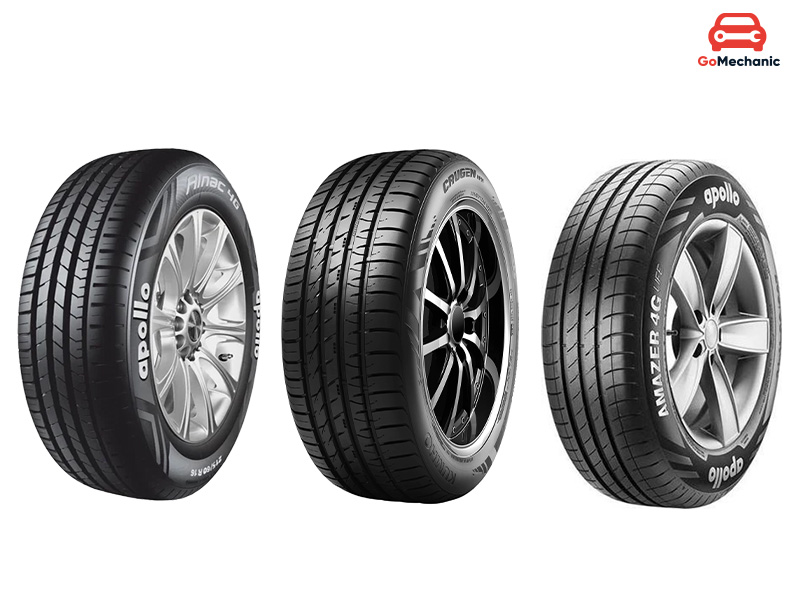
The tyre size of the i20 car is dependent on the car variant. Depending on the wheel size and the level of the trim, Hyundai offers various tyre sizes. When changing tyre size, it is good to use the right size as it impacts the comfort, mileage & safety of the vehicle.
Here are the commonly used i20 tyre size options:
| Variant | Tyre Size | Wheel Size |
| Hyundai i20 Magna | 185/70 R14 | 14 inch |
| Hyundai i20 Sportz | 195/55 R16 | 16 inch |
| Hyundai i20 Asta | 195/55 R16 | 16 inch |
| Hyundai i20 Asta (O) | 195/55 R16 | 16 inch |
What the numbers mean:
- 195 – Tyre width in millimetres
- 55 – Aspect ratio (height of the tyre sidewall)
- R – Radial construction
- 16 – Rim diameter in inches
In case you intend to change the tyres, ensure that the new size can fit your wheel and suspension.
Also read: Maruti Suzuki Baleno Car Tyre Price, Size & Tyre Pressure
Hyundai i20 Tyre Price in India (Latest Price List 2026)
The price of i20 tyre in India varies based on the brand, model and tyre size. Premium tyres tend to be more grippy and durable; however, they are also more expensive.
Below is an approximate i20 tyre price range for popular brands:
| Brand | Tyre Model | Size | Approx Price (₹) |
| MRF | ZLX | 195/55 R16 | ₹5,000 – ₹5,500 |
| Apollo | Alnac 4G | 195/55 R16 | ₹5,200 – ₹5,800 |
| CEAT | SecuraDrive | 195/55 R16 | ₹4,800 – ₹5,300 |
| Bridgestone | B290 | 195/55 R16 | ₹5,500 – ₹6,200 |
| Michelin | Energy XM2+ | 195/55 R16 | ₹6,000 – ₹7,000 |
Things that affect the i20 tyre price:
- Tyre size
- Brand reputation
- Warranty period
- Rubber quality and technology
Mid-range tyre types are suitable for daily driving conditions in the city, whereas the premium tyres are more comfortable and also have good braking.
Also read: Toyota Fortuner Tyre Size, Pressure and Price in India – 2026
Recommended Hyundai i20 Tyre Pressure for Front & Rear Wheels
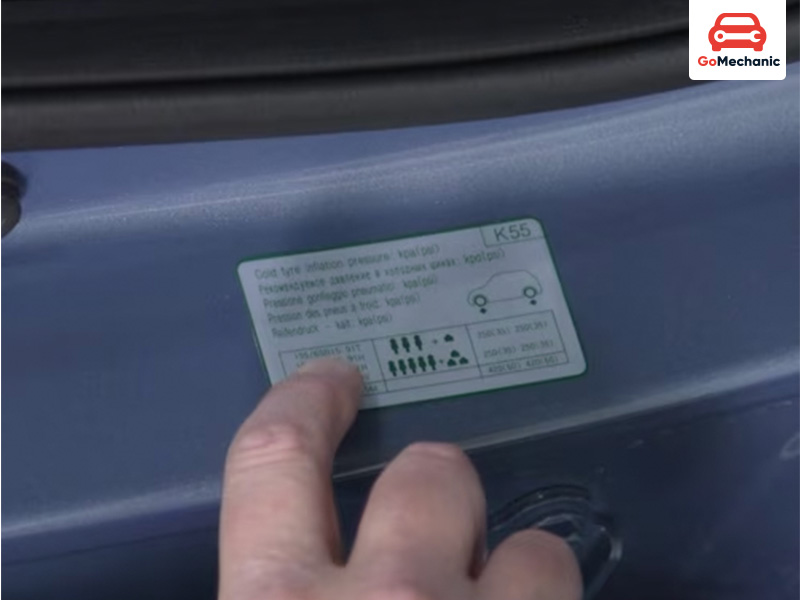
Using the right i20 tyre pressure helps in ensuring safety, tyre life and fuel efficiency. High pressure decreases grip and comfort and low pressure leads to uneven wear of the tyre as well as high consumption of fuel.
Here is the recommended i20 tyre pressure for most variants:
| Driving Condition | Front Tyre Pressure | Rear Tyre Pressure |
| Normal driving | 32 PSI | 32 PSI |
| Full load | 33 PSI | 36 PSI |
Benefits of correct i20 tyre pressure:
- Better fuel efficiency
- Longer tyre life
- Improved braking performance
- Better road grip
Simple maintenance tips:
- Check tyre pressure every 2-3 weeks
- Always check pressure when tyres are cold
- Use a reliable pressure gauge
- Check the spare tyre as well
Proper tyre pressure helps your car perform better and keeps you safe on the road.
Also read: Creta Tyre Size, Pressure and Price in India – 2026
Best Tyres for Hyundai i20 in India (Top Brands & Models)
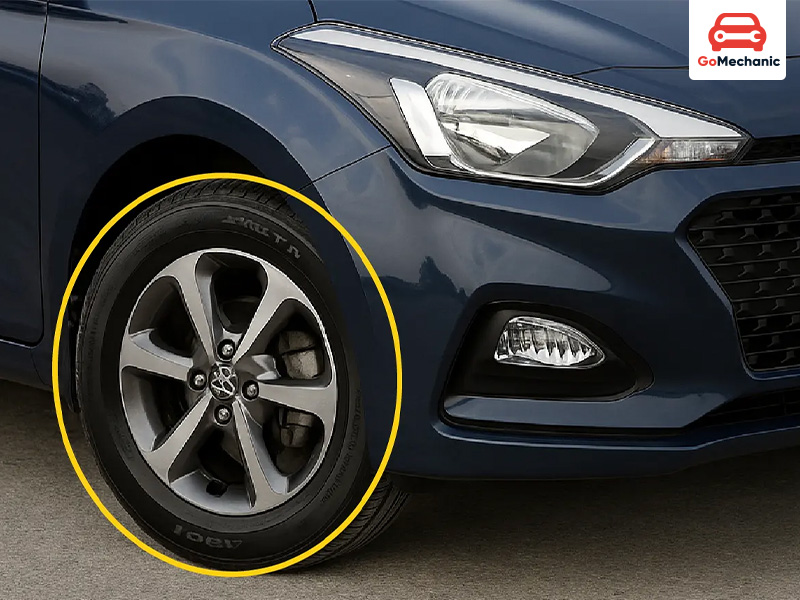 The selection of the appropriate tyre brand is essential in terms of comfort, durability, and performance. There are a number of firms that sell quality tyres that are equal to the i20 recommended size.
Here are some popular options:
- MRF ZLX
- Good for daily city driving
- Long tyre life
- Affordable i20 tyre price
- Apollo Alnac 4G
- Strong grip on wet roads
- Comfortable ride quality
- Good balance of price and performance
- Bridgestone B290
- Smooth and stable ride
- Reliable brand reputation
- Slightly higher i20 tyre price
- Michelin Energy XM2+
- Premium tyre option
- Excellent durability
- Great braking performance
Compare the i20 tyre price, warranty, and performance before purchasing the tyres to be able to select the best of the best according to your driving needs in driving.
Also read: Kia Sonet Tyre Size, Pressure and Price in India – 2026
When Should You Replace Hyundai i20 Tyres? Signs & Maintenance Tips
Tyres do not last forever. With time they become worn and require change. Worn tyres may decrease safety and increase the braking distance.
Signs that indicate tyre replacement:
- Tread depth becomes very low
- Visible cracks on the tyre sidewall
- Frequent punctures
- Uneven tyre wear
- Vibrations while driving
Most tyres last around 40,000 to 50,000 km, depending on driving conditions and maintenance.
Simple tyre maintenance tips:
- Maintain the correct i20 tyre pressure
- Rotate tyres every 8,000-10,000 km
- Get wheel alignment checked regularly
- Avoid sudden braking and harsh driving
Taking care of tyres improves safety and reduces the need for early replacement.
Also read: 10 Affordable Cars with TPMS (Tyre Pressure Monitoring System)
Conclusion
It can assist you in making a better choice in purchasing tyres for your car by understanding the proper i20 tyre size, seeing the recommended i20 tyre pressure, and comparing the latest i20 tyre price. The Hyundai i20 is fitted with various tyre sizes, which will be based on the variant and hence it is always necessary to abide by the recommendation of the manufacturer.
It is possible to improve fuel efficiency, grip on the road, and comfort when driving through the maintenance of appropriate tyre pressure and the selection of a trustworthy brand of tyre. Frequency checks, rotation and alignment of tyres will also assist in extending the life of the tyres and also ensure your car is safe on the road.
Whether you are intending to change tyres on your car or not, you will need to compare i20 tyre prices, ensure you have the right i20 tyre size and you have the right pressure of your i20 tyre in order to achieve maximum performance and value on your Hyundai i20.
FAQ’s
1. Is 40 PSI too high for tyre pressure?
Yes, 40 PSI is typically an increase in pressure compared to the recommended one for most small cars. The recommended pressure of most hatchbacks is approximately 30-35 PSI. When pressure is excessive the tyre becomes stiffer and fails to grip the road. This may also result in unevenly worn tyres as well as reduced comfort in driving. Never overinflate or underinflate your car in accordance with your car manual.
2. What is 220 PSI for tyre pressure?
In most scenarios, individuals are quite confused when PSI and kpa are used interchangeably. 220 has the meaning of 220 kPa, but not 220 PSI. A normal tyre pressure for many cars is approximately 220 kPa, which equals 32 PSI when converted. It is a good pressure that augers well in preserving the proper shape of tyres, enhancing fuel economy and safe driving on the road.
3. Is 30 PSI good for tyres?
Yes, the pressure of 30 PSI is usually safe for most small cars and hatchbacks. It offers adequate comfort, grip, and life of tyres. Nevertheless, the appropriate pressure may vary according to the model of the car and the size of the tyres. It is always worthwhile to consult the recommended pressure that is in the car manual or on the door sticker.
4. What is the best tyre for the i20?
The Hyundai i20 is made by some of the finest tyres in the brands of MRF, Apollo, Bridgestone, Michelin and CEAT. These tyres provide decent grip on the roads, longevity and comfort. The ideal selection would be based on your budget and mode of driving. In everyday city driving, most owners of i20 would like to use such tyres as MRF ZLX or Apollo Alnac 4G.
5. What is the tyre pressure for the i20?
Most Hyundai i20 models have recommended tyre pressure which normally ranges between 31 and 33 psi. Normal driving is a situation that most experts recommend a pressure of about 33 PSI on the front tyres and 31 PSI on the rear tyres. Front and rear tyres may be maintained at approximately 33 PSI when carrying maximum passengers or luggage.


