






Mankind has gone all the way down from the time the wheel was invented, which became a crucial fundamental tool representing the foundation upon which contemporary transportation was established. From the rolling of logs to early man’s hands holding the steel wheels employed by most vehicles today, wheels have developed, evolving continuously over time. Yet, recently much has been altered with a rise in alloy wheels use, a blend of utilitarian and decorative use. Formerly referred to as the exclusive cast for luxurious cars, nowadays it has become one of the most sought-after upgrades for not only car lovers but also common motorists. Alloy wheels over conventional steel wheels provide benefits such as lower weight, improved performance, and a more streamlined appearance. This guide will make you better prepared to make an informed decision of alloy wheels: types, advantages, and their maintenance for prolonged service life.
What Are Alloy Wheels?
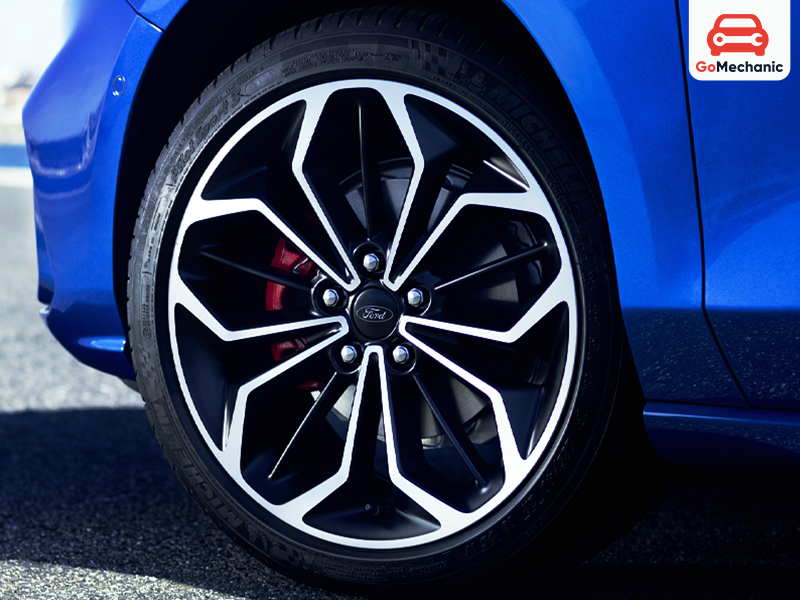
Fundamentally, car alloy wheels are created when two or more metals are blended together or a metal blended with non-metal elements together gives a new material for enhancement in some properties. Thus, alloy wheels consist of the metals mixed to create a wheel, mostly aluminum, and magnesium. Both these metals play a vital role because they bring light weight together with strength and therefore create a perfect combination of performance and strength with durability. Alloy wheels are, however, distinct from traditional steel wheels since they are taking away weight from the vehicle simultaneously. Thus, light alloy wheels are found to be capable of producing extremely strong and long-lasting wheels while simultaneously being lighter in weight. Thereby enhancing handling, braking performance, and mileage while making the wheels provide contemporary stylish look to modern-day vehicles.
Read This: Alloy Wheels Transforming the Traditional Way to Get Along the Road
Types of Alloy Wheels
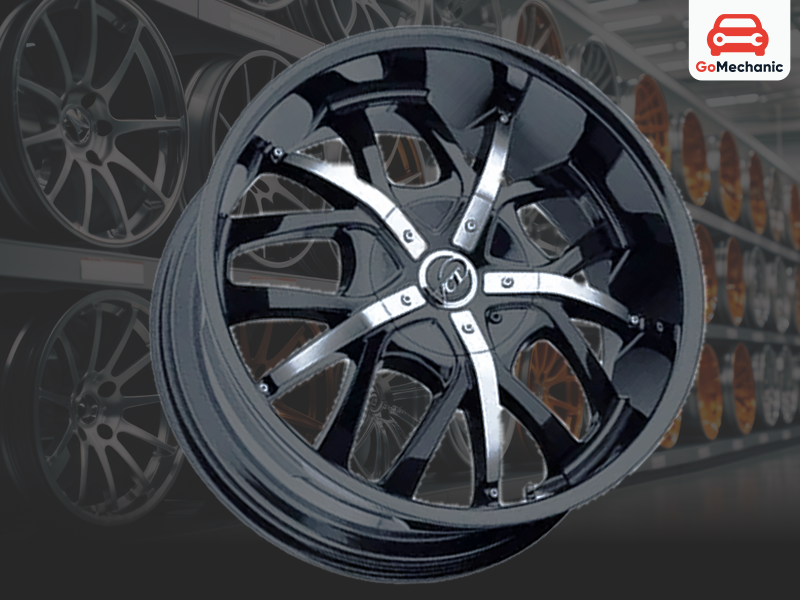
The alloy wheels in cars sold in the Indian market can be categorized into cast alloy wheels, forged alloy wheels, billet alloy wheels, and multi-piece alloy wheels. In brief, they differ in manufacturing methods and applications. The common types are:
1. CAST ALLOY WHEELS
Cast Alloy Wheels are made by pouring molten alloys into a mold and allowing it to solidify. This is straightforward and reasonably priced; hence cast alloys are usually lower than forged alloy wheels in price. Cast alloy wheels are favored by any car enthusiast because of the price and the variety of designs made available. It isn’t as rigid as flexible, but cast alloy wheels provide good performance and outlook for many cars.
2. MAG WHEELS FOR CARS
Alloyed Magnesium, Wheels-Mag wheels are standards in the auto engineering field. They are the most shown structural properties being light and strong. The end of production started in the late 1960s, but the wheels gained wide acceptance due to their performance-enhancing properties. The word `Mag’ was originally given to them because, formerly, they were made entirely from magnesium. Being light metals, magnesium will allow the lightweight wheel to support better acceleration, braking, and fuel efficiency in cars. As a result, the mag wheels have become alloys of magnesium and aluminum, thus granting it a combination of lightweight properties with corrosion resistance. Notably, most mag wheels for cars are manufactured from different magnesium-aluminum alloys and thus permit much lighter weights, with high strength, improved durability, and environmental resistance.
They still haven’t changed their legendary association with the term, and therefore, magnesium wheel types have become part of a premium category in the market. It is primarily because of aesthetic value, light weight, and improvement in performance spread across sports cars and racing cars. Despite this upgrade, they still remain a costlier option in the market compared to traditional steel or aluminum alloys wheels.
3. FORGED ALLOY WHEELS
Generally, forged alloy wheels are constructed from a high-pressure force applied to a solid block of alloy, which will then form the wheel. So, these wheels become light-weight as compared to those cast alloy wheels, and they become stronger. It is the reason as to why forged alloy wheels are mainly found in high performance cars, which need more strength and durability, without adding a weight to cars. While these are highly priced, they are absolutely worth it because of the complicated process done during the manufacture.
4. BILLET ALLOY WHEELS
Billet alloy wheels are machined from a single solid alloy; hence, they create a truly custom, unique design. The process enables making highly specific shapes, thereby resulting in making these wheels with high performance. Billet alloy wheels are usually selected because of their distinctive craftsmanship that caters to enthusiasts who crave personalized and high-performing products. In general, these wheels are costly because of their complexity and personalized nature.
5. MULTI PIECE ALLOY WHEELS
Multi-piece wheels consist of two or three individual pieces bolted together. There would be sharper designing contributions as compared to custom fitments regarding offset, width, or even, shape. Multi-piece wheels are the most used by motorsport and those wanting an extreme custom fit to a car. Although not exactly cheap, it seems the functionality of the design makes them very popular in performance cars or luxury cars.
Advantages of Car Alloy Wheels
Car alloy wheels have their own bundle of advantages, from improving the performance of the vehicle to making it look really good. Lightweight wheels on cars provide better fuel efficiency, harder durability, and really enhance the look of the car. They also add to the aspect of maintenance to the vehicle and improve the overall driving experience.
- Better Performance:
Alloy wheels in car are lighter than ordinary steel and thus reduce the overall weight of the car. It translates into improved acceleration as the engine does not strain much to move the automobile. Lighter wheels do wonders for handling and cornering, providing a more responsive and enjoyable driving experience. All of this derives big benefits, especially for performance vehicles, as it significantly lowers weight.
2. Reduced Fuel Consumption:
With light alloy wheels, the ear engine strain reduces, ultimately causing less fuel consumption. Small rotational weight means that the engine uses less energy to rotate the wheels and, thus, more fuel-efficient operation. The penny saved will eventually be paid by the fuel pumps, especially for regular commuters; and these wheels help a driver get the most optimal fuel economy for his vehicle.
3. Improved Aesthetics:
They are innovative, simple yet amazing-looking designs added with countless finishes and sizes customized to look just as you want it. They may be a sleek and modern, rugged and sporty addition to whatever kind of vehicle you want. That makes your car up-market, making a premium-looking car enhanced with better visual appeal. That is one of those things that make an alloy wheel highly favored in modifying cars.
4. Good Heat Dissipation:
Better heat dissipation through alloy wheels than those that steel would have. It helps more in distributing that heat to prevent affecting the brake components, as brakes generate heat during heavy braking. Better heat dissipation means better brake performance and less brake fade. This is valuable in particular high-performance and sports cars, which require a lot of braking efficiency.
5. Resistant to RUST:
Usually, alloy wheels are made of aluminum or magnesium alloys from rust and corrosion. This is of great importance in vehicles with exposure through road salts or moisture, which can rust steel wheels. At the same time, alloy wheels retain their good looks and performance for longer periods with less effort and are expected to last longer. This means that alloy wheels are perfect for vehicles having been used in different climate conditions.
6. Greater strength:
Alloy wheels are generally much more durable compared to steel wheels, specifically manufactured with high-end quality materials. On the issues of bending or cracking under pressure, they prove to be less likely to be damaged, which is especially useful for vehicles used for off-road driving or used on rough roads. Consequently, the higher durability also results in alloy wheels being less damaged over time, thus resulting in reduced frequency of replacement. This means lower maintenance costs and a longer-lasting investment.
Disadvantages of Alloy Wheels
- Cost:
Alloy wheels, being significantly invested in using different materials and manufacturing processes, are inherently costlier than their steel counterparts. Prices differ for alloy wheels depending upon the design and manufacturer but are worth the money spent in general. Some buyers may find this initial price too steep to pay, especially since steel wheels are readily available at half the price.
- Damage:
Cosmetic damages such as scratches, dents, or cracks are typically more likely on alloy wheels compared to steel wheels. Damage from potholes and rough roads or curbing are easy game for alloy wheels. On the contrary, a little ding on a steel wheel would not affect its overall looks and longevity as much, since it would mostly hide.
- High Repair Costs:
For any repairs in case of damage to an alloy wheel, the cost may be more compared to steel wheels. The alloy material and its design, which makes the actual repairing quite complicated, often requires professional help; that in itself is an added cost to the overall acquisition. At times the damage may be considerable enough to qualify for outright replacement.
- Heavy Some Alloy Wheels:
On the whole, alloy wheels are lighter than steel, but high-performance alloy wheels designed for extreme strength or customization could become heavier. Any unnecessary weight could affect fuel efficiency and performance. It’s imperative to choose an alloy wheel with the best balance between weight and strength.
- Corrosion in Certain Conditions:
These are alloy wheels; they are mostly rust-proof; however, they might corrode in certain situations. Such exposure to extreme road salts, moisture, or sharp chemical agents can theoretically cause corrosion to the alloy wheels, and this risk prevails especially if the protective coating is damaged. Regular maintenance should be an essential aspect of preventing such problems, adding onto the wear and tear costs over time.
- Not Good for Off-Roading:
Generally, alloy wheels are not as tough as steel wheels when it comes to off-roading or trekking across rough terrains. But again, while these alloys are good-looking and serve them well on the smooth roads, they take a beating while the going gets tough. Steel wheels are preferred for off-road-oriented trucks more than alloy wheels because steel wheels are less likely to bend or crack under pressure; they break less often than their alloy counterparts.
Alloy Wheel in Car vs Steel Wheel
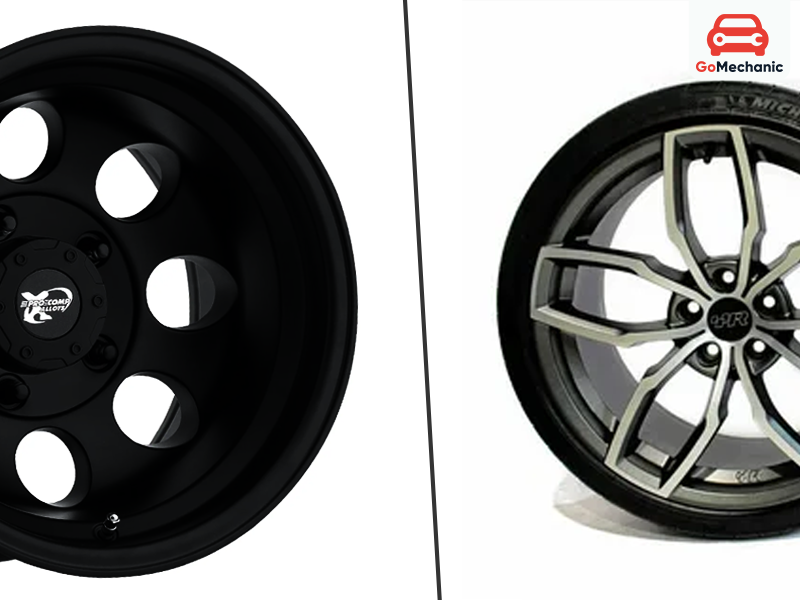
Here’s a comparison between the conventional steel wheel and alloy wheel:
| Feature | Alloy Wheels | Steel Wheels |
| Material | Aluminium, nickel or magnesium alloy (light metal alloy) | Steel (Alloy of iron and carbon) |
| Weight | Lighter | Heavier |
| Efficiency | Improves fuel efficiency | Lowers fuel efficiency |
| Performance | Better acceleration and braking | Average performance |
| Aesthetics | Sleek, stylish, custom designs | Basic, plain, limited options |
| Durability | Prone to crack under impact | damage and bend resistant |
| Heat Dissipation | Better heat dissipation | Poorer heat dissipation |
| Braking | Prolongs brake life | Adds to brake wear |
| Cost/Price | Higher price tag | Lower/affordable price tag |
| Rusting | Rust and corrosion resistant | Prone to rust |
| Maintenance | Requires higher handling and care | Easier to maintain and repair |
| Suitability | performance and aesthetics | rugged use (off-roading) |
Important Factors to Consider While Buying Alloy Wheels: Different Approaches
1. Alloy Wheel Size:
- Aesthetic Appeal: Large Size drastically impacts your car looks, may look aggressive or stickers pop-off luxury. But never dismiss practicality even while cementing the lovely looks due to the consideration of driving comfort.
- Handling Effect: More large wheels also have effects on automobiles handling. They might promote grip and performance in certain terrains but would stiffen the ride. The worse the irregularities in the surface will be felt by the car in case we got larger wheels.
2. Alloy Wheel Type:
- Performance or appearance: Depending on your needs, you may elect to prioritize performance over appearance or vice-vica. Forged alloy wheels in car may have superior performance; however, the designs may not be as extensive as what is being offered for cast alloys. Ensure you choose based on what best suits your needs-the performance aspect, aesthetic aspect, or both.
- Willingness To Customize: Some alloy wheels have a higher degree of customization in finish and design, especially in the billet or multi-piece type. In the case of customization, find the wheel that offers more design flexibility, such as custom colors, finishes, or even the ability to adjust the width.
3. The Durability of Wheels:
- Driving Conditions: What general driving do you mostly do? If you are prone to long stretches of harsh driving, a bit of off-road driving here and there, then you may want to consider tough alloy wheels for sure. That kinds of wheels travels very well on super-smooth roads but does not last quite so long under harsher conditions.
- Wheel Guarantee: It’s good to find a manufacturer that provides alloy wheels that come with a long warranty. A warranty certainly gives you peace of mind in case of any production defects, or in case damages may happen. Advice: Always check the warranty details, as these can save you a lot of money during a repair in the future.
Tips to Extend the Use of Alloy Wheels
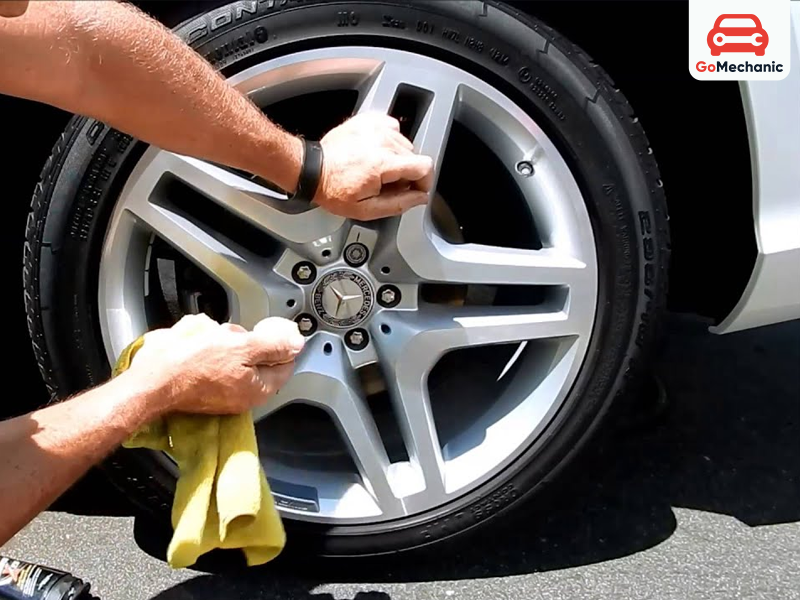 1. Don’t Rinse with High-Pressure Wash:
High pressure washes corrode the protective coat and push soil into small gaps. Use simple moderate pressure in the washing process; that serves your finish better.
2. Wash after Exposure to Harsh Elements:
Salt, snow, and even mud will all, in time, tend to corrode alloy wheels. So, take time after exposure to these elements for a thorough clean so that the long-term damage and shine are preserved.
3. Regular Tire Pressure Checks:
Alloy wheels are known to wear out quickly, especially when the tires are maintained at low pressure as they strain the wheels. Properly inflate your tires to reduce the tension on your alloy wheels.
4. Observe Wheel Alignment:
Out of alignment wheels will always wear off unevenly on tire and wheel alloy. Check alignment regularly to help prevent any unnecessary stress, useful in improving the longevity of the wheels.
5. Install Parking Sensors:
They can help eliminate the possibility of scrapes during the park by complementing the view with parking sensors or cameras. These systems give you more control and avoid situations where your alloy wheels can be scratched and dented.
6. Careful Driving in Bad Weather:
The roads become wet or icy, reducing traction; hence, hitting a curb is more likely. Be more vigilant when it is that kind of weather to reduce the probability of damaging your wheels.
-
What Are Diamond Cut Alloy Wheels?
Diamond cut tinted alloy wheels are a specified type of alloy wheel that shines because of machining with a diamond-tipped cutter. The procedure slices a very thin layer of metal from the wheel to reveal a bright reflective surface beneath. It is usually done to high gloss finish surfaces coupled with painted or anodized areas to enhance the visual appeal.
How Are They Made?
The diamond-cut alloy wheels are manufactured through a two-step process stated below:
- Machining: The surface of the wheel is machined by a diamond-tipped tool to reveal a smooth reflective finish. The procedure gives a shiny metallic appear pleasing to the eye.
- Clear Coating: After the machining process, a protective clear coat is sprayed on the surface of the wheel, mainly to preserve the glossy finish against corrosion, dirt, and damage.
Best Alloy Wheel Brands in India
- Borbet
This is a German manufacturer known for quality and offers a variety of alloy wheels. Every wheel undergoes an intensive structural examination by X-ray and carries two years of warranty on both paint and performance, thus assuring durability and aesthetics.
- Enkei
Enkei, dealing in the world-class manufacture of aluminum wheels, is based in Japan…. Alloys are supplied to practically all the major car manufacturers in India under names like Maruti Suzuki, Toyota, Honda, and Suzuki-perhaps still the best confirmation about the reliability and quality of the alloys.
- OZ Racing
OZ Racing, an Italian brand established in 1971, has perhaps the most extensive history of proven association with motorsports, including Formula 1 and WRC. Its collection in India includes exclusively the best, the lightest, and the highest performing alloy rims, adding style and superior engineering to cars.
- Neo Wheels
Neo Wheels is among the giant alloy brands in India that has an extensive line-up of designs and sizes. First, these products are bolstered by the certifications ISO 9001:2015 and BIS, which stand testimony to quality, and unlike most others, they come with a limited lifetime structural warranty, which means a one-time choice of long-term reliability.
- BBS Alloy Wheels
BBS alloy wheels are pretty famous for precision engineering, and these can very well take an user’s breath away due to strength, lightweight, and unique design. These are preferred by a majority of luxury and sports car manufacturers.
- OZ Racing Alloy Wheels
A well-known name in motorsports, OZ Racing specializes in lightweight, performance alloy wheels. The styles make excellent designs for both sporty and luxury cars, with excellent performance straight going hand in hand with display.
Interested in bikes? Read this Motorcycles With The Best-Looking Alloy Wheels
Car Alloy Wheels Price
| Brand | Wheel Size (in inches) | Price Range (per wheel) | Material | Additional Features |
| Neo Wheels | 14, 15, 16, 17 | ₹5,000 – ₹12,000 | Aluminium/Alloy | ISO 9001:2015, BIS certified, limited lifetime warranty |
| Borbet | 15, 16, 17, 18 | ₹10,000 – ₹30,000 | Aluminium | X-ray examined for structural integrity, 2-year warranty |
| Enkei | 15, 16, 17, 18 | ₹8,000 – ₹25,000 | Aluminium | Supplied to Maruti, Toyota, Honda; lightweight design |
| OZ Racing | 17, 18, 19, 20 | ₹15,000 – ₹50,000 | Aluminium | High-performance, lightweight, motorsport-inspired designs |
| BBS | 16, 17, 18, 19 | ₹20,000 – ₹45,000 | Aluminium | Lightweight, superior performance, authorized dealers only |
| MAG Wheels | 16, 17, 18 | ₹12,000 – ₹35,000 | Magnesium/Aluminium | Premium look, enhanced performance, lightweight design |
| Momo | 16, 17, 18, 19 | ₹14,000 – ₹40,000 | Aluminium | Motorsport heritage, premium finishes |
| ATS | 15, 16, 17 | ₹8,000 – ₹22,000 | Aluminium | Strong, lightweight, sleek designs |
The table above shows a fairly comprehensive study of the car alloy wheels prices for popular brands. You will thus be able to find a good car alloy wheel for your vehicle based on your budget and preferences. Before making your purchase, consider both the material and design. Car alloy wheels price differs with wheel size and other special options.
Latest Car Alloy Wheel Trends in 2025
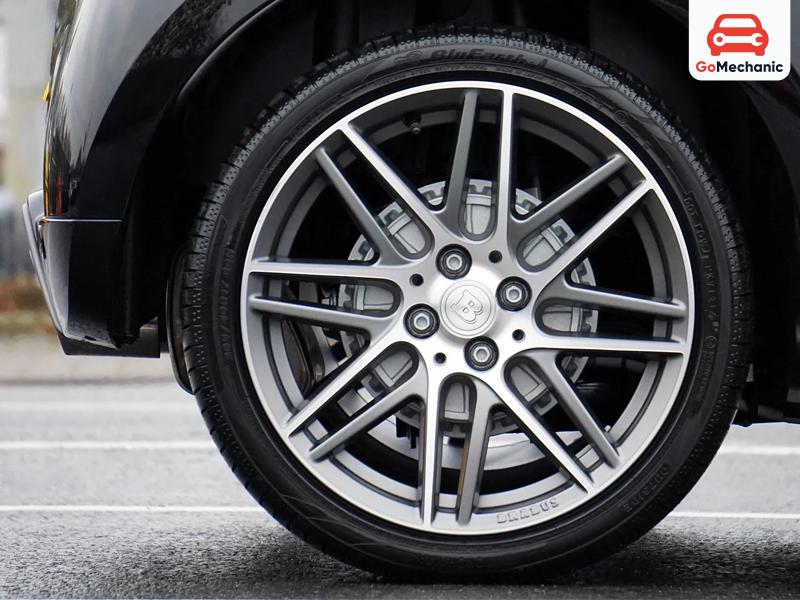
In 2025, popular car manufacturers are offering alloy wheels even in the budget segment of cars like Maruti Swift or Tata Tiago (upper trims).
- Existing car owners are now switching from stock car wheel covers and steel wheels toward premium alloy wheels in India. The Aftermarket brands have provided the entire spectrum of sizes in India ranging from 15-inch to 17-inch, catering to everything from compact hatchbacks to larger SUVs.
- Large wheels, like 22 and 23 inches in alloy composition, are increasingly popular for SUVs and performance vehicles. They improve the aesthetics of the vehicle and allow for improved road presence and stability, particularly at fast speeds.
- Lightweight materials such as aluminum and alloys are considered better for wheel development since they improve fuel efficiency and handling. These materials help to reduce the overall weight of the vehicle, thereby enhancing performance and fuel savings. In addition, there is an increase in acceptance of forged alloy wheels, which are known for their power-to-weight ratio, thus being a common feature on high-performance and off-road vehicles.
- Dark and satin finishes are very much in demand. Glossy black, matte black, and satin gunmetal are particularly popular for their serene and modern look. Further, two-tone color combinations, black with silver or bronze with black, have hit the fashion chart and create a contrast that is equally noticeable. Finally, diamond cutting is emerging as an increasingly popular finish to enhance the premium look for those who value design, with polished metal-face wheels contrasted stunningly by painted inserts to give that sophisticated high-end impression to many of today’s vehicles.
Related: 16 Cars in India with the Best-Looking Alloy Wheels!
Does Car Insurance Offer Coverage for Alloy Wheels?
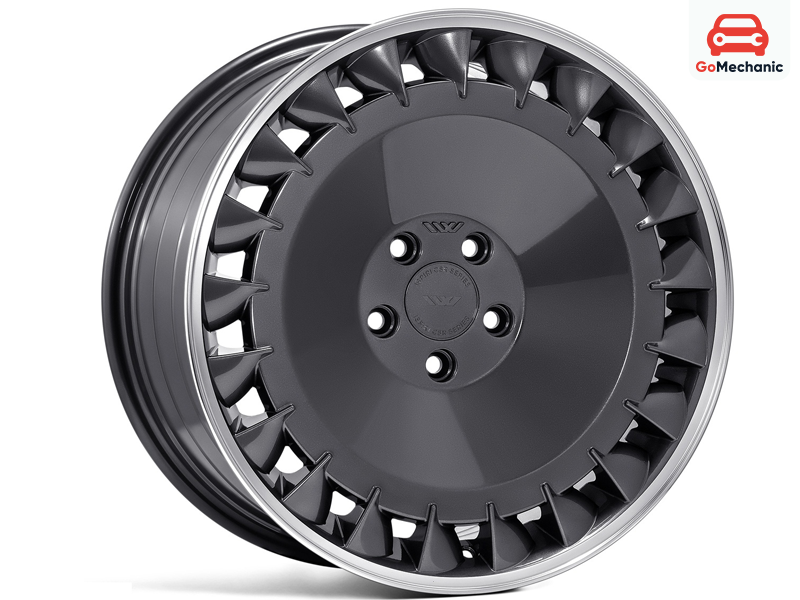
In the existing scenario, most insurance companies do not provide coverage for alloy wheels, but certain protected car wheels should cover the damages. Under normal circumstances, your comprehensive car insurance will not cover repairs or replacements of the wheels damaged while driving unless the entire vehicle is damaged. However, if you wanted to get alloy wheels fixed, that would probably mean you pay extra cost out of your own pocket. To get tire and wheel coverage to supplement the plan, however, you can get them repaired or replaced if they are damaged in an accident, because of vandalism, or because they unintentionally discover some road hurdles.
It is highly recommended that you verify other company policies and alloy wheels falling under the “accessory” category because of other factors that could alter your policy for alcohol wheels. So check the fine print with the assistance of your insurance agent and perhaps get more coverage in the event that more detailed coverage would be needed when the policy is finalized.
Conclusion: Being Luxury to Necessity
Alloy wheels were once considered a luxury. They used to be only for rich high-end cars. Today, everyone needs them. They add beauty to the vehicle, in addition to better aerodynamics and fuel economy. Technology has forced price crashes for raw materials and manufacturing processes on these wheels, thus making alloy wheels more popular. A good upgrade at a reasonable cost, alloy wheels improve the driving experience.
Just as alloy wheels are light and strong, they are also relished for their sheer beauty.
FAQ’S
1. Are they good for a car?
Yes, car alloy wheels are a good option. They are lighter than their steel counterparts, thus helping in fuel efficiency, acceleration, and braking. Also, with their elegant designs, alloy wheels enhance the beauty and are generally durable and resistant to corrosion.
2. What is the best brand for alloy wheels?
Some of the best alloy wheel brands include BBS, OZ Racing, Enkei, Neo Wheels, and Borbet. These brands are known for their workmanship, quality, durability, and performance, choosing a brand determined by budget, type of car, and type of performance desired.
3. How much do 22-inch alloy tires cost?
22-inch alloy wheels can cost from ₹20,000 to ₹50,000 per piece depending on a number of factors, including the brand and design along with the material quality. The larger wheels may cost relatively more for high-performance and premier brands.
4. What are MAG wheels in cars?
MAG wheels are essentially alloy wheels which are made typically from magnesium or a combination of magnesium and aluminum. They are low in weight and high in strength, and these properties make them very useful for production performance cars in pursuit of greater speed and better handling.
5. What is the difference between mags and rims?
Mags are wheels made either from magnesium or an alloy containing varying amounts of magnesium and aluminum, while rims refer to the outer part of the wheel that holds the tire. In essence, “mags” are a type of rim, but not all rims are made of magnesium alloys.
6. What is the alloy price?
Alloy prices vary from ₹5,000 to ₹30,000 on an average. A lot of factors influence the price of alloy wheels such as their size, design, material quality, and brand. Highest-end or custom alloy wheels will, of course, cost more.
7. Why are mag wheels better?
Mag wheels are better because they are much lighter compared to steel wheels, therefore reducing the overall weight of the vehicle. This largely contributes to acceleration, handling, fuel efficiency, and braking. They also dissipate heat very well and look great.


