






India. A big country with a million roads, each with its own mood swings. Yet the Alto K10 is everywhere—darting through city lanes, squeezing into parking spots, weaving past auto-rickshaws like a trained classical dancer. It’s affordable, fuel-efficient, and easy to drive. But what happens when the road decides to throw a surprise? What happens when safety is not a choice but the only thing that matters?
That’s where the NCAP rating walks in. Numbers don’t lie; they reveal. And for the Alto K10, they speak louder than its compact charm.
Why Safety Matters for Alto K10 Buyers
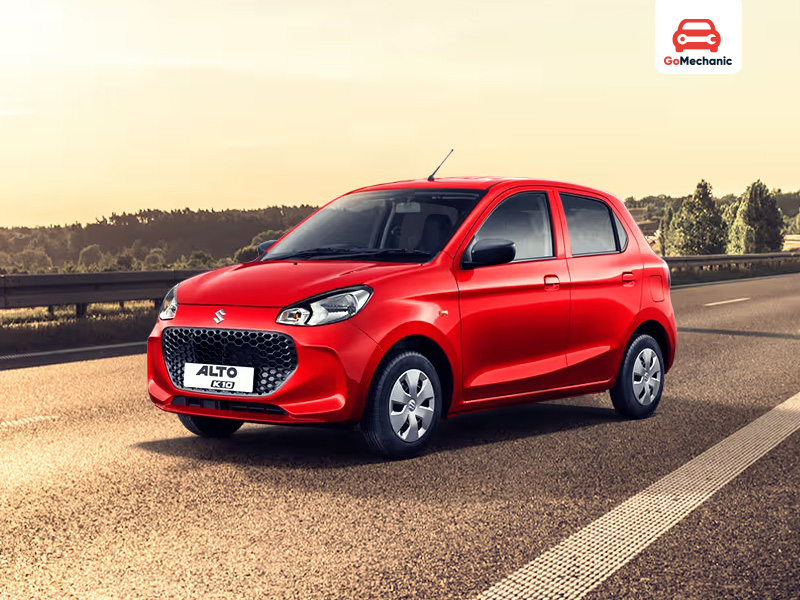
In India, owning a car is an achievement. A milestone. The first big purchase for many. But safety? That conversation rarely makes it past “Does it have airbags?”
Here’s the truth.
- Roads here are unpredictable.
- Crash survival isn’t about luck, it’s about engineering.
- A budget car doesn’t have to mean a compromised car.
But often, it does. NCAP ratings exist for a reason. They don’t just measure impact resistance, they measure the probability of you stepping out unharmed. The Alto K10? It’s light, it’s nimble. But is it strong enough when it matters? Let’s find out.
This is related, Analysis of Hyundai Verna Safety Rating By Global NCAP
Alto K10 Global NCAP Safety Ratings
The Global New Car Assessment Programme (NCAP) puts cars through the wringer—crash tests that simulate real-world accidents. The Alto K10 went through these tests, and the results? They tell a story of two halves.
Adult Occupant Protection
- NCAP Rating: 2 Stars
- Score: 21.67/34
Key Observations:
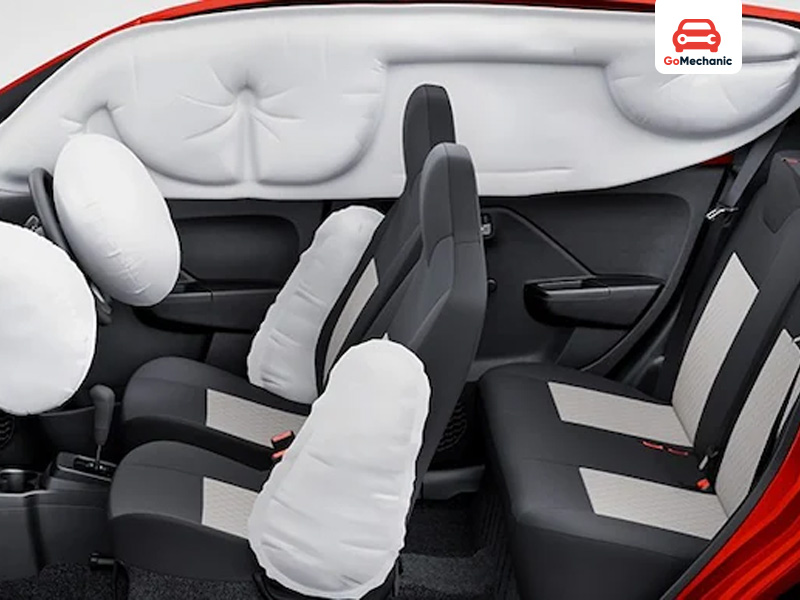
- Airbag Performance: The car has dual front airbags. The driver and passenger’s head and neck protection were rated good. But chest protection? Marginal.
- Structural Integrity: Surprisingly, the body shell is stable. It can handle more impact loads. But stability alone doesn’t guarantee survival.
- Knee Impact Risk: Here’s where it gets tricky. The dashboard structures pose a threat. In a crash, knees are at risk.
Child Occupant Protection
- NCAP Rating: 0 Stars
- Score: 3.52/49
Key Observations:
- Forward Movement: The car doesn’t have ISOFIX anchorages—a crucial feature for securing child seats. During a frontal impact, there’s excessive movement, increasing the risk.
- Head Contact: High risk. The crash test showed poor head protection for child occupants.
- Installation Issues: No ISOFIX mounts mean child seats don’t secure properly, reducing safety drastically.
This is where the Alto K10 struggles the most. For adults, it offers basic protection. For children? Almost none.
Do read, 6 Common Problems Reported in the Maruti Alto 800/Alto K10
Alto K10 NCAP Rating: Safety Features in Alto K10
Maruti Suzuki has equipped the Alto K10 with some safety features, but they vary across trims. Here’s what you get:
| Feature | Standard / Optional | Effectiveness |
| Dual Airbags | Standard (All Variants) | Protects front occupants, but side impact risks remain. |
| ABS with EBD | Standard | Reduces skidding, improves braking efficiency. |
| Electronic Stability Program (ESP) | Standard | Helps maintain control in sudden maneuvers. |
| Rear Parking Sensors | Standard | Alerts for obstacles while reversing. |
| Child Safety Locks | Standard | Prevents kids from opening doors mid-drive. |
A decent list, but here’s what’s missing:
| Missing Feature | Why It Matters |
| ISOFIX Child Seat Mounts | Essential for securely attaching child seats. |
| Side & Curtain Airbags | Protects against side impacts. |
| Traction Control System (TCS) | Helps maintain grip on slippery surfaces. |
Even in the budget segment, competitors like the Tata Tiago and Renault Kwid offer better safety tech.
Key Specifications of Alto K10
| Specification | Details |
| Engine | 1.0L K10C Petrol Engine |
| Transmission | 5-Speed Manual / AMT |
| Fuel Type | Petrol / CNG |
| Mileage | 24.39 km/l (Petrol) / 33.85 km/kg (CNG) |
| Seating Capacity | 5-Seater (but 4 comfortably) |
| Boot Space | 214 Liters |
| Ground Clearance | 160 mm |
| Price Range | ₹3.99 Lakh – ₹5.96 Lakh |
For a car built to navigate Indian streets, these numbers make sense. But numbers don’t define survival—crash performance does.
Also read, Mahindra Scorpio N Safety Rating: How Safe Is It?
How Alto K10 Compares to Its Competitors
The Alto K10 is India’s go-to budget hatchback, but what about the other 4-wheelers in the same price bracket. Here’s how it lines up against its closest rivals:
| Car Model | NCAP Rating (Adult/Child) | Starting Price (₹) | Strengths |
| Maruti Alto K10 | 2 Stars / 0 Stars | ₹3.99 Lakh | Fuel efficiency, Affordability |
| Renault Kwid | 1 Star / 1 Star | ₹4.70 Lakh | Stylish design, Higher ground clearance |
| Maruti S-Presso | 3 Stars / 2 Stars | ₹4.26 Lakh | Tall-boy stance, Better crash rating |
| Tata Tiago | 4 Stars / 3 Stars | ₹5.59 Lakh | Strong build, Good safety features |
| Hyundai Grand i10 Nios | 2 Stars / 2 Stars | ₹5.92 Lakh | Feature-rich, Spacious interior |
A 2-star safety rating means the Alto K10 isn’t the worst, but it’s not reassuring either. The Tata Tiago leads in safety, while the S-Presso offers a decent balance of price and crash protection.
For those who can stretch their budget a little, the Tiago or S-Presso make more sense. If fuel efficiency and affordability come first, the Alto K10 remains a choice—but one with compromises.
Should You Buy the Alto K10?
This is where the buyer has to make a trade-off. Affordability vs. Safety.
Reasons to Consider It:
- Fuel Efficiency: Best-in-class mileage. 24.39 km/l (Petrol) | 33.85 km/kg (CNG).
- Affordability: One of the most budget-friendly hatchbacks in India.
- Ease of Maintenance: Maruti’s widespread service network ensures low ownership costs.
- Compact Size: Perfect for city driving, traffic, and tight parking spots.
Reasons to Reconsider:
- Weak Child Protection: Zero stars in child occupant safety is a big red flag.
- Limited Safety Features: No side airbags, ISOFIX mounts, or traction control.
- Better Alternatives Exist: The S-Presso, Tiago, and even the Grand i10 Nios offer safer rides.
If your drives are mostly short, within city limits, and safety isn’t your top priority, the Alto K10 is a logical, low-cost choice. If you travel with family, especially kids, it’s worth looking at better-rated cars.
Must read, Maruti Alto | Do We Need Really Need it?
How to Improve Safety in the Alto K10
Even a car with limits can be made safer. Some precautions matter more than features.
- Choosing a variant with the most safety features makes a difference. The VXI Plus variant is the best-equipped among all Alto K10 versions.
- Installing a proper child seat is essential. The car does not offer ISOFIX, but a securely strapped seat is still better than none.
- Highway speeds need caution. This car is not built for aggressive overtakes or sudden maneuvers. Keeping speeds lower improves survival chances.
- Regular servicing ensures that brakes, seatbelts, and airbags function as they should. A well-maintained car is always safer than one ignored.
- Better tires can improve control. The factory-fitted ones are functional, but upgrading to better rubber provides more grip and stability.
Also read: Mahindra Bolero Neo Safety Rating: A Strong SUV, A Weak Shield?
Final Verdict on the Alto K10
A budget car does what it promises—keeps costs down and gets you from one place to another. The Alto K10 is that car. But safety is where the promise fades.
Its body holds up, but just enough. Its airbags deploy, but just the front ones. Its brakes do their job, but without advanced aids. It is built for savings, not survival.
If your drives are mostly within city traffic, at moderate speeds, and without small children, the Alto K10 makes sense. If highways are frequent and if safety is a non-negotiable, it is worth considering better alternatives.
FAQs About Alto K10 Safety Rating
Q1. What is the NCAP rating of the Alto K10?
2 Stars (Adult) / 0 Stars (Child). The structure is stable, but child protection is almost non-existent.
Q2. Does the Alto K10 have ISOFIX child seat mounts?
No. It lacks ISOFIX anchor points, making it difficult to install child seats securely.
Q3. How does the Alto K10 compare to Tata Tiago in terms of safety?
Tiago is significantly safer. It has a 4-star adult rating and 3-star child rating, plus better crash protection.
Q4. Can I improve the Alto K10’s safety?
Yes. Install a proper child seat, upgrade tires, ensure regular maintenance, and drive cautiously.
Q5. Is the Alto K10 safe for highway driving?
Not ideal. Its lightweight build and stability issues make it risky for long-distance or high-speed driving.
Q6. What is the safest Maruti Suzuki model?
Maruti Suzuki Brezza. It holds a 4-star NCAP rating, offering significantly better protection.
Q7. What is the safety rating of the Alto K10?
The Maruti Suzuki Alto K10 has received a 2-star safety rating for adults and a 0-star rating for child safety in Global NCAP crash tests done in 2023. The car’s body structure was found to be stable, but there were concerns about child seat safety and footwell protection.
Q8. Does the Alto K10 have 6 airbags?
Yes, the latest Maruti Suzuki Alto K10 now comes with 6 airbags as standard in all variants. This includes front, side and curtain airbags which is a big safety improvement for a budget car.
Q9. Which Maruti car has a 5-star safety rating?
Some Maruti Suzuki cars have achieved 5-star safety ratings such as the Maruti Dzire and Maruti eVitara, in Bharat NCAP tests. These cars come with strong body structures, six airbags and electronic safety features.
Q10. Why was the Alto K10 stopped earlier?
The older Alto K10 was discontinued in 2020 because its engine did not meet the new BS6 pollution rules. Updating the engine would have required major changes and higher costs. Later, Maruti launched newer models with updated engines that follow BS6 norms and offer better features.
Q11. Is the Alto K10 a hit or a flop?
The Alto K10 is a big hit in India. It has been one of the best-selling cars for many years because it is affordable, fuel-efficient and easy to maintain.
Q12. Is the Alto K10 better than the Kwid?
Both cars are good, but for different needs. The Alto K10 is better for mileage, reliability and daily city driving. The Renault Kwid offers better looks, more features and a slightly more comfortable ride. The right choice depends on what you value more.


