






Pollution clings to the air, thick and heavy. It hangs like a weight that refuses to lift. The streets hum with engines, rolling forward, pushing out what they shouldn’t. The fumes swirl, sharp and bitter, choking everything they touch.
Arrives BS6– Bharat Stage 6. No noise, no celebration. Just 2020 and a quiet shift. BS5 was skipped, and left behind like a step too small to matter. The air couldn’t wait any longer. BS6 is India’s answer to the suffocation. The engines had to change, and so did the rules. Diesel and petrol—they burn differently now. Quieter. Cleaner. Less smoke, less poison. The air fights back, inch by inch.
It’s not perfect. Far from it. But it’s a step. A borrowed idea, standing beside Europe’s standards. Their rules, our roads. It feels like progress, even if it’s not entirely our own. Small, yes, but necessary. If you wonder what BS6 means, how it’s different from BS4, and why it matters—let’s clear the air. One layer at a time. Like peeling away the smog, until you can finally breathe.
BS6 Full Form and Meaning
BS6 Full form is Bharat Stage 6, a set of rules and regulations for Vehicle Emission. BS6 is more brutal than BS4 but necessary. Bharat Stage 6 main focus is on reducing harmful substances released from vehicle emissions.
What are BS6 Emission Norms?
Phase 1: April 1, 2020
The rules were strict—tougher on nitrogen oxides, carbon monoxide, hydrocarbons, and particulate matter. Diesel engines felt it the hardest. NOx limits dropped by 70%. It was a number that meant something.
The automakers had work to do. They didn’t complain. They couldn’t. The engines needed new tools—selective catalytic reduction, diesel particulate filters, and fuel injection systems built for a cleaner world. It cost them money. It cost them time. But it had to be done. The people paid too. Cars got better, but they also got more expensive. Still, it was the price of cleaner air.
Phase 2: Testing the Real World
April 1, 2023. Another step. BS6 Phase 2. This time, they called it Real Driving Emission—RDE. The lab tests weren’t enough anymore. They wanted to know what the cars did on the roads, in the heat, in the cold, in traffic.
The rules were simple but strict. Every car had to pass. They’d test the air coming out of the exhaust—nitrogen oxides, carbon monoxide, hydrocarbons, particulate matter. The limits were low, much lower than before. The tests weren’t easy. They used machines—portable systems strapped to the cars, measuring every breath they took. The roads became the lab, and the truth became harder to hide.
This was good for the air. Better for the people breathing it. But it wasn’t easy for the ones building the cars. RDE testing costs more. It took more time. New engines had to be designed. Exhaust systems rebuilt. It was hard, and it wasn’t cheap.
Phase 3: The Cost of Clean Air
BS6 wasn’t just about engines. It was about fuel too. The old fuels wouldn’t work. They were dirty. BS6 fuel was cleaner, lighter on sulfur, and kinder to the air. It wasn’t an option. It was the rule. The government made sure of it. Labs were built. Tests were run. Systems were put online. Every car had to prove itself before it could hit the road. Those that couldn’t didn’t make it.
It wasn’t smooth. It wasn’t easy. The cost of compliance was heavy. Cars cost more. The pandemic didn’t help. Delays, shortages, disruptions—it all piled up. But the air was getting better. Slowly, but surely.
BS6 is a fight. A fight for air that doesn’t burn your lungs. A fight for streets where you can see the horizon. It’s not perfect, but it’s necessary. And it’s not over. Not yet.
Timeline of Bharat Stage Emission Standards Timeline.
| Standard | Reference | Year | Region |
| India 2000 / Bharat Stage I | Euro 1 | 2000 | Nationwide |
| Bharat Stage II | Euro 2 | 2001 | NCR*, Mumbai, Kolkata, Chennai |
| 2003 | NCR*, 14 Cities | ||
| 2005 | Nationwide | ||
| Bharat Stage III | Euro 3 | 2005-04 | NCR*, 14 Cities |
| 2010 | Nationwide | ||
| Bharat Stage IV | Euro 4 | 2010 | NCR*, 14 Cities |
| 2017 | Nationwide | ||
| Bharat Stage V | Euro 5 | (Skipped) | |
| Bharat Stage VI | Euro 6 | 2018 | Delhi |
| 2019 | NCR* | ||
| 2020 | Nationwide | ||
| Bharat Stage VII | Under Planning, To Be Introduced Soon | ||
Standards Introduced By Bharat Stage 6
April 1, 2020. A date that marked a quiet revolution on Indian roads. BS6 full form is Bharat Stage VI, stepped in with a purpose. A move was taken by the Indian government to curb the poisons in the air. It’s about less soot and fewer nitrogen oxides.
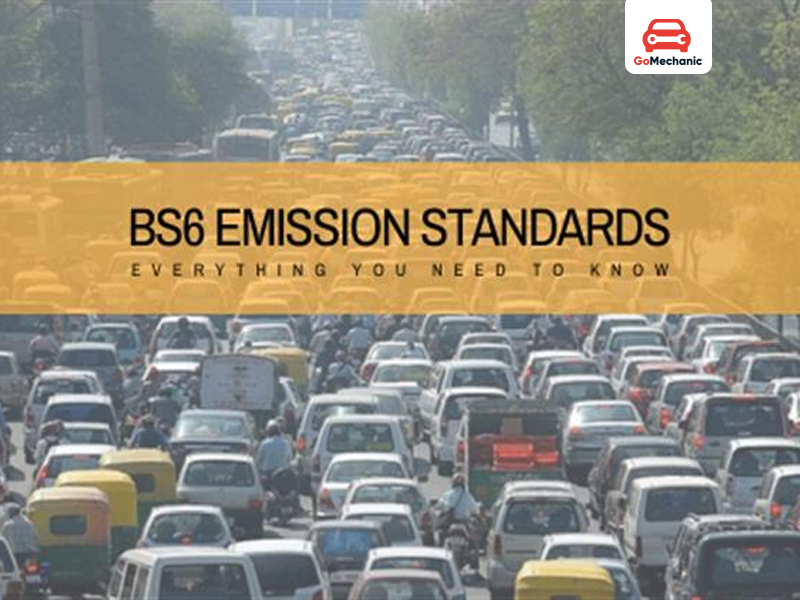
Every car, bike, bus, or truck sold and registered from April 1, 2020, must abide by. No excuses, it’s got to follow the rules. However, heavy machinery and equipment like diggers, tractors, and machines are exempted with a different set of rules to follow. It’s not just rules written on paper. The fuel situation changed too with BS-VI diesel and petrol designed for cleaner burns. The engines were modified too, so they don’t spew what they used to.
1. BS VI Commercial Vehicles
Commercial vehicles like trucks and buses mostly run on diesel. With BS VI emission norms, manufacturers have had to step up, adding exhaust after-treatment systems and tweaking engine designs for better efficiency.
Here’s how it works. The hardware includes devices like Diesel Particulate Filters (DPFs). These filters catch soot, a byproduct of incomplete combustion in diesel engines. Over time, the soot burns off, but not all of it. Some remain, forming ash. Why? Because the unburned oil trapped in the soot contains additives that resist combustion. This ash doesn’t disappear on its own; it has to be physically cleaned from the filter.
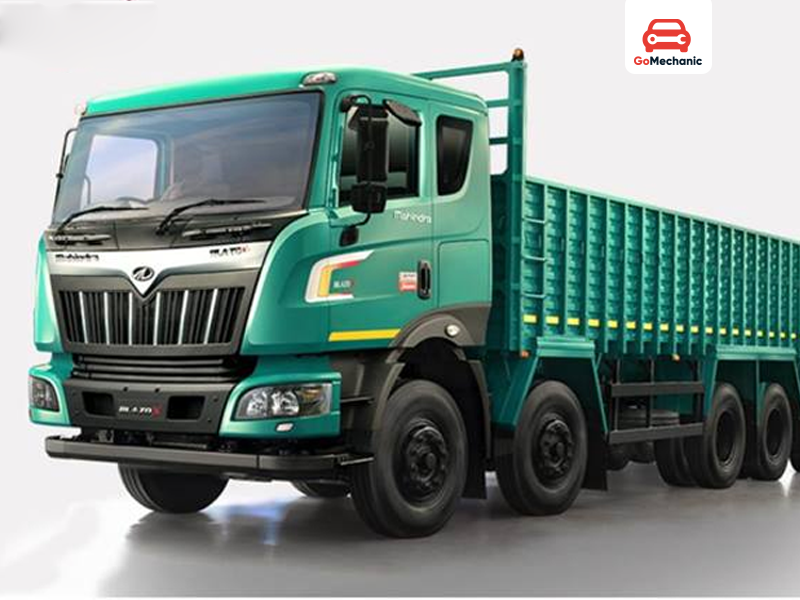
Here’s the catch: the type of engine oil matters. Conventional diesel engine oils. API CF-4, API CH-4, API CI-4, or even API CI-4 PLUS produce higher ash content. These oils aren’t compatible with vehicles using DPFs. Instead, these engines need specially formulated low-SAPS (Sulfated Ash, Phosphorus, and Sulfur) oils. These oils are designed to reduce ash buildup, helping DPFs work effectively and keeping vehicles compliant with BS VI norms.
2. Diesel Passenger Vehicles
To meet BS VI emission norms, manufacturers of diesel passenger vehicles are following what worked for commercial ones. They have added Diesel Particulate Filters (DPF), Selective Catalytic Reduction (SCR), and Diesel Oxidation Catalysts (DOC) to the exhaust system. It’s a clean-up act, quite literally.
What About Lubricants?
These BS VI-compliant engines, with their DPF systems, need low Sulfated Ash, Phosphorus, and Sulfur (SAPS) engine oils. Passenger vehicles, unlike trucks, operate under lighter loads, so the industry leans on European standards—ACEA specifications—to get it right. Oils meeting ACEA C2, C3, or C5 are the go-to options. The “C” here? It simply means “Catalyst compatible.” Simple, functional, and designed to keep your diesel car running clean and smooth.
3. Petrol Passenger Vehicles
Petrol vehicles burn cleaner than diesel, which makes meeting BS VI emission norms a bit simpler for manufacturers. Some tweaks in petrol engines, like adding turbocharging or switching fuel injection systems, helped achieve compliance. As for exhaust treatment, no major overhauls were needed. The three-way catalytic converter already did its job well enough to handle the stricter standards. When it came to lubricants, petrol vehicles with conventional fuel injection systems got by with engine oils meeting the API SN standard. It was enough to keep the catalyst protected, no extra bells or whistles were needed.
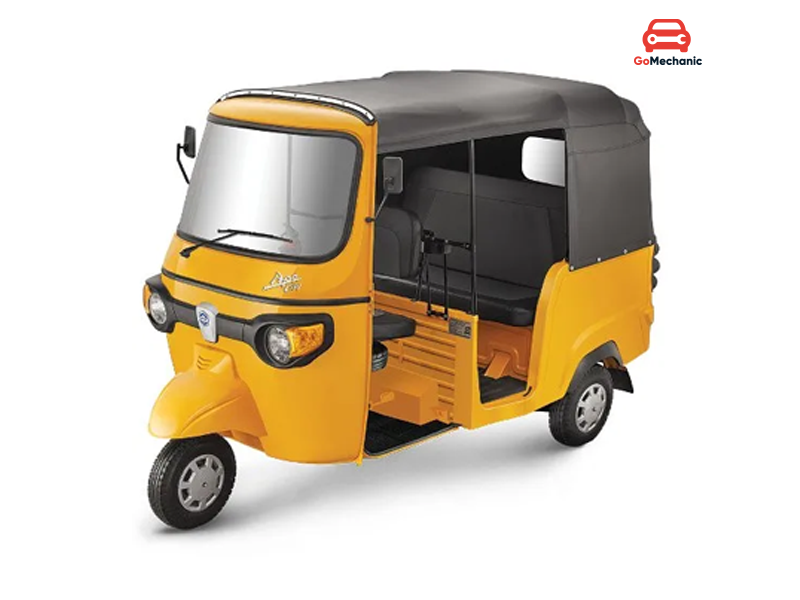
For vehicles equipped with Turbocharged Gasoline Direct Injection (TGDI) or Gasoline Direct Injection (GDI) engines, it was a slightly different story. These engines demanded more. API SN PLUS or API SP oils are the go-to choices, offering the additional protection these advanced systems need.
4. CNG Passenger Vehicles
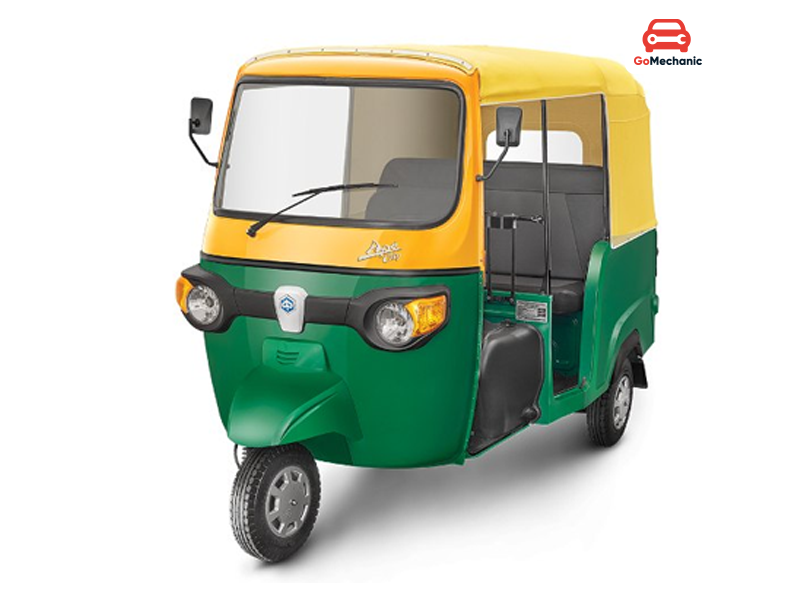
Compressed natural gas (CNG) is, at its core, a cleaner fuel. For passenger vehicles running on it, there’s no need for any special hardware changes—no surprises, just simplicity. As for CNG-powered passenger vehicles? They use oils recommended for BS VI petrol engines. The difference? CNG oils generally have a higher viscosity—thicker, designed to handle the unique demands of CNG combustion. No drama, just a minor adjustment for better compatibility.
5. BS VI Two Wheeler
Motorcycles, scooters, and mopeds all run on petrol. However, the move to BS VI emission norms pushed manufacturers to rethink how these machines should breathe.Carburettors were out. Port fuel injection was in. The result? Fuel burnt cleaner, but it also means engines run hotter. The old oils were not enough anymore.
Then there was the exhaust. A shift from two-way to three-way catalysts might sound small, but it was not. This upgrade cut emissions better, but it was picky. Too much phosphorus in the engine oil and the catalyst’s active metals would get poisoned. Add to that the unique challenges of two-wheeler engines, where heat and volatility are higher. Oils needed to level up. BS VI two-wheelers demanded engine oils with higher API performance levels for better oxidation and thermal stability (API SN). Phosphorus levels? They needed to stay low, below 800 ppm to match JASO specs, while keeping volatility minimal. Only then can the catalyst keep doing its job.
Impact of BS6
Health Benefits:
- Significant reduction in particulate matter (PM) and NOx decreases respiratory and cardiovascular diseases.
- Air pollution is estimated to cause 620,000 early deaths annually in India.
Technological Adoption:
Stricter norms accelerated technological advancements like fuel injectors, DPF, and SCR systems.
Cost Implications:
- Vehicle Costs: Higher due to advanced emission control technologies.
- Fuel Prices: Increase with cleaner fuels.
- Offset: Savings in public health costs.
Environmental Benefits:
- 70% Reduction in NOx for diesel vehicles.
- 25% Reduction in NOx for petrol vehicles.
- 82% Cut in PM emissions for diesel engines.
You might find this interesting – What is Paint Protection Film and Why Your Car Needs It
Challenges to BS6
- Periodic Pollution Checks: Ineffective due to malpractices, poor enforcement, and lack of rigorous standards.
- Hike in Cost of Vehicles: New technologies like DPF and SCR increase production costs, making vehicles pricier for consumers.
- Fuel Compatibility: Diesel vehicles face challenges if BS6-grade fuel is used in BS4 engines.
- Cycle Beating: Some automakers optimize vehicles to perform well in lab tests but not in real-world driving.
- No CO2 Limits: India lacks mandatory CO2 emission caps for vehicles.
Others Read – BH Number Plate: Everything you need to know
Bharat Stage 4 Vs Bharat Stage 6

| Aspect | BS4 | BS6 |
| Full Form | BS4 full form is Bharat Stage 4 | BS6 full form is Bharat Stage 6 |
| Emission standard | Higher permissible limits for pollutants like NOx and PM. | Stricter limits, reducing NOx by 70% (diesel) and PM by 50%. |
| NOx Limit (Diesel) | 250 mg/km | 80 mg/km |
| Particulate matter | 25 mg/km (Diesel) | 12.5 mg/km (Diesel) |
| Fuel Sulfer Content | 50ppm | 10 ppm |
| Technology Requirements | Basic exhaust after-treatment systems. | Advanced systems like Diesel Particulate Filters (DPF) and Selective Catalytic Reduction (SCR). |
| Real Driving Emission | Not applicable. | Introduced in Phase 2 for real-world emission testing. |
| Fuel Efficiency | Lower fuel efficiency compared to BS6 | Improved fuel efficiency due to advanced technologies. |
| Vehicle cost | Lower production costs | Higher due to advanced emission control systems and engine upgrades. |
| Environmental Impact | Moderate reduction in pollutants compared to BS3. | Significant reduction in air pollution and greenhouse gas emissions. |
BS6: Way for Cleaner, Greener Roads
The air stings less now, the smoke thinner, the engines quieter. BS6 didn’t come easy—it cost time, money, and effort. But it was necessary. It’s not perfect, far from it, but it’s a start. A step forward in a fight that’s far from over. Inch by inch, breath by breath, we keep moving.
Read for Fun – How to Avoid Car Sickness: Everything you need to know


