






Here’s the thing. Most of us don’t think about car servicing until something feels off. With time, the brakes get softer, the mileage drops, or a weird sound from under the hood that wasn’t there yesterday. But the car keeps running, so we assume it’s fine. But it’s not.
Your car isn’t meant to run fine forever. Every filter, every bit of oil, every small part inside the engine works hard each time you turn the key. Servicing it on time isn’t some fancy luxury. It’s how you make sure the car stays reliable when you actually need it. And if you’re confused about how often you should get your car serviced. You need to think of it like a regular health check. The more regular it is, the longer your car stays strong. In this blog, we will help you understand how frequently a car should be serviced, why it is important, and how helpful it is. Let’s dive right in!
Car Service Interval Guide
Every car manufacturer in India gives you one standard rule: service your car every 10,000 km or 12 months, whichever comes first. That’s the best benchmark. It keeps your engine oil fresh, filters clean, and everything in sync.
But here’s the thing, we don’t have “ideal driving conditions.” Between traffic jams, bad roads, extreme heat, and dusty air, your car works harder than it should. That means for most people, especially in cities, the better interval is every 6 months or 5,000–7,500 km.
If you drive in:
- Heavy traffic every day
- Dusty or hot areas
- Short distances (less than 5 km per trip)
Then yes, you should service more frequently.
You can easily book a car service online at GoMechanic and get free pick-up and drop-off.
Petrol, Diesel, and EVs – Different Cars, Different Intervals
Every car type behaves differently. Here’s a quick look at how often you should service yours:
| Car Type | Ideal Service Interval | Key Focus Areas |
| Petrol Cars | 10,000 km or 12 months | Engine oil, air filter, coolant |
| Diesel Cars | 7,500 km or 6 – 12 months | Fuel filter, injectors, turbo care |
| CNG Cars | 5,000 – 7,000 km or every 6 months | Spark plugs, gas filter, lines |
| Electric Cars (EVs) | 10,000 – 15,000 km or annually | Coolant, brake fluid, software updates |
If you own a used or older car (5+ years), service intervals should be slightly shorter. Parts like seals, hoses, and belts age even when the car sits still.
Why Regular Car Servicing Matters?

Servicing is not about spending money. It’s about saving it in the long run. Here’s what timely maintenance gives you:
- Better fuel efficiency: Clean filters and oil make the engine run smoother.
- Longer life: Replacing parts before they fail keeps the whole system healthy.
- Safety: Brakes, tyres, and suspension stay reliable when checked regularly.
- Higher resale value: Cars with a complete service record always sell better.
Skipping service once might not kill your car, but skipping it twice starts a slow breakdown.
What Happens During a Car Service?
A proper car service is more than just an oil change. Here’s what most workshops (including GoMechanic) check during a routine service:
- Engine oil and oil filter replacement.
- Top-up of coolant, brake, and washer fluid.
- Air and cabin filter cleaning or replacement.
- Tyre rotation, wheel balancing, and alignment.
- Battery health and charging test.
- Brake inspection and cleaning.
- Full body and engine bay check.
- Diagnostic scan for sensors and electronics.
Every 20,000–30,000 km, you’ll need a major service, which includes spark plugs, coolant replacement, brake fluid flush, and deep cleaning of the fuel and intake systems.
Signs Your Car Needs Service Before Schedule
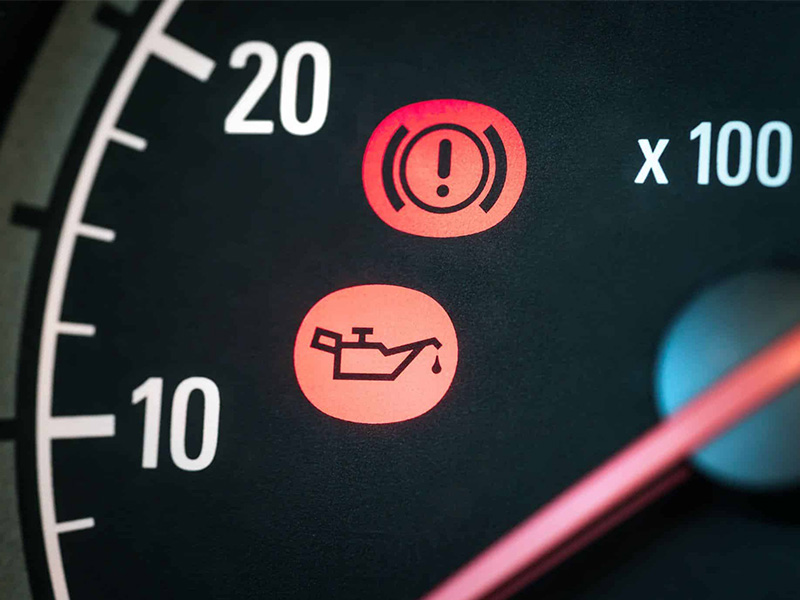
Even if you’re following the calendar, your car sometimes asks for help early. Look out for these signs:
Unusual noises like knocking, squealing, or grinding from the engine or brakes.
- Warning lights on the dashboard, especially “Check Engine” or oil pressure lights.
- Reduced mileage even when you’re driving the same routes.
- Vibration or pulling while steering or braking.
- Difficulty starting or stalling during traffic signals.
- Burning smell or smoke from the engine bay or exhaust.
If any of this happens, don’t wait for your service date. Book an inspection. You can schedule it in minutes on GoMechanic and have experts check it before the damage spreads.
How to Maintain Your Car Between Services?
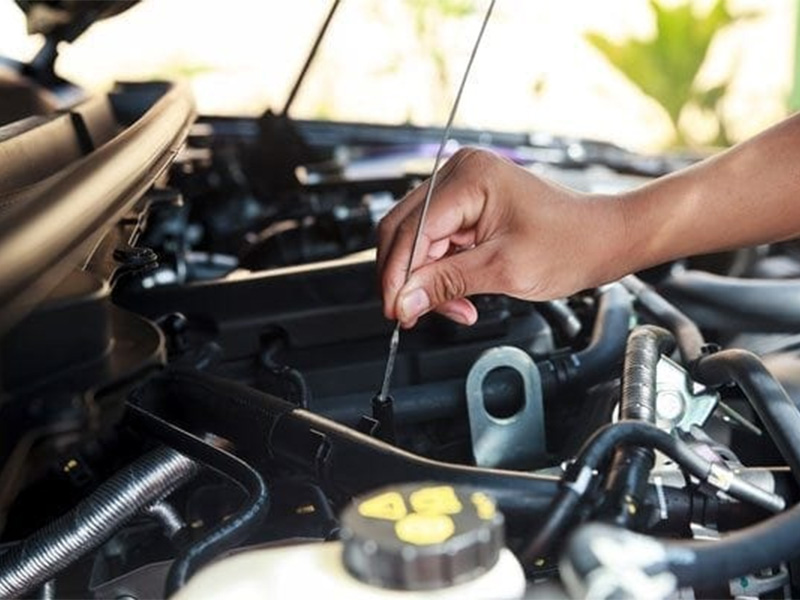
A few quick checks at home can save you time and money:
- Check tyre pressure every 10 – 15 days.
- Keep an eye on the engine oil level and colour using the dipstick.
- Make sure the coolant stays between “min” and “max.”
- Clean the air filter monthly, especially in dusty areas.
- Listen for new noises – your ears often spot problems before sensors do.
It’s small stuff, but it adds up to big savings and a smoother drive.
For Used Cars, Be Extra Careful
If you’ve bought a second-hand car, the first thing you should do is check its service history. If there are missing records, just get a full service done. That way you start fresh, new oil, clean filters, inspected brakes, all under your name.
Used cars need more frequent servicing, especially after 5–6 years or 70,000+ km. Components start aging faster, even if they look fine. A good rule is to cut the interval by 20–25%.
Cost of Regular Car Servicing in India
Servicing costs depend on the brand, but here’s a rough idea:
- Hatchbacks: ₹3,000–₹5,000
- Sedans: ₹5,000–₹8,000
- SUVs: ₹6,000–₹10,000
- Luxury cars: ₹12,000+
At GoMechanic, services are transparent and affordable – you can check prices upfront for your exact model on the car service page
Conclusion
Here’s the truth. Car servicing isn’t an expense. It’s how you save your car from bigger problems later. The 10,000 km or yearly rule works fine for balanced driving, but if you live in traffic, heat, or dust, do it every 6 months or around 7,000 km. Don’t wait for the warning lights or burning smell. Once those signs show up, you’re already late. Regular servicing keeps your car smooth, safe, and fuel-efficient. It also makes driving feel easy again, like it’s meant to be.
And if you want it done right without wasting a day, book a GoMechanic service. They’ll pick up your car, fix what’s needed, and drop it back better than before. No stress, no follow-ups, just a car that runs the way it should.
And when you’re ready to explore more, check out:
FAQs
1. How often should I service my car in India?
Honestly, every 6 months is safer. The manual says 10,000 km or one year, but Indian traffic kills that logic. Too much idling, too much dust. Just change the oil twice a year, keep the filters clean, and you’ll notice the difference yourself.
2. Can we use a car after 20 years in India?
You can, but only if it’s fit. After 15 years, you need to renew the car’s fitness every 5 years. In Delhi NCR, old petrol and diesel cars aren’t allowed, so that’s a dead end. But in other states, if the car is clean and passes the test, you’re good.
3. How frequently should I service my car?
Twice a year. That’s it. Don’t stretch it till the engine starts creating prblem. Oil loses life faster than you think, especially in city runs. Even if you barely drive, service on time. Cars hate being ignored.
4. Is 300,000 km too much for a car?
Not really. Cars run past 3 lakh easily if they’ve been cared for. It’s not about the odometer, it’s about how you’ve treated it. If it’s serviced on time and runs clean, the engine still has a lot left in it.
5. How long is RC valid in India?
15 years for private cars. After that, you renew it every 5 years with a fitness test. If it passes, the RTO clears it. Keep it serviced, keep it clean, and it’ll stay on the road.
Read more blogs:
- Car Service: The last guide you will ever need
- Car Service History: Why It Matters and How It Boosts Your Resale Value
- 10 Most Googled Questions About Car Service In India!
- How GoMechanic Car Service Can Transform Your Vehicle Servicing Experience!
- How to Book Professional Car Dent Service at GoMechanic: A Step-by-Step Guide


