






Sweating is how your body gets rid of the excessive heat, and similarly, coolant lowers your car’s engine temperature. When a vehicle reaches its operating temperature, the thermostat opens up. Coolant flows through the engine; it absorbs the surplus heat and then disperses it into the air with the help of a radiator.

Earlier, water was used as a coolant. However, there are two downsides to it:
- Water has a freezing point of 0 degrees Celsius, which means that if it freezes, the cooling system will get blocked, and it can even create cracks in the engine block.
- It can react with the iron in the engine block and form rust. This would eventually choke the radiator and cause the radiator and engine block issues.
What Is Antifreeze/Engine Coolant?
To solve these problems, Antifreeze was invented; an engine coolant is simply a 50-50 mix of Antifreeze and distilled water. This is a magical fluid because it keeps the engine cool in scorching heat and protects it in freezing weather.
To keep your engine healthy, choosing a good quality coolant is necessary. When Antifreeze is diluted with water, it can lower the freezing point of the coolant to about -27 degrees Celsius and raise the boiling to about 127 degrees Celsius. So, how will you know which coolant is the best or which one to choose? Let’s talk about how many types of coolants are there.
Subscribe To The GoMechanic YouTube Channel
Different Types of Engine Coolant
Today, automotive service providers use three basic types of engine coolant:
• IAT – Inorganic Additive Technology
This distinctive green-coloured coolant protected cooling systems for decades, but it is rarely used as factory fill in modern cars. One reason is the fast depletion rate of its additives, which means it has to be changed more frequently, usually every two years or 40,000 kilometres.
Silicates also carriers abrasive particles to the water pump, where it wears away pump seals, causing leakage and failure.
• OAT – Organic Acid Technology
Commonly required for vehicles manufactured by VW vehicles and some other automakers, OAT’s are not compatible with other types. Usually orange, yellow, red or purple, OAT coolants are changed every five years or 80,000 kilometres.
• HOAT – Hybrid Organic Acid Technology
Providing the benefits of IAT and OAT, HOAT coolants are primarily orange and yellow and common in modern vehicles. HOAT coolants are typically changed every five years or 2 lakh kilometres
Which Type Of Coolant Is Required For Your Car?
The type of coolant required by your vehicle can now vary by year, make, model, engine and even the country where the car was made.
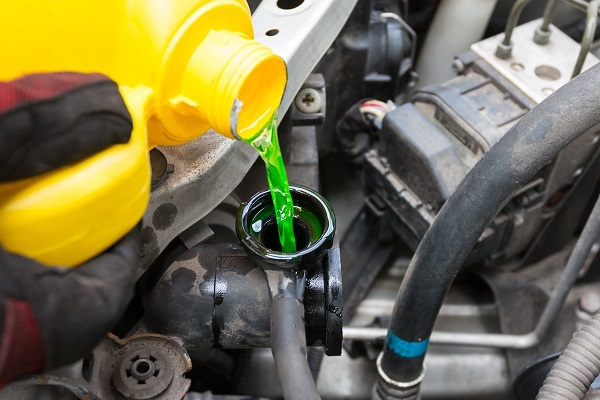
With so many factors in play, car owners need to know which type of engine coolant is suitable for their vehicle. The owner manual will let you know the type required for your car and the exact volume.
What is MEG?
MEG (Mono Ethylene Glycol) is an antifreeze additive that protects the cooling system from freezing down or boiling up. Every coolant has a different ratio of MEG, and it can define its performance. A 1:1 solution of MEG and water boils at 129 °C and freezes at −37 °C, serving as an excellent coolant in automotive radiators.
What is a Refractometer?
A refractometer is a well-established instrument to measure the MEG content of Antifreeze. It measures the refractive index of liquid, which changes according to the moisture content.
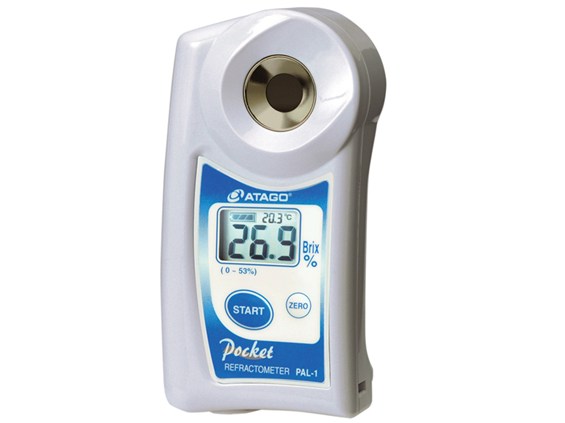
Digital refractometers require a drop of the tested solution to be placed in a well. That well is illuminated by a light source. Usually, an LED light and the meter interpret the light transmission into the refractive index. The MEG percentage of coolant should not surpass a particular value. Given below are the consequences of under or over-concentration of MEG in a coolant.
Under concentration of Antifreeze causes:
- Liner or water pump impeller cavitation.
- General Corrosion.
- Deposits on heat transfer surfaces.
- Plugging of the system with corrosion products.
- Freezing and resultant overheating and cracking of blocks, etc.
Over concentration of Antifreeze causes:
- Water pump seal seepage.
- Solder bloom or solder corrosion.
- Hose and gasket seepage.
- Plugging of the system with precipitates or gelled additive.
- Slush formation and resultant overheating.
This valuable piece of information will help you decide the best coolant for your car and keep it healthy in the long run.
FAQs
1. Which coolant is best for the car?
The best coolant for your car is the one recommended in your vehicle’s owner manual. The engines of vehicles need specific coolant types which include OAT, HOAT and IAT. The proper coolant selection maintains engine temperature regulations while stopping corrosion and safeguarding engine components. You should use the exact type that has been specified instead of selecting based on color.
2. Can I put the wrong coolant in my car?
The engine will sustain major harm from using incorrect coolant. The different chemical compositions of coolants create a risk of system damage through mixing wrong coolant types which results in system corrosion, overheating and clogging. You should consult your owner’s manual to find the appropriate information before you begin topping up your vehicle.
3. What coolant lasts the longest?
Extended-life coolants and long-life coolants provide maximum durability because they can last five years and cover 1,50,000 kilometers. These coolants are specially formulated to provide extended protection against rust as well as the wearing tearing. The actual lifespan of the product depends on the recommendations provided by your vehicle manufacturer.
4. Is it okay to mix old and new coolant?
The practice of mixing old coolant with fresh coolant is not advisable because it decreases overall cooling system performance. Old coolant loses its protective abilities through time and the combination of old coolant with fresh coolant will not bring back its complete protective abilities. The safest method requires a complete system flush followed by a total system refill.
5. Is it safe to drive with low coolant?
The engine will overheat when drivers operate their vehicles with insufficient coolant levels. The overheating process will result in major engine problems which will require costly repairs. The driver must immediately add coolant after observing low levels and then inspect the vehicle for potential leaks.

