






Suspension is one of the most important parts of your car, and struts are the backbone of the suspension, but many people don’t even know what struts are and why they are important. Struts in a car are a combination of a shock absorber and a coil spring, integrated into a single structural unit that keeps your ride smooth and comfortable. Nowadays, vehicles come with 2 types of struts – passive struts and electronic struts. There is always a debate on electronic struts vs passive struts. In this blog, we will learn about what struts really are and electronic struts vs passive struts. What are passive struts, electronic struts vs passive struts performance, etc?
What are struts?
To understand what are struts, it is important to know that they are an important component of your car’s suspension system is the struts. Struts act as both a shock absorber, controlling the up and down movement of the suspension, holding the spring and maintaining wheel alignment, and keeping the tyres strongly in contact with the ground.
If your car doesn’t have struts, it will impact your ride; your car will bounce very roughly every time it crosses a speed breaker or pothole. It does not matter whether you are driving on a highway or a bad city road; struts help your car stay balanced, improve your control over your car, and provide a stable ride.
In summary, struts have a direct impact on handling, braking, and safety in addition to comfort. Therefore, before comparing the performance of electronic and passive struts, it is important to understand them. There are 2 types of struts in the suspension: passive struts and electronic struts; let’s understand both in detail.
Read more: The Essential Equipment Every Luxury Car Workshop Should Have: Don’t Settle for Less
Passive Struts
So let’s understand what are passive struts. The majority of cars have these traditional struts. Because passive struts have a fixed damping rate, they react to brakes, curves, and bumps in the same way in every type of road condition.
They have a straightforward design: a damper to control motion and a spring to absorb shocks. As a result, they are dependable & durable & do not need complex electronics to work.
The cost-effectiveness of passive struts is their primary benefit. They are easier to repair, less expensive to purchase, and typically require less upkeep. The majority of regular autos employ them for this reason. However, in more difficult situations, they might not provide the same comfort and handling as electronic struts since they are unable to adjust to changing road conditions.
Electronic struts
Electronic struts are one level up in technology from passive struts. Electronic struts are made to adjust, in contrast to passive struts, which remain stationary. They automatically modify damping according to road conditions, speed, and driving aggression using sensors, onboard computers, and occasionally even driving modes.
Consider it this way: they maintain a comfortable and gentle ride on a smooth highway. They tighten up to provide you with better control and stability when you hit a rough patch or a sharp bend. They are mainly well-liked in luxury automobiles and SUVs because of their versatility.
Compared to passive struts, they are more costly to build and maintain. However, electronic struts make a significant difference for drivers seeking the finest possible mix between comfort and performance.
Fun to read:Car Service: The last guide you will ever need
Electronic Struts vs Passive Struts Performance
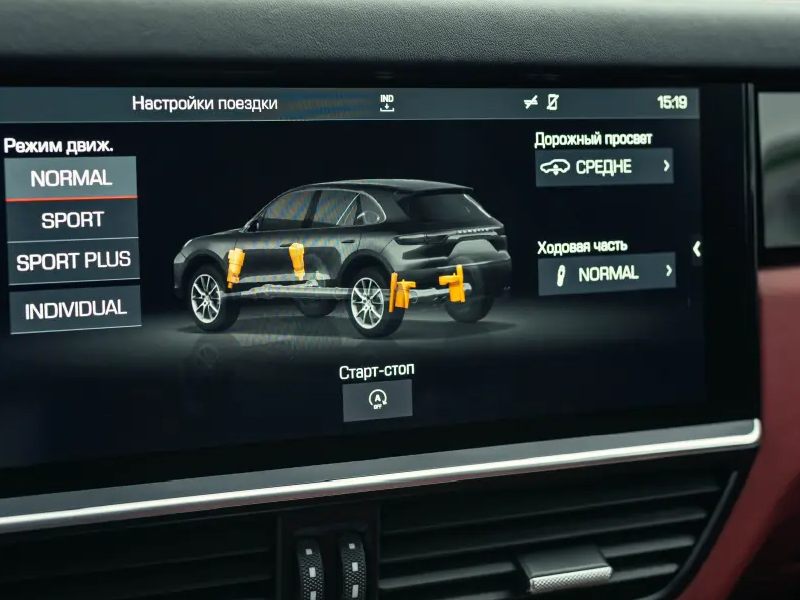
When it comes to performance, the difference between electronic and passive struts is all about adaptability versus consistency.
1. Ride Comfort
Electronic Struts: electronic struts provide adjustments in your car in real time when you are driving your car, giving a smoother ride on highways and more control on rough roads.
Passive Struts: They offer a stable, great feel, but your car feels bouncy on uneven surfaces.
2. Handling and Stability
Electronic Struts: Great during sharp turns and sudden activity because they stiffen up when needed.
Passive Struts: Reliable for normal driving but lack the dynamic response of electronic systems.
3. Braking Performance
Electronic Struts: electronic struts reduce body roll and give you more control when heavy braking is applied, which improves safety and control for its users
Passive Struts: Manage the basics, but do not adapt to sudden or extreme braking conditions.
4. Cost vs Value
Electronic Struts: More expensive but deliver noticeable improvements for performance-focused or comfort-driven drivers.
Passive Struts: They are budget-friendly and simple, making them practical for daily driving. If you are someone who prefers long drives, this can be a good choice for you.
Pros and cons: Electronic Struts vs Passive Struts
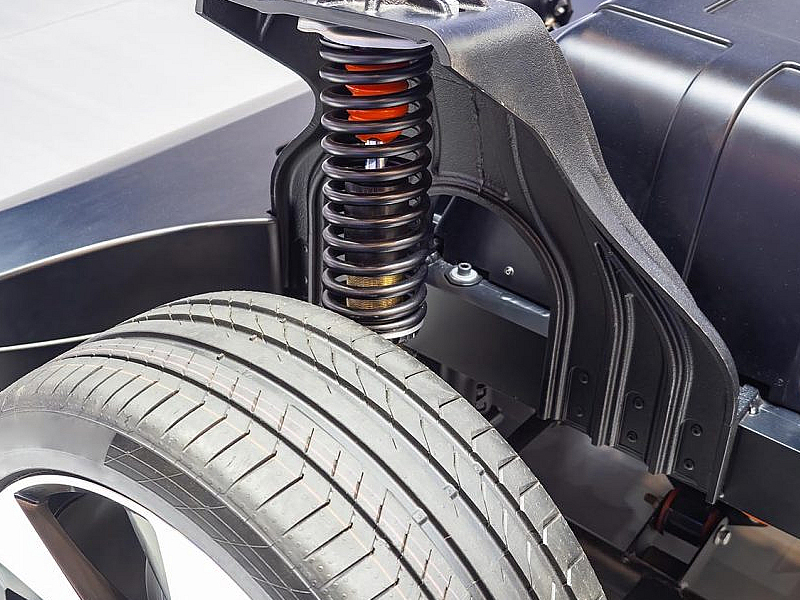
Electronic Struts
Pros:
- Adjust damping automatically based on road and driving conditions
- Provide superior comfort and stability
- Provides better handling during sharp turns and high speeds in your car.
- It generally comes with customizable driving modes like comfort, sport, etc.
Cons:
- Expensive to install and replace, they need frequent car repair.
- Higher maintenance costs due to complex electronics
- As compared to passive struts, it has a shorter lifespan.
- For repairs, you need skilled technicians; not every garage can handle them.
Passive struts
Pros:
- Affordable upfront cost
- Easy to replace and widely available
- Longer lifespan with fewer components that can fail
- Reliable performance for everyday city and highway driving
- Low maintenance and simpler repairs
Cons:
- Fixed damping, no adaptability to changing road conditions
- Can feel bouncy or unstable on rough terrain
- Less control during sudden maneuvers or emergency braking
- Not as comfortable as electronic struts for long-distance drives
- When to Choose Electronic Over Passive (and Vice Versa)
If you’re confused between electronic and passive struts, which one should you choose?
Here is the detailed explanation. It depends on your driving style, budget, and expectations for your car.
Electronic Struts if:
- You generally drive on highways & uneven roads where adaptability matters.
- Comfort and ride quality are what you need most, especially for long trips or premium vehicles.
- You want modern tech features like adjustable driving modes.
- Budget isn’t the main concern, and you don’t mind higher maintenance costs.
Stick with passive struts if:
- You mostly drive in the city with known road conditions.
- You want a less costly, reliable option that is easy to replace.
- Long-term and low maintenance are more important than high-end comfort.
- You’re driving an older or budget-friendly car where electronic struts aren’t practical.
Conclusion
Electronic struts vs passive struts performance comes down to what you value more: adaptability or simplicity. Electronic struts give you comfort, control, and a better response, but they also need a bigger investment in both cost and maintenance. Passive struts, on the other hand, are straightforward: affordable & durable for everyday driving.
If you are someone who enjoys smooth, long drives, wants advanced handling, and does not mind the higher price, electronic struts are worth it. But if you give more importance to a reliable suspension system that is budget-friendly and easy to maintain, passive struts are a good option for you.
The solution is to match your struts to your driving style and needs, because the right choice ensures not just comfort and safety also.
FAQ’s
Q1. Can you replace the electric struts with regular struts?
Yes, you can replace your electric struts with regular struts. Conversion kit offers an alternative; these kits allow you to replace electronic struts with regular struts.
Q2. What are the advantages of passive suspension?
Passive suspension is more cost-effective, helps you save money, is more comfortable, and requires little maintenance in your car..
Q3. What are the disadvantages of active suspension?
Active suspension requires frequent maintenance, which costs more than passive suspension, and it comes with a complicated structure.
Q4. How long do electric struts last?
Like every other car life of an electric strut depends on many things, like the road conditions you drive your vehicle in, how fast you drive, and how you take your car through speed breakers and potholes. However, it generally lasts 80,000-1,60,000 km.
Q5. Will new struts make a difference?
Over time, performance will decrease, and you generally do not realize how much the handling and control are lost. Replacing shocks & struts after 80,0000 kms can keep the vehicle performing & also extend its life.


