






The three most important categories of car in the car market that we come across are Hatchbacks, Sedans and SUVs. The choice between them is more than just looks. It’s about their performance, how it feels to drive them and how they fit in your life. Three different cars, three different purposes but somehow they all claim to be best. Let’s look at these cars and the features they offer.
Hatchback–The Compact Practical Option
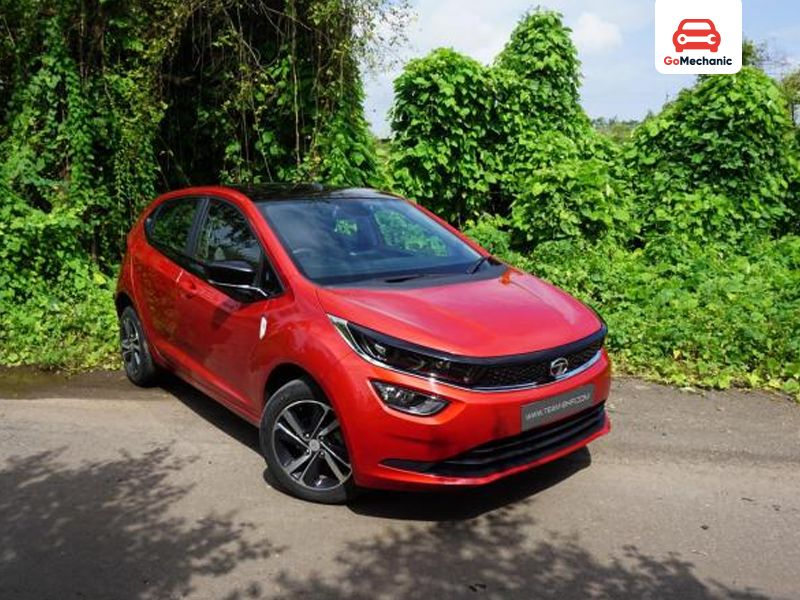
Need something compact and practical? Don’t worry! This one’s for you. Hatchbacks are built for practicality and are compact. These cars have a large boot space which adds flexibility making it more versatile than sedans and SUVs. Hatchbacks normally accommodate 4 to 5 people easily. These cars are more fuel efficient and budget friendly which comes in all sorts of colours and modern design, making it a preferred choice of many families. But let’s be honest , it’s not a luxury ride.
Key Strengths:
- Compact design for tight spaces
- Efficient on fuel
- Affordable price tag
- Versatile rear space
Drawbacks:
- Limited rear passenger legroom
- Not ideal for long trips
- Smaller engines, less power
Sedans–Smooth, Balanced and a Touch of Class
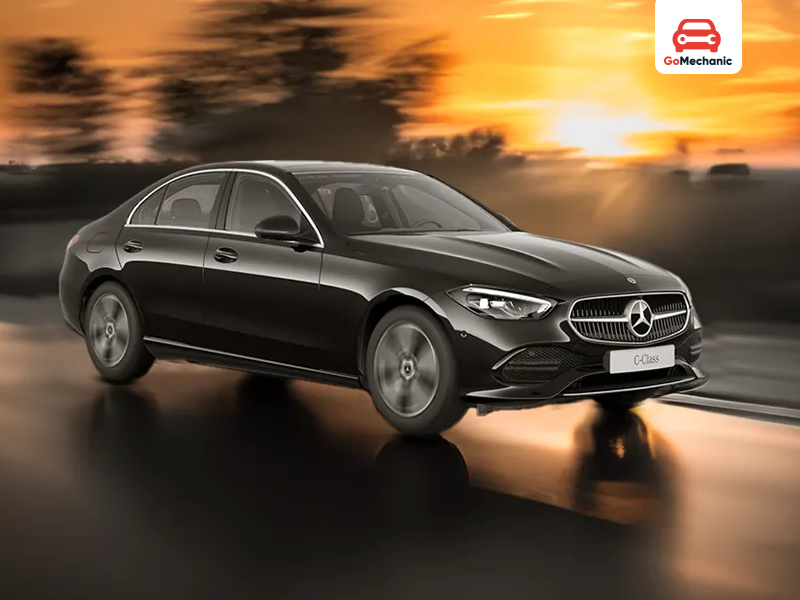
Need something classy? Here it is. Sedan is well known for its classical look and practical 3-box design. The design clearly breaks up the vehicle into the engine compartment, passenger cabin and the cargo area. It has a perfect middle ground which is neither too compact nor too bulky, making it a popular choice in the car market. The sedan is more spacious than hatchback and offers more leg room making the ride more comfortable.
Key Strengths:
- More comfort for longer drives
- Better stability at high speeds
- Enhanced legroom and boot space
Drawbacks:
- Less efficient than a hatchback
- Larger size can be harder to park
- Not as practical for rough roads
Do Read: Sedan vs Hatchback: Comprehensive Guide to Pick the Right Ride for You
SUV–Big, Bold and Ready for Anything
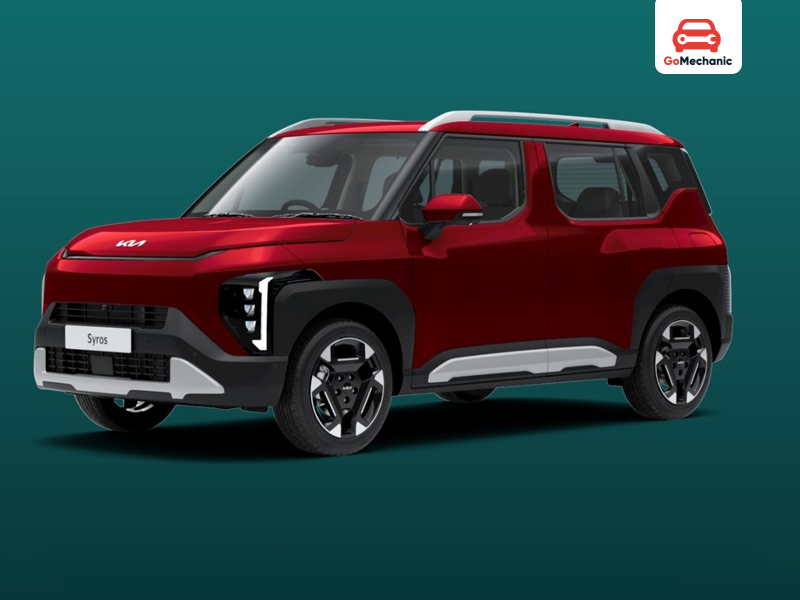
SUVs are for people who like to sit high, see everything, and not worry about road conditions. They own the road, whether it’s a city, highway, or some half-constructed nightmare of a road leading to a weekend getaway. A vehicle that can take you from the city streets to rough terrains with ease. It’s the ideal choice if you value space, ride height, and an ability to handle tough situations. SUV owners are known to love their car’s road presence. But the problem with SUVs is that they are harder to park because of their large body and are more expensive to maintain.
Key Strengths:
- High ground clearance, perfect for tough roads
- More seating space
- Excellent storage capacity
- Strong road presence
Drawbacks:
- Lower fuel efficiency
- Bulkier in city traffic
- Higher cost of ownership
Useful Read: SUV vs Hatchback: The Ultimate Showdown for Indian Roads
The Key Differences:
The difference between hatchback and sedan and SUV is given in the following table:
| Feature | Hatchback | Sedan | SUV |
| Size | Compact | Mid-sized | Large |
| Fuel Efficiency | Best | Average | Lower |
| Passenger Space | Limited | More spacious | Best |
| Storage | Rear hatch, flexible | Separate boot space | Spacious, versatile |
| Handling | Agile, city-friendly | Stable, comfortable | Powerful, but bulky |
| Price | Budget-friendly | Mid-range | Expensive |
What Really Matter– Space, Comfort and Practicality
So when we talk about buying a new car, it’s not just about how it looks or how fast it will go. It’s about what fits into your daily life. And sometimes it’s about that extra space.
Interior Space and Seating Comfort
Hatchback: A hatchback is the epitome of efficiency. While the seats provide comfort, they don’t boast luxury. Legroom, especially in the back, might feel limited, making long trips a bit tiring.
Sedan: A sedan changes things. The sedan offers more legroom and better cushioning and a lower seating position. This makes long drives more comfortable.
SUV: An SUV is in a completely different league. Higher seating position and spacious cabin and large seats. This makes the car more comfortable for both passengers as well as drivers.
Boot Space and Cargo Capacity
Let’s talk about storage—because nobody likes stuffing luggage into tiny gaps.
| Car Type | Boot Space | Best For |
| Hatchback | Small (200-350L) | Grocery runs, small luggage, city use |
| Sedan | Moderate (400-500L) | Long drives, weekend trips, extra storage |
| SUV | Large (500L+) | Road trips, family travel, heavy cargo |
A hatchback makes do with a compact boot. If you’re carrying a couple of bags, it works. But longer trips mean sacrificing rear seat space for extra luggage.
A sedan is better—a dedicated trunk means more secure, weatherproof storage. You don’t have to fold seats or rearrange everything just to fit an extra bag.
An SUV, though, offers the most flexibility—whether it’s a full vacation loadout, camping gear, or just a ridiculous amount of shopping bags, it all fits.
Everyday Practicality: City Traffic, Highways, and Everything in Between
Here’s where hatchbacks shine. City driving means tight parking spaces, small gaps in traffic, and the need for quick turns. Hatchbacks handle all of that effortlessly.
Sedans are smooth and refined, but they aren’t as agile in stop-and-go traffic. Parking one in a tight basement can be a hassle, and maneuvering through narrow streets requires extra patience.
SUVs, though? They own the road, but they don’t exactly glide through it. The higher stance and larger body mean you sit above traffic, but you also take up more space. In packed city streets, an SUV might feel more like an obstacle than an advantage.
Fuel Efficiency and Cost of Ownership: What’s the Real Expense?
You don’t just buy a car and be done with it . It’s an ongoing investment. Fuel, maintenance, insurance and other costs add up. Some cars sip fuel like a careful spender, while others burn through it like it’s unlimited.
When it comes to the difference between hatchback and sedan and SUV in terms of running costs, the difference is clearly evident.
Fuel Efficiency: Hatchback vs Sedan vs SUV
| Car Type | Average Mileage (km/l) | Why? |
| Hatchback | 18-24 km/l | Small engines, lightweight, built for efficiency. |
| Sedan | 14-20 km/l | More power, heavier body, but still balanced. |
| SUV | 10-18 km/l | Bigger engines, more weight, higher fuel consumption. |
A hatchback is hands-down the most fuel-efficient. Lighter body, smaller engine, and built to keep running costs low.
A sedan consumes a little more, but it balances power with efficiency.
And an SUV? It’s the thirstiest of the lot. More weight, bigger engine, and higher fuel consumption. Don’t expect the same mileage as a hatchback or sedan.
Maintenance Costs:
| Car Type | Average Annual Maintenance Cost (₹) |
| Hatchback | 6,000 – 10,000 |
| Sedan | 10,000 – 15,000 |
| SUV | 15,000 – 30,000 |
The cost of maintenance in a hatchback is low. Smaller parts, less complexity, and cheaper repairs.
Sedans sit in the middle range—more components, but not as expensive to maintain as SUVs.
SUVs cost the most. Bigger tires, larger engine parts, and more expensive replacements make maintenance costlier. And if you go for a 4WD model? Then be ready for even higher expenses.
Insurance: What You Pay to Stay Covered
| Car Type | Average Insurance Cost (Per Year) in ₹ |
| Hatchback | 10,000 – 15,000 |
| Sedan | 15,000 – 25,000 |
| SUV | 20,000 – 40,000 |
The hatchbacks have low insurance packages as compared to the Sedans and SUVs due to the higher repair costs.
Hatchback vs Sedan vs SUV – Which One’s Right for You?
There is no right answer and no wrong choice. Just personal preference. It all comes down to you. Your lifestyle and your driving habits are what matters most when you hit the road.
- Want something simple? Affordable? Low maintenance? Go hatchback. Small. Efficient. Get the job done.
- For a balance of comfort, performance and stability. A sedan makes sense. Smooth ride. Good mileage and a little extra space.
- If you crave power, a strong road presence and more space. An SUV owns the road. Big build. Strong stance. Room for everything, ready for anything.
No one-size-fits-all. Just pick what fits you. Because every car serves a different purpose.


