






Our cars are like our status symbol, we want it clean, sleek and at its best. When it comes to the beauty of our car, rust is its worst enemy because it does not show up with warnings. It creeps in quietly. One season of driving through flooded roads, parking near the sea for months or even if it’s raining. At first it’s just a small patch you hardly notice, then it spreads, weakens the structure, eats into safety, and makes the car look older than it is. By the time you take it seriously, fixing it costs more than preventing it ever would.
In India this problem is worse. Coastal air loaded with salt makes cars rust much faster, but even away from the coast the risk is real. Cities with heavy monsoons like Delhi, Lucknow, or Bengaluru see cars stuck in waterlogged streets every year. Put all of this together and you’ll understand why anti rust coating for cars is less of an add-on and more of a smart choice. The only catch is that not every treatment is the same, so knowing what to choose matters.
Why does Rust become a big deal?
- Monsoons are the first reason. Once your car stands in water, even for a few hours, corrosion starts. You may not see it right away, but it’s there.
- Coastal air is another. Salt settles on exposed metal, and once it starts, rust spreads quicker than you expect. Cars in Goa or Chennai always show this earlier.
- Roads make it worse. A stone chip, a scrape on a speed breaker, or just constant wear removes the thin layer of factory protection and exposes bare metal. From there, it’s just a matter of time.
- With E20 rolling out, ethanol in petrol attracts moisture. That extra moisture doesn’t help, it only increases corrosion around fuel systems and underbody areas already exposed to dirt and water.
So the problem isn’t one thing, it’s all of it together.
What Treatments are out there?
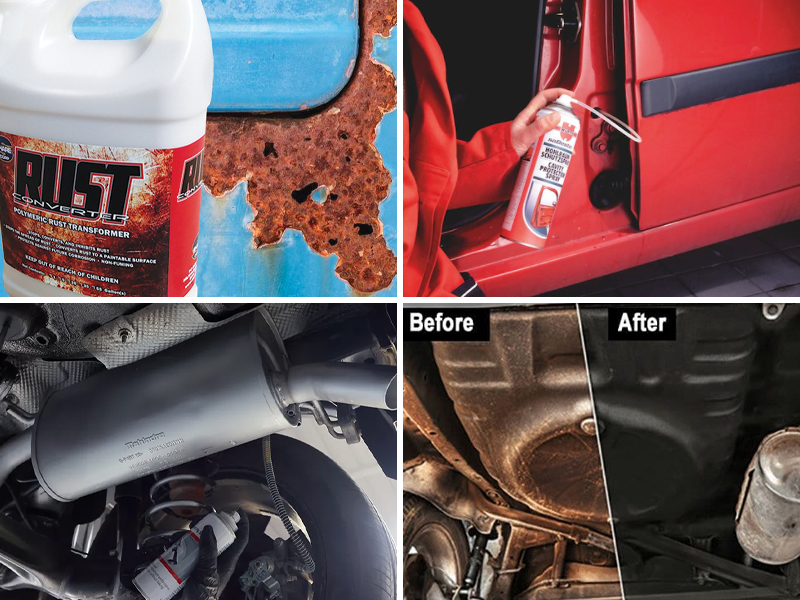
When you look at automotive rust protection services, you’ll see a few different types. Each one does a different job, so it’s not about picking the “best” but the one that suits your car.
1. Underbody Rust protection service
This is the common one. A rubberised or resin-based coat sprayed on the underbody and wheel arches. It blocks water, mud, stones, and adds a small bit of noise damping too. If you drive often in the rain or scrape the underbody now and then, this is worth doing. It usually lasts two to five years.
2. Cavity wax
The rust you don’t see is worse than the rust you do. It starts inside doors, sills, and pillars and spreads out. Cavity wax is sprayed into these hollow areas, seeps into seams, and protects from the inside. Coastal cities or older cars really benefit from this.
3. Silencer and exhaust coating
Exhausts rust fast because of heat and water. You need a high-temperature coating here, not the same underbody material. This slows down the surface rust on silencers and pipes.
4. Rust converters and primers
If rust has already begun, you can’t just spray over it. A converter is applied first to stop the rust from spreading, then primers and coatings go on top. This is more repair than prevention, but it’s important for cars already showing brown patches.
Car rust proofing treatment cost in India
Costs change by city, car size, and product, but here’s what you’ll usually see:
| Service | Typical Cost Range | Lifespan | Details |
| Underbody coating | ₹3,000 – ₹7,000 | 2 – 5 years | Protects floor pan, wheel arches, and exposed underbody parts. |
| Cavity wax | ₹2,000 – ₹5,000 | 3 – 5 years | Applied inside doors, sills, and pillars to stop inside-out rust. |
| Silencer / exhaust coating | ₹800 – ₹1,500 | 1 – 2 years | High-temp coating to slow rust on exhaust and silencer pipes. |
| Full rust protection package | ₹8,000 – ₹15,000 | 4 – 5 years | Combines underbody, cavity wax, and silencer coating with inspections. |
At GoMechanic, prices stay in this range, but what makes the difference is the process. We wash, dry, and mask the car properly before coating, and you get warranty and follow-ups. That’s what separates a coating that stays on for years from one that peels off in a few months.
How to Pick What Your Car Needs?
Not every car needs the full package. Think about how and where you use yours.
- Brand new, mostly city, parked indoors
An inspection is enough. You don’t have to rush into coatings. - Coastal city or monsoon zone
Go for the underbody plus cavity wax. Salt and water are constant, so both inside and outside areas need protection. - Older than 5 years
Get a rust check first. If it’s already started, stabilise it before adding any new layer. - SUVs, off-roaders, cars that scrape often
Underbody coating makes sense here. These cars hit stones and rough roads more often.
It’s not about buying the most expensive option. It’s about picking what matches your situation.
What a Professional Rust Treatment for Cars Should Look Like?
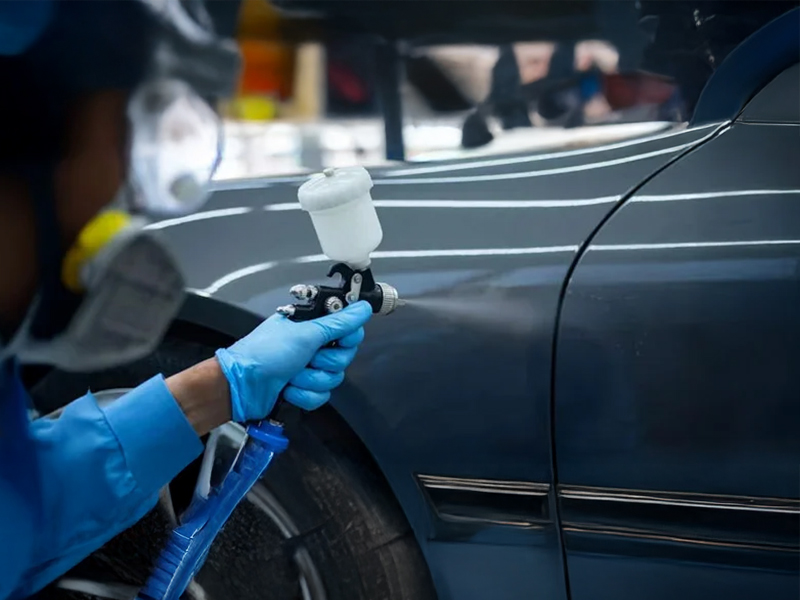
Spraying a black coat under the car isn’t enough. A good rust protection service should:
- Wash the underbody properly to remove dirt and oil.
- Dry it completely before any product is applied.
- Check for existing rust and treat it if needed.
- Mask brakes, joints, sensors, bushings, and drain holes so nothing important gets covered.
- Apply the product evenly and at the right thickness.
- Give you a warranty and check-up schedule.
Skip any of these, and the coating is more show than protection.
Car Rust Prevention Tips that Make Coatings Last Longer
Coating helps, but your habits keep rust away longer.
- Wash the underbody after driving through floodwater or along salty coastal roads.
- Don’t let drain holes in doors and sills get blocked.
- Avoid leaving your car parked on damp ground for weeks.
- Before every monsoon, check wheel wells, exhaust, and underbody panels.
- Ask for underbody inspection during your regular service, and if you want the inside of your car to age well too, here are some expert tips to preserve your car’s interior.
Workshops like GoMechanic already include these checks in their packages, so you don’t have to make a separate trip just to worry about rust.
DIY vs Professional
Here’s a clear breakdown of the common rust protection treatments in India, what they cost, how long they last, and the value they actually offer.
| Service | Typical Cost Range | Lifespan | Details |
| Underbody coating | ₹3,000 – ₹7,000 | 2 – 5 years | Protects floor pan, wheel arches, and exposed underbody parts. |
| Cavity wax | ₹2,000 – ₹5,000 | 3 – 5 years | Applied inside doors, sills, and pillars to stop inside-out rust. |
| Silencer / exhaust coating | ₹800 – ₹1,500 | 1 – 2 years | High-temp coating to slow rust on exhaust and silencer pipes. |
| Full rust protection package | ₹8,000 – ₹15,000 | 4 – 5 years | Combines underbody, cavity wax, and silencer coating with inspections. |
| DIY sprays vs professional | ₹600 – ₹1,200 (DIY) / Pro ₹3,000+ | Few months – 2-5 Years | DIY looks cheap but lacks prep and masking; professionals include cleaning, right products, warranty, and follow-ups. |
Conclusion
Rust protection in India isn’t about making the car look shiny. It’s about making sure it survives monsoons, salty air, rough roads, and fuels that hold more moisture than ever.That’s where car detailing comes in. The best car rust protection in India isn’t one single product, it’s choosing the treatment that matches your car’s life.
Underbody coating works for most, cavity wax helps where humidity never lets up, silencers need their own high-temp coat, and older cars must be treated before any new layer goes on. Done professionally, these treatments don’t just save money on repairs, they keep your car stronger and more valuable for years.
GoMechanic makes that choice easier with warranty-backed services and proper processes, available across India. No hard sell, no shortcuts, just the kind of protection that actually works. You can check all the necessary services here.
FAQs
What is the best anti-rust treatment for cars?
Depends on your car and where you drive. Underbody coating is the usual pick because it protects against water and stones. If rust hides inside doors and pillars, go for cavity wax. Exhausts need a silencer coat. And if rust is already showing, start with a converter before adding anything else.
What is the price of 3M anti-rust coating for cars?
In workshops, 3M underbody coating usually sits around ₹4,000–₹7,500 depending on the size of the car. If you’re the DIY type, a 1 kg can of 3M Underseal sells online for about ₹600–₹700.
What permanently stops rust?
Nothing “permanent” if you leave it untreated. The only way is to clean it up, treat it, and seal it. Systems like POR-15 are made to block moisture and salt once applied properly, and that’s what keeps rust from coming back.
Is POR-15 a rust converter?
No. It’s a rust-preventive coating, not a converter. You use it after the surface is clean or treated. If you slap it over active rust, it won’t stick right.
Is it recommended to have an anti-rust coating on a car?
Yes, if you deal with floods, salty air, or rough roads. It saves you money later and keeps resale value intact. If your car lives inland and in a garage, you can wait, but still get it inspected once in a while.
Related blogs:


