






Picture standing in a car showroom, juggling options. One car offers you power. Another whispers the promise of saving money at the petrol pump. The third one makes you think, “What about the environment?” The questions hang heavy. Is there a car that balances it all? Turns out, there is. Hybrid cars have quietly shifted the gears of the automotive world. They blend the old and the new. Tradition meets tomorrow.
What are hybrid cars?
When talking about hybrid cars, question like, What is meant by a hybrid car, is a must. Well, we have an answer. A hybrid car is the sort of vehicle that uses more than one source to generate power, most commonly mixing the gasoline engine with the electric motor. The blend, so to speak, enables the hybrid automobile to either shift between one and another or use both power sources simultaneously to increase fuel efficiency and reduce emissions. Hybrid cars tend to be somewhat more environmentally friendly than traditional gasoline-only vehicles, rather seizing the use of an electric motor for low speeds and relying upon the gasoline engine at high speeds or for long distances. From the points of view of fuel economy and carbon footprints, therefore, hybrid cars are ideally suited for the rewards of those who care for nature.
Related blog: Hybrid Cars: The Pros and Cons
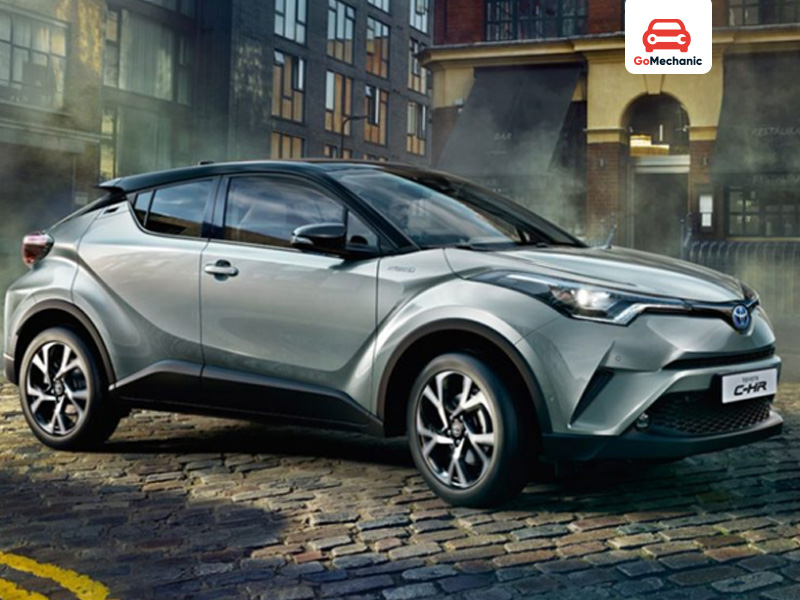
Benefits at a Glance
- Fuel efficiency: Travel farther without spending extra.
- Lower emissions: Better for the air we breathe.
- Cost savings: The upfront price might pinch, but the running cost? A sigh of relief.
- Smooth performance: Quiet and refined, even in traffic chaos.
Key Insight: Hybrid cars make up over 5 per cent of global car sales, with a market growth of 10 per cent projected annually.
Do read: Best 5 hybrid cars in India
From Dream to Drive
The Birth of Hybrid Technology

It all started in 1900. Ferdinand Porsche crafted the Lohner-Porsche Mixte—a vehicle using both petrol and electricity. He probably never guessed his invention would lead to today’s eco-warriors on wheels.
Also read: Hybrid vs Plug-In Hybrid Cars: Which One is Better?
A Timeline of Progress
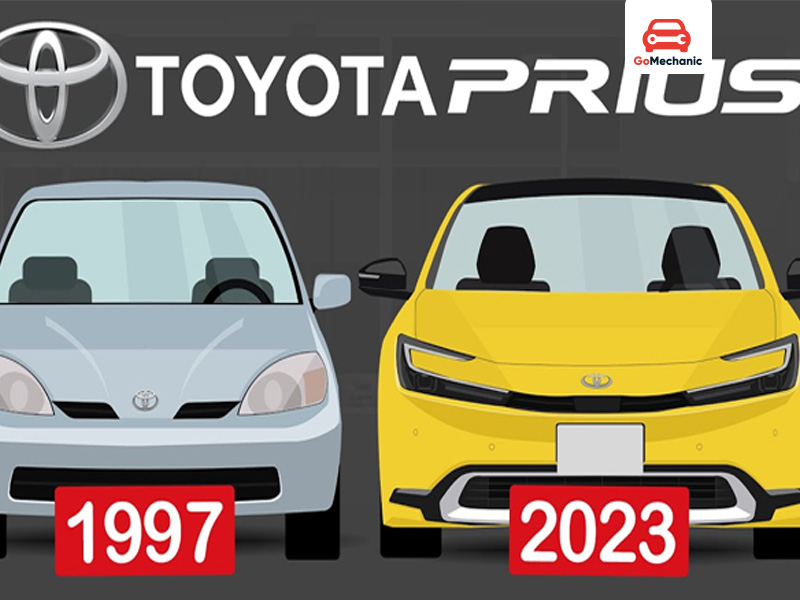
- 1997: Toyota Prius makes history as the first mass-produced hybrid.
- Early 2000s: Hybrids begin carving their niche worldwide.
- Today: Over 15 million hybrid vehicles drive global roads. India’s just warming up to the hybrid story.
For an in-depth explanation, read How Hybrid Cars Changed the Automotive Industry
Types of Hybrid Cars in India
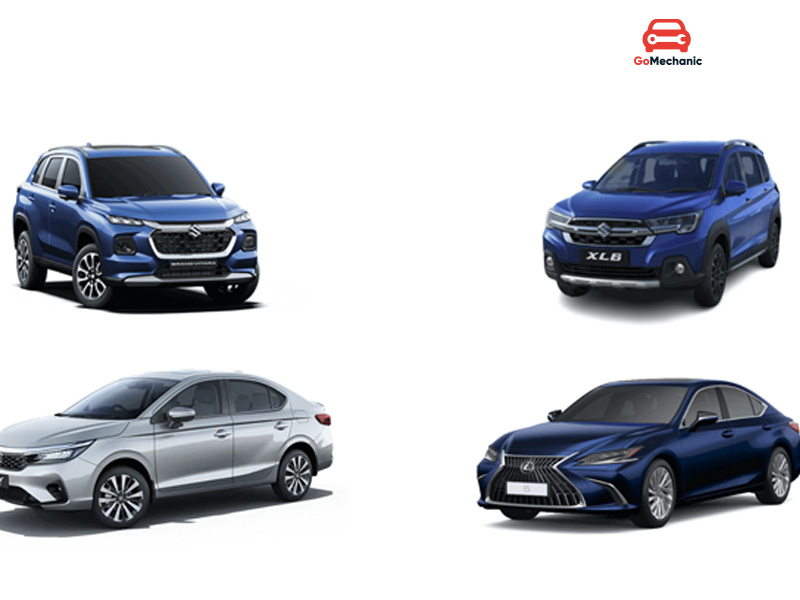
Not all hybrids are created equal. Here’s how they differ.
| Type of Hybrid | Key Feature | Example in India | Fuel Efficiency |
| Full Hybrid (HEV) | Runs on both engines & motor | Toyota Camry Hybrid | 23.1 km/l |
| Plug-in Hybrid (PHEV) | Charges via electricity | Volvo XC90 Recharge | 40+ km/l (electric mode) |
| Mild Hybrid | Assists engine, no EV mode | Maruti Suzuki Grand Vitara | 20+ km/l |
Related: Hybrid vs Plug-In Hybrid Cars: Which One is Better?
Why does India care? Petrol prices are climbing and cities choking. Hybrid vehicles aren’t just an option now. They are the way forward.

Environment Meets Economy

Sustainability in Numbers
Hybrid cars emit roughly 30 per cent fewer greenhouse gases than traditional vehicles. That’s not just numbers. That’s cleaner mornings and fewer coughs on foggy days.
Cost Over Time
Yes, hybrids cost more upfront. A commuter in Delhi or Bengaluru, however, can save up to 40 per cent annually on fuel. Over five years, this pays for itself. Maintenance? Minimal. Batteries last longer than you think.
Challenges That Need Work
- High price tags: Subsidies ease some burdens, but not for all.
- Charging concerns: Plug-ins still struggle in a country with limited EV infrastructure.
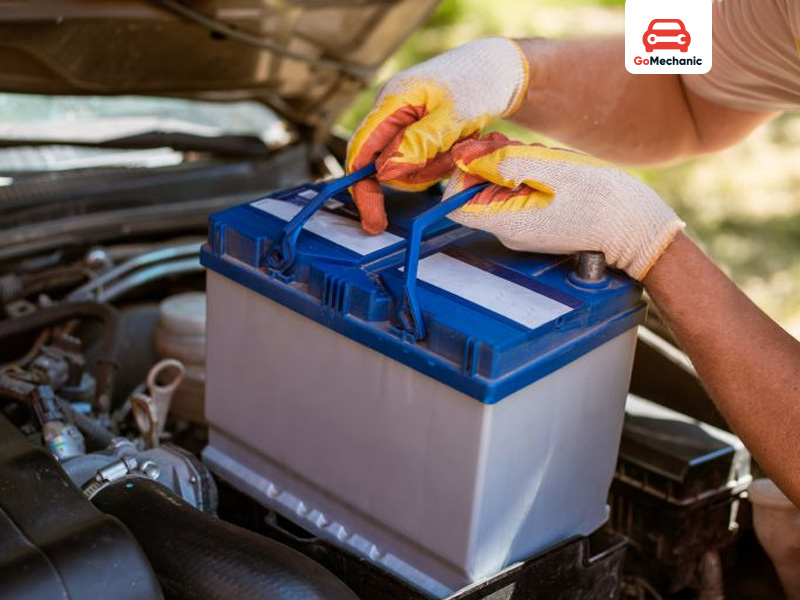
- Battery replacement: Costs linger like an elephant in the room.
Must Read: Pros and Cons of Hybrid Cars
What the Future Looks Like
The future of hybrid cars looks bright, with change and technology are moving rapidly through the automotive industry. Battery technology has stepped up—their batteries are now lighter, more efficient, and have longer shelf lives. These performance enhancements are reducing the cost of hybrids, allowing for a wider array of potential buyers. Major automakers are also contributing significantly to hybrid technology efforts. Companies like Maruti Suzuki, Tata Motors, and others are developing hybrid cars that are consumer-specific and now beyond experimental cars. These cars are real cars for normal drivers, and not just for the people that want to save the world. These cars represent the bridge of performance and sustainability, and they are moving mainstream quickly. Governmental support is helping shape the future of hybrids as well. While upfront costs are still a consideration for buyers.
Conclusion
In conclusion, we are witnessing a Quiet Revolution. The hybrid car is more than just a car; it is a sign of change. It represents a bridge from the reliability of earlier days with the innovation of the future. It links the everyday hum of the combustion engine with the promise of electric silence. For anyone contemplating hybrid right now, the decision is not only prudent but almost audacious. You are getting into a vehicle with fuel-economy, quietness, and environmentally friendly ‘freedom’ that your last internal combustion engine could never offer. Your driving experience is smooth, modern, and surprisingly sophisticated and powerful.
Also read this, Hybrid Cars Unveiled: How They Changed the Automotive Industry
Subscribe To The GoMechanic YouTube Channel
FAQ about Hybrid Vehicles
What is the lifespan of a hybrid vehicle’s battery?
A hybrid battery lifespan will last approximately 8 to 10 years or 100,000 to 150,000 miles. Main of manufacturers will offer warranty coverage for batteries in this range to help you feel at ease.
Are hybrids cars worth for money?
Sure. If you drive fast, hybrids will likely saves you money. Most hybrids give good mileage and have very cheap maintenance so having to spend more up front may not be a big deal if you save money down the road.
What makes hybrids and EVs so different?
Hybrid is meant to signify the mixture of two motor units: gasoline combustion engine and electric motor. An EV is one that runs completely on electrical energy and is charged up from a socket; in contrast, outside charging for a hybrid does not exist.
How does a hybrid work?
A hybrid uses a more gasoline/diesel-powered internal combustion engine. With an electric motor/electric storage battery. These sources combine to provide fuel economy and low emissions. The driver may choose to drive either the internal combustion engine or the electric motor or use both of these power supplies simultaneously.
What disadvantages are there for hybrid cars?
The acquisition, or initial buying price, of hybrid cars does tend to be the most expensive when compared to traditional petrol cars. However, such cars conserve fuel whereas hybrid vehicle emissions are much lower. Moreover, in a hybrid vehicle, the battery may have to be replaced eventually at a high and unexpected cost if out of warranty.
Do hybrid cars run on petrol?
Indeed, most hybrid cars use petrol. The petrol engine still fuels the car most of the time, mainly at higher speeds or in flat battery conditions. Although petrol is still used, a hybrid will predominantly use less fuel than a regular vehicle, hence, better fuel economy.
Do hybrid cars need charging?
This depends on the type of hybrid. Traditional hybrids, sometimes known as self-charging hybrids, do not need to be plugged in: they use ‘regenerative braking’ to charge their batteries and, to an extent energy from the petrol engine itself. Others are plug-in hybrid electric vehicles (PHEVs).
Is a hybrid better than petrol?
Whether a hybrid is better than a petrol car, this will depend on your driving needs and preferences. Generally,hybrids will offer a better rate of fuel efficiency and emissions which may suit environmental concern drivers and people who mainly drive in stop/start city traffic.


