






LMV Driving Licence in India: Meaning, kinds, significance and regulations.
In India, it takes a certain type of licence to drive depending on the type of vehicle you drive. LMV is a phrase commonly written on driving licences and to which many individuals do not have a clear understanding. LMV is a category of licence that is mostly used in India and is applicable to millions of drivers who drive cars, small trucks, or any other light vehicles. One should know the LMV full form, vehicles incorporated by the LMV and the regulations that surround it in order to drive safely and legally. This blog discusses all that one needs to know about Light Motor Vehicle (LMV) driving licence in India, meaning types, eligible vehicles, importance and penalties. Being aware of these will help you get the right licence and leave the road without trouble.
What Is LMV and LMV Full Form?
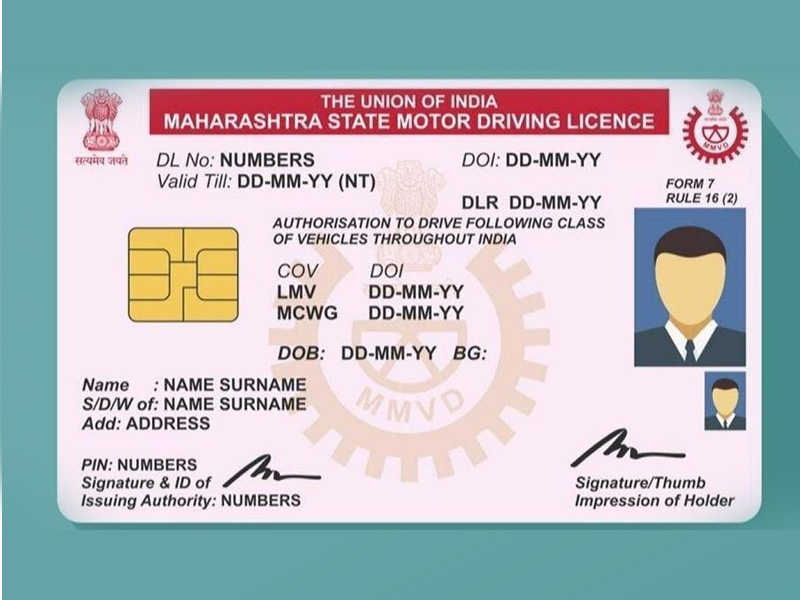
The full form of LMV is Light Motor Vehicle. It is a type of lightweight and passenger or cargo carrying vehicle. According to the Indian transport regulations, an LMV comprises vehicles whose gross weight is not more than the limit set.
Key points about LMV:
- LMV full form is Light Motor Vehicle
- Used for personal and commercial purposes
- Includes both passenger and goods vehicles
- Requires a valid LMV driving licence
LMV automobiles are used to travel on a day-to-day basis, in small businesses, and in local transportation. In Indian law, one needs to possess an LMV driving licence to drive any LMV on the public roads.
Also read: MUV Full Form and Its Role in Cars
Vehicles Covered Under Light Motor Vehicle Category
Most of the vehicles that are common on Indian roads fall under the LMV category. This type of vehicle is easy to drive and it is suitable for use in the city and on the highway.
List of LMV vehicles:
- Hatchback cars
- Sedan cars
- SUVs
- Jeeps
- Auto-rickshaws
- Pick-up trucks and mini-trucks
- Delivery vans
- E-carts
- Taxis
LMV Vehicle Types Table:
| Vehicle Type | Usage |
| Hatchback | Personal use |
| Sedan | Personal or taxi |
| Mini-truck | Goods transport |
| Auto-rickshaw | Passenger transport |
| Delivery van | Commercial delivery |
These vehicles require the driver to have the correct LMV licence type based on usage.
Also read: TDI Full Form in Cars – Meaning, Working and Key Benefits
Types of LMV Driving Licence in India
The driving licences of LMV in India can be classified into two broad groups. The licence permits one to drive particular vehicles depending on the usage.
1. LMV Transport Licence
This licence will enable the drivers to use light motor vehicles that are commercially used.
Key features:
- Applied to taxis, delivery vans, and goods vehicles.
- Needs the licence of a valid learner.
- Minimum age: 18 years
- Other rules can be used on the state laws.
2. LMV Non-Transport Licence
The licence is applicable to personal cars only.
Key features:
- Applied to personal cars and automobiles.
- Incapable of commercial driving.
- Before application, it needs the learner’s licence of a learner.
- Misuse can lead to penalties
The type of licence should be selected with a lot of care so as to avoid fines and legal problems.
Importance of Having an LMV Driving Licence
An LMV driving licence is not just a driving licence. It has various significant functions to a driver.
Why the LMV licence is important:
- Authority to drive light motor vehicles.
- Taken as an identity verification.
- Necessary in claims made on car insurance.
- Demonstrates driving aptitude and qualification.
- Helps gets away with fines and prosecution.
You are not permitted to drive on Indian roads without a valid LMV licence. It also insures you against accidents or insurance claims.
Also read: ESC Full Form in Cars – Importance and How It Improves Safety
Penalties for Driving Without a Valid LMV Licence
Operating an LMV with an invalid driving licence is a big crime in India. Licence regulations are very stringent for traffic.
Possible penalties include:
- Fine up to ₹5,000
- Some cases of vehicle seizure.
- Criminal proceedings or jailing.
- Insurance claim rejection
Such fines may result in loss of money and legal hassles. Never drive without a valid driving licence which is dependent on the type of vehicle you drive.
Also read: ECU in Cars: ECU Full Form and Its Role in Modern Engines
Conclusion:
Every driver in India must know what LMV entails, and have the right LMV driving licence. With a personal or a commercial licence, you are safe by law and insured against loss of money. The decision to use the right type of licence, adhering to the road rules and renewing your documents will assist in avoiding fines and driving at ease. In any case, a transport or non-transport LMV licence also ensures you always check before applying since this means the difference between your civil liberties on the Indian roads.
FAQ’s
1. What is an LMV vehicle?
A LMV is an abbreviation of Light Motor Vehicle. It is simply referred to as small motor vehicles such as cars, jeeps, vans, taxis, and other vehicles with a gross weight of at most approximately 7500 kg. These are designed normally for personal or light commercial use. These can be driven legally on Indian roads on an LMV licence.
2. What are LMV and MCWG?
LMV (Light motor vehicle) is defined as cars, small vans, and jeeps which are four-wheeled vehicles. MCWG is an abbreviation that means Motorcycle With Gears which includes the two-wheelers that have manual gears (as on most bikes). These are two licence categories that are required in India to drive various types of vehicles.
3. Is a tractor LMV or HMV?
A tractor is not necessarily HMV (Heavy Motor Vehicle). A tractor may also be legally classified as an LMV at any weight (provided the unladen weight does not exceed the limit of the light vehicle category) hence an LMV licence can be used to drive a tractor on the highway. Nevertheless, there are a few RTOs that also grant a certain tractor licence category.
4. Is there a difference between a 2-wheeler and a 4-wheeler licence?
Yes, it is the different licence types. A 2-wheeler licence (as MCWG or MCWOG) will allow you to ride motorcycles or scooters. There is an LMV licence which allows you to drive four-wheeler vehicles (cars, jeeps, vans). You need to have both types of endorsements on your licence to be able to legally drive either type.
5. Will a Tata 407 work on LMV licence?
According to the latest legal interpretation in India, an LMV licence recipient is allowed to drive a light commercial vehicle, e.g. Tata 407 since it should not be classified as a heavy vehicle (under 7500kg). This implies that such vehicles do not need a separate heavy licence or transport endorsement.


