






Are you caught in a dilemma choosing between Petrol and Diesel Car? If you own a car, then this question would not be new to you For many years, petrol or diesel cars have been in discussions and arguments over various aspects. Every fuel type offers merits and demerits; thus, it creates confusion for the potential buyer in selecting a vehicle that is appropriate for his need. This article is all about petrol vs diesel cars, the difference between petrol and diesel engine, diesel car or petrol car which is better and everything that people ought to know about them and how they would help them in deciding more effectively.
What are Petrol and Diesel Cars?
Petrol Cars: Cars that uses petrol are known as petrol cars. These are those most common cars all over the world. Giving the driving experience very smooth, engine making less noise and emissions comparatively less than diesel.
Do Read: Power Petrol vs Normal Petrol: Understanding the Best Fuel Choice for Your Engine
Diesel Cars: The cars run on the diesel. Diesel fuel is denser in energy than petrol. Diesel engines have a much-better fuel economy than petrol engines. It has made them most popular among long-distance travellers and heavy-duty drivers, who require torque for the really heavy work.
Related: The 10 Best Mileage (Most Fuel Efficient) Diesel Cars Of 2024-25
Which Car Is Best Petrol or Diesel?
Many buyers ask, which car is best petrol or diesel, when buying a new vehicle. The answer depends on your driving patterns, your budget, and what you require in the distant future. Usually, petrol cars are easier to buy and maintain. They are great for city driving and short distances. So, if you do not drive very often or mostly commute within city limits, a petrol car may really be the better option.
Diesel cars, in turn, do have better mileage and suit driving a longer distance. If you have a daily driving distance of over 50 km or are traveling on the highway very often, diesel would save you more in the long run. Performance-wise, diesel produces greater torque, whereas petrol hues to be quieter and smoother. When contemplating which is best: petrol or diesel, take into account resale value, fuel prices, and local regulations. Which car is best petrol or diesel therefore depends on one’s personal driving habits and lifestyle. Always check for total cost of ownership before making a final selection.
Also read: The 10 Best Mileage (Most Fuel Efficient) Diesel Cars Of 2024-25
Difference Between Petrol and Diesel Cars While Both are Cars:
| Feature | Petrol Cars | Diesel Cars |
| Fuel Efficiency | Typically, it has lower fuel efficiency than diesel | Higher fuel efficiency, especially for long drives |
| Engine Noise | Quieter engine | Noisier engine due to higher compression ratio |
| Initial Cost | Lower initial cost | Higher initial cost |
| Maintenance | Less expensive to maintain | Higher maintenance costs due to complex components |
| Emissions | Lower emissions compared to diesel | Higher CO2 emissions, though diesel engines produce less CO2 per kilometer |
| Fuel Cost | Petrol is generally more expensive than diesel | Diesel is often cheaper per liter, though the difference is shrinking |
| Torque | Less torque for heavy-duty tasks | More torque, making them better suited for towing and carrying heavy loads |
| Longevity | May wear out quicker than diesel engines | Diesel engines tend to last longer if maintained properly |
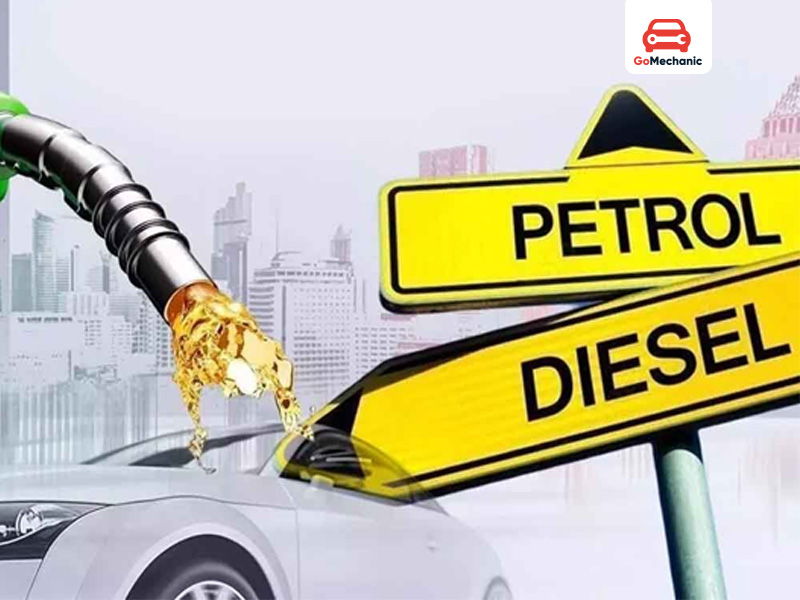
Petrol vs Diesel car Prices in India
| Fuel Type | Average Price (January 2025) | Price Difference |
| Petrol | ₹105-₹115 per liter | – |
| Diesel | ₹95-₹105 per liter | Diesel is generally ₹5-₹10 cheaper per liter |
Difference Between Petrol and Diesel Engine
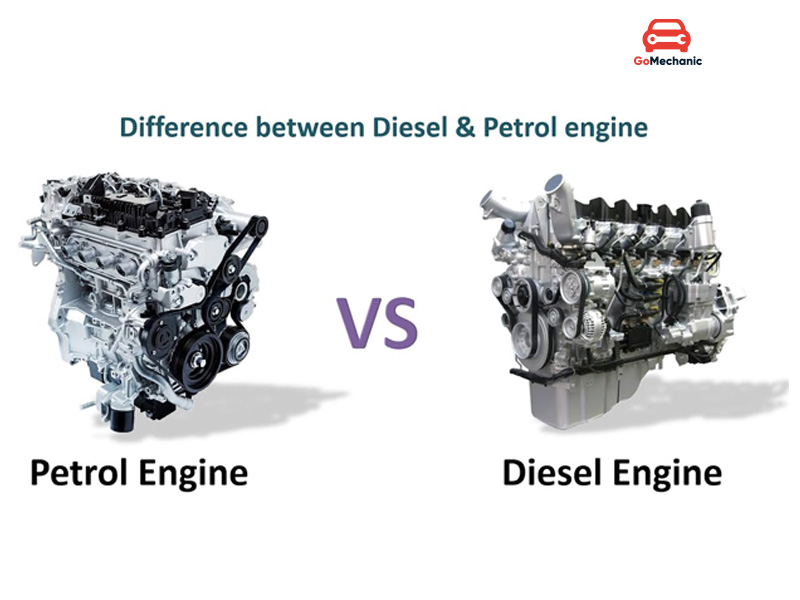
Here’s a breakdown of the difference between petrol and diesel engine:
| Feature | Petrol Engine | Diesel Engine |
| Fuel Type | Uses petrol (gasoline), which is ignited by a spark plug. | Uses diesel, which ignites due to compression. |
| Compression Ratio | Lower compression ratio (typically 8:1 to 12:1) | Higher compression ratio (typically 14:1 to 25:1) |
| Power Output | Typically delivers lower power and torque. | Higher torque output, ideal for heavy-duty work. |
| Fuel Efficiency | Less fuel-efficient. | More fuel-efficient, especially on highways. |
| Emissions | Generally lower CO2 emissions but higher CO. | Higher CO2 emissions, but modern systems reduce pollutants. |
| Engine Life | Generally has a shorter life due to lower build quality. | Lasts longer with proper maintenance due to robust construction. |
Related: 4-Cylinder Engine vs 3-Cylinder Engine- Which One Is Suitable For You?
Why Diesel Cars Cost More Than Petrol Cars
Petrol VS Diesel car price difference can be explained as follows:
- Engine Complexity: A stronger component in the diesel engine comprises turbocharger and intercooler; thus, reliability has made the diesel engine more complicated than the petrol engine because of higher compression.
- Fuel Economy: Less mileage and lifespan; hence, costlier.
Also Read: Top 10 Most Fuel Efficient CNG Cars in 2024
- Higher Emission Control Costs: These consist of all that extra equipment, for example, the particulate filters and the SCR systems, which further would drive up the cost of it.
- Stronger Build: They are normally stronger because they expect engines to exert a higher stress on the engine and therefore are more strong and robust components in the vehicle.
The Environmental Effects of Petrol and Diesel Cars
In this battle of petrol vs. diesel car, it is important to know thier roles in environment. The comparison about diesel car or petrol car which is better also lies in their impact on the environment. Diesel engines are said to be more fuel-efficient but produce quite high levels of nitrogen oxides as well as particulates in volume than petrol engines. Those emissions are responsible for air pollution and smog, which indicates that a diesel automobile is not environmentally friendly, especially in urban settings.
Conversely, petrol engines emit these harmful catalysts in relatively low amounts; nevertheless, they induce carbon dioxide effects that augment global warming. But the advances in engine technology, such as turbo- and direct injection are improving fuel efficiency, making both engine types less polluting.
Cost of Ownership: Petrol vs Diesel
The upfront cost of diesel cars is higher than petrol cars, on the other hand, the cost of ownership throughout the years matters too. Fuel mileage is better with diesel engines, which give low costs on fuel, especially regarding long drivers. On the flip side, petrol cars tend to be much simpler engines with lower maintenance and repair costs. Eventually, savings on fuel can recover the extra higher purchase and maintenance costs.
But it should be kept in mind that diesel cars need more expensive maintenance and repairs with the aging of a vehicle. This has happened because of the huge complexity associated with more components used in diesel engines, such as turbochargers, intercoolers, and particulate filters, which result in huge repair costs.
Resale Value of Petrol versus Diesel Cars

In the past. this question “diesel car or petrol car which is better” has been highlighted. A diesel car was worth much more than a petrol car. That was because it was more fuel-economical and more durable. But lately, that difference in the resale values of petrol and diesel cars has significantly narrowed down because the Indian government is realizing its need for greener, eco-friendly vehicles. In urban areas characterized by stringent regulations on emissions, where demand for diesel cars is relatively low, petrol cars will most probably fare better in resale value.
The Future of Petrol and Diesel Cars in India
Current and future stop-overs for oil and diesel cars are progressively changing into green technologies, an instance of petrol becoming eco-friendly. The government promotes the electric vehicle concept to India using grants, tax rebates, and construction of a charging infrastructure.
Most leading car manufacturers are working towards hybrids and electric cars, at least during the immediate future, and also down the line, while also having traditional petrol and diesel cars work towards reducing the carbon footprint. For instance, diesel engines are expected to get adapted with several advanced emission control systems such as selective catalytic reduction (SCR) and diesel particulate filters (DPF), among others, to meet the stringent environmental norms.
Opt for Petrol Cars When:
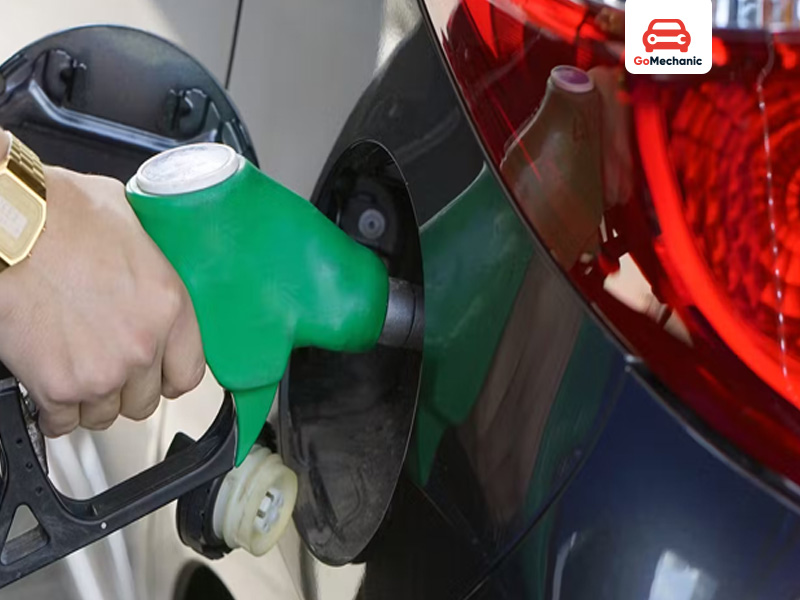
- You mostly commute by a short distance and drive within the city.
- You need a quiet and smooth driving experience.
- Your budget is tight since petrol cars cost less initially.
- You also consider maintenance costs.
Opt for Diesel Cars When:
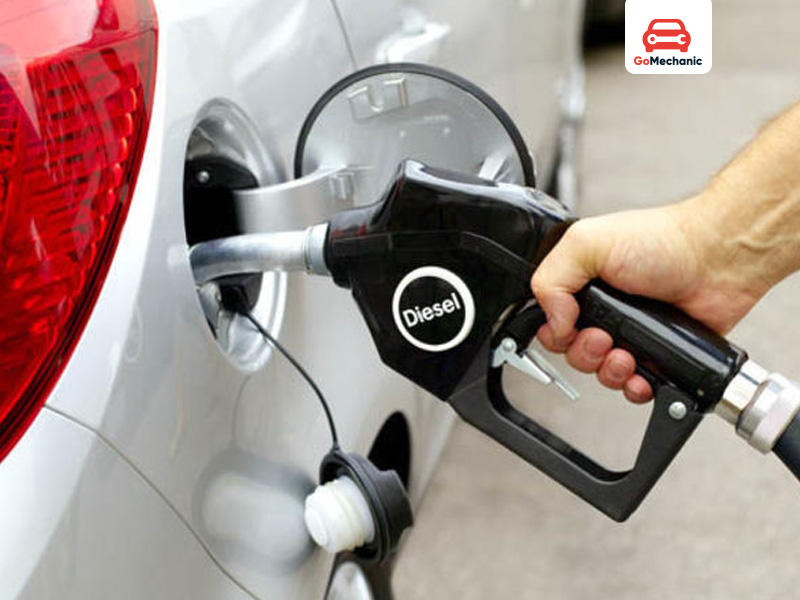
- You drive long stretches on highways or often need to move for work-related reasons.
- You require a car with more torque for towing or transporting heavy goods.
- You desire better fuel consumption and lower running costs in the long run.
- You prefer to pay a bit higher at the front end with long-term cost savings in mind.
New Developments in Petrol and Diesel Cars
- Ascendancy of Hybrid and Electric Cars: Increasing concerns about the environment as well as policies that encourage sustainability have thrown both petrol and diesel vehicles into oblivion with the emergence of hybrid and electric car models.
Related: 7 Upcoming Strong Hybrid Cars From Maruti & Toyota
- Improvement of Diesel Engines Technology: Advanced technologies such as Selective Catalytic Reduction and Diesel particle filters all fitted diesel engines to the pollution concern
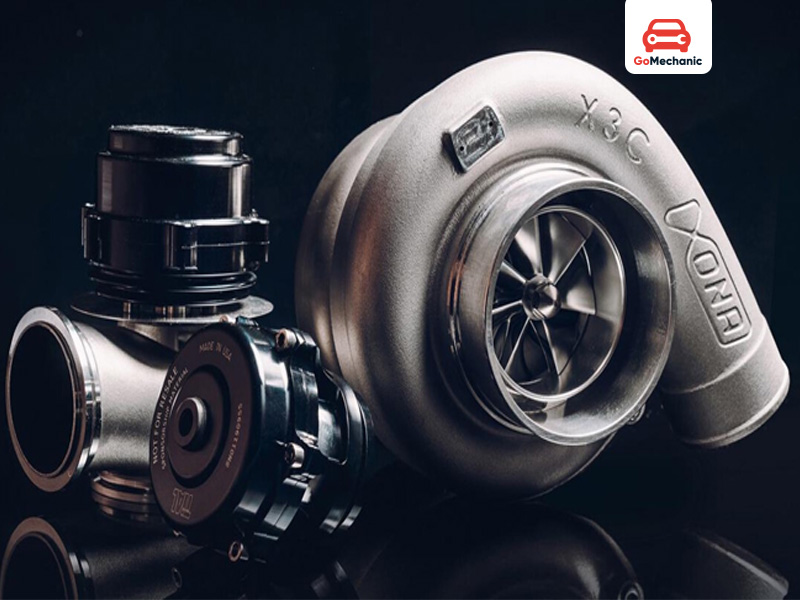
- Turbocharging: it is commonly fitted in turbocharged petrol and diesel engines, all of which show promises of better fuel economy, more power, and a drive that is much better without compromising the fuel economy.
- Lower Environment Loading: New diesel engines carry lesser nitrogen oxides and particulate matter, qualifying them as adherents to the very strict emission standards of Euro 6, which are accepted by several automobile manufacturers around the world.
- Performance and Efficiency: Petrol and diesel vehicles are increasingly becoming more performance-oriented without sacrificing fuel economy.
Some Common Petrol and Diesel Cars
The diversity of petrol and diesel vehicles in the Indian car bazaar seems never-ending with all sorts of models designed to meet varied needs. A few popular ones are:
Frequent Petrol Cars:
- Maruti Suzuki Swift
- Hyundai i20
- Tata Altroz
- Honda City
- Toyota Glanza
- Volkswagen Polo
- Renault Kwid
- Hyundai Grand i10 Nios
- Kia Sonet
- Skoda Slavia
Frequent Diesel Cars:
- Mahindra XUV700
- Tata Nexon
- Hyundai Creta
- Kia Seltos
- Mahindra Thar
- Tata Harrier
- Jeep Compass
- Hyundai Verna (Diesel variant)
- Toyota Fortuner
- Isuzu D-Max V-Cross
Conclusion
Ultimately, petrol or diesel cars rest upon styles. Preferences, after all, had to come into the picture. On one hand, everyone knows that diesel burns fuel more efficiently and powerfully. But diesels are for long-haul journeys or tough applications. On the other hand, petrol cars are more useful for city driving and are aimed primarily at those who seek a much smoother, quieter driving experience. It must also be acknowledged that the automotive world has a growing tendency leading to the global adoption of electric and hybrid cars. Just like their petrol brethren, diesel vehicles are also bound to be moving in the new standards of the environment. So, petrol or diesel does not matter; choose what is wise and which fits your style, driving requirements, and eco concerns.
FAQs
- Which is better, a petrol or diesel car?
This depends on the sort of driving you do. A diesel car will be more fuel-efficient and will be good for the long-distance drive; petrol cars have a cheaper initial price and maintenance cost, hence are ideal for working the city.
- What are the drawbacks of owning a diesel car?
Usually, diesel cars are sold at a higher price and also attract higher service and maintenance costs. Thus, rotary is generally higher NOx emissions from a diesel car, something that can be injurious under city conditions. Some states have begun restricting the use of diesel because of these environmental concerns.
- Which one lasts longer, petrol or diesel car?
Diesel engine in car are more long-lasting because of their design to withstand heavier usage and higher pressure. With adequate maintenance, petrol cars can last just as long.
- Which kind of car is the best?
There is no such generalization. Petrol is best for city driving perhaps because of lower costs. Diesel should prevail for long mileage, high fuel economy highway use.
- Should I prefer a diesel car?
Consider buying a diesel if you’re using the vehicle a lot for heavy towing or long distances regularly. If your main commute is short or within the city, a petrol car would be logical to minimize your expenses.


