






Petrol is what keeps your car alive. It feeds the engine, helping it move through everything. The morning rush, the late-night drives, the unplanned meetings. But here’s the thing: not all petrol is the same. Picking the wrong type can slowly, quietly, wreck your engine.
Low-quality fuel builds deposits inside, choking its breath over time. If you’re a new car owner or just started driving, those options at the fuel station might confuse you. Normal, premium, high-octane. These are not just different names. They’re different fuels.
And yes, insurance might not save you if bad petrol leads to costly repairs. So it’s essential to know the difference. This article unpacks power petrol versus normal petrol. In essence, what they are, why they matter, and how your choice affects performance, economy, and your wallet.
What is an Octane Number?
Think of it as a measure of patience. The octane number of petrol tells you how well the fuel resists igniting under pressure before the engine asks for it. The higher the number, the more disciplined the fuel. High-performance cars need this precision as their engines compress the air-fuel mix to extremes. For them, extra-premium petrol is a necessity.
Why Does Octane Rating Matter?
Engines are picky. Fuel that ignites too soon causes knocking. These are tiny explosions where there should be smooth burns. Knocking isn’t just noise; it’s a slow killer for engines, stealing performance, burning more fuel, and cutting life short.
Indian petrol stations offer three kinds:
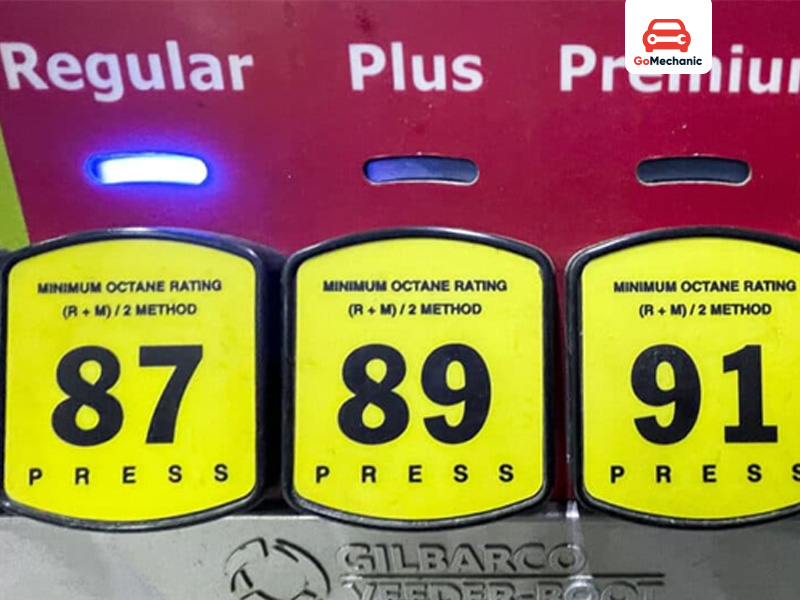
- Regular Petrol: Octane 87–91. The everyday hero for small, efficient engines.
- Premium Petrol: Octane 91–94. A step up for slightly more demanding machines.
- Extra Premium Petrol: Octane 93–100. For high-performance engines—think luxury sedans, sports cars, and premium SUVs.
The Indian climate adds another layer. Scorching heat and thick humidity can mess with fuel performance. High-octane petrol, designed for stability, handles this better. But it’s still all about knowing what your car needs, not what sounds fancy at the pump.
Composition of Petrol
Petrol is made of hydrocarbons. This includes naphthalene, paraffin, and olefins. It comes from crude oil. Refineries use a process called catalytic cracking. Here, large hydrocarbon molecules break into smaller ones. These lighter molecules are evaporated with a catalyst. What you fill at the pump is the result of this breakdown.
Regular Petrol
Normal petrol has an octane rating of up to 87. Mid-grade falls between 88 and 90. Power petrol sits higher, from 91 to 94. This higher octane reduces engine knocking. Knocking happens when fuel ignites before it should. High-octane fuel resists this. It burns more smoothly. This makes your engine run better. It also improves fuel efficiency.
Power Petrol
Power petrol, also called premium petrol, is designed for high-performance engines. It has the same base compounds as regular petrol but with more octane. Additives and detergents are mixed into it to improve its quality.They keep engines clean. They also help prevent carbon buildup.
It handles higher compression before igniting. That’s why sports cars and luxury vehicles love it. It keeps engines clean and free of sludge. Brands give it fancy names like Speed or Extra Premium, but it’s all about that octane number.
What if you use powered petrol in a regular car? Nothing bad happens. It may not perform better, but it keeps your engine cleaner. And who doesn’t want that? In simple terms, regular petrol is the everyday hero. Power petrol is the athlete, built for peak performance. Choose based on your car, your needs, and maybe your mood.
When Should You Use Power Petrol?
Many think power petrol makes a car faster. That’s not always true. If your car runs smoothly on normal petrol, there’s no need for power fuel. Stick to what the car manual says. If it doesn’t recommend power petrol, you won’t see much of a difference.
But here’s the flip side. If your car needs power petrol and you use regular fuel, expect reduced performance. The car may feel slower, less responsive. On the other hand, using power petrol in a car designed for normal petrol won’t give you extra power. It will only cost you more.
Sometimes, the manual says higher octane fuel improves performance, even if it’s not required. That’s where judgement comes in. Yes, power petrol might cost more, but it could mean better mileage and lower emissions. It’s your call to balance cost and benefit.

Pros of Using Power Petrol
Power petrol isn’t just fuel. It’s a decision, one that changes the way your car breathes, moves, and lives. Here’s what it brings to the table.
- Better combustion means better mileage. Save money with every kilometre.
- It enhances fuel efficiency. Protects your car, keeps it running longer.
- Reduces engine knocking. That means smoother rides and fewer jerks.
- Keeps valves and fuel injectors clean. Fewer deposits, fewer headaches.
- Cuts emissions from your car’s silencer. Cleaner air, a cleaner conscience.
- Improves Octane Requirement Increase (ORI). Stops your engine from craving more octane over time.
- Your engine gets a boost in power. Drive smoother, accelerate faster.
- Extra horsepower and torque for towing or overtaking, whenever you need it.
- Compatible with any vehicle or engine. No worries, no limits.
Cons of Using Power Petrol
If you’re thinking about switching to power petrol, pause for a moment. Sure, it brings its own benefits, but there’s more to it than meets the eye. Here’s what you need to know.
- Regular petrol already burns a hole in your pocket. Power petrol? It digs a deeper one. Yes, it can stretch your mileage, but not everyone will find it kind to their wallet.
- Cold weather doesn’t sit well with power petrol. In low temperatures, it falters, making it less dependable. With India’s winters and chilly hill stations, this can be a problem.
- And then, availability. Power petrol isn’t everywhere. If you’re planning a road trip, you may need to stock up or switch back to regular petrol when it runs out. Not the most convenient choice.
Related: Understanding Reasons for Low Mileage in Petrol Cars
Power Petrol vs Normal Petrol
Normal petrol and power petrol aren’t the same. One is simpler, the other a little more refined. The difference is octane.
Power petrol, typically rated at 91 or more, resists heat better. It burns smoother, especially in engines built for higher compression. Regular petrol, on the other hand, does the job fine but comes with a slightly lower octane rating.
Octane tells you how much heat and pressure the fuel can take before igniting. Higher octane means less chance of early ignition or knocking. Engines don’t like that. It throws off the rhythm like a drummer hitting the wrong beat.
Your car’s engine compresses air and fuel, ignites them, and creates power. Power petrol handles this better when engines demand more. For most everyday drives, though, regular petrol works just fine.
What is the Difference Between Power Petrol and Regular Petrol?
Power Petrol is not just fuel. It’s engineered with additives to enhance your engine’s performance. These include octane boosters that raise the octane rating, keeping the fuel steady and controlled during combustion. Regular petrol, on the other hand, is plain and unadorned. No additives. A lower octane rating. It works, but it doesn’t push boundaries.
| Parameters | Normal/Regular Petrol | Power Petrol | Extra Premium Petrol |
| Octane Number | 87 – 91 | 91 – 93 | 93 – 100 |
| Compatibility | All cars with low compression vehicles | Cars with High compression engines | High-end cars with high compression engines |
| Knocking | Higher chances | Lower chances | Very lower chances |
| Fuel Cost | Cheaper | Expensive | Very Expensive |
| Usage of Additives | No | Yes, and detergents | Yes, and detergents |
Economic Analysis: Cost vs. Benefits
In India, petrol prices change from city to city. State taxes and subsidies shift the numbers around. Here’s where things stand as 2024 nears its end:
- Regular Petrol: ₹95 to ₹110 per litre, depending on where you’re filling up.
- Power Petrol: Costs ₹5 to ₹10 more than regular.
- Extra Premium Petrol: Add another ₹15 to ₹25, varying by brand and city.
Why pay more for power petrol?
- Mileage: If you drive something like a Mahindra XUV700 or Skoda Octavia, power petrol might stretch your mileage by 5 to 10 per cent.
- Maintenance: Detergents in it keep carbon buildup low. Less gunk means fewer trips to the mechanic.
- Performance: Cars like the Tata Harrier or Jeep Compass thrive on it. You’ll notice smoother rides and better acceleration, especially when you push hard.
Also Read: Best Mileage 7-Seater Cars in India 2025
For most of us, commuting in a Swift or a Creta, regular petrol does the job. But if you’re driving premium wheels or tackling tough roads, power petrol might earn its keep. Choose what fits your drive, your car, and your wallet.
Power Petrol vs Normal Petrol: What It Means for India’s Air
India’s cities breathe heavily. Pollution clings to the air, a quiet weight on millions. Fuel choices are not just about efficiency or price. They decide the quality of that air.
Carbon Emissions
- Normal petrol burns less cleanly. It releases more carbon, more heat, more strain on the atmosphere.
- Power petrol, with its higher octane and additives, burns cleaner. It doesn’t solve the problem but reduces CO2 emissions slightly.
- TERI (The Energy and Resources Institute) found that better fuels can cut vehicular emissions by 10 to 15 percent.
Particulate Matter
- Older vehicles running on normal petrol release more soot, more invisible particles that choke.
- Power petrol minimizes engine deposits and releases fewer particles into the air. Small change, big impact.
Urban Pollution
- Delhi. Mumbai. Bengaluru. Our cities bear the brunt of vehicular emissions. Cleaner fuel choices help, especially for cars needing high-octane petrol.
- Power petrol fits well with India’s BS6 (Bharat Stage 6) norms, introduced in 2020 to curb pollution.
Is it ideal to mix Regular Petrol and Power Petrol?
Yes, you can mix regular petrol with power petrol. The engine runs the same. No protests. It works just as before. There’s no magic, no sudden burst of power. But maybe, just maybe, you get a little more out of your fuel. A bit more distance. A touch of efficiency.
The mix? It balances itself out. The octane rating sits somewhere in between. Not quite power petrol. Not just regular petrol. A middle path.
Mileage is always on our minds. Rising fuel prices keep reminding us why it matters. Cars today are already designed to sip fuel smartly. The fuel choice? That’s where the chatter begins. The debates, the “what ifs,” the “should I?”
Others Also Read: Why Should You Consider Driving A Petrol Car
Technical Recommendations
Fuel is the heartbeat of your car. Get it wrong, and the rhythm falters. The wrong choice can slow your machine down or even hurt it.
High-Compression Engines
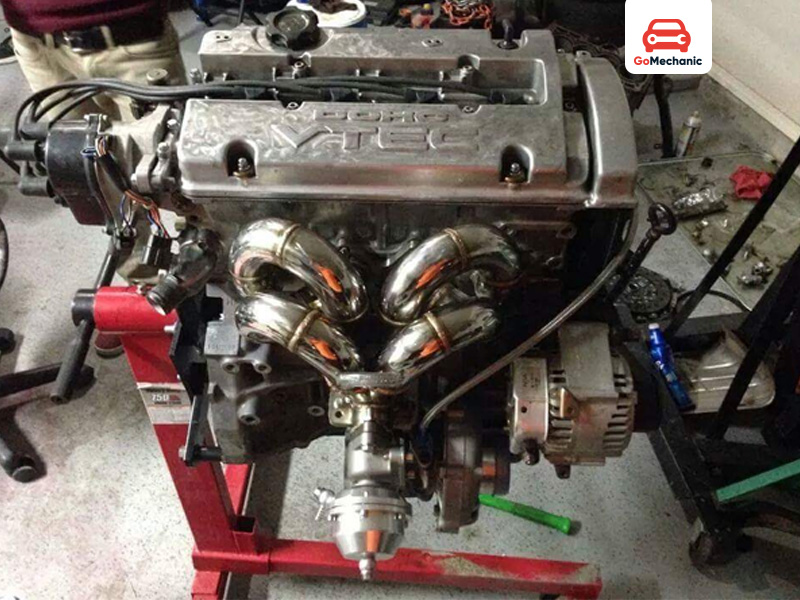
Cars built for speed and precision, like the Hyundai i20 N-Line, Skoda Octavia RS, or luxury brands like Audi and BMW, thrive on power petrol. Normal petrol? It holds them back. Expect a drop in power by 5 to 10 percent and, worse, risks of long-term engine wear.
Low-Compression Engines
Everyday heroes like the Maruti Suzuki Swift or Tata Nexon are tuned for regular petrol. Using power petrol here won’t do much for performance. Maybe you’ll see a tiny bump in mileage, but nothing worth the extra cost.
The Rulebook: Your Manual
The car manual knows your vehicle best. It will tell you what fuel it needs. Always.
For instance:
- Maruti Suzuki Swift: Normal petrol does the job.
- Volkswagen Virtus GT: Power petrol is your best bet.
Myths vs. Facts About Power Petrol
Indian drivers often misunderstand power petrol. Let’s untangle some common myths and realities in our context.
Myth: Power petrol makes any car faster.
Fact: It doesn’t magically boost speed or power. For cars like Maruti Baleno or Honda City, built for regular petrol, there’s no dramatic performance change. Its real edge lies in smoother combustion and reduced knocking, more relevant for high-performance engines.
Myth: All cars need power petrol.
Fact: Not true. Budget-friendly models like Tata Tiago or Renault Kwid are tuned for regular petrol. Power petrol works best for engines explicitly requiring higher-octane fuel, as stated by the manufacturer.
Myth: Power petrol suits Indian roads better.
Fact: Cleaner combustion and fewer emissions are its strengths, yes. But for most city drives in cars with low-compression engines, the extra cost isn’t worth it. Regular petrol does the job just fine.
Myth: Mixing power and regular petrol damages engines.
Fact: It doesn’t. Drivers in India often mix fuels due to cost or availability. For instance, blending Indian Oil’s XP95 with regular petrol may even offer mild performance benefits without harm.
When Should You Switch Fuels?
Switching between regular and power petrol isn’t about brands or blind choices. It’s about what your car needs, how you drive, and where you go. Here’s how it works in the real world of Indian roads:
When does Power Petrol Makes Sense?
- If your car’s manual mentions it, stick to it. Premium cars like Mercedes or Jaguar often need high-octane petrol like XP100 or Speed 97. It’s not luxury. It’s a necessity.
- Hear knocking from the engine? Especially in the hills—think Himachal or Uttarakhand. Power petrol can silence that and smooth the ride.
- Long highways. Heavy loads. SUVs like the Innova Crysta or Ford Endeavour thrive on power petrol when you need better torque and mileage. Think efficiency, not indulgence.
Why Regular Petrol is Enough?
- City roads are a mess of stops and starts. For daily drives in Mumbai, Bengaluru, or Delhi, regular petrol keeps it simple and affordable.
- Got an older car? A Maruti 800 or a Santro won’t care for premium petrol. Save your money. It won’t change a thing.
- For families keeping a close watch on the budget, cars like the Tata Nexon or Mahindra Bolero do just fine with regular fuel. No compromises there.
The Rural Detour
Travellers, listen up. If you’re venturing into the Northeast, Ladakh, or anywhere remote, don’t panic if power petrol isn’t available. Regular fuel will keep you moving. Flexibility matters when the road isn’t predictable.
FAQs on Power Petrol vs Normal Petrol
Is power petrol worth the cost?
Yes, if you have a high-compression or performance vehicle. For regular vehicles, the benefits are minimal unless you prioritize fuel economy and engine cleanliness.
What happens if I mix power petrol with normal petrol?
Mixing is safe. The octane level will average out, and there won’t be any adverse effects on engine performance.
Will using power petrol in a low-compression engine harm it?
No, it won’t harm the engine, but the benefits are limited. You may notice slight improvements in fuel economy and emissions.
Does power petrol increase a car’s speed?
It enhances engine performance in high-compression engines, potentially improving acceleration. However, it doesn’t directly increase the car’s top speed.
Can I switch between normal and power petrol?
Yes, switching between them has no long-term impact on engine health or performance.
Which is better: power petrol or normal petrol?
Power petrol is better for high-performance engines, offering cleaner combustion and potentially better mileage. For regular engines, normal petrol suffices.
Will power petrol increase mileage?
It may slightly improve mileage in engines that benefit from higher octane levels, but the difference is often marginal.
Related: Best Mileage Cars in India 2025
Can I use power petrol in my bike?
Yes, you can use it in bikes, especially those with high-compression engines. For regular bikes, the impact is negligible.
What are the disadvantages of power petrol?
The primary drawback is its higher cost, which may not justify the benefits for regular vehicles. Additionally, overuse in engines that don’t require it offers little value.
Which petrol quality is best for high mileage?
High-octane fuels like power petrol might provide marginal mileage benefits, but driving habits and engine maintenance have a greater impact.


