






While buying a new and shiny car is indeed a lovely feeling, seeing it deteriorate before your eyes are something that kills millions of car owners. From swirl marks to scratches, your brand-new car can look like an old one in no time. This is where Paint Protection Films come in to save the day. But before you go on to get one applied, here are three of the most common types of PPF compared.
What is a Paint Protection Film?
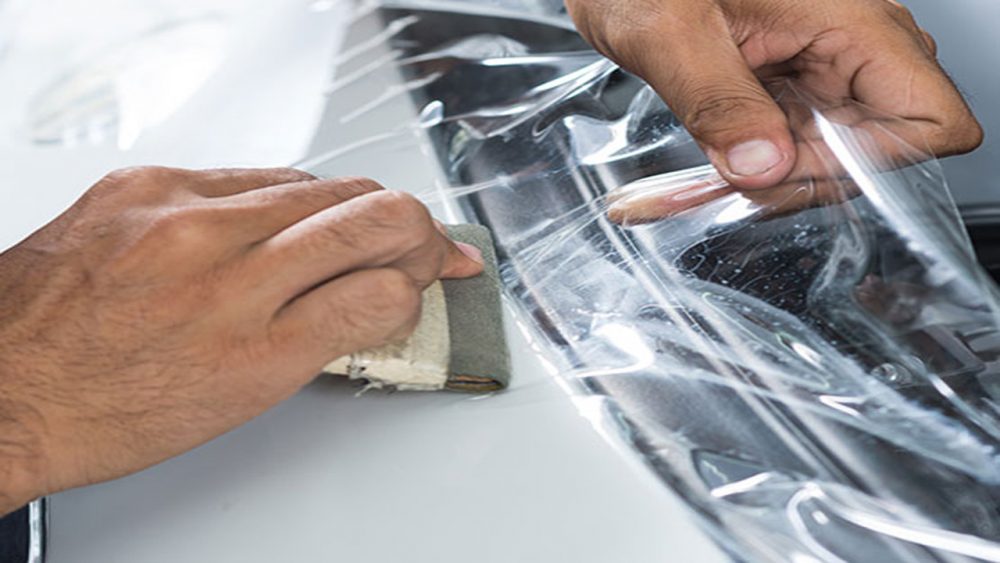
Initially developed to be used in military operations, Paint Protection Films (PPFs) eventually turned out to be one of the most loved products of the automotive industry.
While the history, origin and development of modern-day Paint protection films is another story in itself, to briefly sum it up, PPFs are high-grade thermoplastic urethane films that are professionally applied on the topmost layer of a vehicle’s paint and that are either coloured or transparent.
PPF are renowned for their self-healing properties that allow the film to repair any scratches it takes on. The composition of PPF laminate is made up of an elastomeric polymeric substance that equips the film to maintain its shape whenever stretched.
Also Read: Thinking Of PPF (Paint Protection Film)? Watch This Video First!
The 3 Common Types of Paint Protection Films Compared
Three of the most common types of PPF used in the market include TPU, TPH and PVC PPFs. Here are the three of them compared:
1. PVC PPF
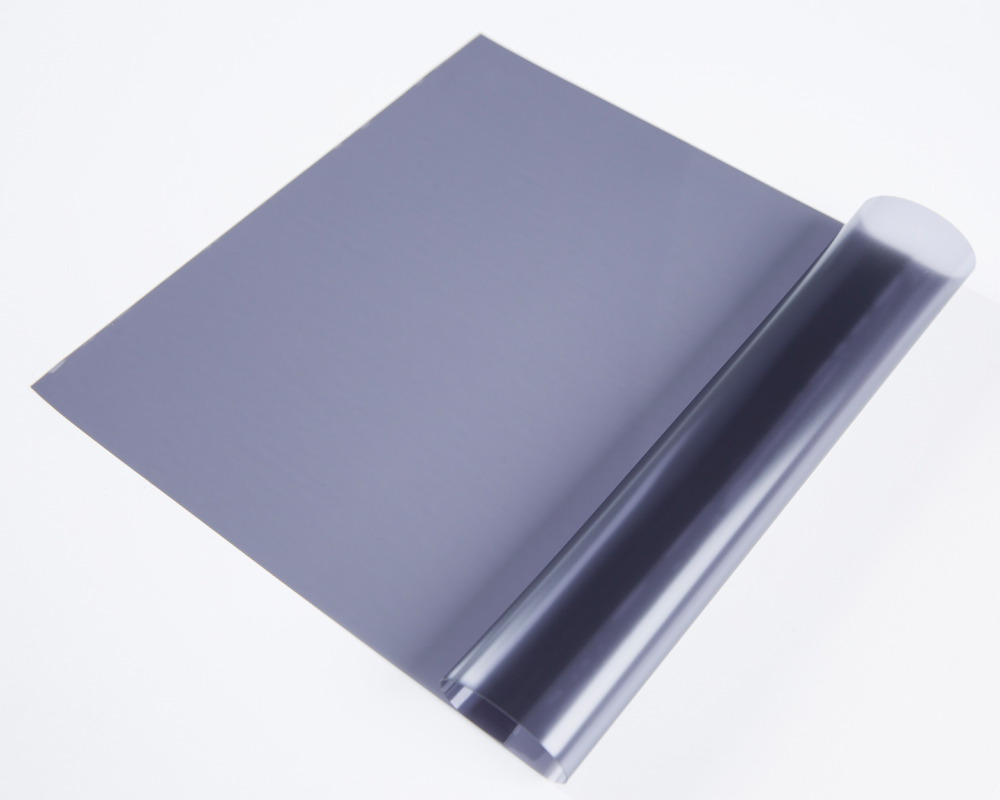
PVC ppf full form, Polyvinyl Chloride, is the third-most widely used synthetic plastic polymer in the entire world. PVC Films are also dubbed as first-generation Paint Protection Films, as PVC PPF was the first and most commonly used type of PPF. While PVC Filmsdos provide a certain degree of protection to your car’s paint, their rigid nature makes it difficult to install. Moreover, PVC tends to lose both their elasticity and colour over time and usually hardens in only 1 to 3 years of life. Another disadvantage of PVC PPF is that it can cause paint chipping upon removal.
2. TPU PPF
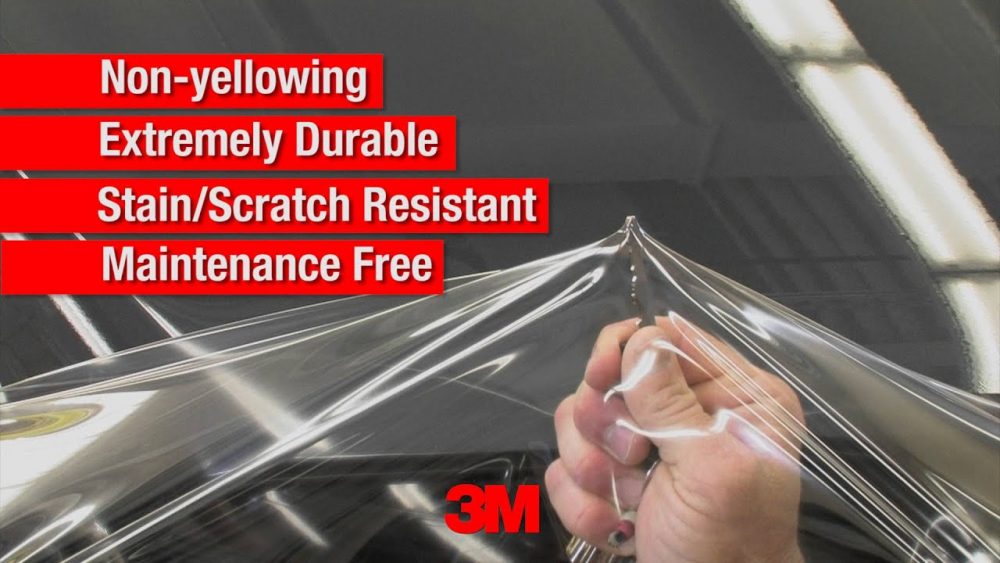
TPU ppf full form, Thermoplastic Polyurethane Paint Protection Film, is a transparent layer of film applied to the surface of a vehicle. Its primary purpose is to shield the paint from scratches, stone chips, bug splatters, minor abrasions, and even UV damage. Unlike traditional protective coatings, TPU PPF is flexible, optically clear, and offers superior performance under harsh environmental conditions.
3. TPH PPF
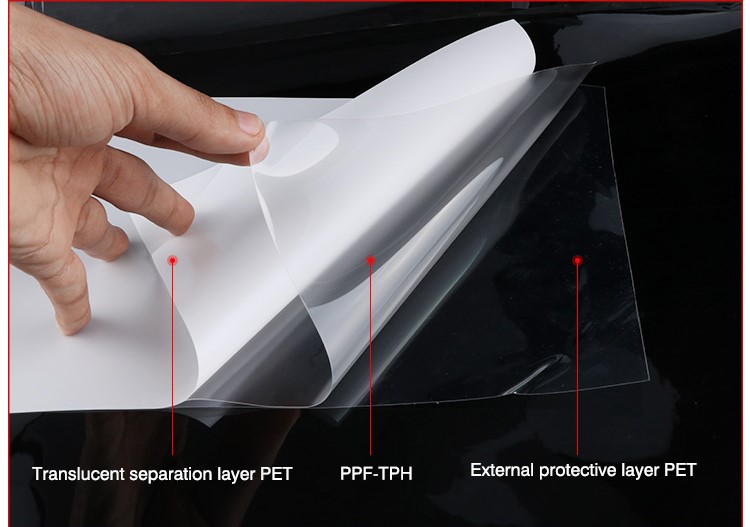
With Polyvinyl Chloride (PVC) as its base, TPH is a cheaper alternative to TPU and a better alternative to PVC Films. While the base of the TPH Film is PVC itself, the technology used is such that the flexibility and chemical properties of PVC are enhanced. As a result, the TPH material possesses better flexibility than PVC and does not undergo discolouration. But with that said, it isn’t as effective as TPU in terms of overall flexibility, durability and life.
So these were three of the most common types of Paint Protection Films. If you have any doubts regarding PPF, read Paint Protection Film (PPF) | All You Need To Know
And if you are planning to get a PPF done, then make sure to visit our website for the best Paint Protection services.
Also Read: Teflon Vs Ceramic Vs Paint Protection Film; Which Is The Best?
TPU vs TPH PPF – Comparison Table
| Feature | TPU PPF (Thermoplastic Polyurethane Paint Protection Film) | TPH PPF (Thermoplastic Polyolefin Paint Protection Film) |
| Full Form | Thermoplastic Polyurethane Paint Protection Film | Thermoplastic Polyolefin Paint Protection Film |
| Material Type | Polyurethane (flexible, durable) | Polyolefin (more rigid, cost-effective) |
| Durability | Very High (5–10 years) | Moderate (2–3 years) |
| Flexibility | Excellent – conforms to curves and edges | Low to Moderate – less flexible |
| Self-Healing | Yes – minor scratches heal with heat | No – does not self-heal |
| UV & Chemical Resistance | High – protects against yellowing and fading | Lower – more prone to UV damage |
| Clarity & Finish | Crystal clear, glossy or matte options | Decent clarity, often lower-quality finish |
| Cost | Higher – premium pricing | Lower – budget-friendly |
| Application | High-end and luxury vehicles | Entry-level protection, short-term use |
| Recommended For | Long-term, premium protection needs | Budget-conscious users, basic protection |
Conclusion: Choosing the best PPF for your vehicle
Nothing makes a bigger impact on the class-of-appearance of the car than that of its paint. So, it is worth every penny to protect it with the best Paint Protection Film. When deciding on a PPF for your protection need. Hence it remains the best PPF available for all long-term and luxury use cases. Whether you are debating between a high-end PPF or just a simple and affordable layer of protection for your vehicle, you will be well-aware of these options, in an attempt to retain that “brand new” look for as long as can be. Protect it well and drive safe!
FAQs
- What is the complete name of PVC PPF?
The complete name is Polyvinyl Chloride Paint Protection Film. This is one of the earlier and cheaper forms of paint protection film though it has a shorter life span and deteriorates more readily with fading and cracking as time progresses.
- What is the best type of PPF?
The best is TPU PPF (Thermoplastic Polyurethane Paint Protection Film). TPU PPF is more flexible, self-heals, has a longer life span (5-10 years), and has better optical clarity than TPH or PVC.
- What is the difference between TPU PPF and PVC PPF?
TPU PPF is made from Thermoplastic Polyurethane, which allows for the flexibility of the film, self-heals with scratches, UV resistant, and lasts much longer. PVC PPF is made from Polyvinyl Chloride, which provides a more rigid material, does not self-heal and typically lasts 1-3 years. This indicates TPU PPF is ideal for premium use and PVC PPF is a budget friendly option that is not as good.
- What is PPF TPH?
PPF TPH is short for Thermoplastic Polyolefin Paint Protection Film, more commonly referred to as TPH PPF. It is a mid level option which has better flexibility than PVC but not as many advanced features as TPU- such as self-healing.
- What does TPH mean as an abbreviation in PPF?
TPH in PPF is the abbreviation for Thermoplastic Polyolefin, a inferior material which is targeted for usage on mid-range Paint Protection Films that provide fundamental protection at a moderate level of durability and flexibility.
- Which PPF is better, TPU vs. TPH?
In the TPU vs. TPH PPF comparison, TPU is better for a variety of reasons, such as longer life (5 – 10 years), self-healing properties, better clarity and better protection. TPH PPF comes with a much lower price point, but is less durable and does not have the premium features.
- What does TPU mean as an abbreviation in PPF?
TPU in PPF is the abbreviation for Thermoplastic Polyurethane which is a higher quality, flexible and durable material used in premium Paint Protection Films that have self-healing properties and have superior insulation against UV, chemicals, and cuts and scratches.
- Is PVC or TPU better?
TPU is so superior to PVC in relation to PPF. TPU PPF is much more flexible, clearer, durable, and self-healing than rigid PVC PPF, but PVC PPF is not very durable and has a greater tendency to yellow and crack.


Cost of tpu ppf
Hi Cost of PPF depends on several factors such as car make and model, type of coating, etc. We would advise you to download the GoMechanic App, where our service buddy will help you pick the correct PPF treatment for your car.
I need to install tpu ppf
Hey Hii what will be the cost of tpu ppf on thar lx hard top .
Hi Aman, download the all-new GoMechanic App and book a car care service to know the exact service cost for your vehicle.