GoMechanic

What is a Radiator Flush?
A Radiator Flush also known as a Coolant Flush is a concoction of chemicals used for cleaning a typical car radiator. A Radiator Flush is specifically formulated to removed rust and scale also purging the old contaminated coolant from the cooling system. Think of it as a blood transfusion for your car’s cooling system.
A Radiator Flush service involves running several litres of water and new coolant through the cooling system to get rid of all the old coolant along with the contaminants that may have built up over time.
Why should you choose GoMechanic Radiator Flush?
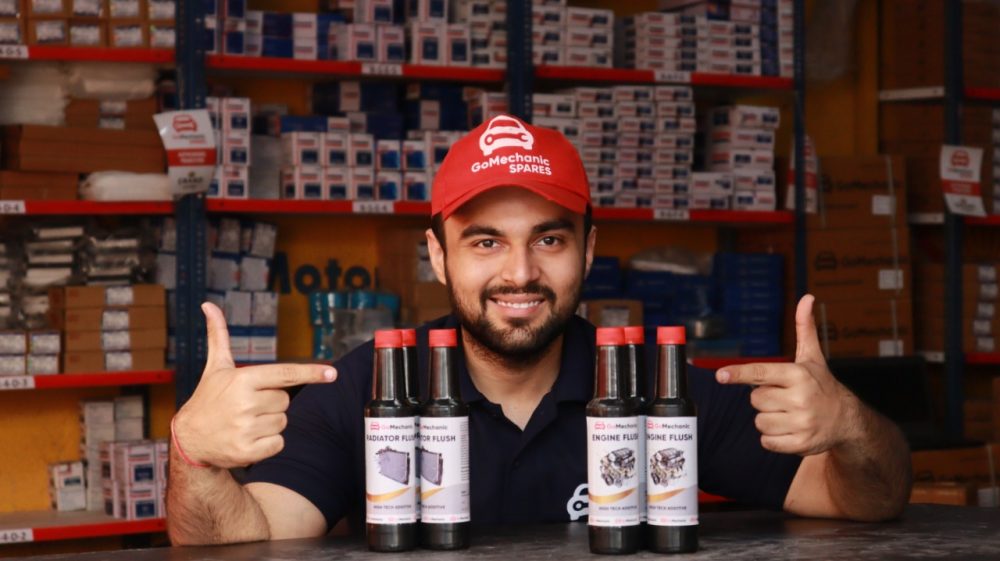
GoMechanic Radiator Flush is a cleansing concentrate for car radiators brought to you by GoMechanic. It is compatible with all the conventional coolants and antifreeze concentrates while also removing tough sludges from thermostat valves, pipes and control mechanisms and also dissolves oil-soluble, oil-insoluble and lime deposits. It has a special alkali and acid-free formula for gentle and corrosion-free cleaning.
Click here to purchase GoMechanic Radiator Flush for your car
5 Signs you need to Flush your Car Radiator
-
Engine Overheating

Car Overheating The first and foremost sign that’ll tell you to flush your car radiator is engine overheating. If you notice that your engine is often overheating but the coolant level is intact, this is a clear indication that your car is running on a contaminated coolant which is causing the engine to severely overheat. GoMechanic highly recommends that you get your car radiator flushed to avoid engine seizing.
-
Coolant Leakage

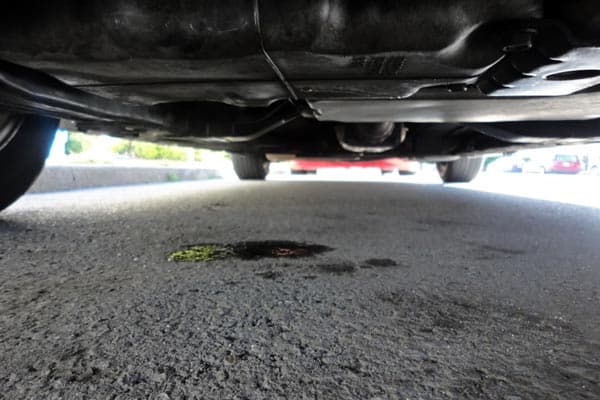
Coolant Leakage If you notice coolant leakage from your car, this can also be a sign that your car is in a dire need of a radiator flush. Contamination and debris in the cooling system can cause it to run under high pressure which in turn can compromise a coolant hose or an inlet/outlet.
-
Visible Contamination

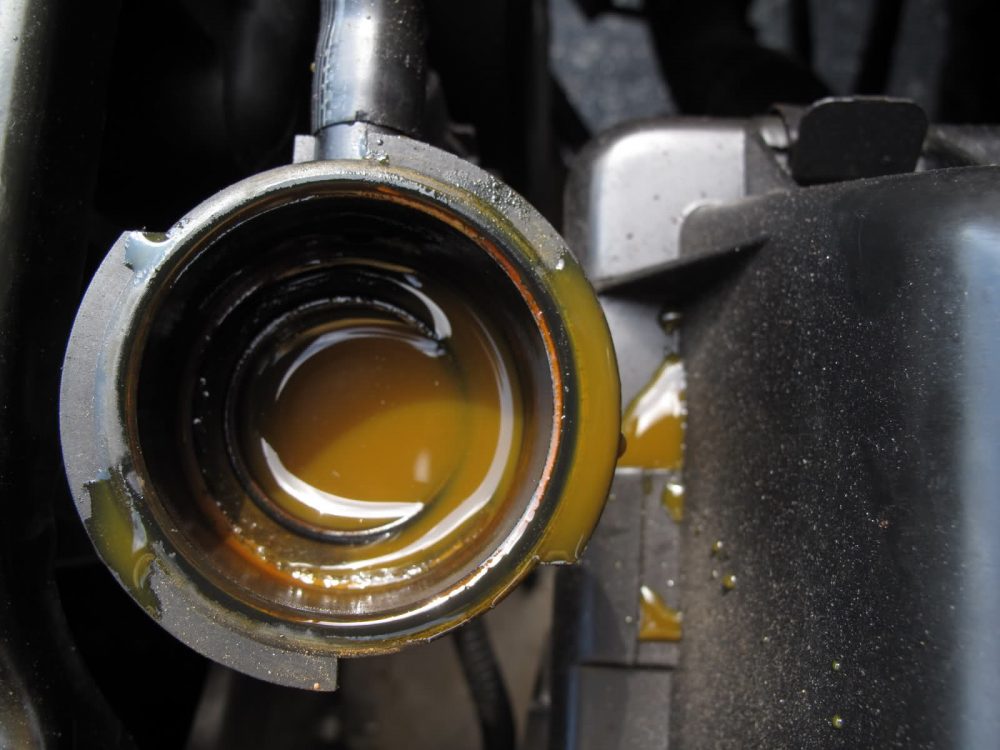
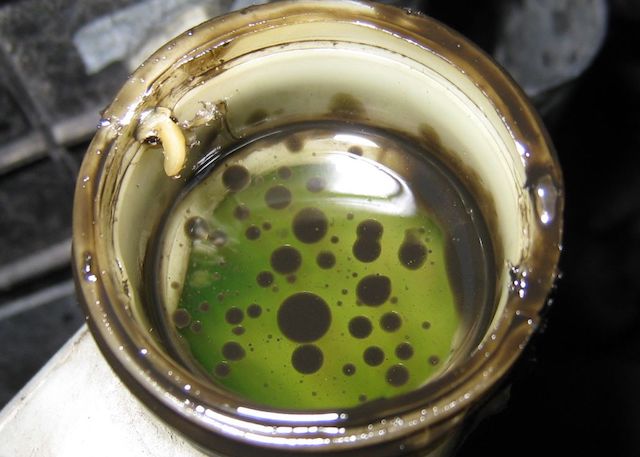
Coolant Contamination Coolant contamination is a common sight in today’s vehicles. Often time car owners forget to flush out the old coolant and just keep topping up the coolant reservoir again and again. This leaves room for scaling and rust build-up which in turn contaminates the coolant over time. Check your coolant reservoir for coolant colour which should be either green or red. If your coolant is murky brown in colour, it’s time for a Radiator Flush.
-
Engine Knocking
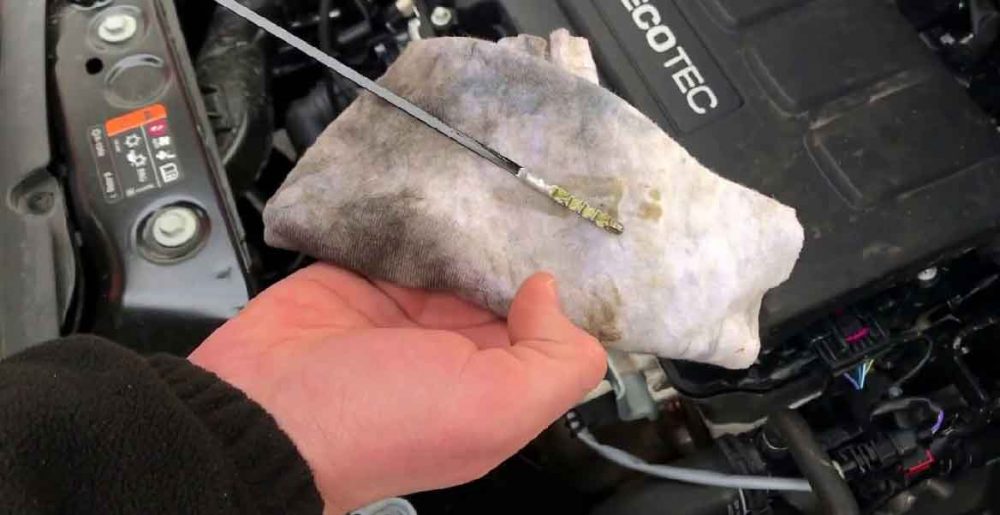
Engine Oil Check Believe it or not, a knocking engine can also be a sign that your car needs a Radiator Flush.
It is simple, the coolant is responsible to cool the engine to increase its efficiency. The coolant is drawn in through the water pump around the cylinder which pulls the heat and cools the engine. If the coolant is contaminated, the water pump will struggle to run the coolant around the engine which will cause the engine to overheat and eventually knock.
-
Sweet Odour from the engine bay

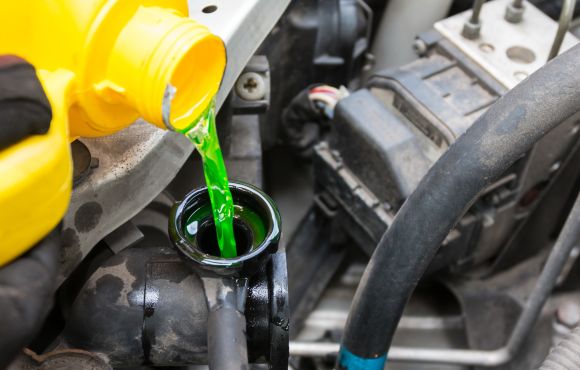
Green Coolant If you smell a sweet odour coming from inside the engine bay, trust us, it’s not your brand new car perfume. It is leaking coolant inside the engine. Coolant, when it burns smells sweet like maple syrup. If you are getting a faint sweet smell from your engine bay, it’s time for a Radiator Flush.
8 Benefits of using GoMechanic Radiator Flush
-
Removes Rust & Scaling

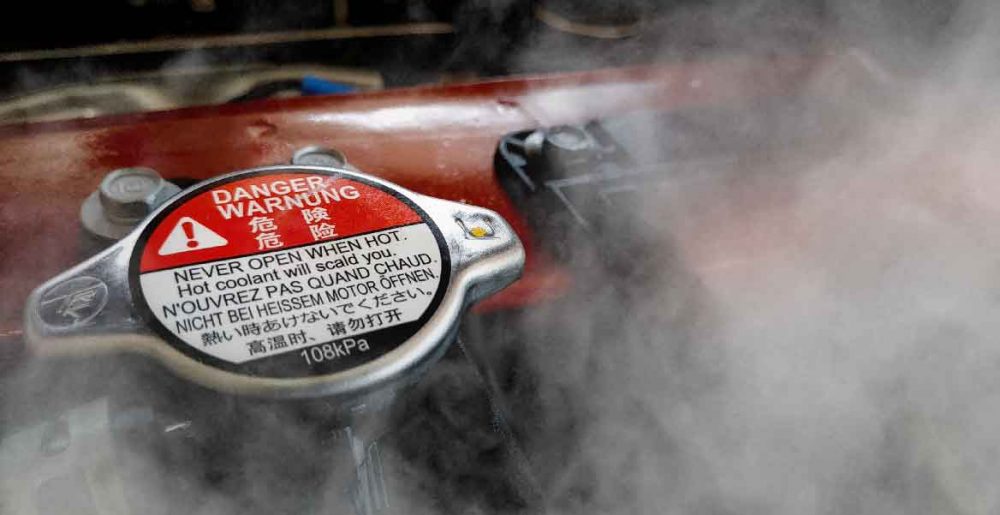
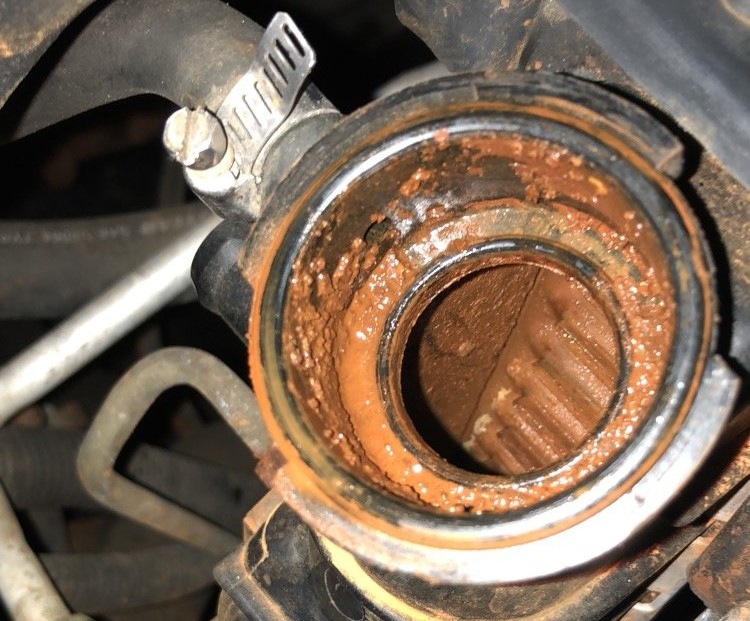
Radiator Cap Rusting What a radiator flush does is purges the old anti-freeze, which helps to remove the rust and scale deposits that build up over time in your cooling system. Removing rust and scales is very important since it can cause engine overheating, damage to your radiator or even engine seizing.
-
Increases Heat Transfer & Promotes Cooling

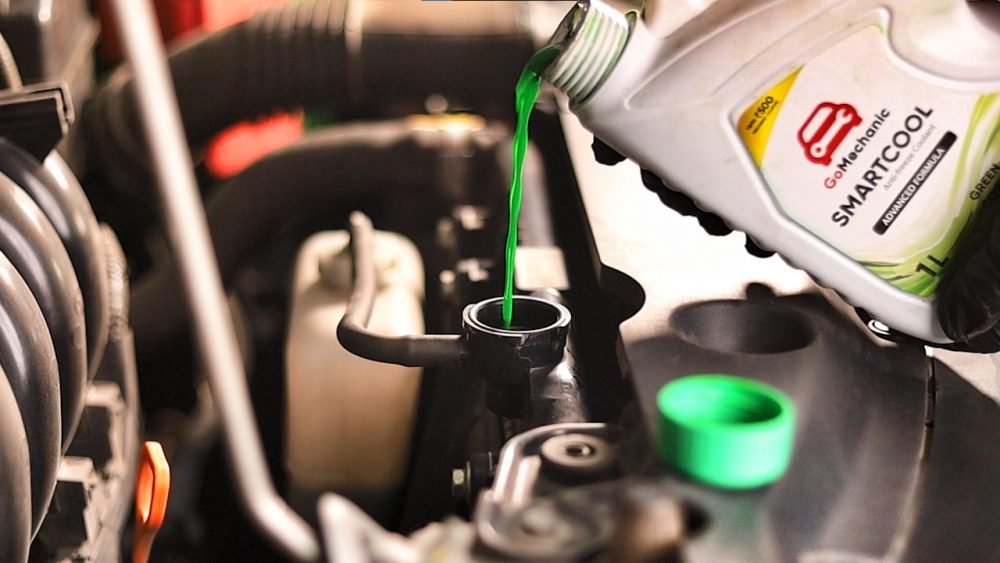
GoMechanic Smartcool Coolant Routinely flushing your car cooling system helps your engine cool better. Replacing the old coolant with a fresh pour cleans the cooling system of any debris while also restoring its heat transferring ability.
-
Purges the Cooling System of Contamination

Oil In Coolant The special additives and formulants in a coolant lose their anti-corrosive and rust-inhibiting properties over time which causes the rusting and scaling, which in turn contaminates and reduces the coolant into murky brown water. Routine radiator flushing prevents purges of the old coolant along with any contamination.
-
Prevents Coolant Foaming
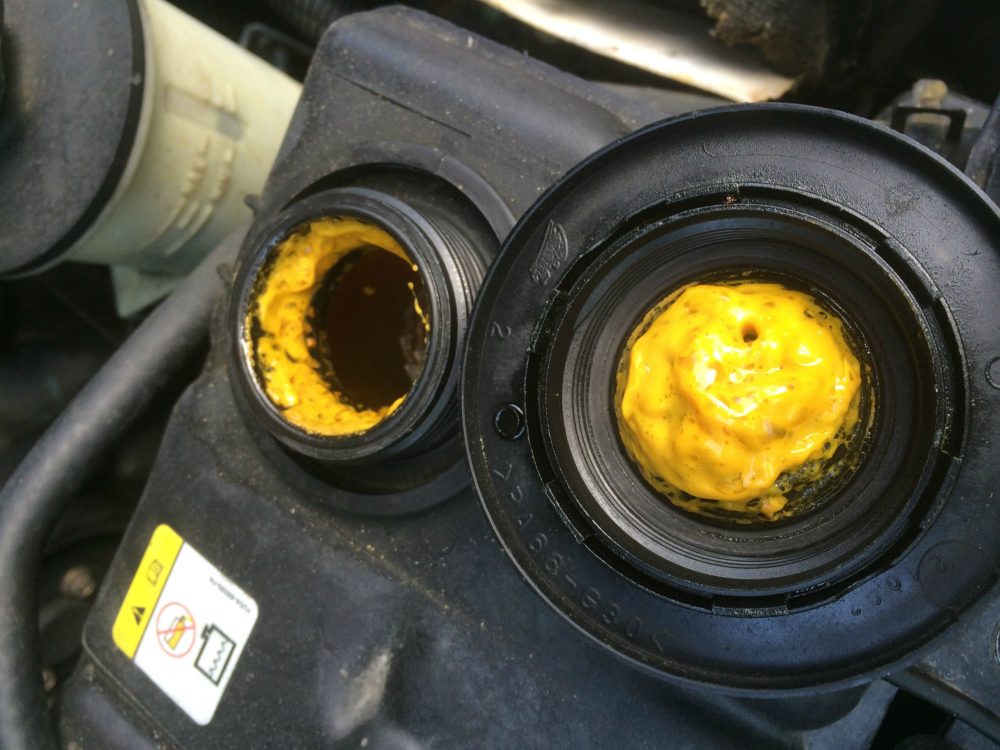
Coolant Foaming Coolant Foaming is real and happens when the coolant is contaminated. A fresh pour of coolant is usually not helpful in getting rid of coolant foam. However, using Radiator Flush can greatly help in removing and eliminating coolant foaming.
-
Good Preventive Maintenance
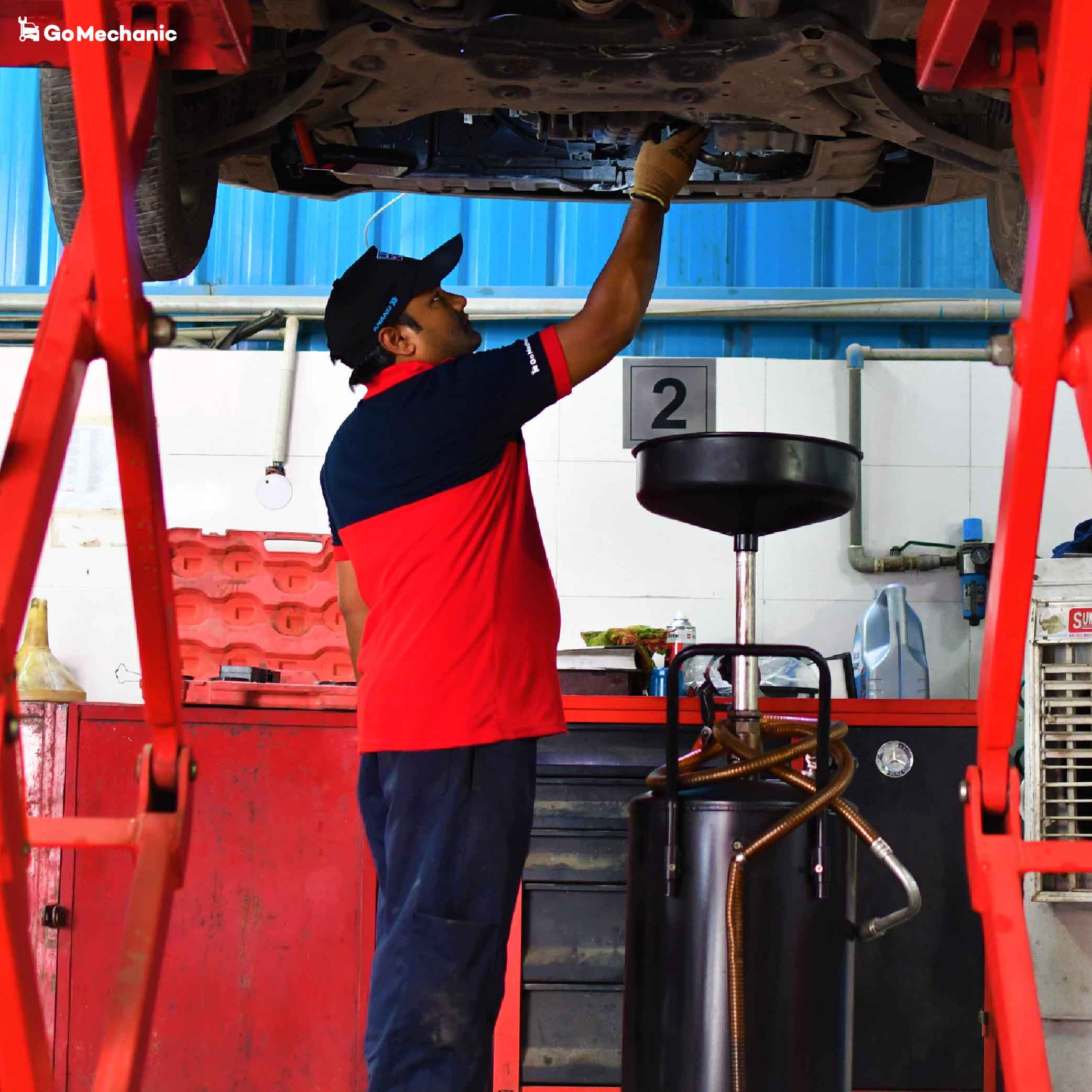
 Radiator Flushing is just good preventive maintenance. The process involved in Radiator Flushing includes a complete inspection of the cooling system including the water pump, radiator, pressure testing to check for leaks. All-in-all a complete 360° cooling system check.
 -
Enhances Water Pump Bearing Life
Water Pump Skipping on Radiator Flushing is a common mistake that could lead to a failing water pump. The old coolant is likely to be contaminated which can cause debris to settle down on the pump seal. As a result, this debris can scratch and damage the sealing surface, which could lead to premature pump failure. It is very important to periodically flush the cooling system to enhance water pump bearing life.
-
Lubricates The Water Pump
The additives in a coolant help lubricate the water pump which is a crucial part of your car’s cooling system. Routinely flushing the cooling system will increase the water pump’s lifespan in the longer run.
-
Prevents Rust Build-Up in the Water Pump
Very similar to the 6th point, when you flush the radiator, you also clean out the cooling system including the water pump (including its components). This flushing removes any rust deposits and inhibits future rust build-up thereby ensuring a healthy functioning water pump.
 Radiator Flushing is just good preventive maintenance. The process involved in Radiator Flushing includes a complete inspection of the cooling system including the water pump, radiator, pressure testing to check for leaks. All-in-all a complete 360° cooling system check.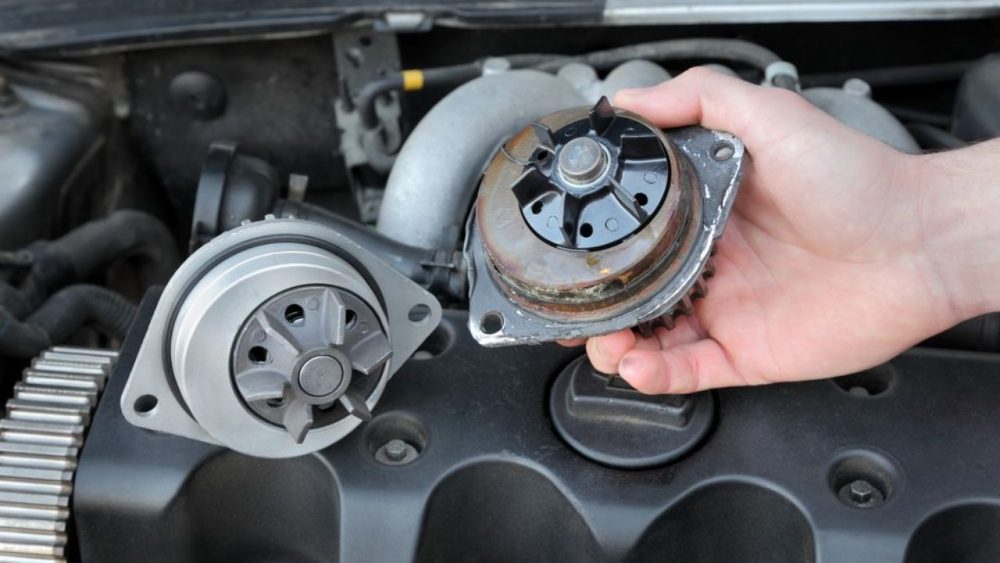
How often should you use Radiator Flush?
GoMechanic recommends flushing your car radiator annually or every 50,000 kms, whichever comes earlier. However, if you have a new car with less than 10,000kms on the odometer, there is no need to flush the cooling system for at least a year.
It is also very important to keep a check for heating issues or observe the coolant isn’t visible contaminated. If so, rush to your nearest GoMechanic workshop for a free inspection.
What will happen if you skip Radiator Flushing?
So, the question arises; what will happen, if I skip Radiator Flushing? If you are experiencing issues with your car, such as a leak, overheating or a sweet odour coming from the engine bay, then not flushing the cooling system will mean that you will make the problem worse and will probably cause critical irreversible damage to the radiator, cooling system and even the engine, which will definitely burn a hole in your pocket sometime in the future.
You can also expect rust, corrosion, foreign contamination to build up in your coolant system. Eventually, this will damage gaskets and seals which will cause leakage, rapid overheating and a host of other problems that you and your car are better off. It’s much better to get your car radiator completely flushed now than after it has started damaging your car.
FAQs
How often should I flush my radiator?
You need to flush your radiator according to your vehicle specifications and coolant type which recommends a radiator flush every 2 to 5 years. Long-life coolants provide service until drivers reach 1,50,000 kilometers which requires wheel replacement. The service schedule in your owner’s manual should be followed at all times. The cooling system operates at its highest level through continuous system flushing.
Will flushing a radiator help with heat?
Flushing a radiator improves heat distribution throughout the system according to experts. The process eliminates rust and debris which creates blockages in coolant channels. Improved circulation allows the engine to maintain its optimal temperature. The system also enhances the performance of the cabin heating system.
Can I put water in my radiator in the summer?
Emergency situations allow you to use water as a temporary solution for radiator needs although this practice should not be used as a permanent solution. The coolant contains additives which protect against both rust and overheating issues. Water without any additives will develop corrosion problems and experience boiling issues at lower temperatures. You must immediately restore the system with the appropriate coolant mixture after any system maintenance.
What are the signs that a radiator flush is needed?
The need for a radiator flush becomes evident through specific indicators. The engine starts to overheat and the coolant becomes rusty while the heater performance decreases which indicates a need for radiator flushing. The engine bay shows coolant leaks and a sweet odor which indicates a problem. The coolant has brown and sludgy appearance which requires a flush.
What happens if I don’t flush my radiator?
Skipping radiator flushing creates a situation where dirt and rust accumulate within the system. The system develops an obstruction that prevents coolant circulation which leads to engine overheating. The system will progressively develop problems that will affect the radiator and water pump and engine components. Regular system maintenance activities will eliminate expensive repair needs.