






A car is not merely a vehicle; it is a faithful friend, which takes you to work, family trips, holidays and a lot of unforgettable moments. Being car-friendly is a considerate act that demonstrates concern, care and responsibility. This can be effectively done by having regular servicing of cars. Regularly scheduled car servicing is a sure way of having a vehicle that is well-maintained, secure, and free of any sudden breakdowns.
Regular servicing of your car is also important since it prevents small problems from growing into larger problems and this is also because every part of your car is operating at maximum performance. Consistent automobile service enables you to identify some underlying issues before they arise, e.g., tyres, fluid loss or engine malfunctions. Giving your car a due service or routine checkup is a valuable offering that guarantees quality, security and ease on all trips. Such care is equivalent to providing your car with a token of love that it actually needs.
1. What’s Included in Car Servicing: A Complete Act of Care for Your Car
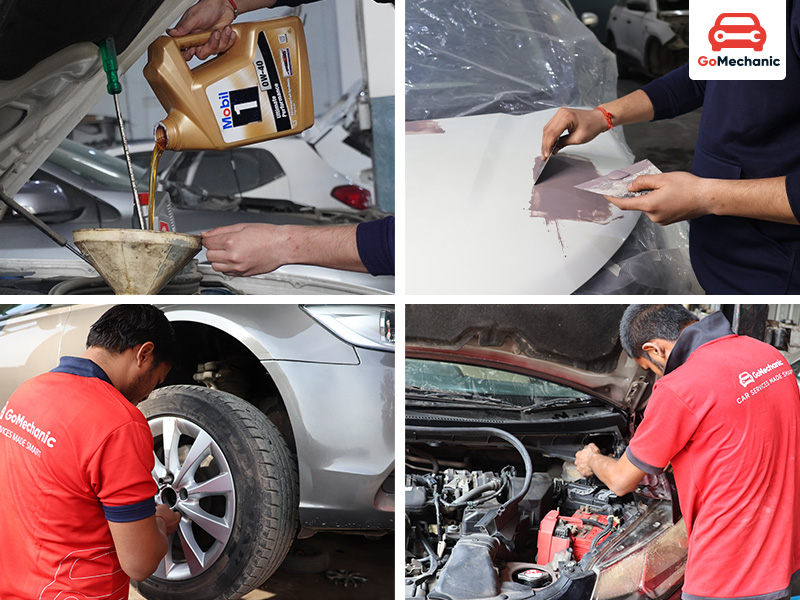
Servicing of cars is not merely a replacement of engine oil, but a full check-up of the health of your car. Complete servicing of a car is the guarantee of efficient and safe functioning of all important systems. When the car undergoes a regular service, the mechanics check several parts to avoid any additional issues and increase performance.
Key Components of Car Servicing:
- Oil filter and engine oil changing.
- Checking of the brakes (pads, discs, and brake fluid)
- Check of air pressure, tread and alignment of tyre.
- Battery health test
- Top up of coolant, windshield washer and brake fluid.
- Air filter inspection and cabin filter inspection.
- Wiper, lights, belts, and hose check.
Benefits of Each Car Servicing Component:
| Component | Benefit |
| Engine oil | Smooth engine performance |
| Brakes | Safety during stops |
| Tyres | Better grip and fuel efficiency |
| Battery | Prevents starting issues |
| Filters | Protects engine and cabin air |
| Fluids | Keeps the car running smoothly |
A proper car servicing not only extends the life of your vehicle but also shows love and care, ensuring reliability every time you hit the road.
Also read: A Little Love Goes a Long Way: Keep Your Car Healthy with Regular Car Service
2. Routine Car Maintenance: Small Checks That Show Big Love
Ongoing maintenance of your car is what is referred to as routine car maintenance, such that your car is maintained in good shape between services. All these little efforts will not look difficult, but they will save you significant issues and keep your investment safe. Making it a habit of performing the scheduled maintenance on your car is just like taking good care of your car.
Important Routine Car Maintenance Tasks
- Checking the level of engine oil and the coolant.
- Checking the pressure of the tyres and tread depth.
- Testing brake response
- Testing indicators, wipers, and lights.
- Answering the noises of an unusual engine or suspension.
Why Routine Maintenance Matters:
- Eliminates breakdown and unexpected issues.
- Increases fuel efficiency
- Enhances passengers’ and your safety.
- Lowers the cost of repair in the long run.
Routine car maintenance and frequent car check-ups would be required in order to provide smooth performance. These are those little acts of love that can be seen as mini love notes to your vehicle to ensure that it is dependable, safe and prepared to take every trip.
Also read: Why Scheduled Car Service Is the Best Gift for Your Car
3. Car Check-Up Essentials: Giving Attention to Brakes, Engine, Fluids, and Tyres
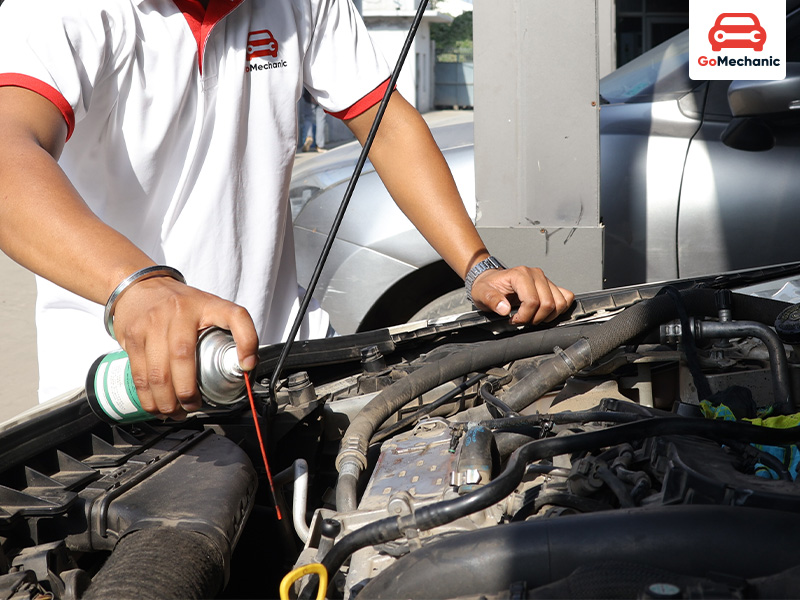
A car check-up is a specialised check that will guarantee that your car is roadworthy and safe. A car check-up is in-depth unlike general maintenance and it assists in identifying the hidden problems before they develop into major problems. Routine automobile service enhances safety, performance and durability.
Essential Areas in a Car Check-Up:
- Brakes: Pads, discs, and brake fluid are checked to ensure stopping power
- Engine: Look for leaks, unusual noises, or overheating signs
- Fluids: Engine oil, coolant, brake fluid, and windshield fluid are inspected
- Tyres: Air pressure, tread depth, and alignment are examined
Car Check-Up Benefits
| Area | Why It Matters |
| Brakes | Ensures safe stopping |
| Engine | Prevents major mechanical failures |
| Fluids | Keeps parts running efficiently |
| Tyres | Better grip and longer tyre life |
Attention to detail is observed in a regular car check-up and regular car maintenance. As with any act of affection, it keeps your car safe and provides safer and smoother rides in all your travels.
Also read: How Car Spa and Deep Cleaning Help Maintain Your Car’s Condition
4. How Regular Car Servicing Keeps Your Car Safe, Smooth, and Reliable
Routine maintenance of your car makes sure that your automobile is reliable and that it works effectively. Regularly serviced cars have fewer breakdowns, better performance and they are safer. Planned servicing of the car is an intelligent approach to provide your car with the care it requires.
Benefits of Regular Car Servicing:
- Maintains a clean and lubricated engine.
- Checks the responsiveness of brakes.
- Enhances steering and suspension condition.
- Lessens noise, vibration and fuel usage.
- Checks of electrical systems are done to make sure that lights and indicators are functioning.
Routine services and frequent checkups of the car are important in order to detect troubles at an early stage. Early alert will avoid the expensive repairs and ensure that your car is running smoothly. In good conditions, cars drive comfortably and give one confidence. Having your car regularly serviced in a car service shop is a kind of loving thing to do as it indicates that you thought and care about it. Not only does it protect your vehicle but it also gives you a sense of security during every trip.
5. Routine Car Maintenance as a Long-Term Commitment to Your Car’s Health
Maintenance of the car is a solution in the long term as it guarantees your car will remain in good shape throughout the years. It is not just a quick stop, but it is a guarantee that you will look after all the details of your car. Together with routine servicing of the car and check-up of the car, it aids in the performance, safety and value preservation.
Long-Term Benefits
- Minimises the risk of significant mechanical breakdowns.
- Maintains an efficient engine rate.
- Improves fuel economy
- Service undercarriage, tyres, brakes and suspension.
- Preserves resale value
Common Routine Maintenance Checklist
- Coolant monitoring and engine oil monitoring.
- Brake and tyre inspection
- Light, wiper, and fluid checks
- Battery testing and replacement in case of need.
Through regular car service, you will keep your car maintained, safe and reliable. Such activities resemble acts of care that show that you love your car. The most effective measure to defend your investment and ensure smooth stress-free journey over the years is a combination of servicing, regular check-up and maintenance of your car.
Also read: Top 5 Car Cleaning Essentials You Must Own
Conclusion:
A pre-scheduled car service is not merely a sign of maintenance but a sign of caring and being responsible for your car. Repairing your car, performing frequent car service, and conducting regular car check-ups will guarantee that your car is safe, reliable and efficient. Such practices avoid any unforeseen failures, enhance performance, and ensure that your investment is safe in the long run.
Regular maintenance of cars helps to prevent minor problems from being converted into expensive repairs, and a car check-up helps to detect any present issues at the initial stage. Through regular servicing of cars they make sure that your car is given the proper attention it deserves. Simple yet effective displays of giving love to your car are small gestures like checking the fluids, inspecting the brakes or checking the tyres.
Through frequent maintenance, your vehicle will remain silky, reliable, and capable of all the trips. Such a considerate gesture of giving your car as a gift is a good way of appreciating its service, reliability, and the role it played in your life.
FAQ’s
1. What is the servicing of a car?
Car servicing refers to the process of inspecting and ensuring the maintenance of all the significant parts of your vehicle to ensure that it is safe and reliable. It involves replacement of engine oil, brakes, tyres, fluids, filters, battery and other components that are important. Commonly serviced cars can avoid breakdowns, enhance performance and guarantee that your car will run smoothly and longer.
2. What is the meaning of servicing a car?
A car with a mark of serviced indicates that it has been serviced by a mechanic. This normally involves oil refills, fluid refills, brake and tyre checks and general safety checks. A serviced car is said to be roadworthy and is safer to drive as it does not have the chance of developing unforeseen issues.
3. How frequently do we do car servicing?
The majority of cars are to be serviced after 10,000-15 kilometers or once a year and so on. There are newer cars which have a service indicator which alerts you. The frequency of servicing is dependent on the make, model and driving conditions of the car. It may need more frequent servicing especially when on frequent short trips, heavy traffic or extreme weather conditions in order to maintain the car in good condition.
4. What would become of me if I did not service my car in 2 years?
The problems that lack servicing for two years might become big problems. Engine oil will but wear out, brakes will wear out, tyres can become unsafe and fluids can run low. This predisposes the chances of breakdowns, low fuel efficiency, and high cost of repairs. Neglecting servicing also reduces the reliability and life of the car.
5. What is 30-60-90 maintenance?
30-60-90 maintenance- This is a routine car care check that is performed at 30,000km, 60,000km and 90,000km. There are certain inspections and replacements made in each milestone. As an illustration, after 30,000 km, oil and filters can be replaced; after 60,000km, brakes and suspension can be inspected and after 90,000km, major engine and transmission components can be checked. This plan aids in long-term dependability.


