






Cars these days are durable and are built to withstand the test of time. This makes buying a second-hand car not only an economical move but an astute one as well. Buying a second-hand car can be a grim experience for many, but by keeping a few pointers in mind it can go a lot smoother than you think. Asymmetric information is always a problem in this market where there is always the risk of lemons. Keep a cautious eye out and it is best to educate yourself. Using a second-hand car checklist can help you systematically evaluate the vehicle’s condition, service history, and potential hidden issues. Taking time to research the make, model reliability, and previous ownership can save you from costly mistakes and make the buying experience much more confident and satisfying.

Take a look at 10 things you need to keep in mind while choosing a second-hand car, that is not only safe and reliable but is worth every penny you spend.
TLDR? Take a look at the video:
-
Where to buy and how much should you pay?
You can get the car you are looking for from service providers, individual sellers, dealerships and virtual resources. You can take advantage of the pre-outlets of any car manufacturer.

second hand used car dealership or private seller

Do not be afraid to choose another seller if things don’t feel right. It is important to decide on your budget beforehand. There is a big chance of being swayed by the sweet-talking salesperson after you get to the dealership. You should also consider all the potential costs including insurance. Additionally, make sure to review a detailed used car checklist to avoid missing important inspection steps. Taking time to compare options, verify documents, and evaluate long-term ownership expenses can help you make a confident decision and prevent unexpected problems after purchase.
Choosing the right car
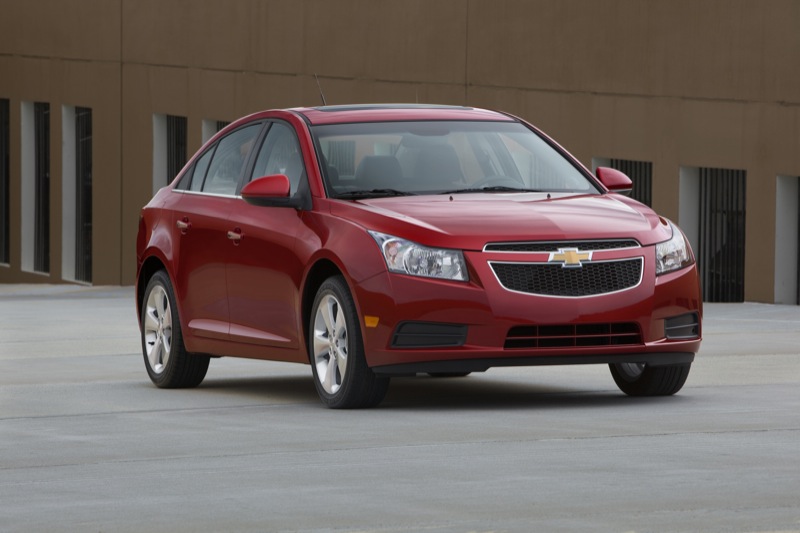
Make sure you know what you are looking for when it comes to features, specifications and the kind of car you wish to buy. Try to buy newer models if possible. Remember that the prices of new cars tend to plateau after three years of purchase. And never purchase cars that have been discontinued. Trust us when we say it is not worth the trouble. Before finalizing a choice, review a thorough second-hand car checklist to confirm the vehicle’s condition meets your expectations. Consider factors such as fuel efficiency, safety ratings, and long-term maintenance costs to ensure the car fits your lifestyle. Taking time to research ownership reviews and comparing similar models can help you select a dependable option with better future value.
What is the overall condition of the car?
The car should be free from any major defects. There really is no point in buying a car if it is not usable. Go the extra mile to make sure the vehicle systems like the brake, emission, lighting, engine cooling, steering and suspension are all in good condition. Doing this can save you a lot of maintenance expenses in the long run. If anything is amiss, don’t be afraid to walk away and look for another dealer.
If you can try to get the car’s major systems checked by a mechanic. GoMechanic offers a Second-Hand Car Inspection Service. You can download the GoMechanic app from the play store for this and all the other car-related queries.
Check the body, underbody & wheel wells
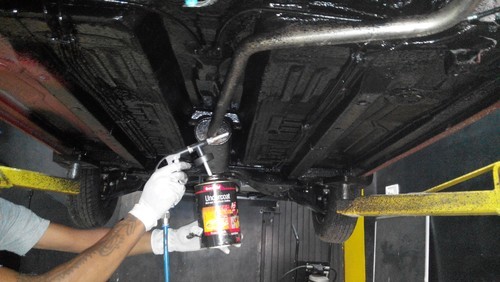
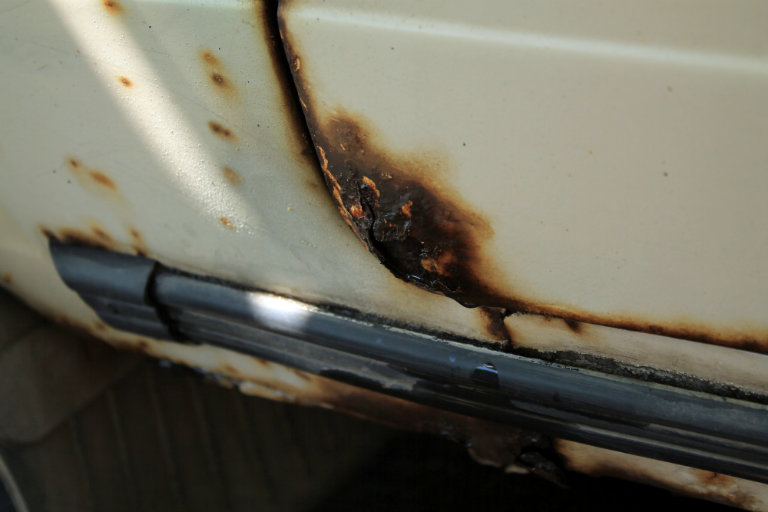
You should thoroughly inspect the bodywork of the car for signs of motor accidents. Look for chipped paint, dents, fender benders, rust and other telltale defects. Inspect wheels thoroughly to find out if any of them would require replacement. When you Check the car before buying, pay attention to uneven panel gaps or mismatched paint, as these may indicate previous repairs. Examine the underbody for leaks, corrosion, or structural damage that could lead to expensive future repairs. It’s also wise to assess the condition of the suspension, wheel alignment, and brake components to ensure the vehicle has been well maintained.
How is the interior?
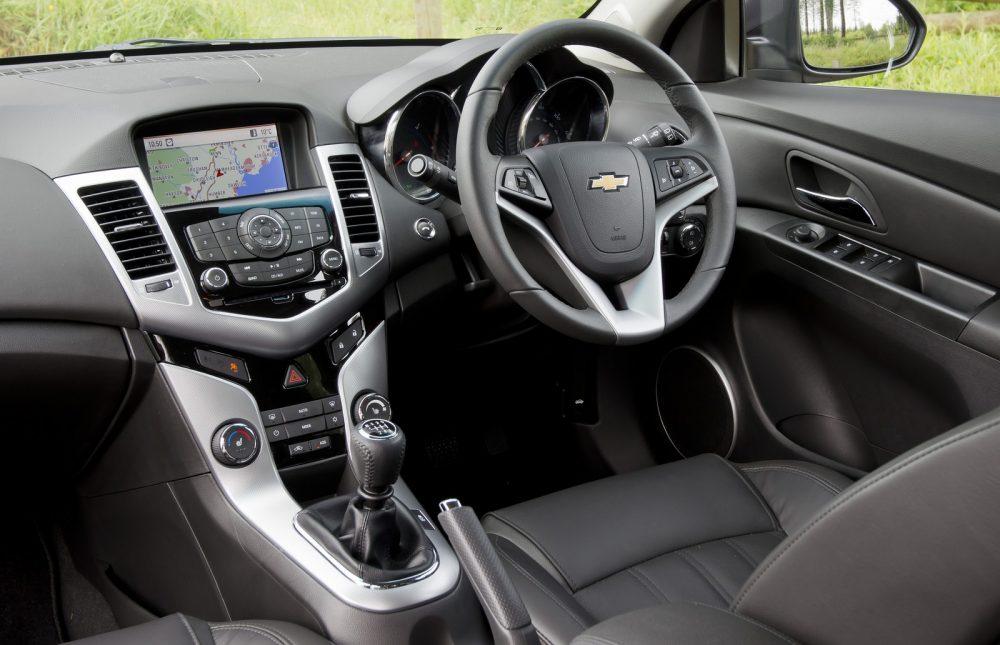
Check the upholstery for tears or cigarette burns. These can be good reasons to ask for some money off the offer price. Check the stereo, air conditioning unit and windows. Take a look at the mileage reading on the odometer. Thoroughly inspect the interior so that you get what you are paying for. Also, examine the dashboard for cracks, the condition of seatbelts, and any unusual smells that could indicate water damage or mold. Don’t forget to test all interior lights, cup holders, and storage compartments. A complete second-hand car checklist can help ensure no interior issue is overlooked before finalizing your purchase.
Take a thorough Test Drive

It is very important to take the car out on a drive before committing. Get behind the wheel and drive around for about 20 minutes at different speeds. This would help figure out if the car is in fact in good shape and you can also spot defects that were previously missed. During the test drive, pay attention to brakes, acceleration, gear shifts, and suspension performance. Listen for unusual noises from the engine or exhaust, and check if the car pulls to one side. Using a second-hand car checklist during this drive ensures you evaluate every critical system before making a purchase decision.
Double-check the paperwork

Look at the original invoice, receipts and other paperwork. This would help make it clear if the car has met with any accidents. We can also understand if any work was done on it as well as the car’s true mileage. With the Registration Certificate, you can see how many times the car was bought and sold.
Compare the car’s Engine and Chassis number against what is given in the RC book. Take a look at its service book and make sure the original owner has paid all the taxes.
Transfer of ownership
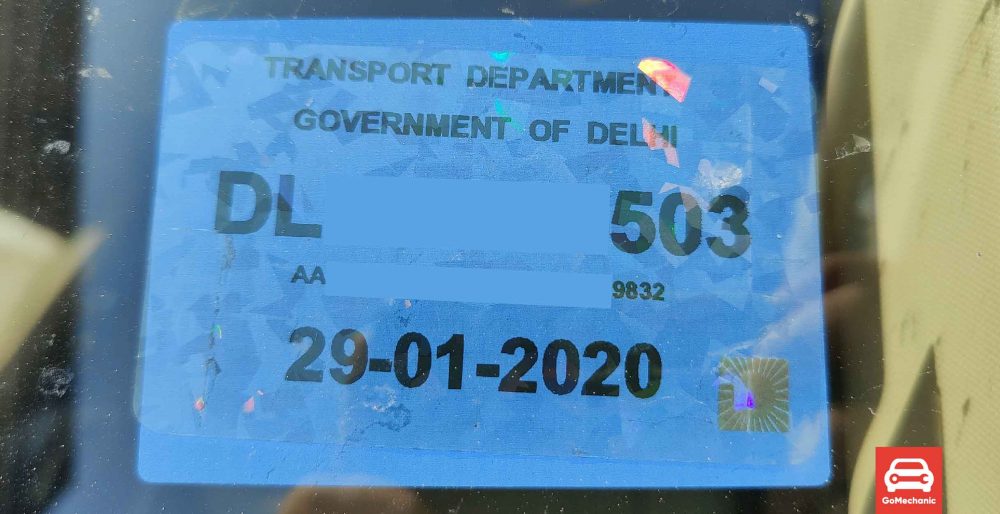
All the paperwork from the RC book, Pollution Under Control certificate (PUC) to the car’s original invoice should be transferred to the new owner. Check if the insurance papers are in proper order.
The ownership has to be transferred legally and on paper to prevent issues if the car is sold again in the car in the future. This is because, in case of an accident, you’ll need these documents. For the car’s transfer to be made official the buyer and the seller must sign RTO forms 29 and 30.
Planning on making modifications?

If you are planning to make modifications choose your car accordingly. Engine modifications, engine fuel, colour modification or whichever modification you are planning on, choose the model that can accommodate them. Newer models are more likely to support upgrades and conversions than older ones. Additionally, research the costs, legal regulations, and insurance implications of your planned modifications. Using a second-hand car checklist can help identify any limitations of the vehicle before purchase, ensuring that your upgrade plans are feasible and that you won’t face unexpected compatibility or safety issues.
How are your negotiation skills?
Some bargaining if not a lot would be required to get the deal you are looking for. Haggling can be nerve-wracking, get some help if you need it. Always make sure you do your homework. Or you can cut out the negotiation altogether by visiting a pre-owned outlet of any carmaker. It has advantages like the original manufacturer warranty and certification. Before negotiating, research the market value of the car, compare prices from multiple sellers, and check the vehicle’s history report. Using a second-hand car checklist can give you leverage during discussions, helping you confidently ask for repairs, discounts, or additional perks before closing the deal.
Know more about: HSRP, Colour-Coded Stickers Online Bookings Resumed After 25 Days
FAQs:
1. What to check when we buy a second hand car?
When you buy a second hand car, you should check the condition of the car. Both its exterior and interior should be checked. Registration Certificate, insurance and maintenance records should be verified properly.
2. What is the procedure of buying a used car?
There are several key steps to buying a used car. For this, you should do thorough research, careful inspection and understand the paperwork well.
The process of buying a used car is given in step by step here:
- Budget and Needs.
- Research.
- Shortlisting,
- Vehicle inspection and Test Drive.
- Document Verification.
- Negotiation.
- Purchase and Ownership Transfer.
3. What is the most important thing to consider when buying a used car?
The most important thing to consider when buying a used car is condition of the car, mechanical inspection, paperwork and legalities, financial Consideration and other factors like age and mileage, service records and vehicle history report.
4. What is the most significant consideration in purchasing an old car?
The condition of the vehicle in general, its mechanical, structural and maintenance history is the most important. A neat title, no significant accidents and regular service history are sure indications of a well-maintained car. Check by a reliable mechanic to have any concealed problems. Another one is the total ownership cost which includes part of insurance, fuel efficiency and possible cost of repair. These are useful in making sure of long term reliability and value.
5. What is the 20/4/10 rule to buy a car?
The 20/4/10 formula promotes intelligent and low-cost car purchase. Make a down payment of at least **20 percent, finance your vehicle for not more than four years and keep all transportation expenses loan payments, insurance, fuel, and maintenance within 10 percent of your monthly earnings. This is one of the guidelines that will ensure that one will not spend more than what was planned, and the interest rate will be low when buying a car, and long-term financial stress will stay minimal.
6. What do I do when I want to know whether a used car is reliable?
Reliability of checks: This is done by reviewing the maintenance records of the car, obtaining a pre-purchase check-up, and doing research on the common problems with that particular make and model. Search out the evidence of regular maintenance and do not buy vehicles that have a record of accidents or whose ownership is uncertain. Take the car out on a test ride to check the performance and look at the reviews or reliability of the car by reputable sources. These moves provide an improved understanding of long-term reliability.
7. What is a good mileage of a used car?
One popular alternative is approximately between 10,000 and 15,000 miles per year. Age and maintenance are essential to good mileage. High-mileage cars are not necessarily poor and low-mileage ones are not necessarily well-maintained. As an illustration, a five-year-old vehicle that has 50,000 to 70,000 miles is mostly decent. Whenever considering a used car, condition, service history and mechanical soundness should always rank higher than the mileage.
Subscribe To The GoMechanic YouTube Channel
Pitching Nissan Magnite vs Hyundai i20: Top-spec SUV at Same Price?


