






There was a time when buying a diesel sedan wasn’t even a debate. If you wanted effortless highway cruising, unbeatable fuel economy, and an engine that could outlive governments, you went diesel. No hesitation. No second thoughts. You didn’t care if petrolheads sneered at the clatter. You didn’t care if the car cost a little more upfront. Because in the long run, it paid off. Every kilometer costs less. Every highway pull felt stronger. Every fuel stop was another reminder that you were beating the system.
But that system has changed. This blog will help you understand various sedan diesel cars in India along with their specifications.
How Diesel Sedans Went from King to Nearly Non-Existent
For years, diesel ruled the sedan segment. The logic was simple:
- Superior mileage – Cars like the Ciaz DDiS, City i-DTEC, and Verna CRDi regularly hit 25 km/l. No petrol engine came close.
- Effortless torque – Where petrols needed revs, diesels surged forward with minimal effort. Overtaking was instant. Climbing hills was a joke.
- Long-distance comfort – A full tank meant 1000+ km of driving range. Highway trips weren’t just possible, they were inevitable.
And then? It all started falling apart.
Five Reasons Diesel Sedans are Dying in India
- BS6 Killed Affordability – Manufacturers had to add expensive emissions tech (DPF, AdBlue, EGR). The result? Diesel engines became costly to build, and small diesels simply weren’t worth the trouble.
- Diesel Fuel is No Longer “Cheap” – The price gap between petrol and diesel used to be ₹20+ per liter. Now? It’s barely ₹7–10 in most cities. That long-term savings argument? It’s on life support.
- Delhi-NCR’s Diesel Ban (The 10-Year Rule) – If your diesel sedan is older than 10 years, it’s scrap. It doesn’t matter if it runs like new, if you maintained it perfectly, or if it’s still more fuel-efficient than anything on the road. It’s illegal. That ruling alone sent resale values crashing and scared off a whole generation of buyers.
- Turbo-Petrols & Hybrids Took Over – Honda City e:HEV gives 25 km/l. Grand Vitara Hybrid does the same. Turbo-petrols like the Verna 1.5 TGDi now deliver diesel-like torque without the high maintenance costs. The competition isn’t just catching up—it’s winning.
- Manufacturers Are Abandoning Diesel – The list of brands that don’t offer diesel anymore is longer than those that do. Honda? Killed the i-DTEC. Hyundai? Verna CRDi? Gone. Maruti? Didn’t even bother upgrading their diesel to BS6. Volkswagen? No more TDI. If you wanted an affordable diesel sedan, you’re already too late.
And that leaves us with a burning question: What diesel sedans are even left?
Also Read: Cheapest Sedan Cars in India 2025: Affordable Comfort on Four Wheels
What Diesel Sedans Are Still Available in India?
So, you still want a diesel sedan. Either you’re in it for the long-haul mileage, or you just refuse to let go of that effortless highway torque. But before you get too excited, let’s be clear—options are limited.
Stricter emission norms have wiped out most of the affordable diesel sedans. If you’re hoping to walk into a showroom and drive out in a brand-new sub-₹20L diesel sedan, you’re in for a disappointment. But if you’ve got the budget, or if you’re open to used options, there’s still hope.
2.1 Diesel Sedans You Can Still Buy New
If you want a brand-new diesel sedan in India today, this is all that’s left:
| Model | Engine | Power (PS) | Mileage (km/l) | Price (₹ Lakh) |
| BMW 3 Series (320d) | 2.0L, 4-cylinder | 190 PS | ~20 km/l | 72L+ |
| Mercedes-Benz C220d | 2.0L, 4-cylinder | 194 PS | ~19 km/l | 62L+ |
| Skoda Superb Diesel (Rumored, 2024-25) | 2.0L, TDI? | ~150 PS? | TBA | ~50L? |
| Audi A6 40 TDI (Possible Return) | 2.0L, TDI? | ~204 PS? | TBA | ~65L? |
That’s it. If you want a diesel sedan under ₹20L, there is nothing. You’d have to look at the used market.
2.2 Diesel Sedans That Were Recently Discontinued
If you expand your search to models discontinued in the last few years, suddenly the options open up. These cars were still on sale as recently as 2023, and you’ll find plenty of them in the used car market.
| Model | Engine | Power (PS) | Mileage (km/l) | Last Year Sold |
| Honda City Diesel | 1.5L i-DTEC | 100 PS | 24 km/l | 2023 |
| Hyundai Verna Diesel | 1.5L CRDi | 115 PS | 21-25 km/l | 2023 |
| Maruti Ciaz Diesel | 1.3L DDiS | 90 PS | 26 km/l | 2019 |
| Volkswagen Vento TDI / Skoda Rapid TDI | 1.5L TDI | 110 PS | 21-23 km/l | 2020 |
These cars were some of the best diesel sedan in India, and many of them will still be running strong for years to come.
Related: Sedan vs Hatchback: Comprehensive Guide to Pick the Right Ride for You
2.3 Upcoming Diesel Sedans (Wishful Thinking?)
Could there be a diesel comeback? As of now, most manufacturers have moved on, but there are whispers:
- Skoda Superb TDI might return with a diesel option in its next-gen avatar.
- Audi A6 40 TDI could make a comeback with a cleaner BS6.2-compliant diesel.
- BMW & Mercedes will continue offering diesels for premium buyers.
But let’s be realistic. Diesel sedans are not making a full-fledged comeback. If you want one, now is the time to buy.
The Used Diesel Market – A Goldmine or a Trap?
You’ve seen the new diesel sedan lineup—or what’s left of it. Now you’re thinking used. Smart move. If you play it right, you can get a diesel sedan that outperforms its petrol counterpart at a fraction of the cost. But if you don’t? You could end up with a ticking time bomb wrapped in a shiny resale ad.
So how do you separate the gems from the junk of best diesel sedan in India?
3.1 Best Diesel Sedan in India (Used)
Here’s your tier list of used diesel sedans worth hunting for:
Under ₹7L – Budget Beaters
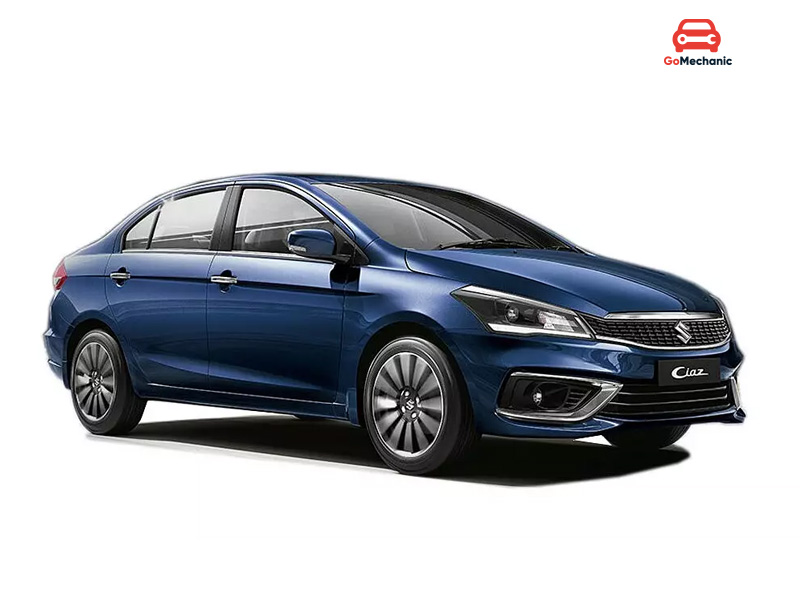
Maruti Ciaz Diesel (2014–2019) – Unbeatable mileage (26 km/l), but lacks power.
Ford Aspire Diesel (2015–2021) – Best handling in its class, but Ford exited India.
Toyota Etios Diesel (2011–2020) – Bulletproof reliability, but feels dated.
₹7L – ₹12L – Mid-Range All-Stars
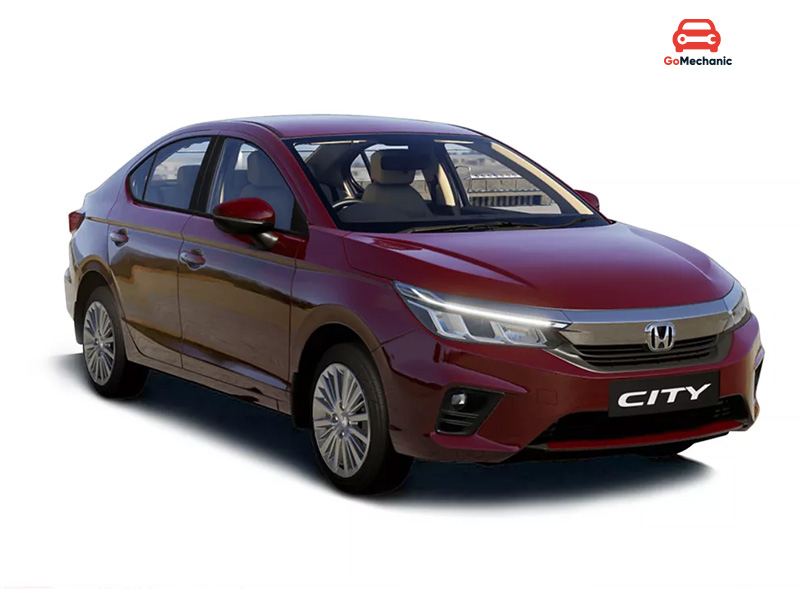
Honda City Diesel (2014–2023) – Efficient, spacious, but the engine is a bit loud.
Hyundai Verna Diesel (2011–2023) – Smooth, powerful, feature-packed.
Volkswagen Vento / Skoda Rapid TDI (2011–2020) – German build, torquey TDI engine, but beware of high-maintenance DSG variants.
₹12L – ₹20L – Premium Diesel Experience
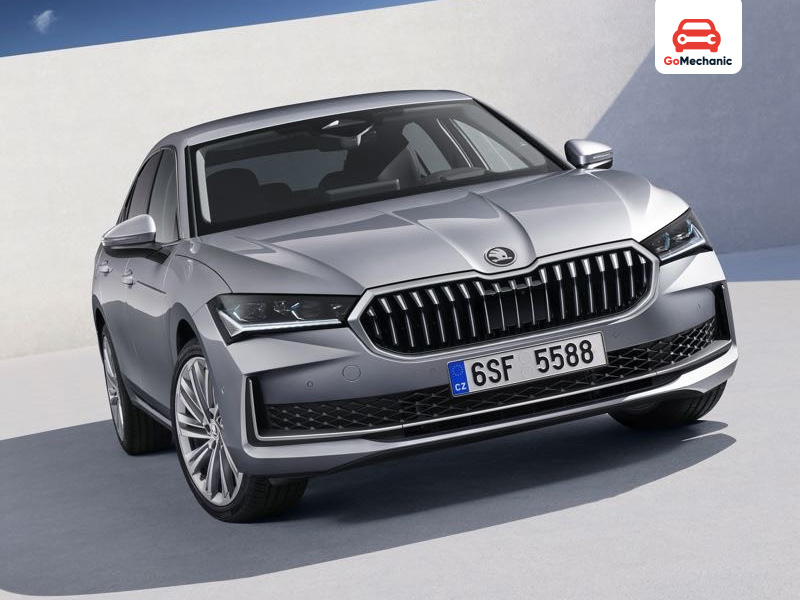
Skoda Octavia 2.0 TDI (2013–2020) – Power + luxury, but maintenance is not cheap.
Toyota Corolla Altis Diesel (2011–2019) – Smooth ride, excellent reliability, underpowered engine.
₹20L+ – Luxury Diesel Bargains
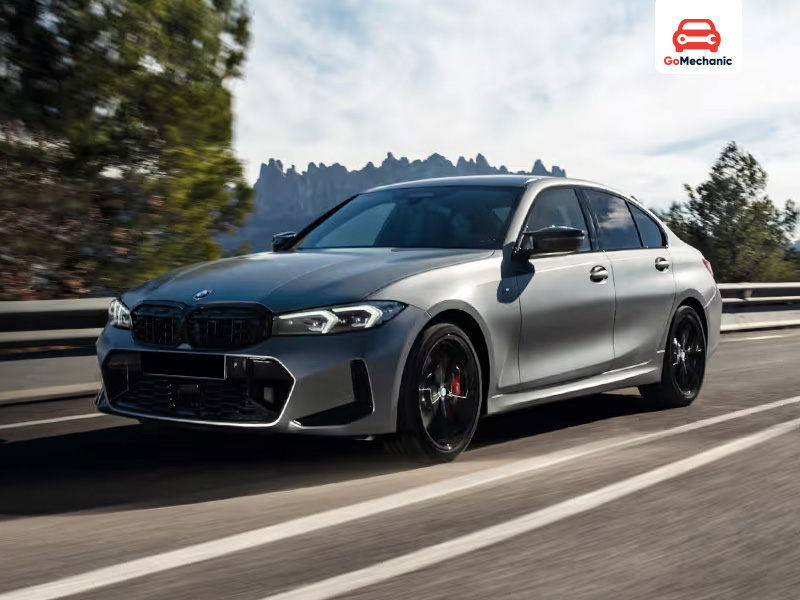
BMW 320d (F30/G20) – The enthusiast’s choice, but check for timing chain issues.
Mercedes C220d (W205/W206) – Luxury + efficiency, but servicing isn’t for the faint-hearted.
Audi A6 40 TDI (C7) – Feature-loaded, but maintenance can get brutal.
3.2 The 10-Year Diesel Rule: What You Need to Know
If you’re buying used, you can’t ignore this. In Delhi-NCR, diesel cars older than 10 years are illegal to drive. That means:
- A 2015 Honda City Diesel? Scrap by 2025.
- A 2017 Skoda Octavia TDI? Just three years left before resale value crashes.
Outside NCR? Diesel cars can legally run for 15 years, but resale values are still dropping faster than petrol counterparts.
🔹 Smart Buy: Get a diesel sedan under 7 years old so you can keep it for at least 5+ years.
🔹 Avoid: 2013-2015 models in Delhi-NCR—they’ll be worthless soon.
3.3 Used Diesel Buying Checklist – Don’t Get Scammed
A used diesel sedan isn’t a risk—it’s a calculated risk. If you don’t want to end up paying for someone else’s engine problems, check these before buying:
✔ Clutch Condition: Diesels burn through clutches faster than petrols. A heavy clutch pedal? You’re looking at a ₹25K+ replacement job.
✔ Turbocharger Health: If you feel power lag or smoke from the exhaust, walk away. A new turbo will cost you ₹50K+.
✔ Diesel Particulate Filter (DPF) Issues: BS6 diesel cars have DPF filters that clog if not driven on highways often. If you’re buying a BS6 diesel and the previous owner used it mostly for city driving, you might inherit a nightmare.
✔ Service History: If the seller doesn’t have proper records, assume the worst. Regular service = reliable diesel. No history? Red flag.
✔ Odometer Manipulation: If a 2018 diesel sedan shows 30,000 km, be suspicious. Diesels are bought to be driven, not kept in garages.
Diesel vs Petrol Sedans – The Final Showdown
So, you’ve got options. You can still buy a used diesel sedan that’s built to last, or you can take the easy route and settle for a petrol alternative. But before you make a decision, let’s lay it all out. Because diesel vs petrol isn’t just about mileage—it’s about everything that comes with it.
4.1 Diesel vs Petrol: The Raw Numbers
| Factor | Diesel Sedans | Petrol Sedans |
| Fuel Efficiency | 20-25 km/l (highways) | 12-16 km/l (mixed) |
| Torque & Pull | Strong low-end power | Needs high revs |
| Running Costs | ₹6-7 per km | ₹8-10 per km |
| Maintenance | Higher (₹10-15K per service) | Lower (₹5-8K per service) |
| Resale Value | Dropping fast (NCR’s 10-year rule) | More stable |
| Legal Life (NCR) | 10 years max | 15 years |
| Best Use Case | Highway runs, heavy driving | City driving, short trips |
On paper, diesel still dominates highways and long-distance drives. But petrol engines have evolved. With turbo-petrols and hybrids, the gap isn’t as massive as it used to be.
4.2 Diesel’s Mileage vs Petrol’s Convenience
If you drive 50+ km daily, mostly highways – Diesel wins. You’ll recover your money in fuel savings.
If you drive less than 10,000 km per year, mostly in the city – Petrol makes more sense. Diesel engines hate short trips. They need to run long distances to burn off deposits and keep the DPF (Diesel Particulate Filter) from clogging.
If you live in Delhi-NCR, diesel isn’t even an option. A 10-year cap on diesel ownership kills resale value and long-term viability.
4.3 Performance: Diesel’s Torque vs Petrol’s Rev-Happy Nature
- Diesel engines deliver power early. You don’t need to push the pedal hard to feel the surge. Torque kicks in early, making overtaking and hill driving effortless.
- Petrol engines rev higher. They’re smoother, quieter, and generally more fun if you like pushing the car to its limits.
Caution: Many budget petrol sedans feel underpowered compared to their diesel versions. If you like strong mid-range acceleration, you’ll miss diesel torque.
4.4 Diesel’s High Maintenance vs Petrol’s Simplicity
Diesels last longer—but they also demand more care.
Diesel Engine Weak Spots:
- Turbochargers can fail if not maintained properly (₹50K+ replacement).
- Fuel injectors clog over time (₹15-30K per set).
- Diesel Particulate Filters (DPF) need periodic highway driving to prevent clogging.
Petrol Engine Advantages:
- Fewer complex components = lower long-term costs.
- No DPF issues, no AdBlue refills, no expensive injectors.
- Generally cheaper to maintain and repair.
Also Read: 6 Reasons Why India Prefers diesel SUVs over Petrol
4.5 Who Should Still Buy a Diesel Sedan in 2024?
YES, buy a diesel if…
- You drive 15,000+ km per year, mostly highways.
- You need strong torque for highway overtakes and hill driving.
- You plan to keep the car for 5-7 years max before resale.
NO, don’t buy a diesel if…
- You mostly drive in Delhi-NCR (10-year ban = low resale value).
- Your driving is mostly short city trips (diesels hate city life).
- You want low-maintenance ownership and long-term reliability.
Conclusion: Should You Still Buy a Diesel Sedan?
Diesel sedans aren’t dead, but they’re on borrowed time. If you drive long distances, love highway torque, and don’t mind higher maintenance, a well-maintained diesel is still worth it. But if you’re mostly in the city, drive under 10,000 km/year, or live in Delhi-NCR, petrol, turbo-petrol, or hybrid is the smarter choice.
Manufacturers are moving on. BS6 norms have made diesel engines complex and expensive, and electric cars are creeping in. If you want a diesel sedan, your window is closing fast. Choose wisely.


