






Ever wondered about the working of all the car engine parts? The technology is getting more advanced. Similarly, the working of the engine as well. SOHC and DOHC are frequently used terms when talking about the performance, efficiency, and designs of internal combustion engines; however, what one doesn’t know may include the fact that both are related to engine camshaft layout in place. The basic difference is in the construction and performance of such engine designs.
This blog will provide a comprehensive overview of SOHC vs DOHC engines including their function, pros, cons, SOHC vs DOHC full form, the difference between SOHC and DOHC, and other related ideas like VVT, dependability, fuel economy, and maintenance. So after reading the complete article, it’s easy to get an idea regarding which one would be best for you.
Also Read: Power Petrol vs Normal Petrol: Understanding the Best Fuel Choice for Your Engine
What does camshaft mean?
A camshaft is a vital piece of an internal combustion engine as it opens and closes the intake and exhaust valves in the engine. When opened, an air-fuel mixture enters the cylinder while the exhaust gas leaves the engine. A crankshaft drives a camshaft. A camshaft is made up of a series of cams or lobes that push against valves and open and close the valves according to setting timings.
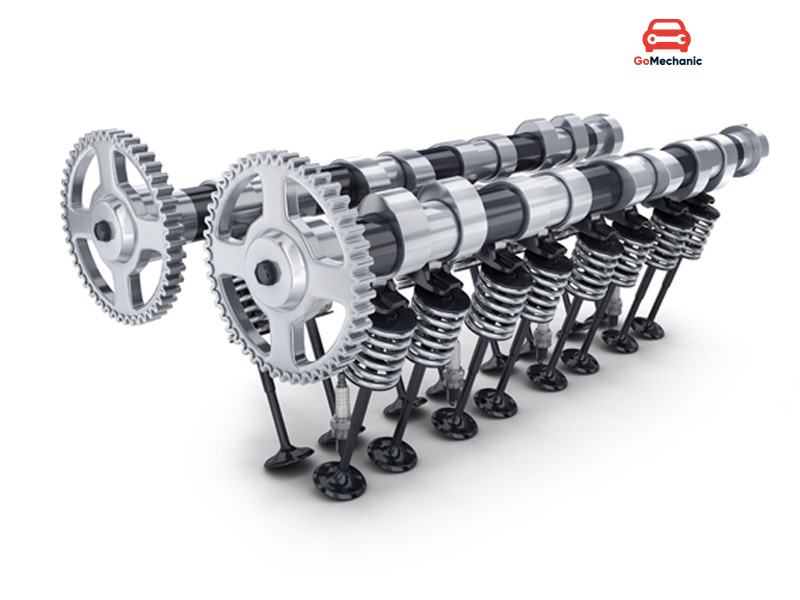
In-Engine Functions of the Camshaft
- The timing of the valves: The specific time, or the period, when every valve will open or close from any other part of the camshaft will thereby affect power and economy levels in the engine.
- The lift on the valves: Cams would control how high each valve is lifted and therefore how much air and fuel would be brought into the engine.
- Engine Performance: This dictates how the engine will be tuned in terms of the design of the camshaft to particular performance specifications, such as power, fuel economy, and smoothness.
- Control of Exhaust and Intake: It also ensures proper timing for exhaust-gas expulsion and close intake of fresh air-fuel mixtures inside the engine cylinders.
Related: How Does a Car Engine Work
How Camshafts and Valves Work
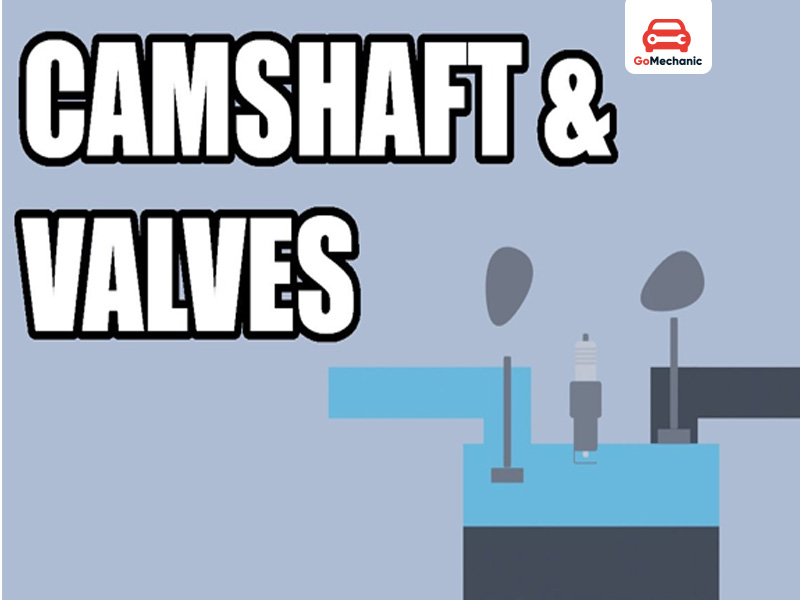
Opening valves by means of a camshaft. Therefore, an air-fuel mixture enters the cylinders, or exhaust gases leave the cylinders using a camshaft. The camshaft rotates, and then it pushes the lobes on a rocker’s arm or pushes a rod, which then opens and closes the timing valve.
What are the Different Classification of Camshaft Locations?
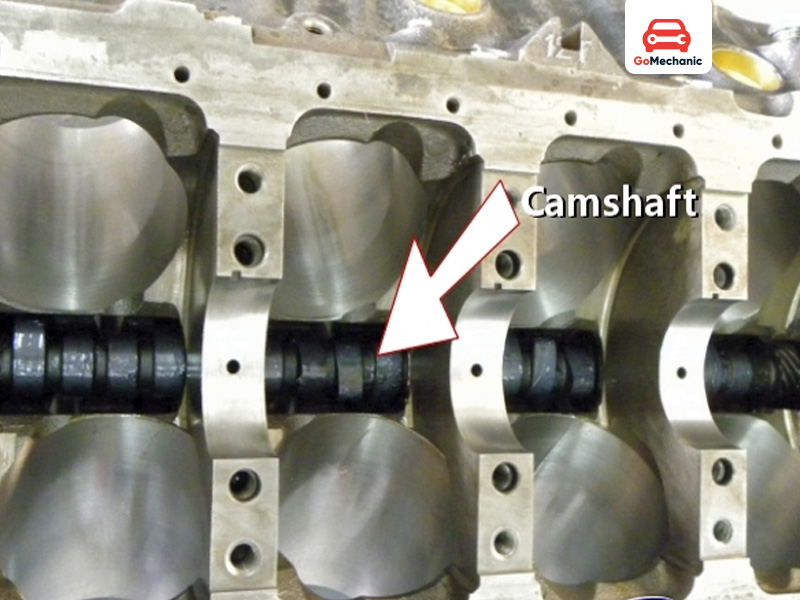
Categories of camshaft locations:
- The term overhead valve refers to an engine with a camshaft located within its engine block, which follows the use of push rods and rocker arms to actuate the valves.
- A single overhead cam, or SOHC, has the camshaft at the top of the engine and is used for the functioning of both intake and exhaust valves.
- A double overhead cam, or DOHC, is two camshafts located at the top of the engine within the engine block and are used for the independent control of intake and exhaust valves.
Single overhead cam (SOHC) engine
SOHC full form is Single Overhead Camshaft engine consists of a camshaft mounted in the upper section of the engine block and operates both intake and exhaust valves through a rocker arm, push rods, or any other mechanism. These types of engines are generally pretty much simple and cheaper and have fewer components to maintain. An SOHC engine has a single camshaft that is placed at the upper portion of the engine block. This camshaft operating the intake and exhaust valves uses the rocker arms or the same kind of components. Such types of SOHC engines are more commonly used in small, economical automobiles.
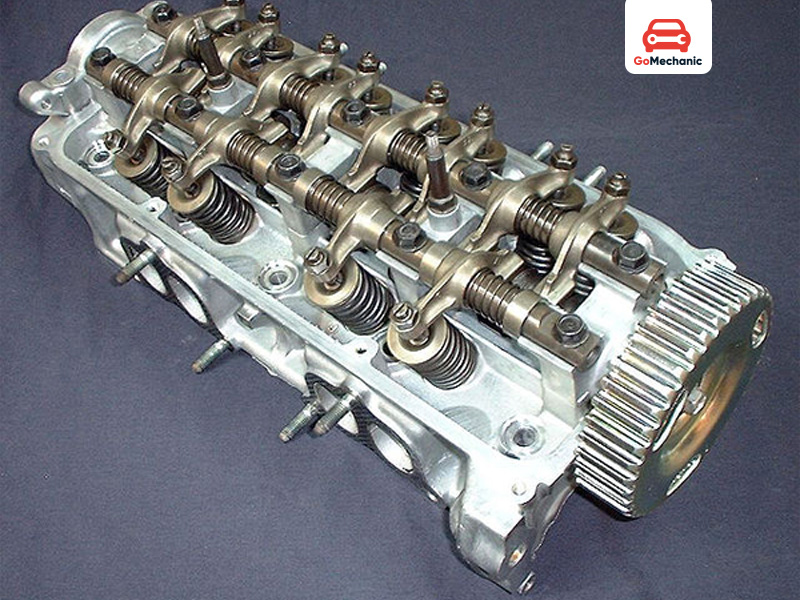
How SOHC works:
Usually, a typical SOHC engine incorporates a camshaft under the cylinder head that controls opening and closing of both intake and exhaust valves. The rotation of the camshaft is driven by either a timing belt or chain; the latter is linked to the crankshaft. In rotation of the camshaft, the individual lobe cams will push or actuate a rocker arm, opening and closing the valves at specific time intervals for the engine operation. Such a simple configuration will result in an efficient engine operation with lower costs of manufacturing, although this would be quite suitable for high-performance applications because of the limited flexibility of valve control.
Advantages of SOHC
- Cost-Effective: Fewer components, making the engine simpler and cheaper to produce and maintain.
- Simplicity: Fewer moving parts in comparison to a DOHC engine, which can lead to better reliability in certain cases.
- Compact: A more compact design, which allows for a lighter engine.
Disadvantages of SOHC
- Performance Limitations: Since only one camshaft actuates both the inlet and outlet valves, SOHC engines generally will not yield similar performance characteristics when compared to those achieved in a DOHC engine.
- Constraints of Valve Control: The optimization of intake and exhaust valve timings to maximize efficiency or performance is limited.
Double Overhead Camshaft (DOHC) Engine
DOHC full form is Double Overhead Camshaft. The engine has two camshafts at the overhead position, such as in a double overhead camshaft or DOHC engine. One of the camshafts controls the intake valves, and the other controls the exhaust valves. Therefore, it provides a more exact valve timing and performance of the engine. A DOHC engine has two camshafts on the upper part of the engine, which operate the intake valves through one camshaft and instruct the exhaust valves through the other camshaft. This makes it much better for the control performance of the engine and valve timing.
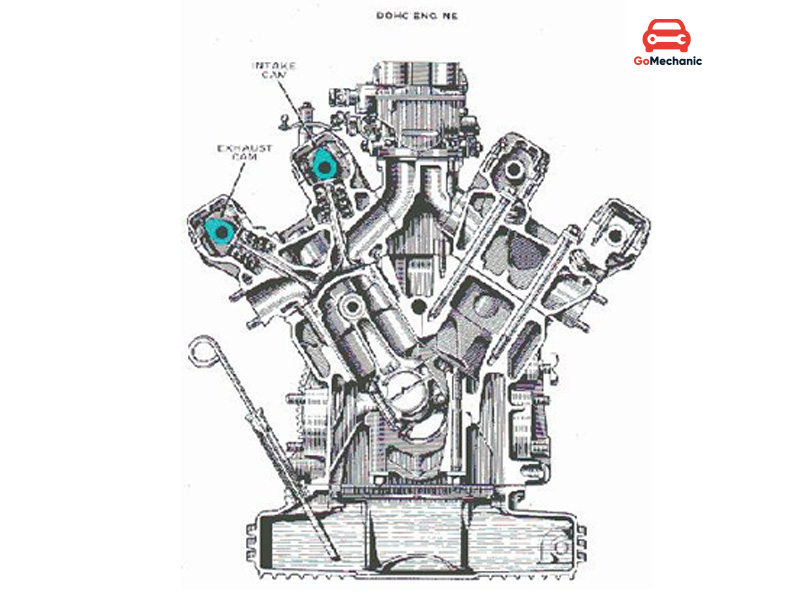
How DOHC works:
Every cylinder head has two camshafts, one for the intake and one for the exhaust valves, in a DOHC engine. That is, the control of timing and movement of valves is much closer than with single camshaft engines. Such breathing also significantly enhances breathability within and outside combustion chambers. The cylinder may have four valves, two for exhaust purposes and two for intake. Thus, one can expect higher outputs, great efficiency from this engine in terms of fuel and power besides better performance. Costlier than and somewhat heavier than SOHC engines.

Advantages of DOHC
- Performance Improvement: A dual camshaft arrangement, due to the greater control over the timing and lift of both intake and exhaust valves, helps improve the engine performance.
- Higher RPM Capability: Typically DOHC engines can run on higher revolutions per minute (RPM), which is a crucial factor for performance cars and high-velocity engines.
- Better valve timing: The independent working of the intake and exhaust valves permits fine-tuning the engine to optimize power and fuel consumption.
Disadvantages of DOHC
- Complexity: More components generally make a single engine design much more complex, which can cause higher costs for repairs.
- Weight: The addition of accessories results in the general weight of the engine being heavier than in the case of other engine designs.
- Cost: They are usually expensive to produce and maintain because of the added complexity and the parts used.
DOHC vs SOHC Engines: A Detailed Comparison
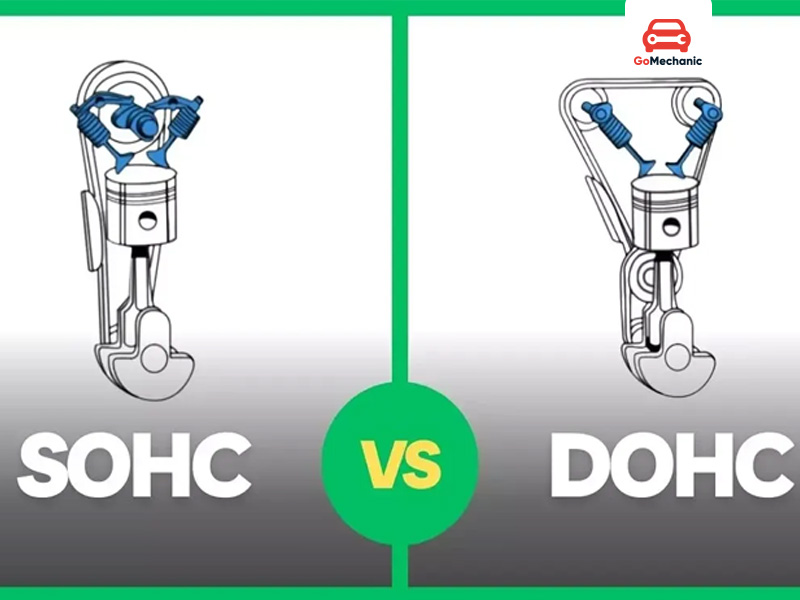
The difference between SOHC and DOHC can be explained in this table
| Feature | SOHC | DOHC |
| Camshafts | 1 (Single) | 2 (Dual) |
| Valve Control | Simpler valve control | Independent control for intake and exhaust valves |
| Performance | Moderate performance | High performance, optimized valve timing |
| Complexity | Simple, fewer components | Complex, more parts to manage |
| Cost | Lower cost | Higher cost |
| Fuel Efficiency | Moderate | Higher, especially with VVT |
| Reliability | Higher reliability in some cases | More parts may reduce reliability in certain cases |
| Maintenance | Easier and cheaper | More expensive and complex |
| Weight | Lighter | Heavier |
What is VVT?
From the perspective of modern engines, Variable Valve Actuation (VVA) enables the timing of opening and closing of engine valves as per speed and load specifications for allowing the engine to produce optimal combinations of performance and fuel efficiency.
Also Read: 4-Cylinder Engine vs 3-Cylinder Engine- Which One Is Suitable For You?
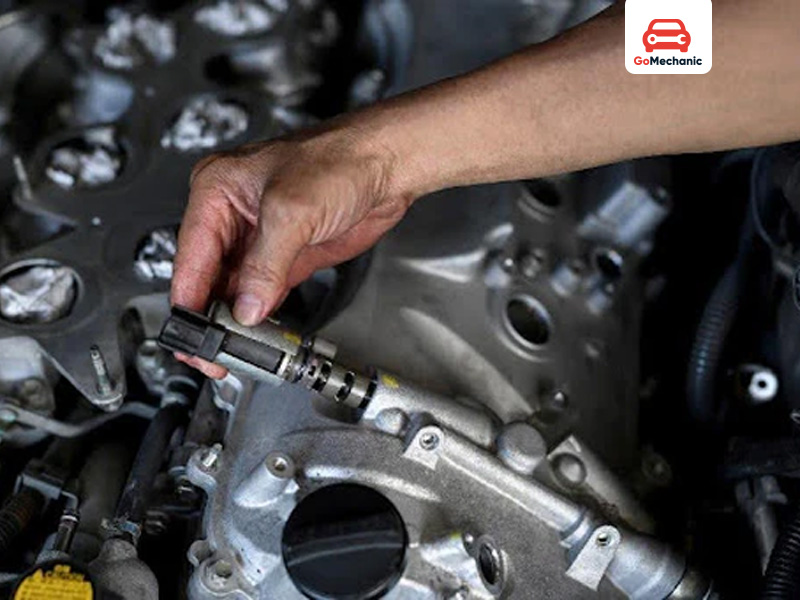
Features of VVT in DOHC Engines
- Better Power Delivery: The variable valve timing refers to dynamic control of the effective valve timing events for intake and exhaust valves, thus resulting in smooth power delivery over a wider range of engine speeds.
- Improved fuel efficiency: The valve timing optimization by VVT leads to the improvement in combustion and thus fuel economy.
- Reduced emissions: VVT reduces exhaust emissions due to more effective combustion.
VTEC DOHC and SOHC
It offers the acronym for Variable Timing and Hydraulic Control of the Normal Valve Lift of the electronic system. Actually, this is the system which Honda conceptualized and developed at the initial stage to conjoin fuel efficiency for slow speeds and boost up their power with the revolutions per minute (RPM) at higher speeds.
VTEC DOHC: Used in two camshaft variable valve timing control. It gives great power production at high RPM along with exquisite efficiency.
VTEC SOHC: It comes with a single camshaft variable valve timing system, though it provides power-performance availability but doesn’t speak of supremacy as that of DOHC straightaway.
SOHC vs DOHC Reliability
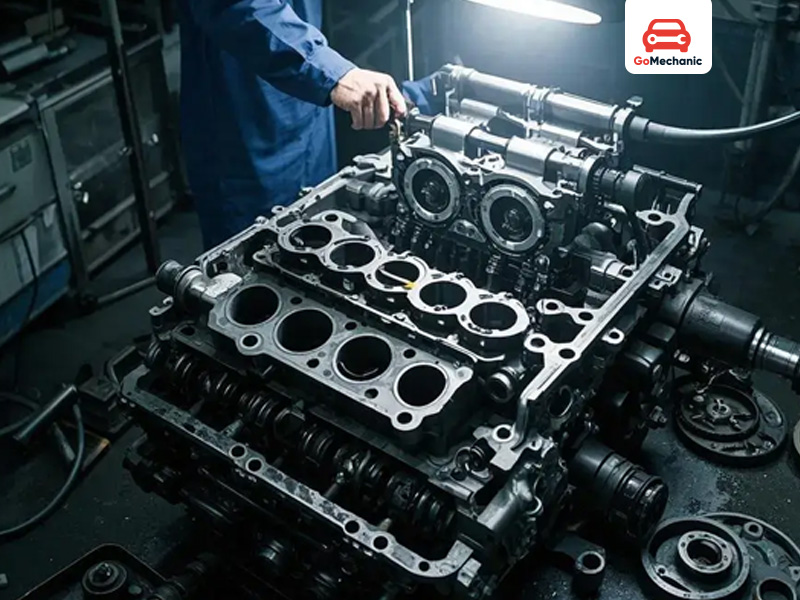
It is important to understand the difference between SOHC and DOHC on the basis of reliability. As SOHC has simpler designs with fewer moving parts and less complicated timing systems, they are generally better in terms of reliability. The fewer components, the fewer chances they can fail mechanically. Whereas, DOHC engines have more components so chances of wear and tear increase over the long period. However, intensive control is possible with valves, leading to a long-lasting engine when properly managed.
More Reads: Engine Oil Grades Explained | Know Your Car Engine Oil
SOHC vs DOHC Fuel Efficiency
When fuel economy is concerned, DOHC engines have an edge because the independent operation, especially helped by the VVT systems, has the best combustion and fair fuel economy at wider engine speeds. Still, SOHC is pretty efficient for use in day-to-day or lighter applications like compact cars or motorbikes.
Also Read: Choosing the Best Engine Oil for Your Car: Detailed Explanation
Conclusion
Now that we’ve finally delved into the dichotomy of DOHC vs SOHC engines, the decision is now left to you, really. What do you mostly consider in a vehicle: is it fuel efficiency, optimum performance, or an excellent combination of both? The awareness you read on camshafts and these different engine types, in addition to advanced systems such as Variable Valve Timing (VVT), will be a great way to soak in the knowledge but will also assist you in making a wise and sound decision. Keep in mind that choosing the right engine is not just research in specs; it digs deeper into your driving experience and relates that to your real needs and expectations.


