






The compact SUV segment is one of the fastest-growing in the automotive market, combining style, functionality, and performance. These vehicles offer a higher driving position, ample cargo space, and advanced safety features, appealing to a wide range of consumers.
Overview of the Compact SUV Segment
Compact SUVs have gained popularity for their versatility and efficiency. Key features include:
- Elevated Seating: Better road visibility.
- Versatility: Spacious interiors and flexible seating.
- Safety: Advanced safety technologies.
- Fuel Efficiency: Improved engines and hybrid options.
- Connectivity: Modern infotainment and connectivity features.
Importance of Tata Nexon and Kia Sonet in the Market
Tata Nexon:
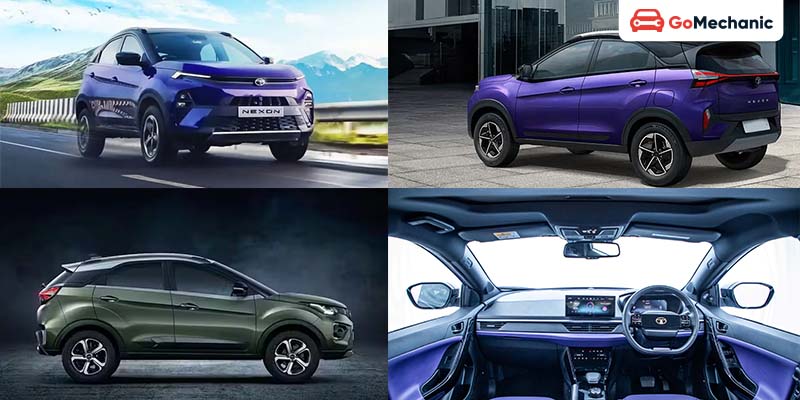
- Design: Bold and futuristic.
- Safety: 5-star Global NCAP rating.
- Performance: Efficient petrol and diesel options.
- Technology: Advanced infotainment and connected car features.
Kia Sonet:
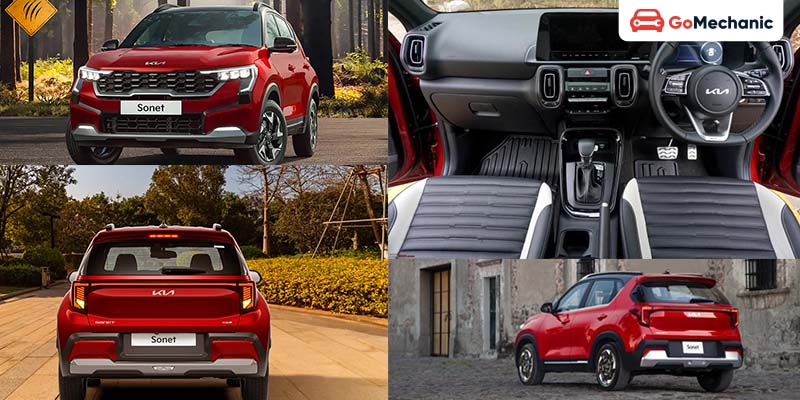
- Design: Stylish with a sporty stance.
- Interiors: Premium cabin with advanced features.
- Performance: Multiple powertrain options.
- Connectivity: Comprehensive connected car technology.
Exterior Design
Tata Nexon’s Design Philosophy
- Futuristic Look: Coupe-like silhouette with high ground clearance.
- Impact Design Language: Sleek front grille, sharp LED DRLs, muscular body.
- Floating Roof: Contrasting roof color for a sporty appeal.
- Signature Elements: Humanity Line on the grille and tri-arrow pattern on bumpers.
Kia Sonet’s Design Highlights
- Tiger-Nose Grille: Bold front look with stylish LED headlamps.
- Sporty Stance: Wide, muscular stance with dynamic lines.
- Distinctive Rear: Wrap-around LED tail lamps, sculpted rear bumper.
- Attention to Detail: Red accents, roof rails, chrome elements for a premium feel.
Comparative Analysis of Aesthetics
- Front Design: Nexon’s futuristic, aggressive look vs. Sonet’s bold, sporty appearance.
- Side Profile: Nexon’s floating roof and muscular lines vs. Sonet’s wide stance and sporty accents.
- Rear Design: Nexon’s rugged feel with tri-arrow elements vs. Sonet’s sleek, dynamic finish.
Interior and Comfort
Tata Nexon
- Design: Modern, ergonomic.
- Infotainment: 7-inch touchscreen, Android Auto, Apple CarPlay.
- Instrumentation: Digital cluster.
- Seating: Comfortable, ample legroom and headroom.
- Storage: Versatile, large boot.
- Extras: Automatic climate control, rear AC vents, multi-function steering wheel.
Kia Sonet
- Design: Stylish, high-quality.
- Infotainment: 10.25-inch touchscreen, navigation, Android Auto, Apple CarPlay.
- Instrumentation: Digital cluster.
- Seating: Plush, ventilated front seats (GT Line).
- Storage: Practical, spacious boot.
- Extras: Wireless charging, ambient lighting, rear AC vents.
Comfort and Space Comparison
- Seating: Both comfortable; Sonet adds ventilated front seats.
- Infotainment: Sonet’s larger 10.25-inch screen.
- Interior Quality: Sonet more premium.
- Space: Nexon offers slightly more rear space.
- Extras: Sonet includes wireless charging, ambient lighting.
Performance and Engine Options
Tata Nexon
- Petrol: 1.2L turbo, 120 PS, 170 Nm.
- Diesel: 1.5L turbo, 110 PS, 260 Nm.
- Transmission: 6-speed manual, 6-speed AMT.
- Drive Modes: Eco, City, Sport.
Kia Sonet
- Petrol: 1.2L, 83 PS, 115 Nm.
- 1.0L turbo, 120 PS, 172 Nm.
- Diesel: 1.5L CRDi, 100 PS (MT), 115 PS (AT), 240 Nm (MT), 250 Nm (AT).
- Transmission: 5-speed manual, 6-speed manual, 7-speed DCT (1.0L turbo), 6-speed automatic.
Performance Comparison
- Tata Nexon: Strong torque, customizable drive modes.
- Kia Sonet: Versatile engine options, advanced transmission choices.
Fuel Efficiency Comparison: Tata Nexon vs. Kia Sonet
Tata Nexon:
- Known for robust performance and decent fuel economy.
- Offers a mileage of approximately 17 km/l in the city and up to 21 km/l on highways.
Kia Sonet:
- Popular for its stylish design and fuel-efficient engines.
- Delivers around 18 km/l in city conditions and up to 24 km/l on highways.
Real-World Mileage Comparison:
In real-world conditions, both vehicles exhibit competitive fuel efficiency, with the Kia Sonet slightly outperforming the Tata Nexon, especially on highway routes.
Safety Features
Tata Nexon
-
Safety Equipment:
- Dual airbags
- ABS with EBD
- ESP with rollover mitigation
- Traction control
- ISOFIX child seat anchors
- Hill hold assist
- Rear parking sensors and camera
Kia Sonet
-
Safety Features:
- Dual airbags (up to six airbags in higher variants)
- ABS with EBD
- ESC and Vehicle Stability Management
- Hill assist control
- ISOFIX child seat anchors
- Front and rear parking sensors
- Rearview camera
Safety Ratings and Comparison
- Tata Nexon: 5-star Global NCAP rating
- Kia Sonet: Yet to be rated by Global NCAP
Technology and Infotainment
Tata Nexon
- Infotainment System:
- 7-inch touchscreen
- Android Auto and Apple CarPlay
- Harman sound system
- Voice commands
- Connected car technology
Kia Sonet
- Tech Features:
- 10.25-inch touchscreen
- Android Auto and Apple CarPlay
- Bose sound system
- UVO connected car technology
- Wireless charging
Comparative Analysis
- Screen Size: Sonet’s 10.25-inch vs. Nexon’s 7-inch.
- Sound System: Sonet’s Bose vs. Nexon’s Harman.
- Connectivity: Both offer Android Auto and Apple CarPlay.
- Extras: Sonet includes wireless charging; both have robust connected car features.
Ride and Handling Comparison: Tata Nexon vs. Kia Sonet
Tata Nexon:
- Driving Dynamics: Robust and stable, offering a balanced ride with good cornering capabilities.
- Handling: Precise and confident, especially on uneven terrains.
Kia Sonet:
- Ride Quality: Smooth and comfortable, with a suspension system that absorbs bumps effectively.
- Handling: Agile and responsive, making it ideal for city driving.
Comparison:
Both vehicles offer excellent ride and handling, with the Tata Nexon excelling in stability and the Kia Sonet providing superior comfort and agility.
Maintenance and After-Sales Service: Tata Nexon vs. Kia Sonet
Tata Nexon:
- Maintenance Costs: Affordable and competitive, with readily available spare parts.
- Service: Extensive service network with reliable support.
Kia Sonet:
- Service and Maintenance: Slightly higher maintenance costs, but known for efficient service and premium support.
- After-Sales Service: Excellent customer service with a widespread network.
Comparison:
While both brands offer robust after-sales service, Tata Nexon stands out for its affordability, whereas Kia Sonet is recognized for its premium service experience.
Pros and Cons: Tata Nexon vs. Kia Sonet
Tata Nexon:
- Pros:
- Strong build quality
- Excellent safety features
- Competitive pricing
- Cons:
- Average fuel efficiency
- Limited rear seat space
Kia Sonet:
- Pros:
- Stylish design
- Advanced technology features
- Superior fuel efficiency
- Cons:
- Higher maintenance costs
- Firmer ride quality
Comparative Analysis:
Tata Nexon excels in safety and affordability, while Kia Sonet impresses with its design, technology, and fuel efficiency. Choose Nexon for robust safety and cost-effectiveness, and Sonet for a stylish, tech-savvy, and efficient ride.
Which One Should You Buy?
Situations Favoring Tata Nexon:
- Prioritize safety and strong build quality.
- Seeking a cost-effective option with affordable maintenance.
- Need a vehicle for rough terrains and robust driving dynamics.
Situations Favoring Kia Sonet:
- Prefer a stylish design with advanced technology features.
- Require superior fuel efficiency for city and highway driving.
- Willing to invest in premium maintenance and service.
Final Recommendations:
Choose Tata Nexon for its safety, affordability, and rugged performance. Opt for Kia Sonet if you value style, technology, and fuel efficiency in your daily drive.
Conclusion
Summary of the Comparison:
- Tata Nexon: Offers robust safety features, strong build quality, and affordable maintenance. Best for those prioritizing durability and cost-effectiveness.
- Kia Sonet: Stands out with its stylish design, advanced technology, and superior fuel efficiency. Ideal for those seeking a premium driving experience.
Final Thoughts:
Both Tata Nexon and Kia Sonet have their unique strengths. Your choice should depend on your priorities: choose Nexon for safety and affordability, and Sonet for style and efficiency.


