






Tyres have a story, even if they seldom tell it. They bear the weight of journeys over potholes, rain-soaked streets, and endless highways. They’ve evolved quietly, from the humble tube tyre to the sleek tubeless marvels of today.
Imagine this. You’re driving late at night on a lonely road. The stars are dim, and your phone’s signal is weaker than your patience. A puncture. A familiar enemy. Suddenly, the question isn’t about how far you’re going. It’s about how fast you can fix a flat. That’s where the debate begins: tube vs tubeless.
This blog dives into that evolution. From invention to relevance. From what they are to why they matter in India’s chaotic yet charming roadways. It’s about making a choice you might never have thought about, but one that rides beneath every mile.
What Are Tube Tyres?
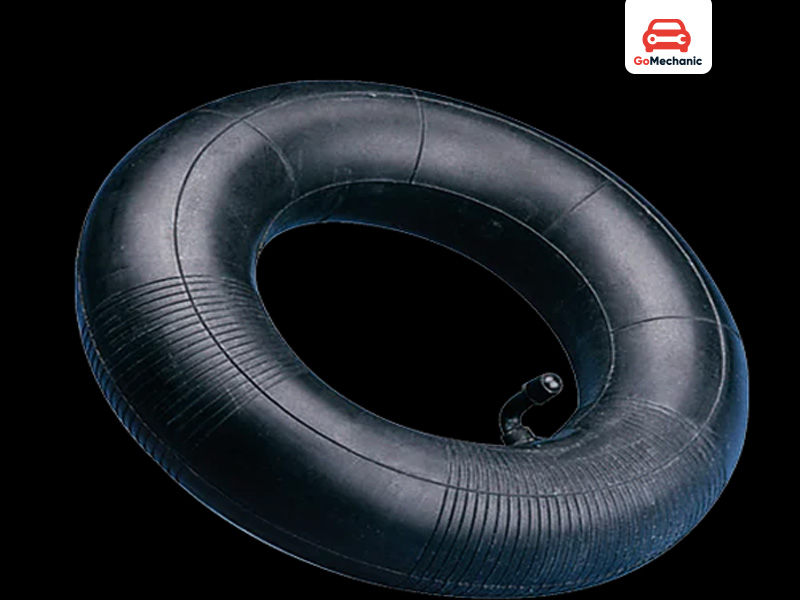
Tube tyres are the old storytellers of the automobile world. At their heart lies a rubber tube, inflated with air and snugly tucked between the tyre and the rim. They’ve been the backbone of transportation for decades, carrying everything from rickshaws to motorbikes.
They shine on roads where toughness matters more than convenience. Vintage bikes, rural tractors, and commercial vehicles still lean on them. Why? Because they’ve proved their worth.
The Invention of Tube Tyres
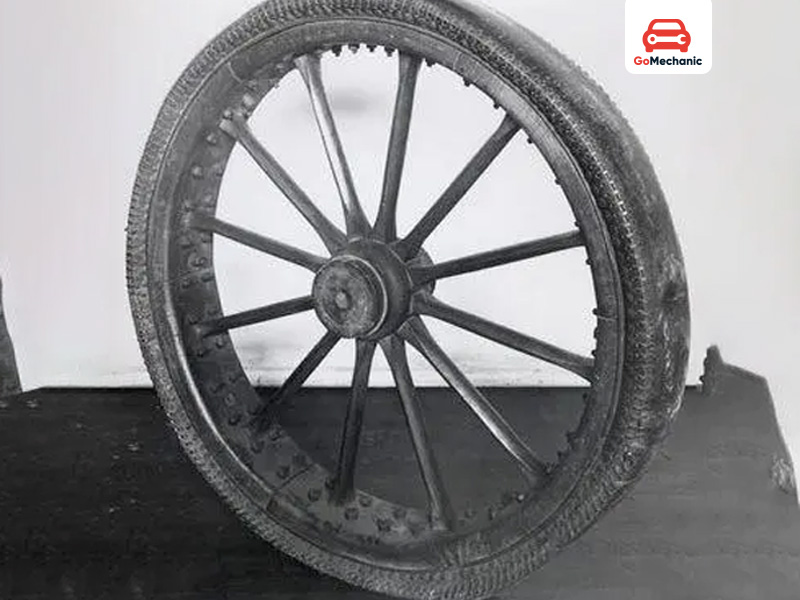
The tale began in 1845 when Robert William Thomson patented the pneumatic tyre. This design was revolutionary. A simple air-filled tube encased within a tyre. It reduced vibrations, absorbed shocks, and changed how the world moved. By the early 20th century, tube tyres were standard in almost every vehicle.
They brought comfort to the otherwise jarring experience of driving on early, unpaved roads. Back then, the world wasn’t in a hurry. Tube tyres worked, and that was enough.
What Are Tubeless Tyres?
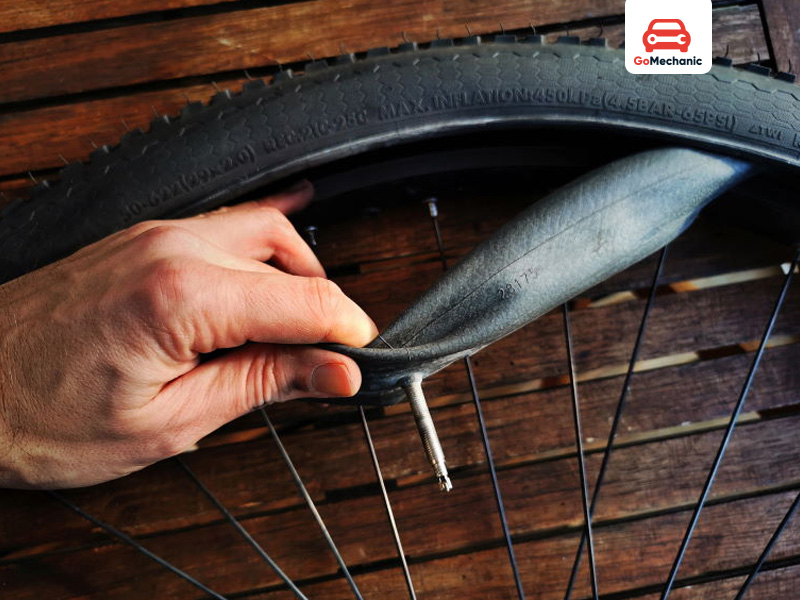
Fast-forward to today. Tubeless tyres ditch the middleman. There’s no separate tube inside. Instead, the tyre itself seals against the rim, holding the air. This design is seamless, efficient, and a lot easier to live with.
Tubeless tyres are the poster child for modernity. You’ll find them on most cars, premium bikes, and increasingly, on everyday scooters. They are sleek. They handle punctures without dramatic blowouts. They’re here for the long haul.
The Invention of Tubeless Tyres
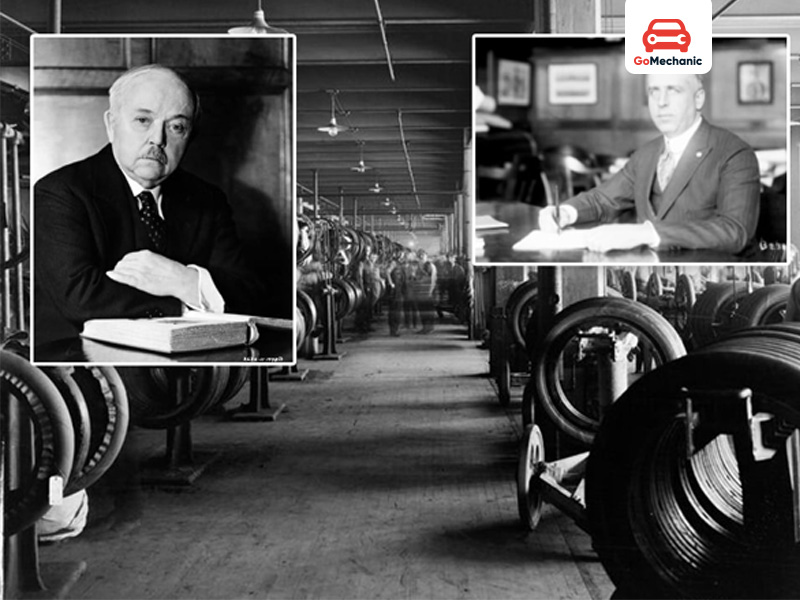
The shift began in 1903. Goodyear introduced the first tubeless tyre, aiming to make vehicles safer and more reliable. This wasn’t just an evolution. It was a reimagination of what tyres could be. Over time, they became the standard in industries that valued performance and convenience.
Reimagining the Tyre: Tube vs Tubeless
The structural evolution is simple yet profound. Here’s a comparison to make it clearer:
| Feature | Tube Tyres | Tubeless Tyres |
| Design | A separate inner tube holds air | Tyre itself holds air |
| Puncture Handling | Air escapes rapidly | Air escapes slowly |
| Maintenance | Higher | Lower |
| Compatibility | Suitable for older vehicles | Standard for modern vehicles |
| Cost | Typically lower upfront | Slightly higher upfront |
The Pros and Cons: Understanding the Trade-offs

Advantages of Tube Tyres
- Proven reliability on rough, uneven terrains.
- Easier to repair, especially in areas without advanced tools.
- Budget-friendly, particularly for older vehicles.
Disadvantages of Tube Tyres
- Susceptible to rapid air loss in case of punctures.
- Higher risk of tyre bursts at high speeds.
- Frequent maintenance is needed.
Advantages of Tubeless Tyres
- Slow air loss during punctures ensures safety.
- Lower maintenance in the long run.
- Compatible with modern safety features like TPMS (Tyre Pressure Monitoring Systems).
Disadvantages of Tubeless Tyres
- The initial cost is higher.
- Repairs can be trickier, especially for major damage.
- Requires a good seal between the tyre and rim.
Others Read: How to Pick the Best Tyres for Your Driving Needs
Relevance in India: Context Matters
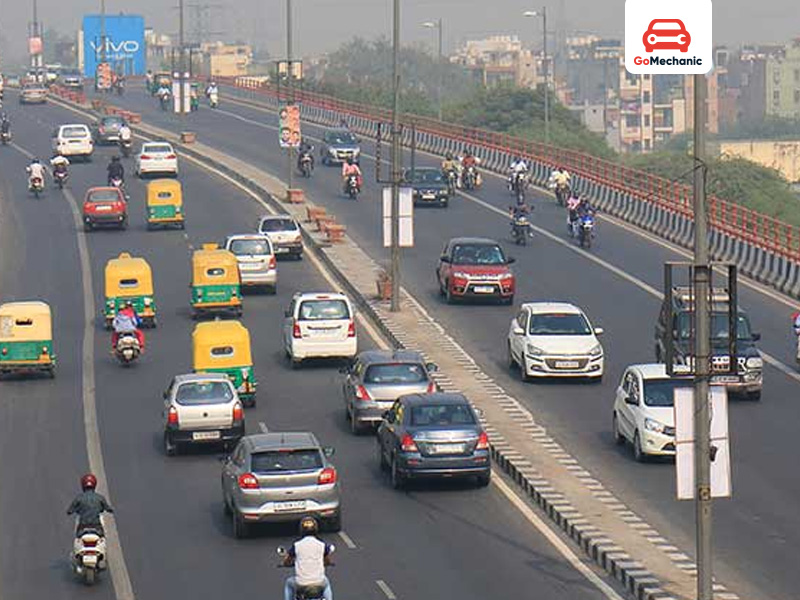
India’s roads have moods. From the chaotic elegance of Mumbai’s traffic to the unpredictable curves of Himalayan highways, tyres face it all. Tubeless tyres are a growing favourite in urban spaces. Their ability to handle punctures without abrupt stops is a lifesaver in packed traffic.
Yet, in rural settings, tube tyres continue to thrive. Their ruggedness suits agricultural equipment, heavy-duty trucks, and older vehicles. The reality is simple. India needs both.
Who Should Choose What?
When to Opt for Tube Tyres

- You drive older vehicles or vintage bikes.
- Budget constraints are a key factor.
- Your roads are more off-road than on-road.
When Tubeless Tyres Are Better

- Your vehicle is modern and built for performance.
- Long-distance travel is frequent.
- You prefer convenience over cost savings.
Must Read: Expert Guide to Car Tyre Air Pressure
Maintenance Tips
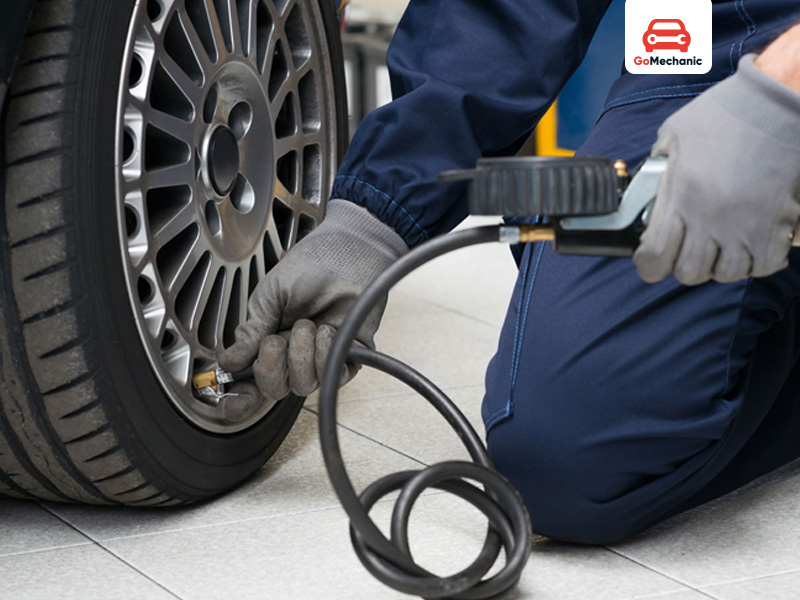
For Tube Tyres
- Regularly check for wear and tear on both the tyre and tube.
- Ensure proper air pressure at all times.
For Tubeless Tyres
- Inspect the rims for damage—they ensure the airtight seal.
- Use sealants for small punctures to extend tyre life.
- Keep a portable tyre inflator for emergencies.
The Road Ahead: A Vision for the Future
The tyre industry is hurtling towards innovation. With electric vehicles and smarter cars, tyres will likely become even more intelligent. Embedded with sensors, adapting to real-time road conditions.
But the essence will remain. Whether it’s a tube tyre powering a tractor in Bihar or a tubeless marvel zipping down a Delhi highway, tyres will always carry our journeys forward.
Every tyre has a purpose. It’s not about better or worse. It’s about what carries you best, wherever the road leads.
Also Read: Top Tyre Brands in India: Best for Safety & Durability
Answering Common Questions on Tubeless vs Tube Tyres
Can I switch from tube tyres to tubeless?
Yes, but ensure your rims are compatible.
Are tubeless tyres worth the cost?
For modern vehicles and long-term use, absolutely.
What happens during a puncture in tubeless tyres?
Air escapes slowly, giving you time to reach safety.
Which lasts longer: tube or tubeless?
Tubeless tyres generally last longer with proper care.


