






You woke up early morning. Had a nice breakfast with your family. Get ready for the office in a hurry due to an uncertain meeting and you are all set to go. You start your car and notice something is off. But what? Your car isn’t responding to you properly, you feel a strain on one side. You wonder why?
The answer is not your driving skill but – your tyres.
Many people think that tyres are only limited to punctures and blowouts — Wrong! Car tyres play a huge role which everyone does not even realize. And that’s why we are going to learn the truth about tyres. How crucial they are for — Keeping us safe, to keep us efficient, and many more.
Why Tyres Matter More Than You Think
Tyres are your car’s only contact with the road. Every turn, brake, and acceleration relies on them. The right tyres:
- Improve fuel efficiency – Less rolling resistance = better mileage.
- Provide better grip & handling – Safer driving in all conditions.
- Extend tyre & car lifespan – A well-maintained tyre prevents suspension damage.
- Increase braking efficiency – Shorter stopping distances.
- Provides better ride comfort – Absorb road shocks and shakings.
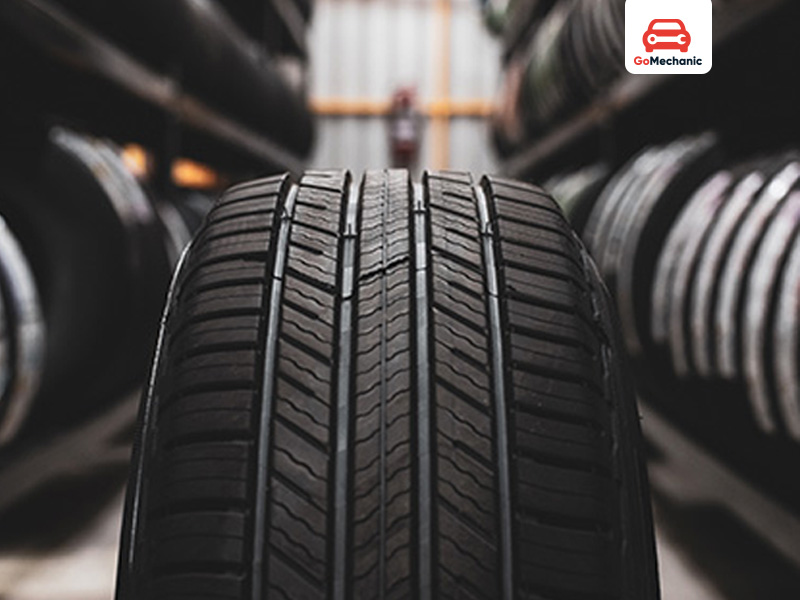
Tyres affect everything—your car’s fuel efficiency, safety, performance, and even ride comfort. The wrong tyre can lead to:
- Wear & Tear – Replacing tyres too frequently = wasted money.
- Poor Grip – Risky in wet or slippery conditions.
- Uncomfortable Rides – If you pick the wrong one, your drives can be rough and bump
- Bad Fuel Efficiency – More resistance = more fuel burned.
So, let’s decode the different types of car tyres so you can make an informed choice.
Different Types of Car Tyres
Tyres aren’t one for all. They are designed for specific roads, driving conditions, and performance needs. Here’s a breakdown types of tyres used in cars:
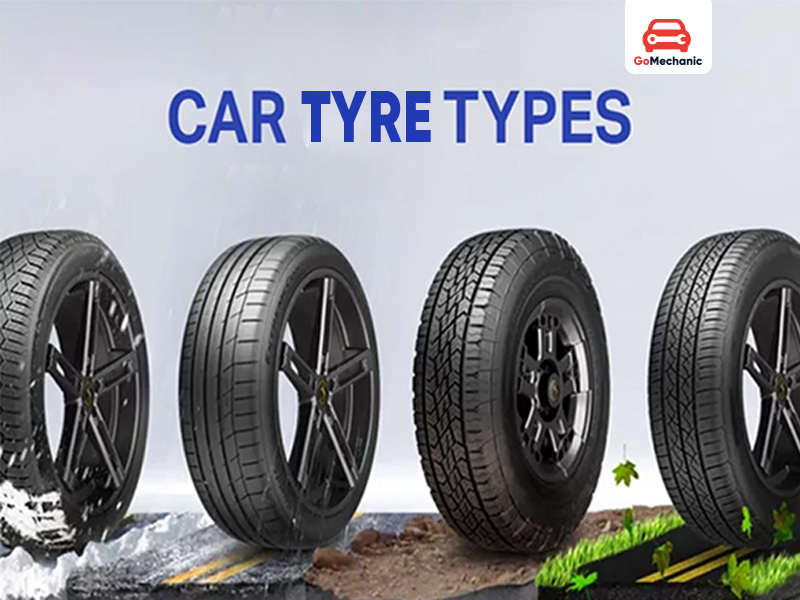
1. Tubeless Tyres (The Modern Standard)
Best for: Daily drivers, city & highway use.
Why Choose It? No inner tube = fewer punctures & better safety.
Tubeless tyres are now standard in modern vehicles. They don’t require a separate inner tube, making them lighter, more fuel-efficient, and safer than old-school tube-type tyres.
Advantages:
- Punctures are slow, giving you time to stop safely.
- Better fuel efficiency due to less weight.
- Lower risk of sudden blowouts.
2. Tube-Type Tyres (Old-School but Reliable)
Best for: Older cars, bikes, commercial vehicles.
Why Choose It? If your vehicle was designed for tube tyres.
These tyres have an inner tube filled with air, making them cheaper but also there is more chance of punctures and sudden deflation.
Disadvantages:
- If punctured, they lose air quickly.
- More prone to damage on rough roads.
3. Summer Tyres
Best for: Hot climates, dry roads.
Why Choose It? Superior grip & handling in warm conditions.
Designed for temperatures above 7°C, these tyres have less tread to improve grip on dry roads. But they struggle in rain and cold weather.
Disadvantages:
- Can harden and lose grip in winter.
- Not ideal for wet conditions.
4. Winter Tyres
Best for: Cold, snowy, or icy roads.
Why Choose It? Soft rubber stays flexible for better traction.
These tires are better at gripping slick terrain because of their deeper grooves and softer rubber. Ideal for areas with snowfall, but useless in India’s warm winters.
Disadvantages:
- Wears out quickly in hot climates.
- Not needed unless you drive in snowy areas.
5. All-Season Tyres
Best for: Everyday drivers in mixed weather conditions.
Why Choose It? A balance between summer & winter tyres.
These tyres combine the best of both worlds—they work decently in both hot and cold conditions but don’t excel in extreme weather.
Advantages:
- Suitable for mild Indian weather.
- Less hassle—no need to switch tyres every season.
Types of Tyres Based on Performance & Driving Style
6. Performance Tyres
Best for: Sports cars, high-speed driving.
Why Choose It? Maximum grip & cornering ability.
These tyres provide superior handling and braking at high speeds. These are mostly used in luxury and sports cars. However, they wear out faster than regular tyres.
Disadvantages:
- Expensive.
- Not fuel-efficient.
7. Off-Road Tyres
Best for: SUVs, Jeeps, adventure lovers.
Why Choose It? Tough grip for rocky, muddy, or sandy roads.
Designed for rough, tough surfaces, these tyres have deeper tread patterns to prevent slipping.
Disadvantages:
- Noisy on highways.
- Lower fuel efficiency.
8. Run-Flat Tyres (Puncture-Proof)
Best for: High-end cars, safety-conscious drivers.
Why Choose It? Can keep driving even after a puncture.
You can drive for 80–100 km even after a puncture with these tires since they strengthen the sidewalls; a replacement is not necessary right away.
Disadvantages:
- Expensive.
- Stiff ride quality.
How to Maintain Your Car’s Tyres.
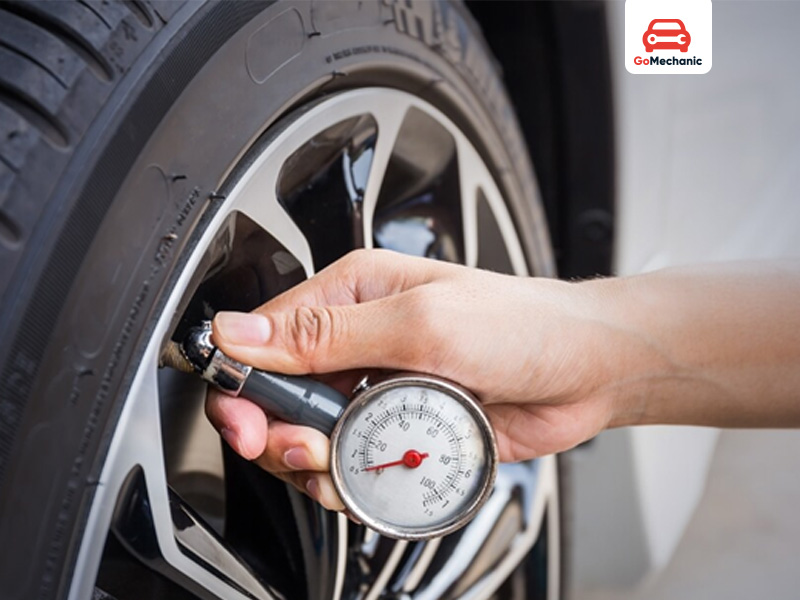
1. Check Tyre Pressure Every Month
Why? Under-inflated tyres wear out faster and reduce fuel efficiency. Check your manual for the recommended PSI.
2. Rotate Tyres Every 5,000-10,000 km
Why? Tyres wear unevenly. Rotating them ensures they last longer and provide balanced handling.
3. Get Wheel Alignment & Balancing Every 10,000 km
Why? Misaligned wheels cause uneven wear and poor stability.
4. Avoid Overloading Your Car
Why? Excess weight increases tyre pressure, causing overheating and damage.
5. Drive Smoothly – Avoid Sudden Braking
Why? Hard braking causes flat spots and early wear on tyres.
This one wants to be read – Tubeless vs Tube Tyres | A Journey from Invention to Relevance
Which Tyre is Right for You? (Quick Recommendation Table)
| If You Need… | Go For… | Price Range |
| Best overall, daily use | Tubeless Tyre | ₹3,000 – ₹10,000 |
| Budget-friendly & decent for all conditions | All-Season Tyre | ₹4,500 – ₹12,000 |
| High-speed handling & sports driving | Performance Tyre | ₹10,000 – ₹25,000 |
| Off-road, adventure driving | All-Terrain Tyre | ₹8,000 – ₹20,000 |
| Puncture-proof, high-end cars | Run-Flat Tyre | ₹15,000 – ₹40,000 |
Read this as well – Nitrogen vs Air: Choosing the Right Inflation for Your Tyres
Final Takeaway: Choose Wisely, Drive Safely
Trye’s role is not only to help your vehicle move. It goes much beyond that. Tyre keep you safe, make your car efficient and take care of your wallet as well.
So, before you buy, ask yourself:
- Where do I drive the most? (City, highway, off-road?)
- What matters more—mileage or performance?
- How often do I replace tyres?
Now that you know the different types of tyres, which one suits your driving needs best?
FAQ’s
Q1: How often should I change my tyres?
Every 5 years or 40,000-50,000 km, but check for cracks, bald spots, or loss of grip.
Q2: Can I use summer tyres in winter?
Not recommended. Summer tyres harden in cold weather, reducing grip.
Q3: Which tyres last the longest?
All-season & tubeless tyres have the longest lifespan.
You might find this interesting – From All Season to Performance: How to Pick the Best Tyres for Your Driving Needs


