






You probably did not know this but your petrol car is consuming way more fuel than it is supposed to. Yes, Really. That worry is what most car owners will experience at some point in their lives. With this blog, you will get to learn everything with respect to the reasons of poor mileage of petrol cars along with why your car may be drinking up petrol all of a sudden. The rest of the article will hence be revolving around practical solutions and tips on every step to return the fuel consumption back in your vehicle again.
What is Mileage?
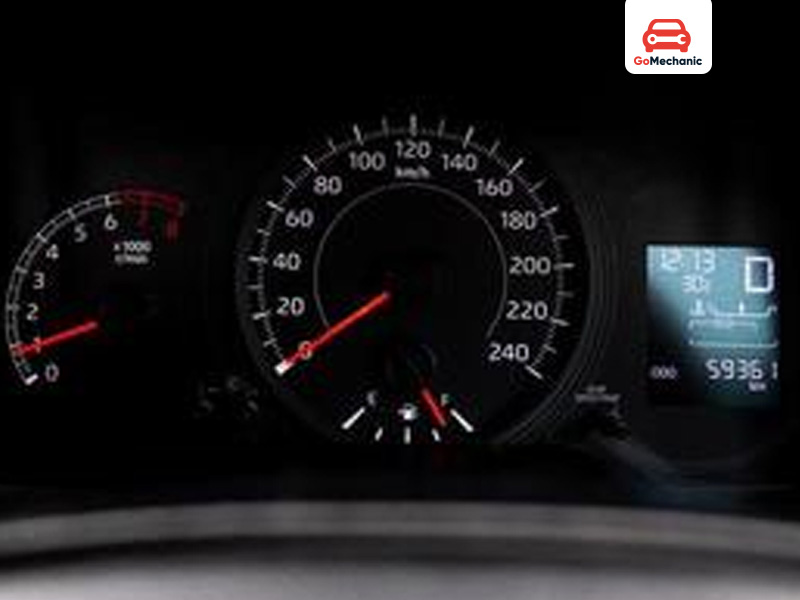
It means how far any car can go within a single unit of fuel, measured in miles per gallon (mpg) or kilometers per liter (km/L). It tells one about the engine working efficiency or fuel efficiency of a vehicle. The mileage may be affected by the make and model of the car, driving condition, and maintenance practices, as there can be a consistent high mileage number depending on driving styles for that specific car.
Related: Best Mileage Cars in India 2025
Let’s clarify what differentiates low and high mileage.
| Factor | High Mileage | Low Mileage |
| Fuel Efficiency | Uses less fuel for more distance | Consumes more fuel for the same distance |
| Engine Performance | Runs smoothly and efficiently | May have engine issues causing inefficiency |
| Driving Habits | Consistent, smooth driving, often on highways | Aggressive driving, frequent short trips, or idling |
| Vehicle Maintenance | Regular maintenance keeps engine efficient | Neglected maintenance leads to poor fuel use |
| Weight | Lighter vehicle with minimal cargo | Extra weight decreases fuel efficiency |
| Fuel System | Clean system and quality fuel | Dirty or faulty fuel system burn more fuel |
Must Read: How to Calculate Car Mileage: 5 Steps You Can’t Mess Up
Mentioned below are the reasons for low mileage in petrol car:
Driving Habits: The Number One Culprit for Most Fuel Consumption
High fuel consumption can also be associated with how you drive. Have you ever asked, “why is my car using so much petrol all of a sudden?” Well, the truth is your habits toward driving will probably explain the reason. Speeding, rapid acceleration, sudden braking, and short trips can worsen the fuel utility of your car. Aggressive driving makes the engine work much harder, burning more petrol. If you’ve also been keeping your car idle for extended periods on traffic or at stoplights, you will also notice that fuel efficiency reduces.
- Solution: Switch to smooth driving. Avoid harsh accelerations and braking. Instead, keep a continuous speed. In fact, you can try to make use of cruise control to optimize fuel economy when driving on highways
- Pro Tip: Make use of apps that track your driving behavior, such as the Fuel Economy app, to help you keep track of fuel-saving measures. This would help in tracking down your habits, which in turn can lead to areas of improvement.
Under-inflated Tyres: Your Silent Fuel Drainer
Under-inflated tyres are the most common among the reasons for low mileage in petrol car. When the tyres are not inflated according to the proper levels, they create more rolling resistance, making an engine work harder to move the car. Hence, increased fuel consumption may result from such correlations. Most drivers do not really think much of tyre pressure, but it is highly related to car using too much fuel. Hence, regularly check the condition of your tyres to avoid unnecessary waste in terms of fuel.
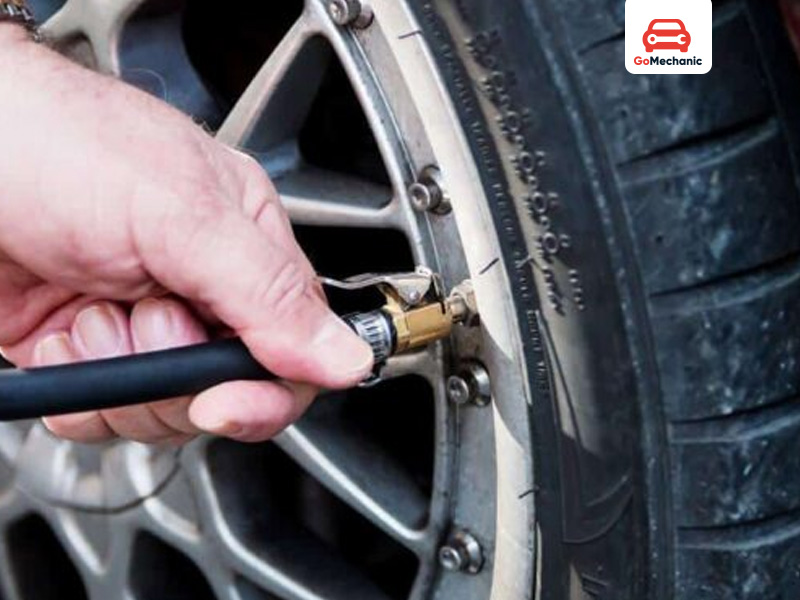
- Solution: Check the recommended levels of tyre pressure regularly and carry out maintenance on it. Ensure that tyres are inflated to proper levels as per your manual or the sticker on your door frame of the vehicle.
- Pro Tip: Purchase a good quality digital tire pressure gauge and keep an eye on your tires on a monthly basis before long-distance trips in order to maximize fuel economy with your vehicle.
Acts of Oxygen Sensor Malfunction: Reasons for Fuel Wasteage.
Oxygen sensors are the engine functioning as a mixture between air and fuel . If there is a malfunction of the oxygen sensor, it normally makes this engine consume much more fuel than otherwise, enough to reduce the capability of fuel use. Also, a malfunctioning oxygen sensor can turn on the “Check Engine” light on your dashboard to indicate a problem in your fuel system.
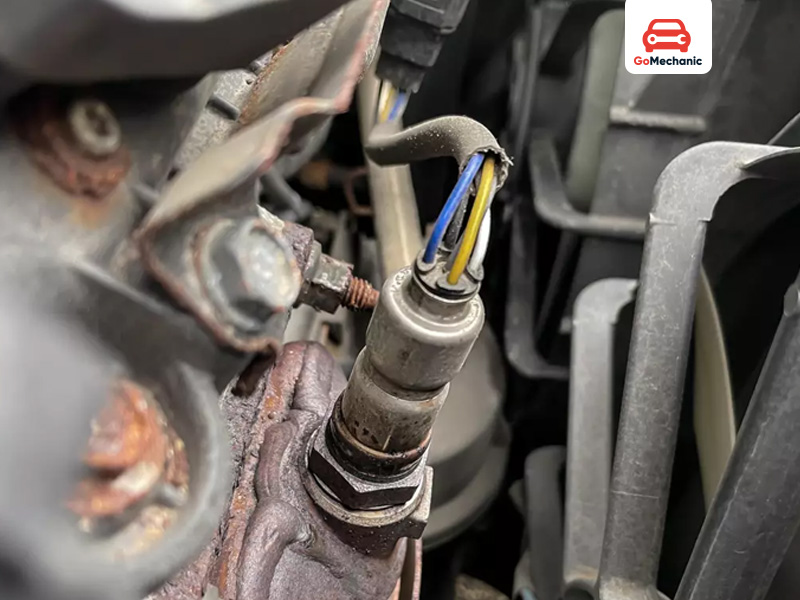
- Solution: A performance inspection of the oxygen sensor plus mechanic replacement for this if the sensor is not operating effectively, for a well-functioning oxygen sensor assures the optimal air-fuel ratio and subsequently, savings on fuel.
- Pro Tip: Keeping your vehicle regularly serviced and being watchful over warnings such as the Check Engine light can identify and address such problems before causing major impacts on the efficiency of fuel consumed.
Clogged Dirty Air Filters: The Stagnant Time Lock on Engine Performance
Here is something that has an engine performance and fuel economy degradation, it is clogged or dirty air filter because this limits the amount of air getting sucked into the engine while burning a lot of fuel. Air filter neglect for too much time might be one of the reasons of excessive fuel consumption in petrol cars.
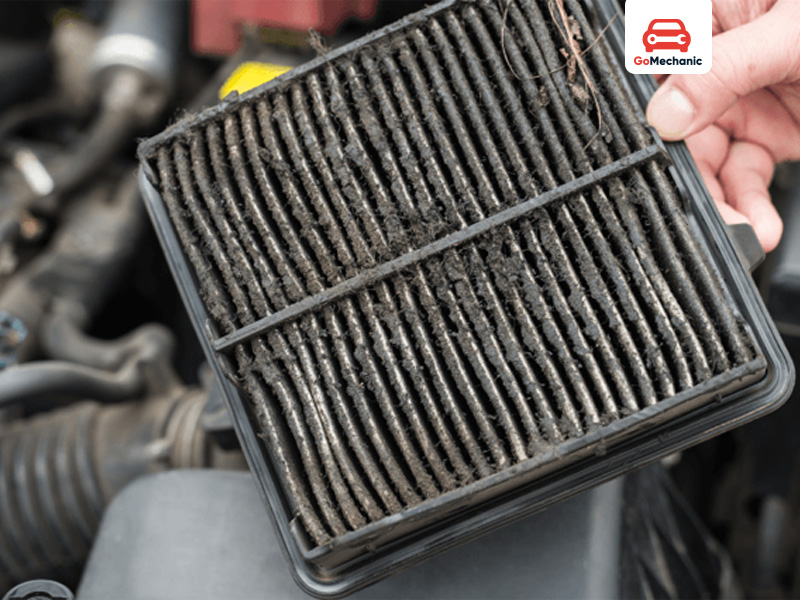
- Solution: Check and change air filter once every 12000-15000 miles or per the recommendation given by the manufacturer datum in the owner’s manual.
- Pro Tip: Inspect air filter conditions each oil change and replace it if it seems dirty or clogged. It is a fast and inexpensive way to keep your fuel efficiency.
Engine Problems: The Hidden Cause of Excessive Petrol Consumption
Many different engine problems cause your car to consume more fuel than needed. Examples include failing spark plugs, malfunctioning fuel injectors, or improper or erratic burning or misfire. If the engine can not fire properly or fuel is not injected properly, it loses efficiency, wasting fuel.
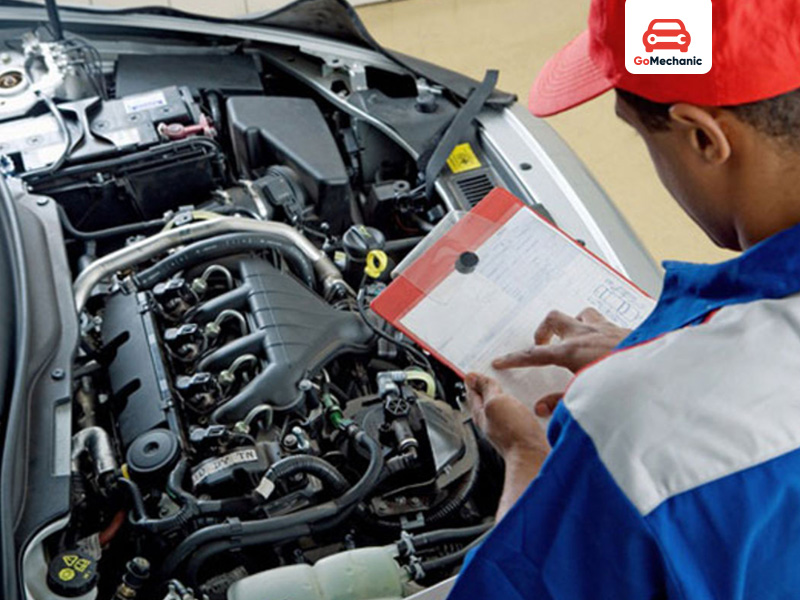
- Solution: Check for mechanical faults in your car, especially if it is having trouble starting or running roughly. Replacing spark plugs will be beneficial together with making sure that fuel injectors are clean and working, as that will make the engine more efficient.
- Pro Tip: Replace spark plugs regularly and perform tune-ups maintenance to keep the engine conditions fine. A properly tuned engine will save fuel and keep your car in a long run condition.
Problem Areas in the Fuel System: Inefficient Fuel Delivery
Such a malfunctioning fuel system can include a faulty fuel pump, leaking fuel injectors, and such. In these cases, the upsetting fuel combustion can result in more fuel consumption than should be needed by the car. Take for example the leaking injectors. They can be wasting fuel by misdirecting it to the engine, which in turn leads to an inefficient combustion process. Hence it makes it place among the reasons for low mileage in petrol car.
- Solution: If one suspects a problem in the fuel system, this would be better checked by a qualified mechanic who could do a diagnosis and then replace defective parts.
- Pro Tip: Watch fuel usage over time. If suddenly one notices increased fuel usage, then there must be something wrong with the fuel system. Early detection saves it from later costly repairs.
Weight and Load: More Load Equals More Fuel Consumption
All that extra weight has to be carried, with the result that the engine has to work harder and thereby consumes more fuel. Heavy items in the truck or a roof rack loaded with cargo decrease your car’s fuel efficiency.
- Solution: Remove all unnecessary items from your vehicle and avoid carrying excessive weight. Use a roof box or a trailer to transport heavy loads during long trips rather than overloading your car.
- Pro Tip: Empty your car at regular intervals to avoid carrying unnecessary weight. Especially important since you may not need the extra load space very often.
Fuel Quality: The Need for High-Quality Fuel
Petrol matters, as it is one of those factors affecting your fuel efficiency. Poor quality fuel may have certain contaminated substances that can clog your fuel system, leading to your car using too much fuel. This causes poor performance and reduces fuel economy along with high fuel consumption.
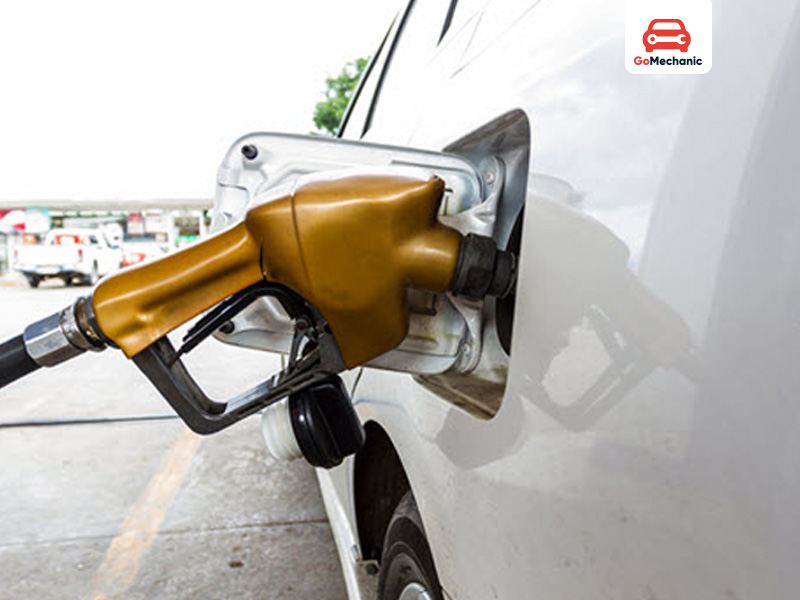
- Solution: Always try to fill in high-quality petrol from well-known fuel outlets. In some cars, especially those with performance engines, high-octane or premium fuels may provide extra performance.
- Pro Tip: Now and then using a fuel additive may be useful in cleaning fuel injectors and enhancing fuel economy in some cases. Check your manual to verify if this will be beneficial for your model.
Effects of Engine Stress and Higher Fuel Consumption by Cold Weather with Short Trips
Cold weather is when the engine needs more time and energy to reach the ideal operation temperature; hence, more fuel is consumed in it. In addition, short trips do not give ample time for the engine to start warming up; hence, all these factors contribute to fuel wastage.

- Solution: Trying to combine those shorter trips into one to allow the engine to warm up better tends to work. Otherwise, you can consider winter-grade fuels that run better in low temperatures in the colder regions.
- Pro Tip: So, in winter, you need to idle the car for a minute or two before you drive off. It’ll make the engine run more smoothly and efficiently.
How can you increase your car mileage?
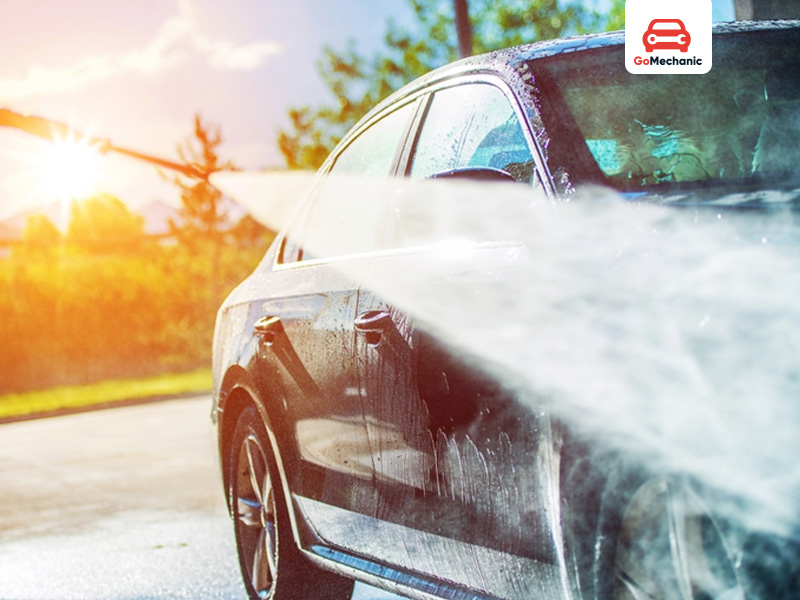
- Keep Your Car Clean
With a clean car, there’s less drag working against it, making the fuel economy thus better. Keeping your car free of dirt and debris on the exterior can lower air resistance.
- Avoid Immoderate Idling
Idling consumes fuel without the car ever moving forward. For times expected to be stopped for more than 30 seconds, it’s generally more fuel efficient to turn your engine off and restart it. Most especially at long stoplights or waiting for someone.
- Use Air Conditioning Wisely
Using air conditioning loads the engine more, increasing fuel consumption. Use as little air conditioning when driving at speeds lower than 40 km/h, while at those greater speeds, consider rolling down the windows rather than using the air conditioning.
- Drive at Moderate Speed
You will have a lot of wind resistance once you drive at a high speed, due to that it increases the work done by the engine and consequently, it requires more fuel.
- Use Manual Transmission (If Possible)
Manual transmission allows you to have more control in the engine’s output or efficiency, of course. In fact, for automatic cars, make sure to minimize “over-driving” by using higher gears for as much time as possible.
- Properly Maintain the Wheel Alignment
Poor wheel alignment can cause your car to pull left or right and thus adds resistance and fuel consumption. You would do intervals, getting your wheels aligned. This will help give you a smoother drive and economical fuel consumption.
Also Read: How to Increase the Car Mileage
Conclusion
There are many factors that will answer the question, “Why has my car suddenly started consuming so much petrol?” If you analyze these, you are bound to find common problems, which would probably improve fuel efficiency and reduce petrol costs. Regular maintenance, improved driving practices, and paying attention to possible faulty sensors or underinflated tires will go a long way in maintaining fuel efficiency. Little changes can help in optimizing car performance, making the petrol cars carry better mileage and reducing the cost of fuel.


