






FORTUNER IS FINALLY TURNING HYBRID. With the excitement set aside, 2025 isn’t going to be just another page in the book of vehicles. It will be a canvas where innovation meets nostalgia and dreams fuel a reality. As new designs are rolling in, old favourites are slipping back onto the stage. This year brings changes you never asked for. Yet, they’ll arrive, familiar, like a face you have missed in a crowded station.
Here’s a sneak peek of what’s coming your way. Twenty upcoming cars in 2025. Each one promises a new story, an invitation to move forward differently.
Summary Table: Upcoming Vehicles in India 2025
| Car Name | Expected Price Range | Expected Launch Date |
| Tata Sierra ICE | ₹18 – 25 lakh | Mid-2025 |
| Tata Sierra EV | ₹25 – 30 lakh | Late 2025 |
| Tata Harrier (Petrol) | ₹16 – 22 lakh | March 2025 |
| Tata Safari (Petrol) | ₹18 – 24 lakh | Mid-2025 |
| Tata Harrier EV | ₹30 – 35 lakh | Mid-2025 |
| Tata Punch Facelift | ₹6 – 9 lakh | March 2025 |
| Maruti Suzuki e-Vitara | ₹12 – 15 lakh | Mid-2025 |
| Toyota Urban Cruiser 2025 | ₹9 – 13 lakh | April 2025 |
| Grand Vitara 7-Seater | ₹15 – 20 lakh | April 2025 |
| Hyundai Creta EV | ₹18 – 25 lakh | Mid-2025 |
| Hyundai Venue EV | ₹12 – 15 lakh | June 2025 |
| VinFast V8 | ₹60 – 80 lakh | Late 2025 |
| VinFast V9 | ₹1 – 1.2 crore | December 2025 |
| MG Gloster Facelift | ₹40 – 45 lakh | March 2025 |
| MG Cyberster | ₹50 – 60 lakh | Mid-2025 |
| MG Aster Facelift | ₹12 – 18 lakh | April 2025 |
| Škoda Klyaq | ₹15 – 20 lakh | Mid 2025 |
| Škoda Enyaq | ₹35 – 40 lakh | Late 2025 |
| Kia Syros | ₹12 – 17 lakh | Q3 2025 |
| Toyota Fortuner Hybrid | ₹45 – 50 lakh | March 2025 |
1. Tata Sierra ICE
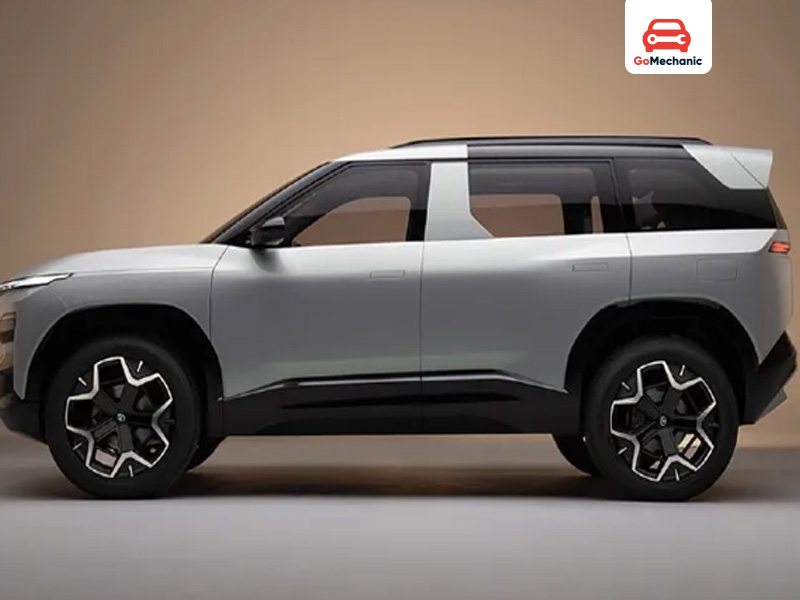
The Tata Sierra is back. Not just a car. It’s a memory rolling down today’s roads. Once a symbol of the ’90s, it owned Indian streets. Now it’s here again, modern but familiar.
This version, powered by an internal combustion engine, carries the same sturdy soul. Tata Motors shapes it for now but never lets the old spirit fade. It’s not just a re-launch. It’s the past meeting the future, in motion.
Launch Date: Expected by Mid-2025 (India-specific launch).
Tata Sierra ICE Expected Specifications
| Specification | Details (Expected) |
| Expected Price Range | ₹18 – 25 lakh |
| Body Type | SUV |
| Engine Type | Petrol |
| Power Output | 170 HP, 280 Nm Torque |
| Mileage | 16-18 km/litre |
| Acceleration | 0-100 km/h in 9 seconds |
| Top Speed | 190 km/h |
Key Features
- Exterior Design: Sculpted edges meet a bold silhouette. The Sierra ICE will likely feature a panoramic glasshouse design, evoking memories of the original Sierra, coupled with a sleek grille and 18-inch alloy wheels.
- Interior Design: A mix of retro cues and modern tech, the Sierra will feature dual-tone upholstery and a floating touchscreen. Rear seats with recline options add to its appeal.
- Technology: Expected features include a 360-degree camera, adaptive cruise control, and a voice-enabled infotainment system with Android Auto and Apple CarPlay.
Market Position and Competitors
For those eyeing a mid-size SUV, the Sierra ICE steps into the ring with contenders like Hyundai Tucson and Mahindra XUV700.It holds its legacy close and wears its modern design like a quiet confidence. It’s not just a ride. It’s a thought. For those who want more than a journey. For those who seek meaning in motion.
2. Tata Sierra EV
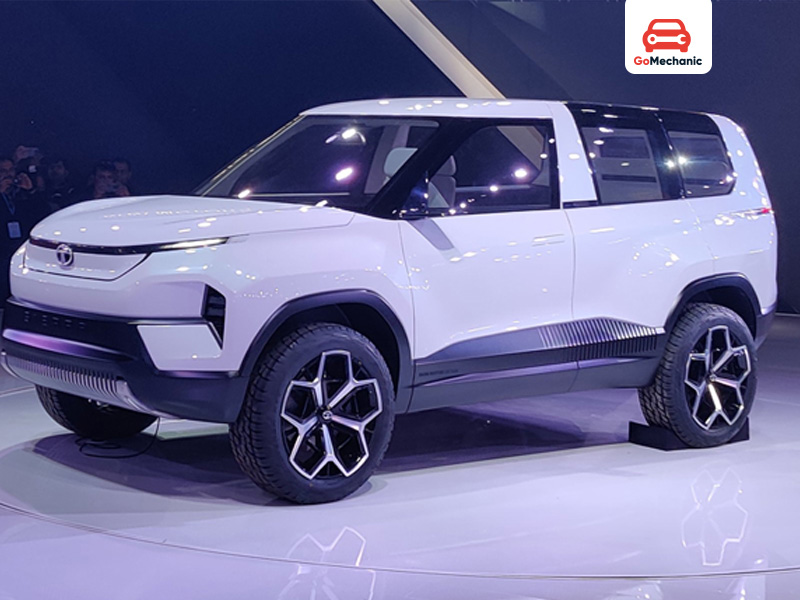
This is the Sierra, but reborn in an electric age. With Tata’s growing EV dominance, the Sierra EV promises to carry the same iconic legacy into the future. Silent, powerful, and committed to sustainability, it’s for those who see mobility as more than fuel and fumes.
Launch Date: Expected by Late 2025 (India-specific launch).
Tata Sierra EV Expected Specifications
| Specification | Details (Expected) |
| Expected Price Range | ₹25 – 30 lakh |
| Body Type | SUV |
| Engine Type | Electric |
| Power Output | 200 HP, 400 Nm Torque |
| Battery Range | 500 km per charge |
| Acceleration | 0-100 km/h in 8 seconds |
| Top Speed | 180 km/h |
Key Features
- Exterior Design: Retaining the panoramic glasshouse of its ICE sibling, the EV gets distinct LED DRLs and EV-blue accents, signalling its futuristic DNA.
- Interior Design: A clean and minimalistic dashboard with digital controls, augmented by eco-friendly materials.
- Technology: A larger infotainment screen, over-the-air updates, and Level 2 autonomous driving capabilities.
Market Position and Competitors
A premium electric SUV enters the ring. The MG ZS EV and Hyundai Kona Electric are watching. But this isn’t just about rivals. It’s about how far it can go. The design, the drive, the silent promise of a cleaner future. This one doesn’t just want to compete. It wants to lead. India’s EV story just got bolder.
3. Tata Harrier (Petrol)
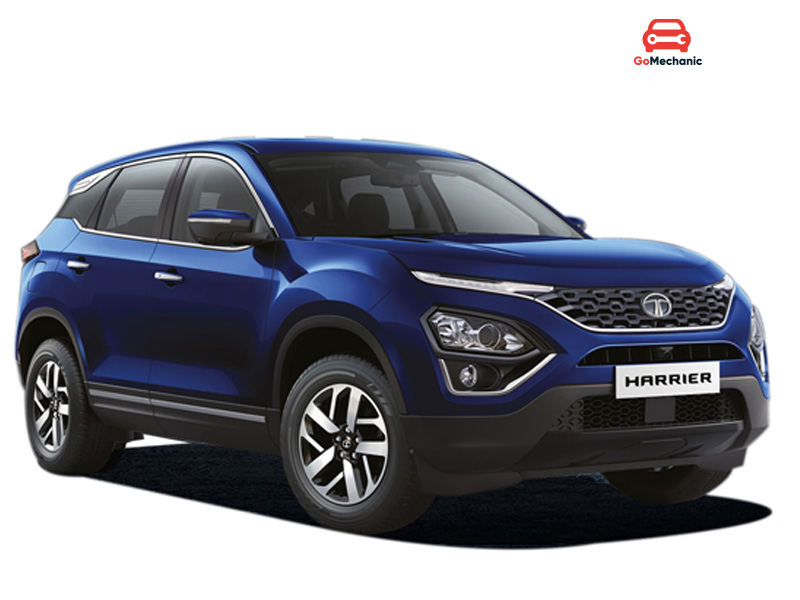
The Harrier has always been a bold presence on Indian roads. With the petrol variant, Tata Motors caters to a demand shift, adding efficiency and refinement to an SUV already known for its performance and road presence. It’s an evolution with intention.
Launch Date: March 2025 (India-specific launch).
Tata Harrier (Petrol) Expected Specifications
| Specification | Details (Expected) |
| Expected Price Range | ₹16 – 22 lakh |
| Body Type | SUV |
| Engine Type | Petrol |
| Power Output | 160 HP, 250 Nm Torque |
| Mileage | 15-17 km/litre |
| Acceleration | 0-100 km/h in 10 seconds |
| Top Speed | 185 km/h |
Key Features
- Exterior Design: Bold front grille, muscular stance, and LED headlamps. Aerodynamically designed 17-inch alloys enhance its commanding look.
- Interior Design: Plush leather seats, an 8-inch touchscreen, and a driver-centric cockpit layout.
- Technology: Wireless charging, six airbags, and connected car technology for remote access and diagnostics.
Market Position and Competitors
Targeting urban families and young professionals, the Harrier petrol takes on the Hyundai Creta and Kia Seltos. Its spacious cabin and striking looks are likely to win hearts.
4. Tata Safari (Petrol)
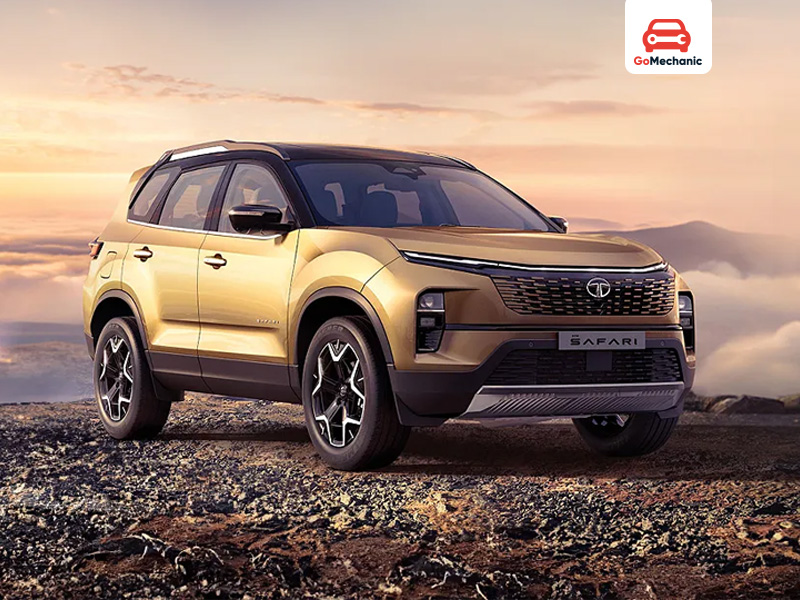
The Safari is built for the untamed. The petrol variant planned for 2025, will blend legacy with a modern engine. Spacious, refined, and ready for journeys. It’s the road in the car form calling your name.
Launch Date: Mid-2025 (India-specific launch).
Tata Safari (Petrol) Expected Specifications
| Specification | Details (Expected) |
| Expected Price Range | ₹18 – 24 lakh |
| Body Type | SUV |
| Engine Type | Petrol |
| Power Output | 170 HP, 280 Nm Torque |
| Mileage | 14-16 km/litre |
| Acceleration | 0-100 km/h in 11 seconds |
| Top Speed | 190 km/h |
Key Features
- Exterior Design: Retaining its signature stepped roof and chrome-finished grille, the petrol Safari also adds diamond-cut alloys and flush door handles.
- Interior Design: Three-row seating with captain seats in the middle row. Faux wood trims on the dashboard for a premium feel.
- Technology: Dual-zone climate control, powered tailgate, and a 10-speaker JBL sound system.
Market Position and Competitors
This petrol powerhouse challenges the MG Hector Plus and Toyota Innova Hycross in the full-size SUV segment. Its three-row practicality with Tata’s trust could set new benchmarks in 2025.
5. Tata Harrier EV
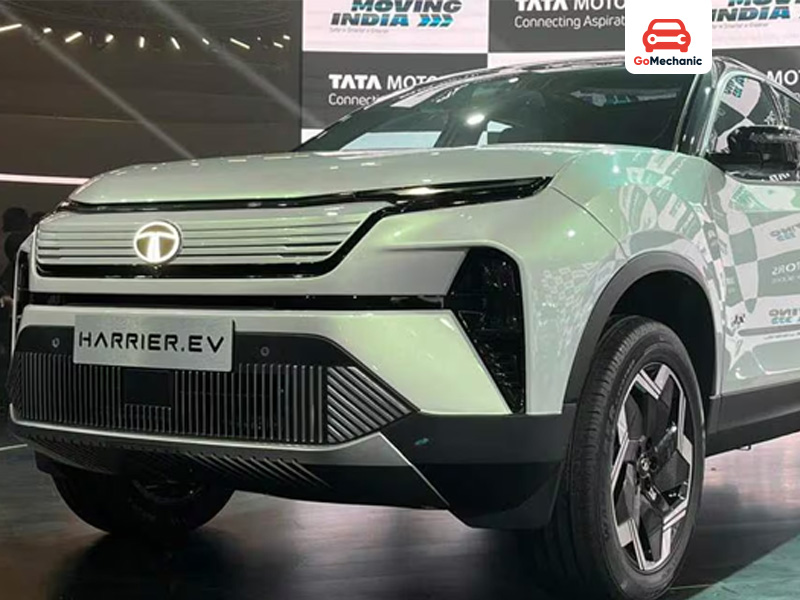
Tata Motors is driving into the electric age with the Harrier EV. The SUV, tough and familiar, sheds its diesel heart for an electric soul. It’s not just another car. It’s Tata saying the future is here, clean and unshaken.
Launch Date: Mid-2025
The Harrier EV will debut as a global model, catering to EV enthusiasts across major markets.
Tata Harrier EV Expected Specifications
| Specification | Details (Expected) |
| Expected Price Range | ₹ 30 – 35 lakh |
| Body Type | SUV |
| Engine Type | Electric |
| Power Output | 300 HP, 500 Nm Torque |
| Battery Range | 450-500 km per charge |
| Acceleration | 0-100 km/hr in 7 seconds |
| Top Speed | 180 km/hr |
Key Features
- Exterior Design: Expect sharp LED DRLs, aerodynamic styling, and Tata’s signature humanity line grille, reimagined for an EV. The 19-inch alloy wheels add both presence and performance.
- Interior Design: Plush leather upholstery, a 10.25-inch touchscreen, and ambient lighting create a premium vibe.
- Technology: Anticipate ADAS features, an updated Tata iRA connected car suite, and over-the-air updates.
Market Position and Competitors
The Harrier EV steps into a space where families want power, not pollution. It stands eye to eye with the MG ZS EV, Hyundai Ioniq 5 and Mahindra XUV400. Built for range, made for space, trusted like Tata always is.
6. Tata Punch Facelift
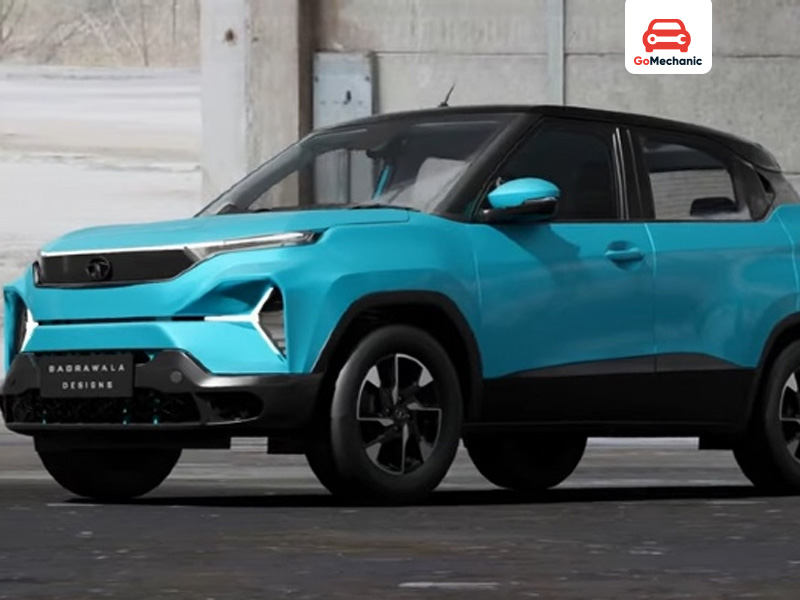
The Tata Punch Facelift is not just a new look. It reflects the micro-SUV’s growing bond with Indian roads. Known for its solid build and lively vibe, the Punch now takes a step forward. It stays true to its purpose while evolving to meet new expectations.
Launch Date: March 2025
This region-specific launch focuses on India’s growing demand for compact SUVs.
Tata Punch Facelift Expected Specifications
| Specification | Details (Expected) |
| Expected Price Range | ₹ 6 – 9 lakh |
| Body Type | Compact SUV |
| Engine Type | Petrol/Hybrid |
| Power Output | 86 HP, 113 Nm Torque |
| Mileage | 18-20 km/litre |
| Acceleration | 0-100 km/hr in 11 seconds |
| Top Speed | 160 km/hr |
Key Features
- Exterior Design: A tweaked front fascia with sharper headlamps and a bolder grille. Expect 16-inch alloys and new dual-tone colour schemes.
- Interior Design: Redesigned upholstery, a floating 8-inch infotainment system, and improved storage spaces.
- Technology: Wireless Android Auto and Apple CarPlay, and an enhanced reverse camera.
Market Position and Competitors
The Punch Facelift aims at first-time SUV buyers and urban families. Its main rivals include the Hyundai Exter, Maruti Fronx, and Nissan Magnite. Punch’s charm and affordability will keep it a top contender.
7. Maruti Suzuki e-Vitara
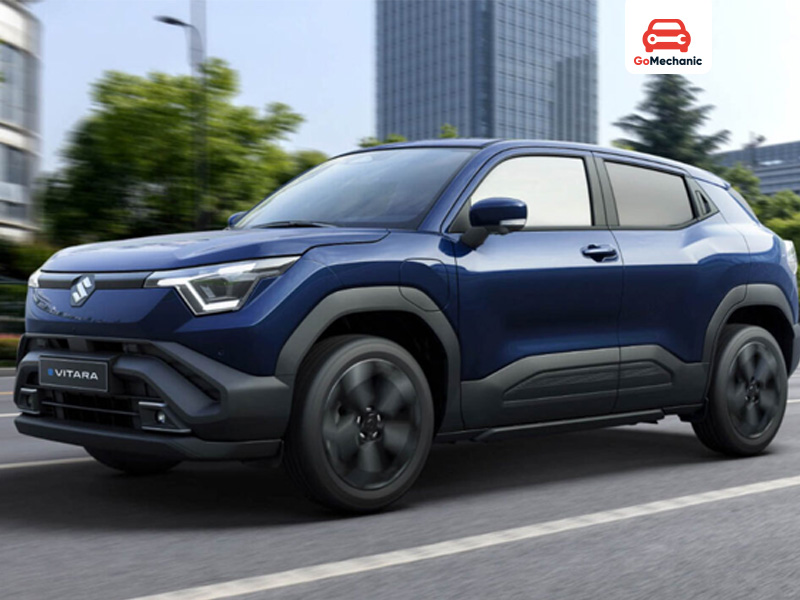
Maruti Suzuki’s trusted Vitara Brezza gets an electric sibling. The e-Vitara is Maruti’s bold response to India’s rising EV wave. With the Brezza’s legacy as a foundation, the e-Vitara promises practicality, efficiency, and affordability.
Launch Date: Mid-2025
This model will cater to the Indian market, aiming to democratise EV adoption.
Maruti Suzuki e-Vitara Expected Specifications
| Specification | Details (Expected) |
| Expected Price Range | ₹ 12 – 15 lakh |
| Body Type | Compact SUV |
| Engine Type | Electric |
| Power Output | 150 HP, 300 Nm Torque |
| Battery Range | 300-350 km per charge |
| Acceleration | 0-100 km/hr in 9 seconds |
| Top Speed | 150 km/hr |
Key Features
- Exterior Design: Subtle Brezza-inspired cues, sleek LED lights, and closed-off grille for aerodynamics.
- Interior Design: Minimalist cabin with an 8-inch infotainment system and ventilated seats.
- Technology: Suzuki Connect EV tech, fast charging capabilities, and regenerative braking.
Market Position and Competitors
Targeting middle-income EV buyers, the e-Vitara will challenge the Tata Nexon EV, Mahindra XUV400, and MG ZS EV. Its price-to-value ratio will likely resonate with Maruti loyalists.
8. Toyota Urban Cruiser 2025
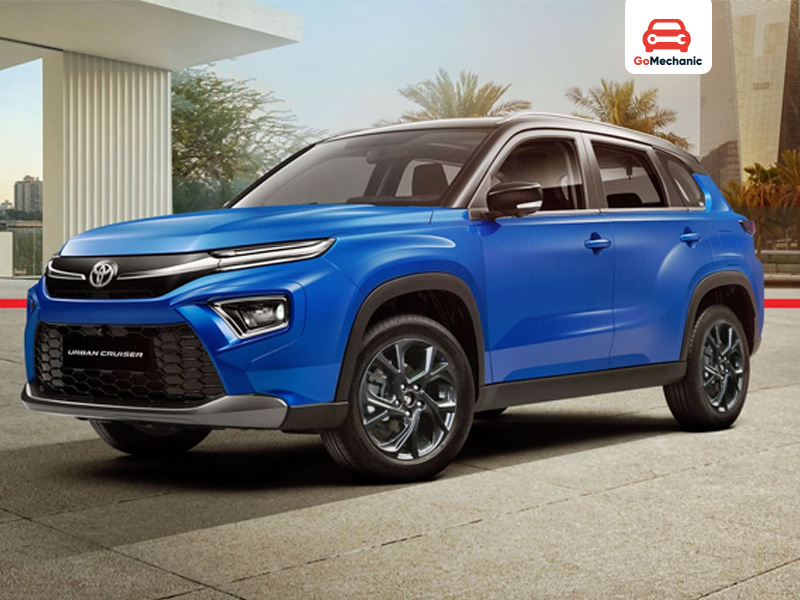
Toyota’s Urban Cruiser returns, redefined for a new year and a new generation. Born from Toyota’s deep-rooted SUV legacy, this version reshapes what it means to be compact. Built for city life, it’s crafted to move smart, think ahead, and fit right in.
Launch Date: April 2025
The Urban Cruiser 2025 will debut in the Indian market, targeting city dwellers and young professionals.
Toyota Urban Cruiser Expected Specifications
| Specification | Details (Expected) |
| Expected Price Range | ₹ 9 – 13 lakh |
| Body Type | Compact SUV |
| Engine Type | Petrol/Hybrid |
| Power Output | 120 HP, 140 Nm Torque |
| Mileage | 20-22 km/litre |
| Acceleration | 0-100 km/hr in 10 seconds |
| Top Speed | 170 km/hr |
Key Features
- Exterior Design: Refreshed front grille, sporty bumpers, and 17-inch alloys.
- Interior Design: Dual-tone cabin with a 9-inch infotainment system and premium fabric seats.
- Technology: Hybrid tech, Hill Assist Control, and Toyota Safety Sense.
Market Position and Competitors
An urban compact SUV that squares up against the Hyundai Venue, Kia Sonet, and Maruti Brezza. Toyota leans on its hybrid tech and sturdy build to carve out a space in the chaos.
9. Grand Vitara 7-Seater
Maruti Suzuki’s Grand Vitara isn’t just a car. It’s a quiet revolution on wheels. A companion that grew with the roads you took and the people you carried. The upcoming 7-seater Grand Vitara seeks to offer more than just space; it promises a haven for journeys yet untold. Built for families, designed for explorers. The legend grows larger, literally.
Launch Date: April 2025
Global or Region-Specific: Expected global launch
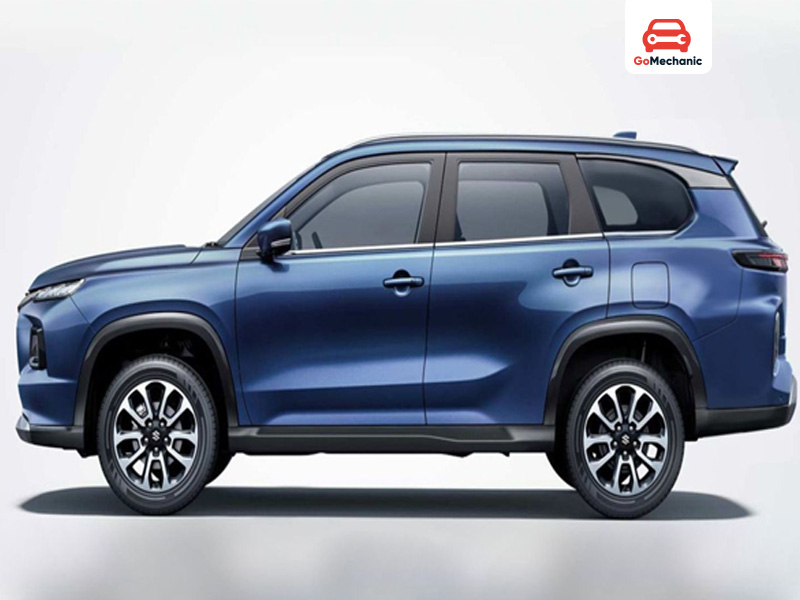
Grand Vitara 7-Seater Expected Specifications
| Specification | Details (Expected) |
| Expected Price Range | ₹15 – 20 lakh |
| Body Type | SUV |
| Engine Type | Hybrid |
| Power Output | 150 HP |
| Battery Range (Hybrid) | 40 km (electric-only) |
| Mileage (Petrol) | 18 km/l |
| Acceleration | 0-100 km/hr in 11 seconds |
| Top Speed | 180 km/hr |
Key Features
- Exterior Design: A sculpted front grille, bold roof rails, and LED DRLs. Sitting on 18-inch diamond-cut alloys, it carries a commanding presence.
- Interior Design: Plush leatherette seats, a panoramic sunroof, and a 10-inch touchscreen infotainment system elevate comfort and tech.
- Technology: Advanced driver-assistance systems (ADAS), connected car tech, and a heads-up display.
Market Position and Competitors:
Targeting mid-segment families, the Grand Vitara 7-seater faces off against the Hyundai Alcazar and Tata Safari. It might just carve a larger share of the family SUV pie.
10. Hyundai Creta EV
The Creta. A name synonymous with dominance in the SUV space. Now, it wears a green heart. Hyundai steps into the future with the Creta EV—a move not just to electrify but to redefine. A car with the promise of quiet roads and quieter revolutions.
Launch Date: Mid 2025
Global or Region-Specific: India-specific at first
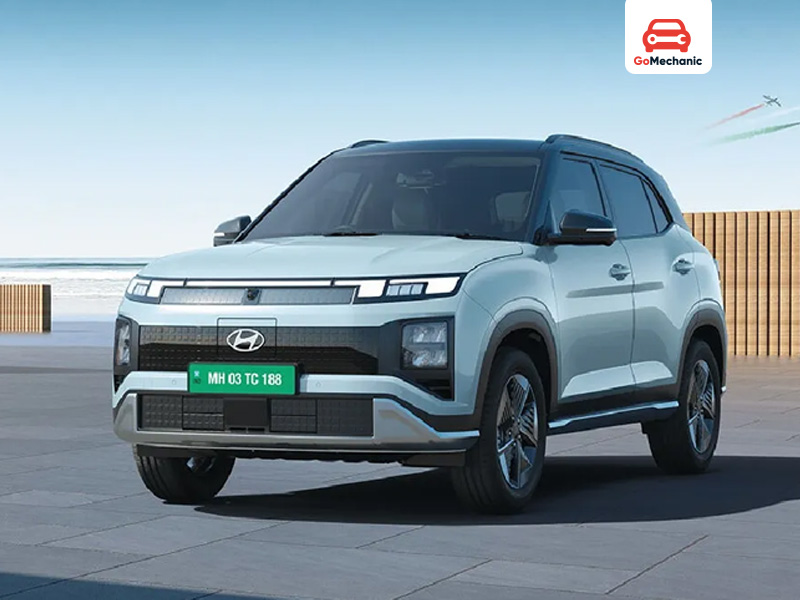
Hyundai Creta EV Expected Specifications
| Specification | Details (Expected) |
| Expected Price Range | ₹18 – 25 lakh |
| Body Type | SUV |
| Engine Type | Electric |
| Power Output | 200 HP |
| Battery Range | 450 km per charge |
| Acceleration | 0-100 km/hr in 8 seconds |
| Top Speed | 160 km/hr |
Key Features
- Exterior Design: Aerodynamic sculpting, sharp LED headlamps, and a closed grille define its EV identity.
- Interior Design: Minimalist. A dual-tone cabin with eco-friendly materials and a digital cockpit.
- Technology: Level 2 autonomous driving, over-the-air updates, and a 12-inch touchscreen.
Market Position and Competitors:
With rivals like MG ZS EV and BYD Atto 3, the Creta EV challenges the growing mid-premium EV market.
11. Hyundai Venue EV
Small. Electric. Smart. Hyundai’s Venue EV is the city’s newest companion. Built for the urban jungle, it promises to zip past chaos and park in the tiniest spaces. Compact doesn’t mean compromise. It’s every bit as ambitious as its larger siblings.
Launch Date: June 2025
Global or Region-Specific: India-specific
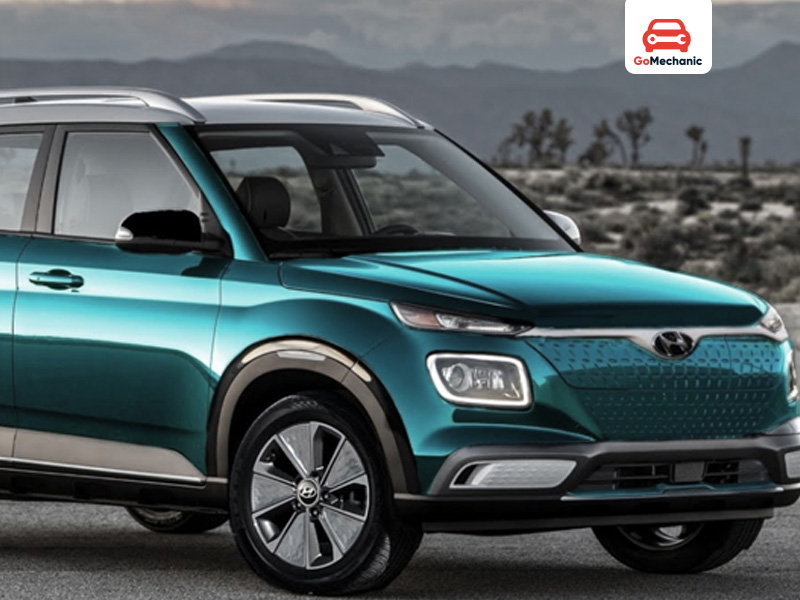
Hyundai Venue EV Expected Specifications
| Specification | Details (Expected) |
| Expected Price Range | ₹12 – 15 lakh |
| Body Type | Compact SUV |
| Engine Type | Electric |
| Power Output | 120 HP |
| Battery Range | 350 km per charge |
| Acceleration | 0-100 km/hr in 10 seconds |
| Top Speed | 140 km/hr |
Key Features
- Exterior Design: Compact with an edge—sleek LED taillights, sharp creases, and 16-inch alloys.
- Interior Design: Clean lines, fabric upholstery, and a floating touchscreen.
- Technology: Smart parking assist, smartphone integration, and remote-controlled functions.
Market Position and Competitors
Affordable. Eco-friendly. Youthful. Rivals? Tata Nexon EV and Mahindra XUV400. But this one feels different. It fits into your life like an old friend who suddenly got cooler.
12. VinFast V8
From the land of rising ambitions, VinFast brings the V8, a luxury SUV with a promise of boldness and innovation. It’s Vietnam’s answer to the best the world offers. A statement of elegance and engineering.
Launch Date: Late 2025
Global or Region-Specific: Global
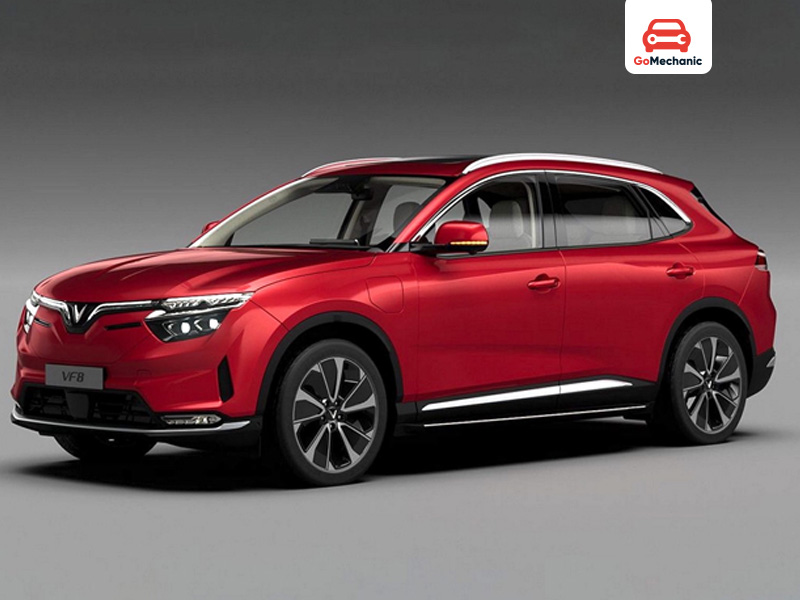
VinFast V8 Expected Specifications
| Specification | Details (Expected) |
| Expected Price Range | ₹60 – 80 lakh |
| Body Type | Luxury SUV |
| Engine Type | Electric |
| Power Output | 300 HP |
| Battery Range | 500 km per charge |
| Acceleration | 0-100 km/hr in 6 seconds |
| Top Speed | 220 km/hr |
Key Features
- Exterior Design: Muscular with smooth lines. Large air intakes and 20-inch alloys for a bold stance.
- Interior Design: Premium. Wooden trims, ventilated seats, and a 15-inch infotainment screen.
- Technology: AI-enhanced driving and full connectivity suite.
Market Position and Competitors:
With competition like Audi Q8 e-tron and Mercedes EQC, the V8 dares to aim for luxury with substance.
13. VinFast V9
VinFast takes a leap with the V9. Not just an SUV. It’s Vietnam stepping into premium territory. Power at its core. Elegance in its veins. A flagship for those who dare.
Launch Date: December 2025
Global or Region-Specific: Global
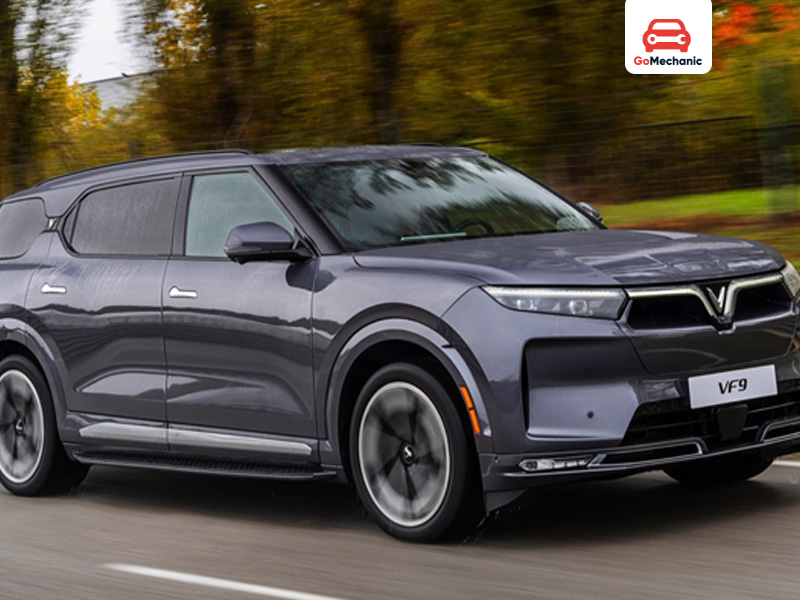
VinFast V9 Expected Specifications
| Specification | Details (Expected) |
| Expected Price Range | ₹1 – 1.2 crore |
| Body Type | Luxury SUV |
| Engine Type | Electric |
| Power Output | 400 HP |
| Battery Range | 600 km per charge |
| Acceleration | 0-100 km/hr in 4.5 seconds |
| Top Speed | 250 km/hr |
Key Features
- Exterior Design: Bold grille, LED matrix lights, and aerodynamic curves.
- Interior Design: Sumptuous leather, a 360-degree camera display, and ambient lighting.
- Technology: Full autonomy, digital twin technology, and an eco-luxury promise.
Market Position and Competitors:
Competing with the Tesla Model X and BMW iX, the V9 stands tall as VinFast’s crown jewel.
14. MG Gloster Facelift
MG doesn’t just make cars. It spins stories. Each SUV feels like a chapter written for those who crave more than just the road. The Gloster? It’s not just another SUV on Indian streets. Since the day it arrived, it has been a statement. A quiet, bold nod to those who balance exploration and elegance. Now, with its facelift, it’s turning a fresh page. The design is sharper, the tech smarter, the experience richer. This is not just a car update. It’s a story evolving. And it’s yours to drive.
Launch Date: March 2025
This is a region-specific launch, focused on the Indian market.
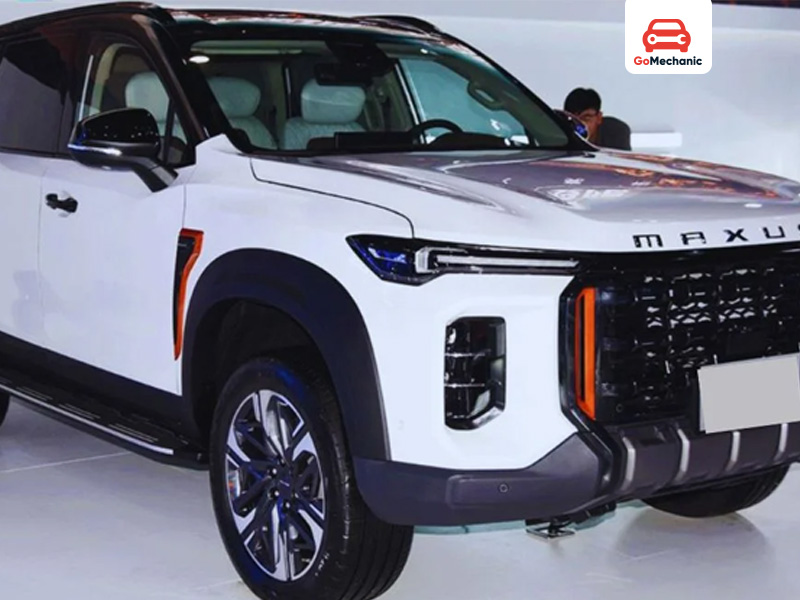
Expected Specifications
| Specification | Details (Expected) |
| Expected Price Range | ₹ 40 – 45 lakh |
| Body Type | SUV |
| Engine Type | Diesel, Petrol |
| Power Output | 215 HP, 480 Nm Torque |
| Mileage | 12-14 km/litre |
| Acceleration | 0-100 km/hr in 10 seconds |
| Top Speed | 180 km/hr |
Key Features
- Exterior Design: A refreshed chrome-detailed grille, dual-tone alloy wheels, and adaptive LED headlamps. The design whispers evolution yet carries echoes of its rugged past.
- Interior Design: Plush leather upholstery, ventilated seats, and a new 12.3-inch infotainment system make the cabin a comforting cocoon.
- Technology: Level 2 ADAS, AI-enhanced navigation, and enhanced 360-degree camera view.
Market Position and Competitors
Targeting the premium SUV segment, it squares off against the Toyota Fortuner and Mahindra Alturas G4. The Gloster facelift may not just fill a niche but reimagine what’s expected in this price range.
15. MG Cyberster
MG steps into tomorrow with the Cyberster. A two-seater electric roadster. It carries MG’s vintage soul and wraps it in futuristic tech. This isn’t just an EV. It’s the thrill of every curve, the rush of the open road, the promise of the horizon.
Launch Date: Mid-2025
It’s a global launch, reflecting MG’s intent to redefine electric sports cars.
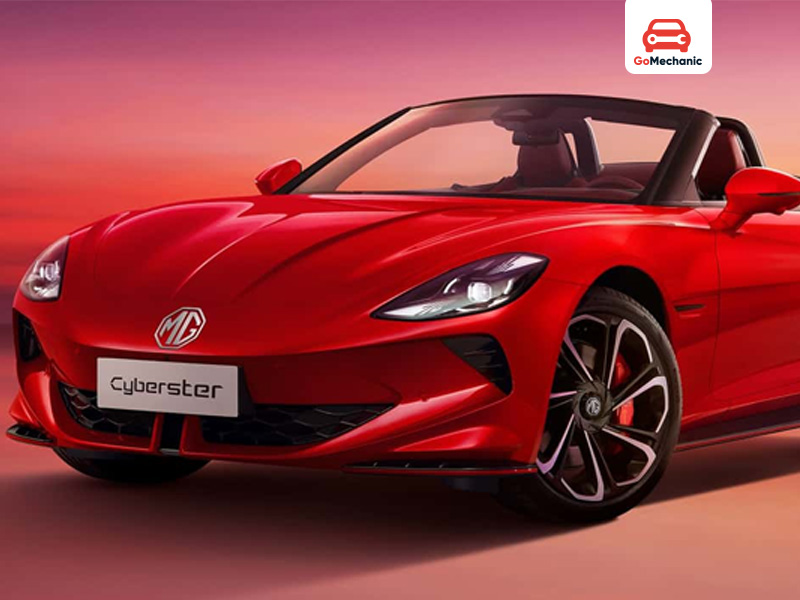
Expected Specifications
| Specification | Details (Expected) |
| Expected Price Range | ₹ 50 – 60 lakh |
| Body Type | Roadster |
| Engine Type | Electric |
| Power Output | 536 HP |
| Battery Range | 500 km per charge |
| Acceleration | 0-100 km/hr in 3.2 seconds |
| Top Speed | 200 km/hr |
Key Features
- Exterior Design: Sleek bodywork, scissor doors, and LED blade-like taillights. A car that looks as fast as it moves.
- Interior Design: Minimalist, with digital dashboards and voice-assisted controls. MG has made simplicity its loudest statement here.
- Technology: Autonomous level 3 features, next-gen infotainment, and rapid charging capability.
Market Position and Competitors
Aimed at the luxury EV market, it will compete with Porsche Taycan and Tesla Roadster. The Cyberster’s blend of heritage and modernity could make it a benchmark.
Also Read: Bharat Mobility Global Expo 2025: The Future is Here
16. MG Aster Facelift
For those who think small SUVs can’t be big on style, the MG Aster facelift has a counter-argument ready. MG’s Aster brought AI to the compact SUV space, and now it gets a bold new avatar with smarter tech.
Launch Date: April 2025
Region-specific, with India as the primary focus.
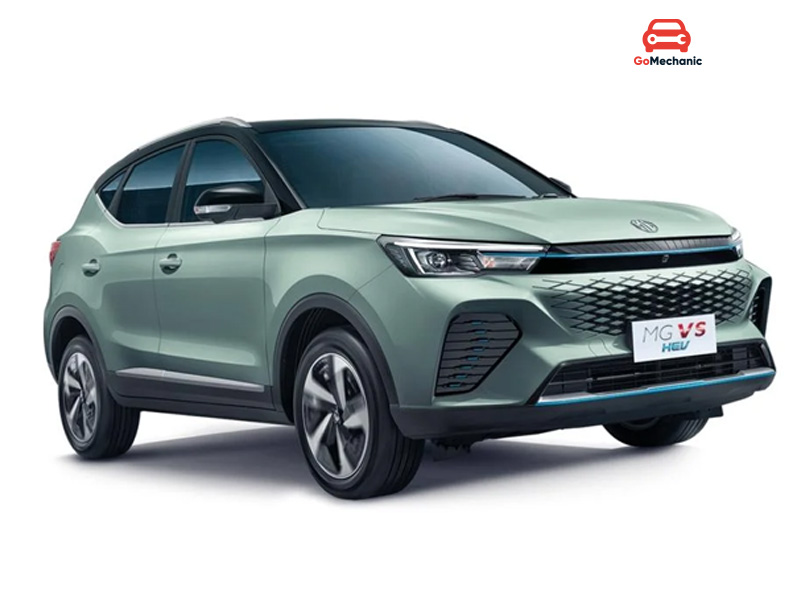
Expected Specifications
| Specification | Details (Expected) |
| Expected Price Range | ₹ 12 – 18 lakh |
| Body Type | Compact SUV |
| Engine Type | Petrol, Hybrid |
| Power Output | 140 HP |
| Mileage | 16-18 km/litre |
| Acceleration | 0-100 km/hr in 9 seconds |
| Top Speed | 170 km/hr |
Key Features
- Exterior Design: Redesigned grille, sharper LED DRLs, and a sportier bumper. Small, yet commanding.
- Interior Design: A dual-tone dash, panoramic sunroof, and a 10.1-inch infotainment panel with AI voice assistant.
- Technology: Enhanced ADAS, updated AI assistant, and seamless smartphone integration.
Market Position and Competitors
This is for young families and professionals. Hyundai Creta and Kia Seltos are their rivals, but the Aster facelift brings charm and technology to the competition.
17. Škoda Klyaq
Škoda, known for blending functionality with elegance, is ready to expand its SUV legacy with the Klyaq. It steps in as the next evolution of their compact SUVs, aiming to redefine mid-size adventures. Rumoured to carry European craftsmanship with Indian sensibilities, the Klyaq is a nod to urban explorers who dream of open highways.
Launch Date: Mid 2025
Global Launch
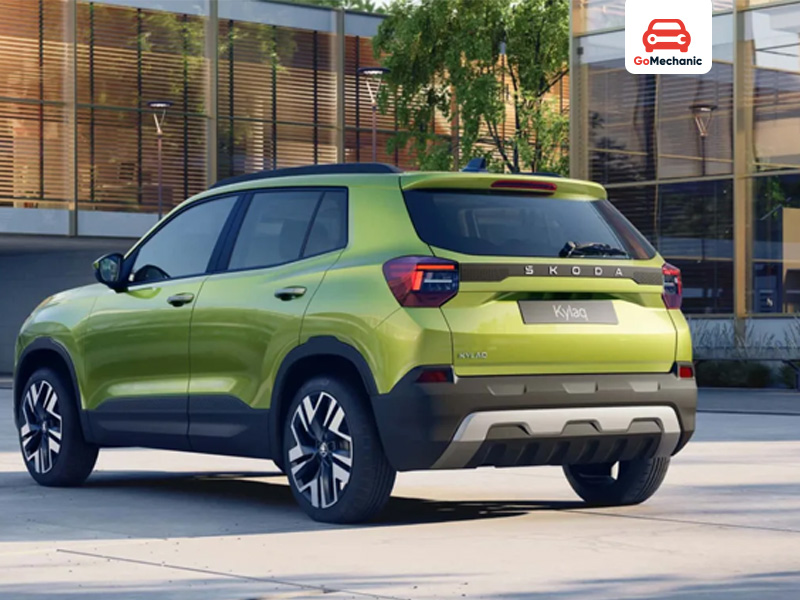
Škoda Klyaq Expected Specifications
| Specification | Details (Expected) |
| Expected Price Range | ₹ 15 – 20 lakh |
| Body Type | Compact SUV |
| Engine Type | Petrol and Hybrid Variants |
| Power Output | 150 HP, 250 Nm Torque |
| Mileage | 18-20 km/litre |
| Acceleration | 0-100 km/hr in 9 seconds |
| Top Speed | 190 km/hr |
Key Features
- Exterior Design: A chiselled bonnet flows into the crystalline grille. Angular LED headlamps mirror its aggressive stance. The 18-inch dual-tone alloys complete the urban-meets-adventure vibe.
- Interior Design: Expect premium upholstery with a 10-inch infotainment screen, ambient lighting, and dual-zone climate control.
- Technology: A connected car suite, over-the-air updates, and advanced safety aids like lane-keep assist and adaptive cruise control.
Market Position and Competitors:
Aimed at families and professionals seeking affordable sophistication. It will face off against the Kia Seltos, Hyundai Creta, and Tata Harrier.
18. Škoda Enyaq
Škoda’s all-electric Enyaq promises to light up the EV landscape. Born of the MEB platform, this vehicle doesn’t merely transport—it ushers you into a silent, greener tomorrow. A global bestseller now tailored for India’s electric revolution.
Launch Date: Late 2025
India-Specific Launch
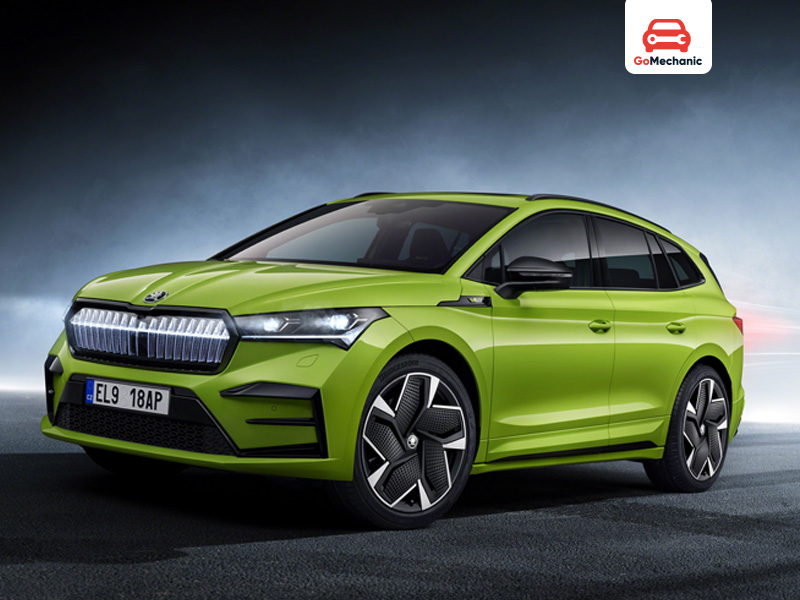
Škoda Enyaq Expected Specifications
| Specification | Details (Expected) |
| Expected Price Range | ₹ 35 – 40 lakh |
| Body Type | Electric SUV |
| Engine Type | Fully Electric |
| Power Output | 200 HP, 310 Nm Torque |
| Battery Range | 500 km per charge |
| Acceleration | 0-100 km/hr in 7 seconds |
| Top Speed | 160 km/hr |
Key Features
- Exterior Design: Aerodynamic curves dominate the Enyaq’s form. A full-width LED light bar at the rear adds a futuristic edge.
- Interior Design: Spacious with a 13-inch infotainment unit, vegan leather seats, and a panoramic sunroof.
- Technology: Level-2 autonomous driving features, fast-charging capability, and a smartphone-based digital key.
Market Position and Competitors:
The Škoda Enyaq targets premium EV buyers. Rivals? Kia EV6, Hyundai Ioniq 5, Volvo XC40 Recharge. For eco-conscious families who demand smart tech, it could be the one.
19. Kia Syros
Kia plans to shake up the SUV market once more with the Syros. Sitting between the Sonet and Seltos, the Syros is crafted for urban manoeuvrability with a dash of sportiness. It feels compact yet versatile, like a Swiss army knife on four wheels.
Launch Date: Q3 2025
Global Launch
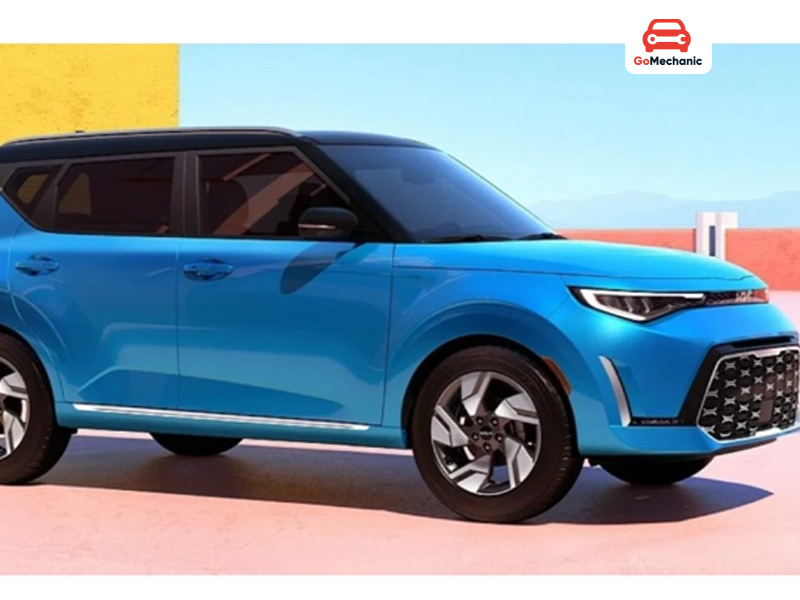
Kia Syros Expected Specifications
| Specification | Details (Expected) |
| Expected Price Range | ₹ 12 – 17 lakh |
| Body Type | Compact SUV |
| Engine Type | Petrol and Diesel Options |
| Power Output | 130 HP, 220 Nm Torque |
| Mileage | 19-21 km/litre |
| Acceleration | 0-100 km/hr in 10 seconds |
| Top Speed | 180 km/hr |
Key Features
- Exterior Design: A sculpted bonnet, ‘tiger-nose’ grille, and LED DRLs add character. Matte-finish options and diamond-cut alloys up the style game.
- Interior Design: Dual-tone interiors with a 10.25-inch digital driver display and ventilated seats.
- Technology: Wireless charging, connected car features, and an AI-driven voice assistant.
Market Position and Competitors:
Positioned as a value-for-money SUV, Syros goes up against the Maruti Grand Vitara and Hyundai Venue.
20. Toyota Fortuner Hybrid
Toyota’s Fortuner Hybrid is like an old friend learning new tricks. Known for its dominance, the hybrid iteration ensures its legacy continues, now with a greener conscience. Big, bold, and built for serious terrains, this isn’t just an SUV—it’s a declaration.
Launch Date: March 2025
Global Launch
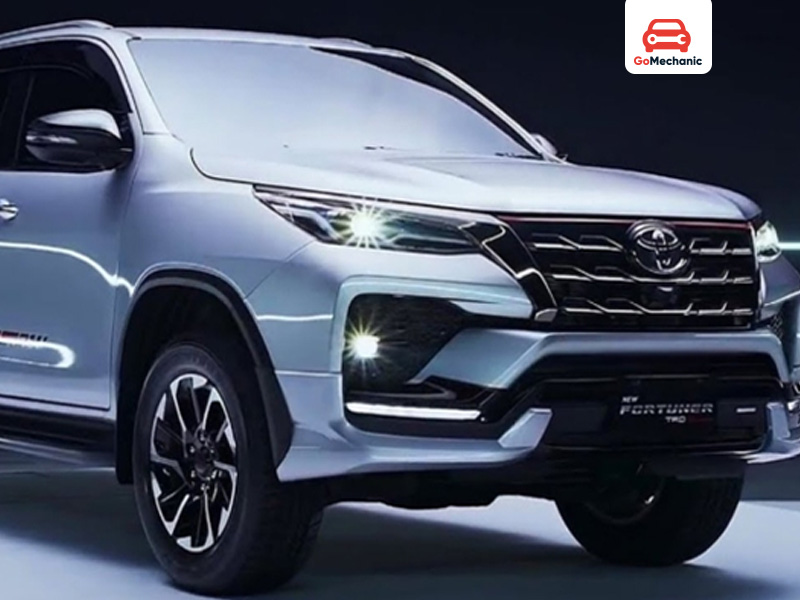
Toyota Fortuner Hybrid Expected Specifications
| Specification | Details (Expected) |
| Expected Price Range | ₹ 45 – 50 lakh |
| Body Type | Full-Size SUV |
| Engine Type | Petrol-Hybrid |
| Power Output | 200 HP, 320 Nm Torque |
| Mileage | 14-16 km/litre |
| Acceleration | 0-100 km/hr in 8 seconds |
| Top Speed | 190 km/hr |
Key Features
- Exterior Design: Redesigned front fascia with sleek headlights and a bolder grille. 20-inch alloy wheels and higher ground clearance accentuate its rugged appeal.
- Interior Design: Spacious cabin with a 12.3-inch touchscreen and leather seats. Thoughtfully placed storage and an elevated driving position.
- Technology: Hybrid drive modes, advanced terrain assist, and a high-end JBL sound system.
Market Position and Competitors:
This hybrid powerhouse targets the premium SUV segment, competing with the Ford Everest and MG Gloster. It signals Toyota’s commitment to a greener but equally powerful future.
If thinking otherwise, here are 7 reasons to support why you shouldn’t buy Fortuner.


