






Electric cars in India have been moving from a niche choice to a more realistic option for regular buyers. You can see it in the number of new launches, the way brands are pricing their entry EVs, and the fact that people now compare EV running costs against petrol and diesel the same way they compare mileage. Rising fuel prices and a stronger push towards cleaner mobility are part of the reason, but the bigger change is that manufacturers are finally building EVs for everyday use, not just for early adopters. Challenges still exist, upfront prices can feel high and charging access is not uniform across cities and highways, but the direction is clear. With government support in several states through incentives like road tax benefits and other rebates, the EV market is getting easier to enter. That’s why “upcoming electric cars in India” has become such a high-intent search. Buyers want to know what is launching next, what it will cost, and which models are likely to make EV ownership feel simple and practical.
What actually decides EV availability in 2026
Many upcoming EV lists make it seem like once a car launches, it will be easily available. 2026 may not work like that. EV deliveries can get delayed because some parts are hard to source. For example, Maruti’s e Vitara faced a short-term production cut because there was a shortage of rare-earth metals, which are special materials used in EV motor magnets. The result is simple. Early batches can be limited, some variants can get long waiting periods, and booking early can actually help. If you are planning to book, ask the dealer one straight question: what month will my exact variant and colour be allotted? That answer tells you more than any launch headline.
You can also check the Top Advantages of Electric Cars
Top Upcoming Electric Cars in India, 2026
1. Maruti Suzuki e Vitara
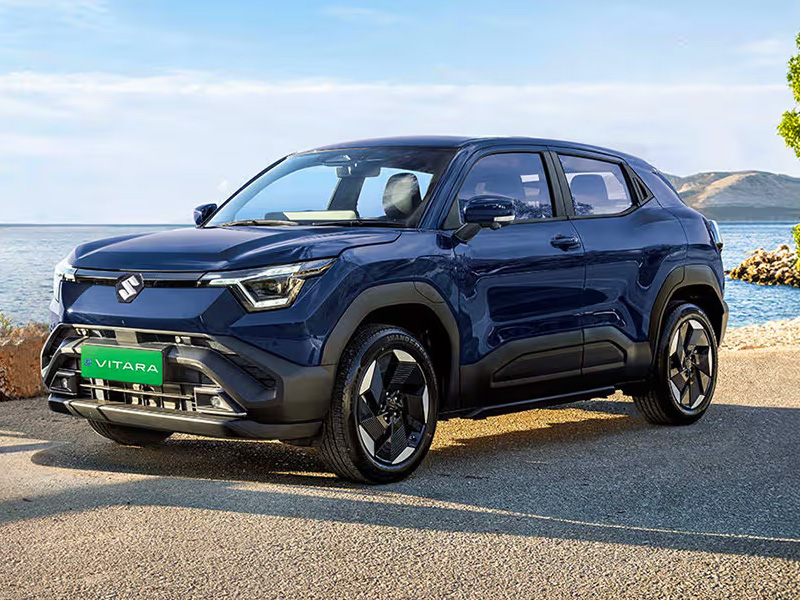
Maruti’s first serious mass-market electric SUV is also the one most Indian buyers will treat like a make-or-break moment. The e Vitara is built to feel familiar in footprint, but it is not trying to be a small EV. It is aiming right at the heart of the mid-size SUV buyer who wants a proper range buffer.
What’s worth knowing
- Launch window: Expected January 2026
- Expected price band: Around ₹17–22.5 lakh ex-showroom (estimates vary by source)
- Battery options: 49 kWh and 61 kWh
- Claimed range highlight: Up to 543 km ARAI (higher battery variant)
Buyer insight: If early production is constrained, the “sweet spot” variant may develop longer waits than the top trim, because that’s where most bookings land.
The smart way to read the e Vitara is not just range. It is what Maruti does around charging support, service readiness, and whether it keeps ownership boring in a good way.
2.Toyota Urban Cruiser EV
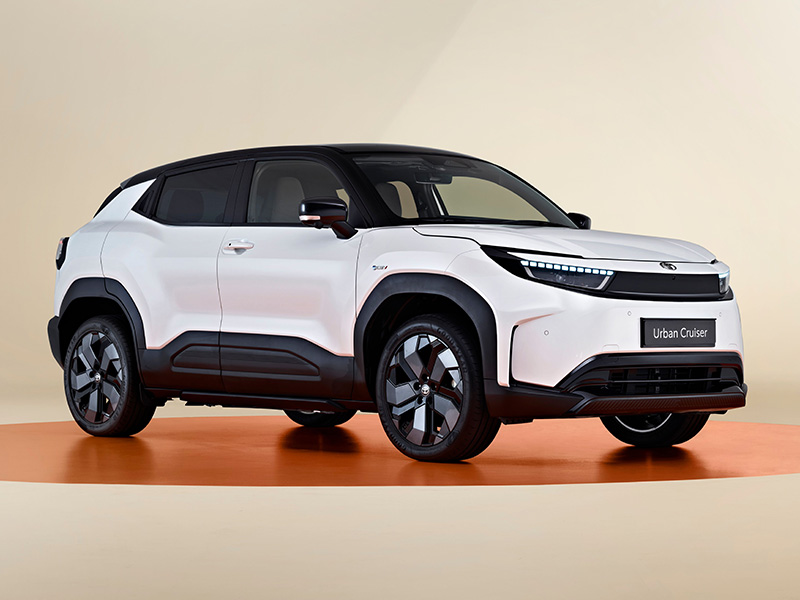
Toyota’s Urban Cruiser EV is closely related to the e Vitara in its foundations, but Toyota’s play is different. Toyota buyers tend to care about long-term reliability, predictable service, and a calmer ownership curve. This EV is designed to slot into that mindset.
Spec:
- Battery options: 49 kWh and 61 kWh
- Battery chemistry: LFP
- Power outputs:
- 49 kWh FWD around 106 kW
- 61 kWh FWD around 128 kW
- 61 kWh AWD around 135 kW
- India timeline: Expected during 2026
Here’s why LFP matters in India. LFP is typically more tolerant in heat, it is generally cheaper to manufacture, and brands like it for durability. The trade-off is energy density, so you can see weight creep up. But for Indian buyers, LFP is often the more sensible chemistry if the tuning is done right.
3. Tata Sierra EV
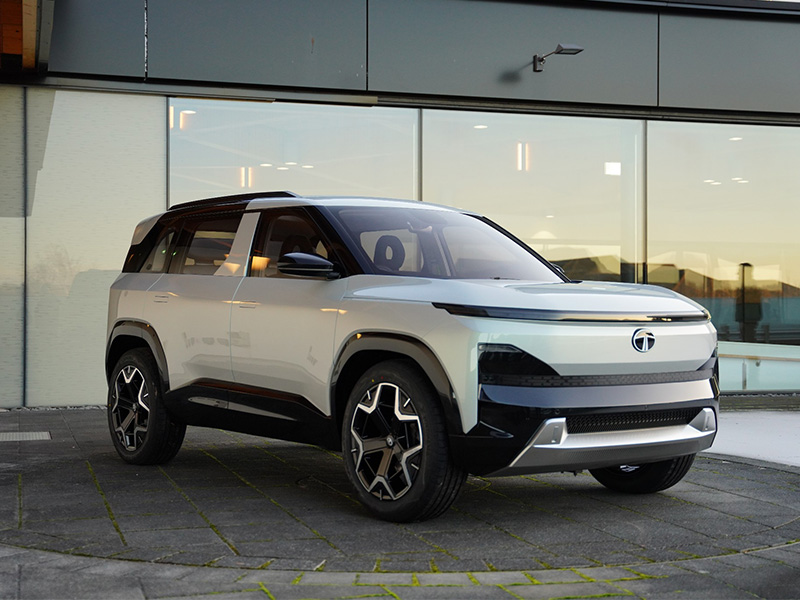
The Sierra name carries weight, and Tata knows it. The Sierra EV is expected to sit in that premium family SUV zone, and Tata’s strongest advantage remains the same: the brand has built public trust around safety engineering in India.
- Launch timing: Tata has indicated the Sierra EV will launch before March 2026
- Platform direction: Expected to use Tata’s newer EV architecture approach (Acti.EV family is widely reported)
- What to watch: charging speeds, real-world efficiency, and how Tata positions variants against its own lineup
If you are the kind of buyer who prioritises safety, planted highway behaviour, and a strong body shell story, the Sierra EV is the one to watch closely once final specs land.
4. Hyundai Inster based compact EV
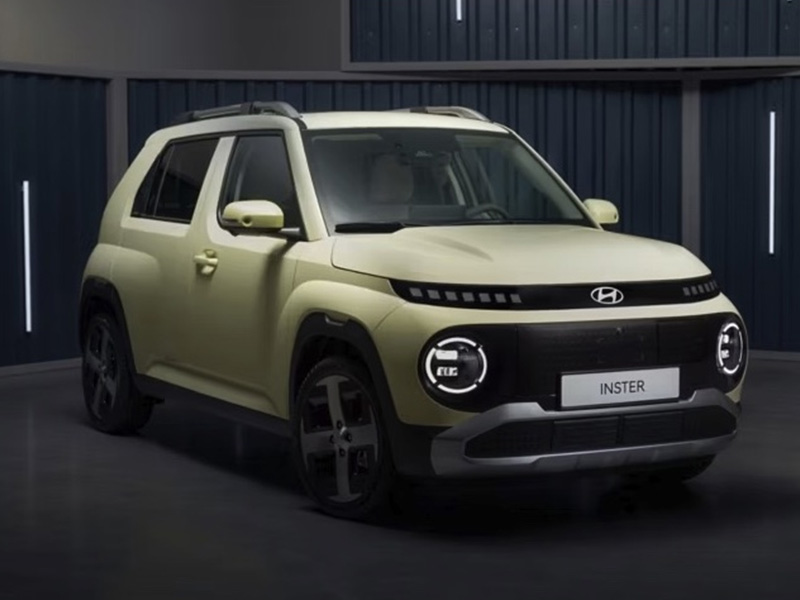
Hyundai’s approach to EVs is getting more practical. Instead of only chasing high-end segments, it is also looking at compact EVs that can become daily staples. The Inster is a global A-segment EV, and while the India-specific version can differ, the global numbers help you understand the intent.
Global spec
- Battery options: 42 kWh and 49 kWh
- Claimed range (global projection): around 327 km (42 kWh) and 370 km (49 kWh)
- Why it matters for India: This is the kind of EV that works when your life is city-heavy and you want low running cost without upgrading your whole budget bracket.
If Hyundai prices this aggressively, it could become one of the most practical “first EV” choices for urban households.
5. Kia Carens Clavis EV
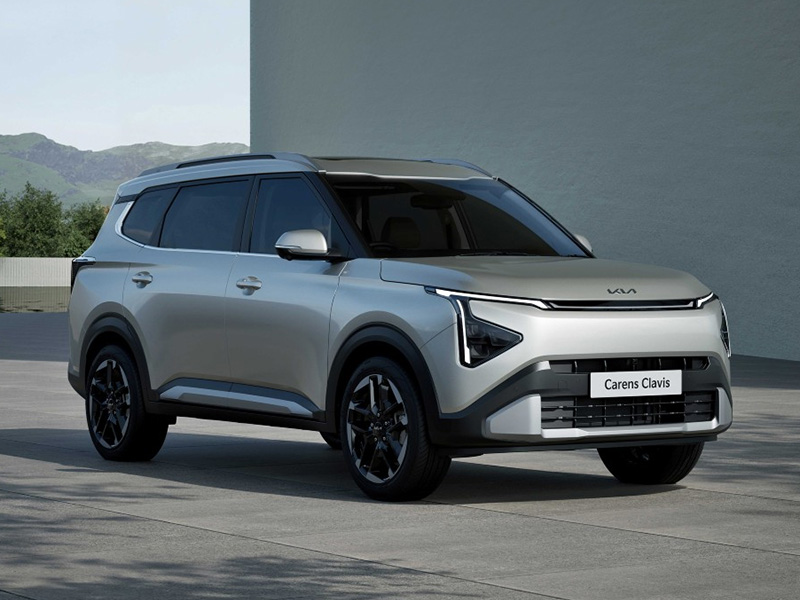
This one is not “upcoming” in the strict sense, but it belongs in the same buyer decision set because it is new, it is family-oriented, and it solves a problem most EVs still ignore: space.
Specs:
- Price: starts at ₹17.99 lakh ex-showroom (top end goes higher by variant)
- Battery options: 42 kWh and 51.4 kWh
- Claimed range: up to 490 km ARAI
- Fast charging: 10–80 percent in 39 minutes (claimed)
Positioning insight: If your household needs 6/7-seat flexibility, this is one of the first EVs that makes the conversation feel normal.
For many families, the Carens Clavis EV will not be about performance or badge value. It will be about “does this make daily life easier without compromises”.
6. VinFast VF6
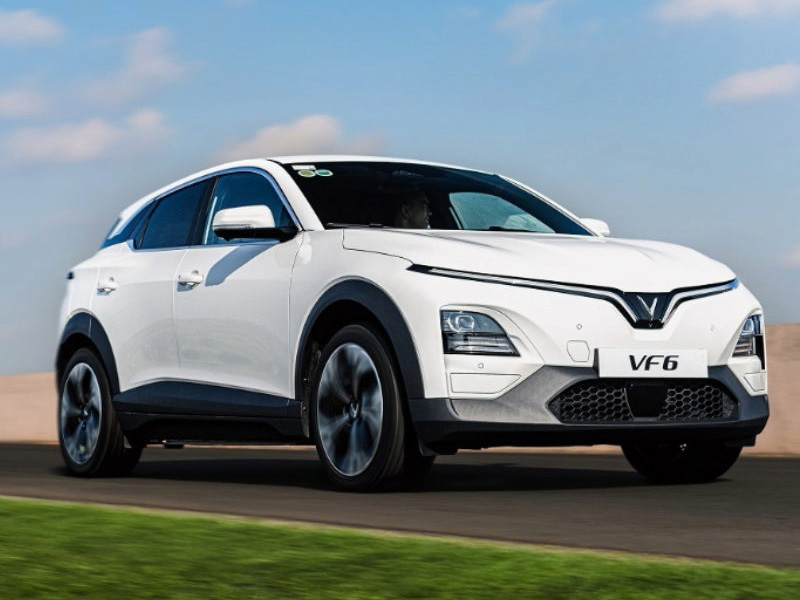
VinFast has moved beyond “showcase” into actual pricing and rollout chatter. Whether you trust a new brand is a personal call, but it is now part of the real market.
What is publicly reported
- Starting price: reported from ₹16.49 lakh ex-showroom (variant-dependent)
- Why it matters: it adds pressure on established brands to offer more kit for the money, especially on tech and cabin experience.
If you are considering VinFast, your checklist should be simple: service footprint, parts availability, warranty clarity, and how the brand handles early ownership issues. New brands can be of great value, but only if support is tight.
How to pick between these without overthinking
If your driving is mostly city and you want something compact and easy, the Hyundai route makes sense if pricing lands right and home charging is stable. If you want a mainstream SUV with big-range confidence, the Maruti e Vitara and Toyota Urban Cruiser EV are the obvious cross-shop pair. If you want that Tata safety-and-stance feel in an EV body, Sierra EV is the one to wait for, especially if the final charging specs are competitive. If you need family space first and EV second, the Kia Carens Clavis EV is the most straightforward answer. And if you want maximum features per rupee and you are open to a new brand, VinFast becomes interesting, but only if after-sales confidence is there in your city.
Conclusion
The upcoming electric car list in India is finally starting to feel real. e Vitara and Urban Cruiser EV will set the tone for mainstream electric SUVs, Sierra EV will pull in buyers who want that solid SUV stance with a Tata safety story, and options like the Carens Clavis EV prove that family-friendly EVs are no longer a rare category. Just don’t treat launch timelines like a promise. In 2026, deliveries will depend as much on production and parts as on demand, so plan with a bit of a buffer.
And once you switch to an EV, don’t ignore servicing just because it feels “low maintenance”. Yes, there are fewer consumables than a petrol or diesel car, but you still need regular checks to keep the car running right. Diagnostic scans, brake and suspension inspection, cooling system checks, and battery health monitoring are what keep your range and performance stable over time. This is where GoMechanic fits in well, you get the right EV checks and workshop support without the whole process feeling like a hassle.
FAQs
1. What are the upcoming EV cars in India?
The next wave is mostly electric SUVs and crossovers, not tiny city cars. The key names people are genuinely tracking are Maruti e Vitara, Toyota Urban Cruiser EV, Tata Sierra EV, Hyundai’s Inster-based compact EV plan, plus Mahindra’s BE 6 and XEV 9e. These are the models expected to shape 2026 because they sit in the mass-market and family-friendly space.
2. Which EV is the cheapest?
Right now, MG Comet EV is usually the cheapest way to enter EV ownership in India, especially if you look at battery subscription options. Just remember the “starting price” often depends on the plan structure, so the real comparison should be done on total monthly or total ownership cost, not only the sticker number.
3. Which EV has 700 km range in India?
A clean 700 km range claim is not common in India right now. The closest credible figure you’ll see is on premium EVs like the Mercedes-Benz EQS, which sits just under that mark on WLTP. Most “700 km” numbers you see online are usually a different test cycle, a best-case lab figure, or someone mixing up variants, so take them as marketing noise unless the test standard is clearly mentioned.
4. Is the Tata Nano EV really coming?
Right now, there’s no official confirmation from Tata that a Nano EV is coming. The Nano name gets attention, so it keeps resurfacing in rumours and edited visuals, but until Tata actually announces it, shows a concept, or mentions it in a product roadmap, it’s not something you should plan your purchase around.


