






The electric SUV is emerging as one of the crucial niches in the Indian car industry. The SUVs are already a hit since they have a higher seating position, better road visibility, more interior space and a strong road presence. When these cars are incorporated with the use of electric technology, they will be even more desirable with a lower running cost, less pollution and an exceptionally smooth ride. As the cost of petrol and diesel has gone up and the charging infrastructure has become more and more evident throughout major cities and highways, electric SUVs have become a viable long-term choice. Some of the examples of electric SUVs that will be launched shortly by car manufacturers include Maruti Suzuki, Tata, Mahindra, Hyundai, and Kia in an attempt to satisfy the increasing demand. It is assumed that the following models will be aimed at the better battery range, accelerated charges, enhanced safety, and contemporary interiors. There are SUVs which are primarily intended to be used in the city and those whose construction is to be used in long highway trips or off-road. This blog elaborates on what a buyer needs to know before making a purchase of an electric SUV and presents detailed information about the electrification of SUVs that will soon be available in India.
1. What Buyers Should Know Before Choosing an Electric SUV
The purchase of an electric SUV and that of a fuel-powered car differ in terms of buying. The knowledge of some simple points will enable buyers to make an informed choice.
- Driving Range and Real-World Use: The driving range will display the distance the electric SUV can travel with a full charge. In the real world, the range is affected by the driving style, traffic and weather conditions. A 300 to 350 km range typically suffices for users of the city and highway users should find 450km or more to avoid frequent charging visits.
- Convenience and Time Charging: Home charging is the most convenient and normally performed when one is asleep. Long journeys require the provision of fast charging because drivers can be able to recharge fast during breaks. Another factor to include in the consideration for buyers is the increasing number of public charging stations that are public.
- Battery Reliability and Warranty: The battery is the core of an electric SUV. The majority of the manufacturers have long warranties as a guarantee of reliability and customers’ confidence. The other benefit of a good battery management system is that it is useful in keeping performance over time.
- Maintenance and ownership Cost: Electric SUVs are less expensive to service than petrol or diesel vehicles. They will not need oil changes or elaborate engine servicing which will minimise long-term maintenance expenses.
- Technology and Safety: Electric SUVs typically have high-tech devices, such as digital displays, connected facilities, and safety measures, including several airbags, traction control, and ADAS.
2. Electric SUV Models Expected to Launch Soon in India
India will see many electric SUV launches in the coming years. These models cater to different budgets and lifestyles, offering buyers more choice and flexibility.
A collage image of all 8 cars
| Model | Segment | Expected Launch | Main Purpose |
| Maruti Suzuki eVitara | Mid-size SUV | 2025 | Reliable family EV |
| Tata Sierra EV | Mid-size SUV | 2025-26 | Comfort and design |
| Hyundai Inster / Creta EV | Compact SUV | 2026 | Urban commuting |
| Mahindra XUV.e8 | Premium SUV | 2025-26 | Performance and tech |
| Tata Curvv EV | SUV-Coupe | 2025 | Style with practicality |
| Mahindra XUV 3XO EV | Compact SUV | 2026 | Affordable EV |
| Mahindra Thar.e | Off-road SUV | August 2026 | Electric adventure |
| Kia Syros EV | Mid-size SUV | Early 2026 | Comfort-focused EV |
2.1 Maruti Suzuki eVitara
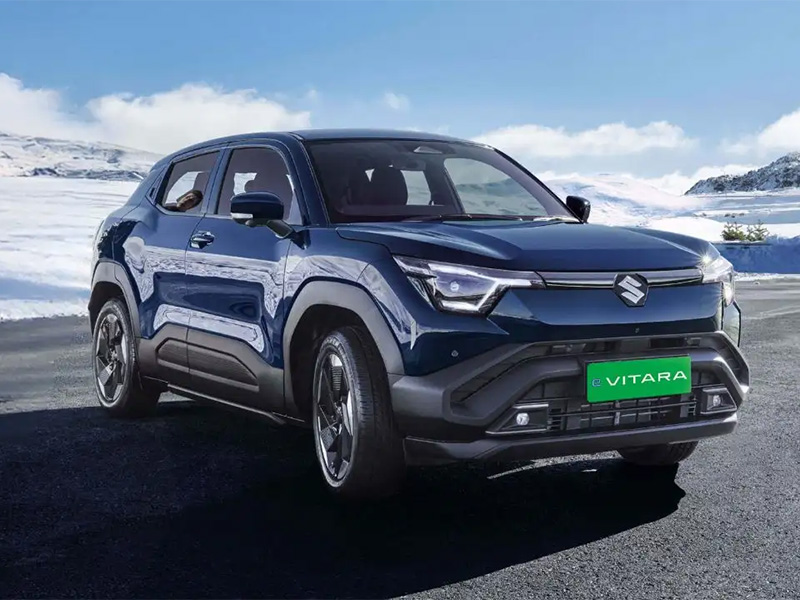
This is due to the fact that the Maruti Suzuki eVitara happens to be one of the most significant upcoming electric SUVs in India since it will be the first electric SUV that Maruti will officially venture into. Maruti has been reputed to produce quality and cost-effective cars for Indian families and the eVitara is likely to continue with the same theme. This SUV, which is being developed in collaboration with Toyota, will have high emphasis on durability, efficiency, and ownership ease. The eVitara will be able to perform urban city driving with ease with the added ability of making highway trips. As Indian consumers have confidence in Maruti as a long-term car ownership and service provider, this future electric SUV can significantly contribute to the adoption in the country.
- Expected Launch 2025 – Maruti is considering launching the eVitara in 2025 when after carrying out the appropriate tests and localisation. Such a cautious attitude demonstrates that the company is not in a hurry to bring the product to the market, but it is concerned with its reliability and long-term performance.
- Expected Price: 18 -25 lakh – The above price bracket places the eVitara between the mid-size electric SUV category. Maruti will likely make it competitively priced such that it is affordable to the family shopper who may want to replace petrol or diesel SUVs.
- Expected Range: 534 km and less – A driving range of over 500km places the eVitara in a position to be used by both urban and long highway commuters. This will alleviate range anxiety, particularly when purchasing an electric vehicle for a first-time shopper.
- Expected Positioning: Practical family electric SUV – The eVitara will emphasize comfort, safety and low maintenance. Together with a varied service network of Maruti, it will be perceived as a safe and rational choice of an electric SUV.
2.2 Tata Sierra EV
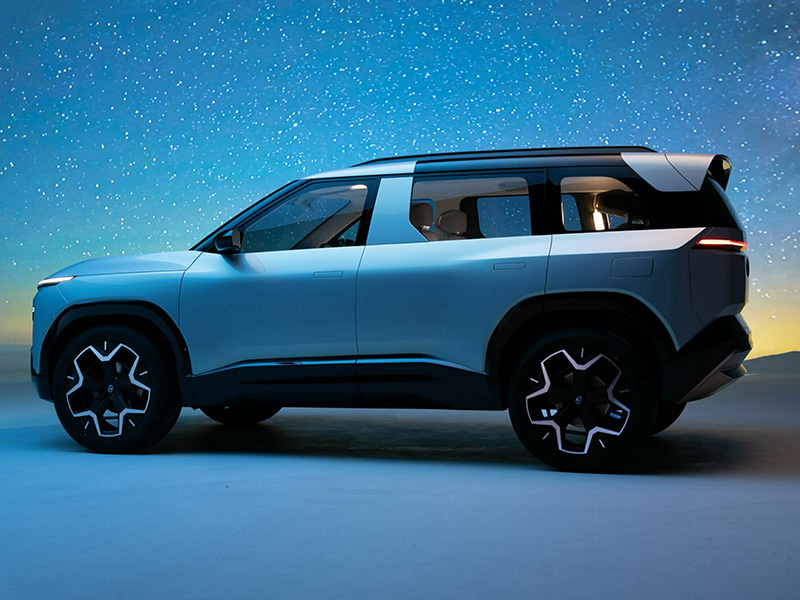
The Tata Sierra EV is a future electric SUV that brings a sense of nostalgia and influences the innovative electric technology. The first Sierra has been recognized because of its differentiated look and Tata intends to revive the same differentiation in a futuristic shape. This electric SUV will focus on comfort, interior space, and high-end touch. Tata has already presented the concept of Sierra EV which received much attention for its design. The production variant will follow this aggressive styling besides being practical in everyday use. The buyers targeted by this model are those who desire an electric SUV that seems to be different and exclusive on the road.
- Expected Launch: 2025-26: Tata is likely to roll out the Sierra EV once the design and features of the EV are production-ready. The schedule implies that Tata is refining the vehicle before starting the launch.
- Expected Price: 22–28 lakh- The prices will position the Sierra EV in the up-market mid-size electric SUV bracket. At this price, buyers would be able to obtain superior interior quality, design, and comfort.
- Expected Focus: Design, comfort, and safety – Sierra EV will have an advantage of having a futuristic appearance alongside providing a large interior and excellent safety, which are synonymous with Tata.
- Expected Audience: Premium lifestyle EV buyers – The target audience is those who do not seek only basic transportation and are interested in having a modern and stylish electric car.
2.3 Hyundai Creta EV / Inster
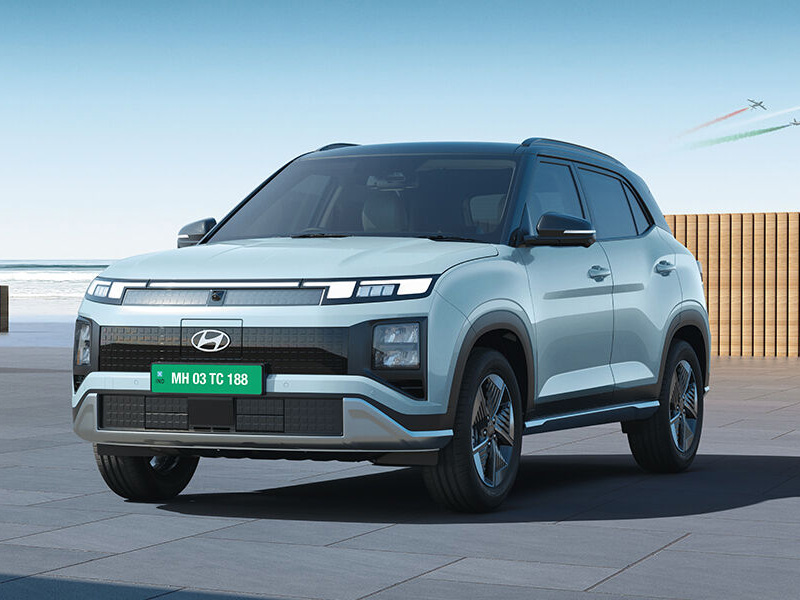
The future Hyundai electric SUV is primarily targeted to the urban segment of the population willing to have an easy, comfortable, and practical electric vehicle. This model, according to the Inster platform, is supposed to be small in size, and as a result, it is easy to drive and park in congested areas in the city. Hyundai is also stressing localisation such as battery production to manage the cost and enhance affordability. The new EV will appeal to the new buyers of electric cars who prefer to have a hassle-free ownership experience with the support of a good service network of Hyundai.
- Expected Launch: 2026 – The expected launch of this electric SUV is in 2026 as the company intends to launch the vehicle in the year 2026 since the company would have properly tested the car in Indian road, traffic, and weather conditions. This is also the gap in time that gives Hyundai the opportunity to focus on battery localisation and charging compatibility. Late entry will help Hyundai evade initial problems and provide a more polished electric SUV experience.
- Expected Price: 15–18 lakh – The price of the Creta EV/Inster is positioned in the category of an affordable electric SUV. Hyundai will likely price it well such that those buyers who are replacing their petrol compact SUVs can take the car into consideration. This cost has the potential to make it appealing to middle-class families and professionals.
- Expected Usage: City and daily commute – The SUV is supposed to be perfect for daily office commuting, school drop-off, shopping and occasional weekend outings. Its size and prospective range will fit the urban driving habits.
- Expected Advantage: Easy ride and easy ownership – Hyundai has the reputation of low maintenance costs, silky engines and comfortable drive. The process here is supposed to be the same way, and owning an EV will be easy and stress-free.
2.4 Mahindra XUV.e8
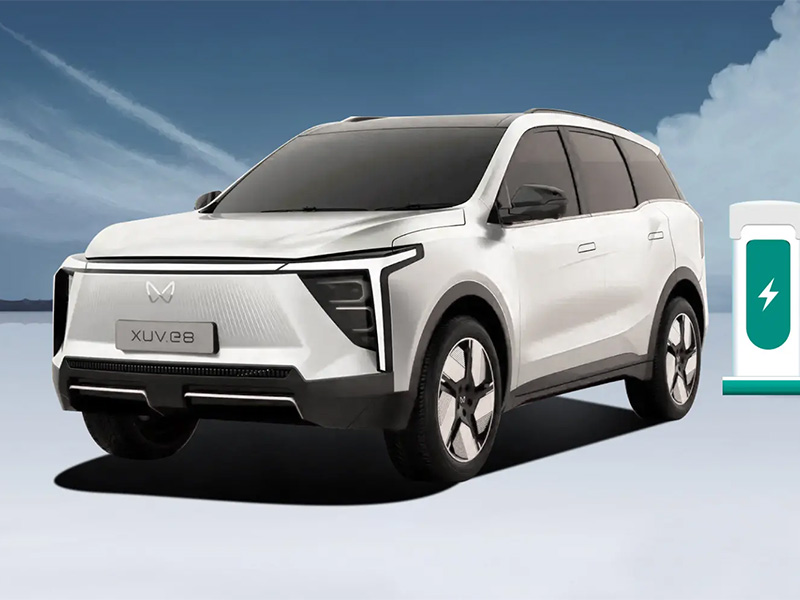
Mahindra XUV.e8 is a proposed high-end electric SUV, which will be based on the XUV700. Mahindra is marketing this model as an electric car that has a lot of technology and performance features. It will be predicted to present powerful acceleration, certain highway action, and brazen presence on the road. This SUV is being designed to target buyers who do not want to sacrifice power or features when buying an electric car. The XUV.e8 will likely be among the electric flagships of the brand as Mahindra starts to pay more attention to the idea of electric mobility.
- Expected Launch: 2025–26 – Mahindra should introduce the XUV.e8 when its electric platform and its manufacturing facilities are complete. With this schedule, Mahindra can work on software, battery performance, and performance. The company also desires this SUV to look mature and high-end when it is launched.
- Expected Price: 25–30 lakh – This price is at the high-end positioning of the XUV.e8 as an electric SUV. Shoppers who will be paying this will demand high performance, quality interiors and advanced technology. Mahindra is positioning this SUV over the mass-market EVs.
- Expected Strength: Performance and technology – It is projected that the XUV.e8 will be able to provide fast acceleration, stable highway driving, and upscale characteristics such as sophisticated driver assistance systems. With electric power, it will be easy to overpower, as well as cruise along the highway.
- Expected Buyer: Premium EV customers – This SUV is targeted at consumers who do not want to lose power, features, or road presence with an electric vehicle.
2.5 Tata Curvv EV
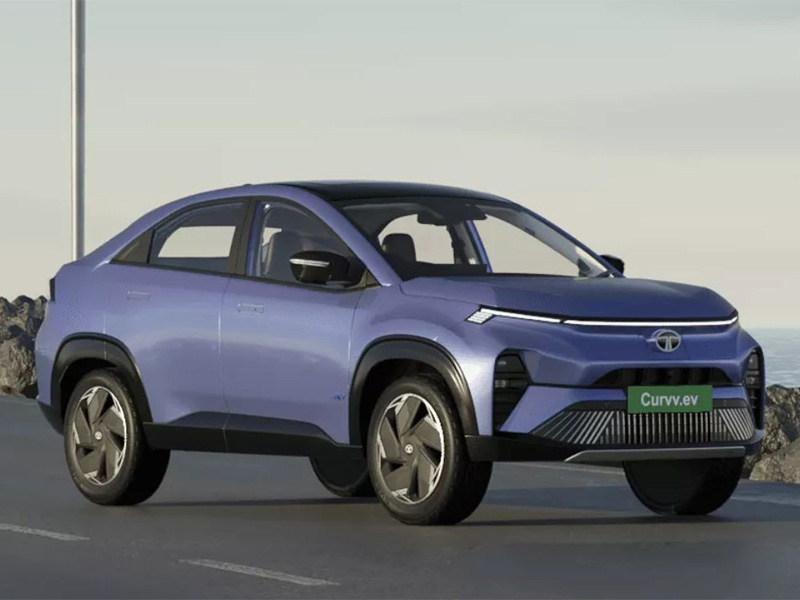
The Tata Curvv EV is a forthcoming SUV-coupe that concentrates on the contemporary look and effective electric driving. The model comes with a sporty appeal and the functionality of daily life to appeal to younger buyers with the Tata. The Curvv EV has already been presented as a prototype, and the manufacturing version is not set to change too much in the design. It stands in the middle between mass-market and premium electric SUVs, and, therefore, it is a moderate option for a variety of customers.
- Expected Launch: 2025 – Tata will probably release the Curvv EV in 2025 once the concept is transformed into an actual production model. The company desires to make sure that there is the fulfillment of the expectation of the customers in terms of design, performance and safety.
- Expected Price: 18–22 lakh – This price will position the Currv EV between cheap and expensive electric SUVs. It renders the vehicle affordable to professionals and families who do not need to get to the luxury market but still desire a stylish EV.
- Expected Distance: 450- 500 km – A distance of about 500 km gives the ability to comfortably use the car on a daily basis as well as making regular highway visits. This is a range that eliminates the necessity of charging regularly and enhances convenience.
- Expected Appeal: Stylish design with usability – The coupe design makes it appealing to the younger generation and the size of the cabin and the size of the boot do not reduce the ability to use it on a daily basis.
2.6 Mahindra XUV 3XO EV
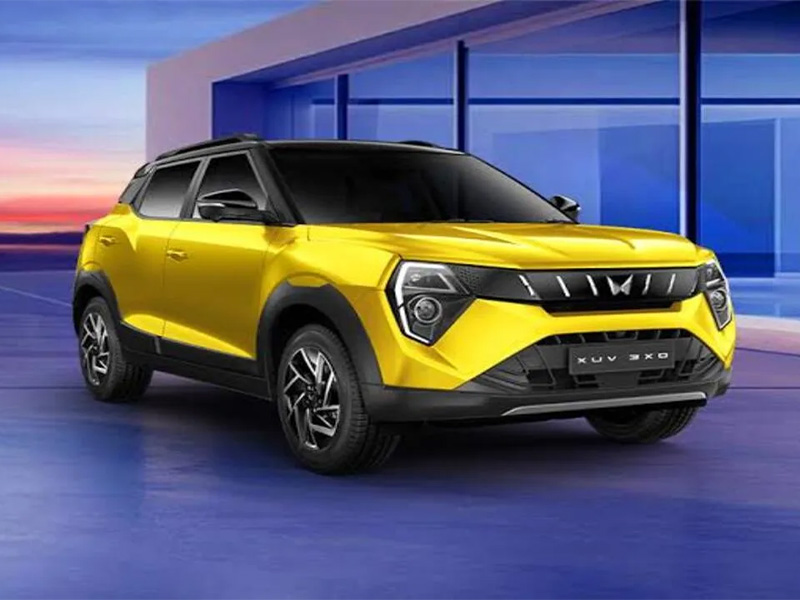
Mahindra XUV 3XO EV is an electric SUV that is designed based on the concept of being affordable and practical, and low cost of ownership. The model is likely to assist in increasing the number of purchasers of electric cars, particularly those with most of their driving in the city. Mahindra will probably retain the design not too complicated, but functional, and easy to live with on a daily basis.
- Expected Launch: 2026 – Mahindra is projected to launch the Mahindra XUV 3XO EV after enlarging its electric line and charging infrastructure. This timing will enable the brand to attack the budget consumers further when the EV awareness increases even more.
- Expected Price: 12–15 lakh – This will render it one of the cheapest future electric SUVs in India. It will be priced for first-time EV buyers and individuals who are replacing small petrol cars.
- Expected Focus: Affordability and low running cost – The SUV will be made to be economical in terms of electricity expenditure and low maintenance costs. This has the effect of saving money for the buyers.
- Expected Use: Daily city driving – It is expected to be most appropriate in the short journeys and office travel as well as in daily city use where charging is not a necessity.
2.7 Mahindra Thar.e
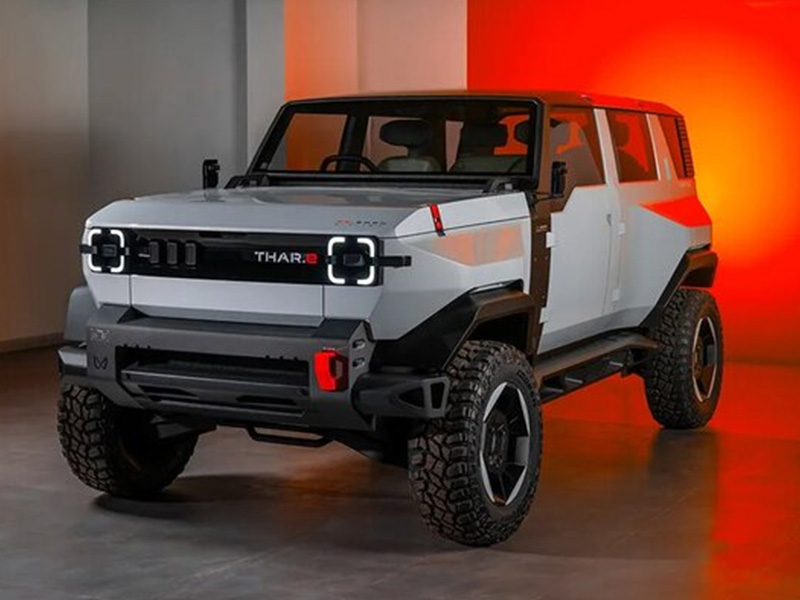
Mahindra Thar.e is a special future product of the electric SUV that is aimed at off-road performance and adventure driving. The Thar.e is being built to be used off-road and in the outdoors unlike most of the electric SUVs that are designed primarily to be used on city roads. Electric motors also offer instant torque which comes in handy in off-road. This model will be a lifestyle car and not a normal family SUV.
- Expected Launch: August 2026 – Mahindra has scheduled a later release of the Thar.e due to the extensive testing that is needed in the electric off-road vehicles. The company desires to have durability and performance prior to launching.
- Expected Price: 25-30 lakh – The price indicates that it is a niche and also it is a specialised off-road car. It is not an EV of the mass market but of a lifestyle.
- Expected Strength: Electric off-road – Electric motors have instant torque that comes in handy in off-road scenarios such as climbing and rough terrain driving.
- Expected Audience: Adventure and lifestyle customers – Thar.e will target people who prefer off-roading, outdoor adventure and possessing a distinct vehicle instead of commuting in the city.
2.8 Kia Syros EV
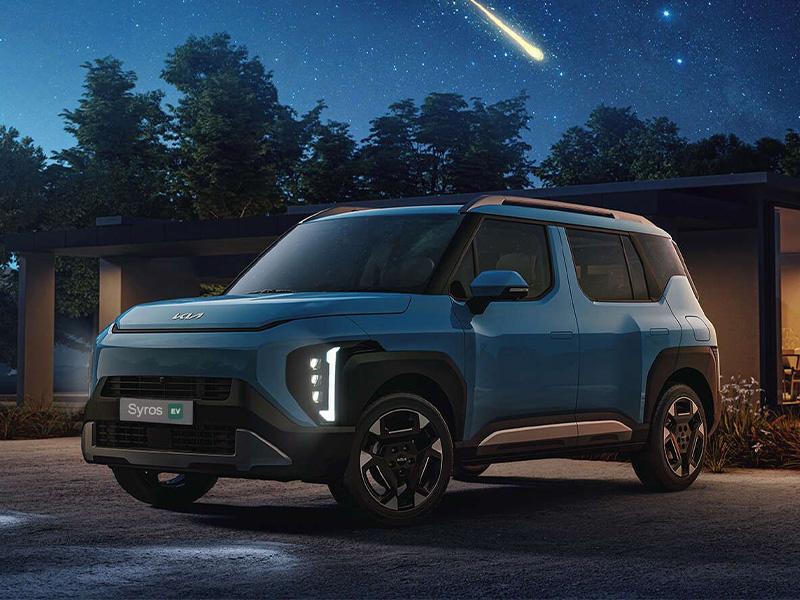
Kia Syros EV is a proposed mid-size electric SUV that is aimed at comfort, refinement, and high-quality interiors. Kia has been characterized by providing cabin-rich features and this model is likely to follow the same. Syros EV is a family car that is an electric SUV that can be used to drive around the city and make longer trips.
- Expected Launch: Early 2026 – Kia is likely to roll out the Syros EV once it has reinforced its electric vehicle plan in India. This time will enable Kia to emphasize charging alliances and localisation.
- Expected Price: 20-25 lakh – This price puts the car in the mid-sized luxury electric SUV market. The pricing range in this group of buyers would typically seek comfort, features, and brand value.
- Expected Focus: Comfort and high-end feel – The Syros EV will be projected to provide a quiet interior, comfortable suspension, and high-end interior material, which will make long journeys an enjoyable experience.
- Expected Buyer: Family-conscious EV consumers – This SUV targets those families that are interested in a smaller, high-end, and tech-savvy electric automobile that is comfortable in the city and on the highway.
Conclusion:
When deciding to buy an electric SUV today, it is not about trendiness but rather it is a long-term investment. The customers ought to concentrate on the way the car fits into their lifestyles, convenience in charging, actual range of driving, and after-sales service. City customers might be interested in smaller and cheaper models whereas highway or lifestyle consumers will need a more extended range and powerful performance. As the source of trusted brands comes into the market and the charging network gets better, electric SUVs will become a viable choice, instead of a risky one. When you have time to fit your budget, driving behavior and expectations, chances are that you will end up with an electric SUV that will feel comfortable, reliable and worthwhile over the many years ahead.
FAQ’s
1. What is the next electric SUV in India in the year 2026?
A number of electric SUVs are planned to be released in India in 2026. They are Hyundai Creta EV or Inster, Mahindra XUV.e8, Mahindra XUV 3XO EV and Kia Syros EV. These models will provide the city driving, family use, and premium features alternatives and provide the buyers with more options in the electric SUV market.
2. What will be the next cars in India in 2025 that are electric cars?
The Maruti Suzuki eVitara and Tata Curvv EV are some of the major electric cars that will be available in India in 2025. These are models that are set to introduce good battery range, workable features and low cost of ownership. They will target families and everyday drivers seeking a good and effective electric car.
3. What cars are coming in 2026?
There are a lot of new electric cars that are predicted in India in 2026. This year may be the release of the Hyundai Creta EV/Inster, Mahindra XUV.e8, Mahindra XUV 3XO EV, Mahindra Thar.e, and Kia Syros EV. These are the regular usage everyday cars, highway cars, off-road play cars, and high-end comfort cars.
4. What will be the next SUV to be released in India in 2025?
The Maruti Suzuki eVitara and Tata Curvv EV are some of the new SUVs that are set to hit the Indian market in 2025. Both electric SUVs have designs and features that are useful and modern. They appeal to the family users, day-to-day drivers and the group that desires a good electric SUV that is powerful in battery range, and has low running costs.
5. Which electric car to buy in 2025?
The Maruti Suzuki eVitara and Tata Curvv EV should be considered as good electric cars in 2025. The eVitara is projected to be an efficient and trustworthy family SUV whereas the Curvv EV will feature an entrepreneurial and contemporary appearance with a decent range. They both would be able to run with low costs and would have good dealer support.


