






Once upon a time, Tata Motors and companies under it were the underdogs. The brand that gave us the Indica. The Nano. Cars that sold on practicality, not desirability. But somewhere along the way—probably around the time the Harrier showed up—Tata flipped the script. It wasn’t just about mileage and ruggedness anymore. It was about presence. Technology. Safety. A little bit of style.
Now? Tata isn’t just launching cars; it’s changing the way Indians buy cars. Electric? Leading the pack. SUVs? Some of the most trusted on the road. Even the old-school petrol and diesel buyers? Tata has them covered.
Why This Blog? Why Now?
Because if you’re in the market for a new Tata, this is the most exciting time to be looking. Tata is about to drop some of its most ambitious models yet—from the all-electric Sierra to the turbocharged Curvv, from a rugged Harrier EV to a budget-friendly Punch EV. It’s an all-out assault on every segment.
We’re not just listing cars here. We’re breaking it down. What’s worth waiting for? What’s hype? What will actually change the game?
Buckle up. Tata’s new car launches are coming, and we’re dissecting every single one of them.
You Should Read This: Ratan Tata’s Legacy: A Visionary’s Journey
2. The Complete List of Upcoming Tata Cars (2025-2026)
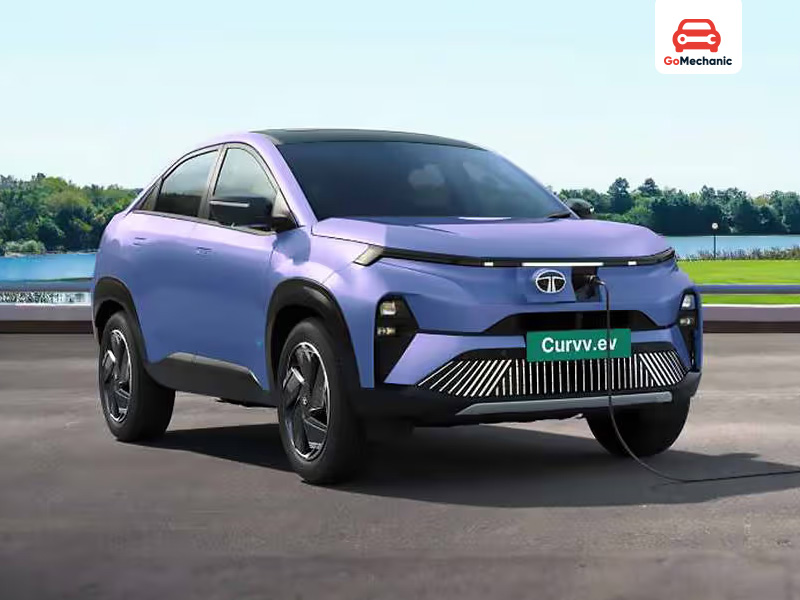
Tata isn’t just launching new cars. It’s launching a strategy. A mix of EVs, ICE SUVs, and CNG options, all aimed at capturing every type of car buyer in India.
Some models are already confirmed. Others? Rumored, leaked, or hinted at by Tata executives in interviews where they “accidentally” reveal too much.
Here’s what’s coming.
2.1 Confirmed Tata New Car Launches
Tata has officially announced these models or showcased them as near-production concepts.
| Model | Segment | Powertrain | Expected Price | Launch Timeline |
| Tata Punch EV | Micro-SUV | Electric (Ziptron) | ₹10-13 lakh | Early 2025 |
| Tata Curvv ICE | Mid-Size SUV (Creta Rival) | Turbo Petrol, Diesel | ₹12-20 lakh | Mid-2025 |
| Tata Curvv EV | Mid-Size Coupe SUV | Electric (Gen 2) | ₹18-25 lakh | Late 2025 |
| Tata Harrier EV | Premium SUV | Electric AWD | ₹30-35 lakh | Late 2024-Early 2025 |
| Tata Safari EV | Premium 7-Seater SUV | Electric AWD | ₹32-37 lakh | Early 2025 |
| Tata Sierra EV | Lifestyle SUV | Electric (Gen 2) | ₹25-30 lakh | 2025 |
| Tata Sierra ICE | Lifestyle SUV | Turbo Petrol | ₹22-25 lakh | 2025 |
| Tata Altroz EV | Premium Hatchback | Electric (Ziptron) | ₹12-14 lakh | 2024-End |
| Tata Nexon CNG | Compact SUV | Petrol + CNG | ₹9-11 lakh | Early 2025 |
| Tata Avinya | Luxury EV | Electric (GEN 3) | ₹30-40 lakh | 2026 |
2.2 Rumored & Highly Anticipated Models
These are models that Tata has not officially confirmed, but multiple leaks, testing sightings, and insider reports suggest they are coming.
| Model | Segment | Expected Price | Launch Possibility |
| Tata Blackbird | Mid-Size SUV (Between Nexon & Harrier) | ₹12-18 lakh | Highly Rumored (2025?) |
| Tata Tiago CNG AMT | Budget Hatchback (Auto CNG) | ₹7-8 lakh | Likely (2024-End) |
| Tata Tigor CNG AMT | Compact Sedan (Auto CNG) | ₹8-9 lakh | Likely (2024-End) |
2.3 What This Lineup Tells Us About Tata’s Strategy
- Tata is pushing EVs HARD. Almost half the upcoming cars are electric, covering affordable, premium, and luxury segments.
- CNG is coming to SUVs. Nexon CNG will be a game-changer in fuel efficiency-focused buyers who want an SUV.
- Lifestyle SUVs are the next big thing. Sierra is not just an SUV; it’s Tata’s first proper lifestyle vehicle aimed at Thar/Jimny buyers.
- Tata wants to take on Hyundai & Kia in every segment. Curvv is a direct Creta/Seltos rival, while Harrier & Safari petrol options aim at Hyundai Tucson & MG Hector buyers.
Tata’s new car upcoming strategy is clear—dominate SUVs, lead in EVs, and secure alternative fuel markets before anyone else.
3. Breaking Down Tata’s Upcoming Cars: What’s Actually Worth Your Attention?
Tata isn’t playing it safe. It’s moving like a chess master who knows where every piece should be three moves ahead. Some launches are expected. Some? Straight-up curveballs. Let’s cut the fluff and look at what actually matters.
3.1 The Budget Crowd: Small, Smart, & City-Savvy
Not everyone wants a car that turns heads. Some just want something that won’t break the bank and sips fuel like a monk on a fast. Here’s what Tata has for the practical folks:
Tata Punch EV – The Nexon EV’s Little Brother
- Why it matters: EVs are expensive, but the company wants Tata Punch to be the first “affordable” electric SUV.
- What to expect: 300-350 km range, Ziptron tech, Nexon EV-like design.
- Who should care? Daily city drivers who want to cut fuel costs without dealing with an e-rickshaw’s range anxiety.
Tata Altroz EV – The Premium Hatch with an Electric Soul
- Why it matters: If you love the Altroz but hate the fuel bills, here’s your fix.
- What to expect: ~350 km range, same stunning design, better tech.
- Who should care? Hatchback buyers who want to go electric without jumping to a Tata Nexon EV.
Tata Nexon CNG – The Middle Ground Between Petrol & EVs
- Why it matters: CNG is cheaper than petrol, but no one wants to drive a taxi. Tata’s giving CNG an SUV facelift.
- What to expect: Dual-cylinder tech (so boot space isn’t a joke), AMT options.
- Who should care? Buyers who want Nexon features but refuse to burn a hole in their wallet every time they refuel.
3.2 The SUV Warzone: Where Tata Is Going for Blood
Tata owns the under ₹30L SUV space, but it’s not satisfied. It wants every segment under its grip. The competition? Hyundai, Kia, Mahindra, Volkswagen. The plan? Hit them from every side.
Tata Curvv – The SUV That Wants to Be a Coupe
- Why it matters: The Creta & Seltos finally get a proper challenger, but with a sportier, coupe-like look.
- What to expect: A 1.2L Turbo Petrol & a 1.5L Diesel, futuristic dashboard, killer road presence.
- Who should care? Anyone eyeing a Creta but wants something different.
Fair Fight? Tata Curvv EV v/s Mahindra XUV 400
Tata Harrier Petrol – Because Not Everyone Loves Diesel
- Why it matters: Harrier has always been a diesel-only beast. Tata finally gives it a petrol heart to keep up with the competition.
- What to expect: Turbo-petrol with 170+ PS, better refinement, and no DEF headaches.
- Who should care? People who love the Harrier but don’t want the baggage of a diesel ban in 10 years.
Tata Blackbird (Rumored) – The Missing Link Between Nexon & Harrier
- Why it matters: There’s a ₹5-7 lakh gap between the Nexon and Harrier. Hyundai’s Creta thrives in that gap. Tata wants a slice of it.
- What to expect: A size closer to the Creta, a price below the Harrier, and possibly both petrol & diesel options.
- Who should care? Buyers who want a larger, more premium alternative to Nexon but don’t want to stretch to ₹20L for a Harrier.
3.3 The Future-Proofed Big Boys: EVs & Lifestyle SUVs
Now comes the fun part. The cars that push boundaries and make people stop and stare. Tata is betting big on electric, adventure-focused SUVs, and luxury tech.
Tata Harrier EV & Safari EV – The Diesel Killers
- Why they matter: EVs are still a rich man’s game. Tata wants to change that by offering big, full-sized electric SUVs at prices Mahindra & Hyundai can’t match.
- What to expect: 400+ km range, AWD setup, futuristic interiors.
- Who should care? Long-term buyers who don’t want to deal with fuel prices anymore.
Tata Sierra EV – The Legend Reborn
- Why it matters: The most iconic Tata nameplate returns, and it’s electric.
- What to expect: AWD option, 500+ km range, design straight out of a concept sketch.
- Who should care? Buyers looking for Thar-level attention but with modern tech.
Tata Avinya – The Future Wrapped in a Car
- Why it matters: Tata isn’t just making EVs anymore—it’s building tech-driven, next-gen luxury cars.
- What to expect: 500+ km range, ultra-fast charging, minimalist luxury interiors.
- Who should care? The early adopters. The buyers who don’t want a Tesla but want something just as cool.
3.4 What This Means for You as a Buyer
Waiting for a new Tata? Here’s what you should do:
- If you want an EV under ₹15L → Wait for Punch EV or Altroz EV.
- If you want a Creta rival → Hold out for Tata Curvv.
- If you want a big SUV but hate diesel → Harrier Petrol or Harrier EV is your answer.
- If you want to be part of Tata’s future luxury game → Avinya or Sierra EV is where you put your money.
Tata is future-proofing itself faster than any other Indian car brand. The next 2 years? Absolute chaos in the market. And if Tata gets these launches right, Hyundai, Kia, and Mahindra will have serious problems.
4. Tata’s Electric Future: The EV Lineup Expansion
Tata isn’t “testing” the EV market anymore. It’s building it. While others are still figuring out if India even wants EVs, Tata is pushing out one electric model after another. Nexon EV, Tigor EV, Tiago EV—each one selling like samosas in the rain.
But that was just Phase 1—the easy stuff. Phase 2? That’s where Tata takes bigger risks and bigger leaps.
4.1 Tata’s EV Roadmap: What’s Coming and When?
Tata isn’t launching just one EV—it’s building an entire ecosystem around them. Bigger batteries, AWD systems, faster charging, and luxury interiors.
Here’s how Tata’s EV lineup will unfold:
| Model | Segment | Range (Expected) | Expected Price | Launch Timeline |
| Tata Punch EV | Compact SUV | 300-350 km | ₹10-13 lakh | Early 2025 |
| Tata Altroz EV | Premium Hatch | 350-400 km | ₹12-14 lakh | 2024-End |
| Tata Curvv EV | Coupe SUV | 400+ km | ₹18-25 lakh | Late 2025 |
| Tata Harrier EV | Premium SUV | 400+ km | ₹30-35 lakh | Late 2024 |
| Tata Safari EV | 7-Seater SUV | 400+ km | ₹32-37 lakh | Early 2025 |
| Tata Sierra EV | Lifestyle SUV | 450-500 km | ₹25-30 lakh | 2025 |
| Tata Avinya | Luxury EV | 500+ km | ₹30-40 lakh | 2026 |
4.2 Why Tata’s EV Strategy is Smarter Than Others
Battery Strategy: Tata isn’t using random Chinese batteries like some brands. It’s investing in Indian-made battery tech, which means lower costs and fewer import headaches.
Charging Network: Tata owns Tata Power—which means it can build fast chargers at a pace no other car company can match.
Performance & AWD: Harrier EV and Safari EV won’t just be eco-friendly grocery-getters. Tata is working on AWD setups, meaning these SUVs could be India’s first mainstream 4×4 EVs.
Cost Control: Unlike Mahindra or Hyundai, Tata already has a mass-market EV supply chain running. It can keep prices lower while adding new features.
4.3 Tata EVs vs. the Competition – Who Should Be Worried?
| Upcoming Tata EV | Direct Competitors | Why Tata Has the Edge |
| Punch EV | Citroën eC3 | Bigger range, wider service network |
| Curvv EV | Hyundai Creta EV, Kia EV4 | Coupe styling, proven battery tech |
| Harrier EV | Mahindra XUV.e8 | AWD capability, early launch advantage |
| Sierra EV | Hyundai Ioniq 5, BYD Atto 3 | Nostalgia factor, better pricing |
| Avinya | Kia EV6, BMW iX1 | Lower price, higher range |
Who should be worried?
- Mahindra – XUV.e8 is still a concept, while Harrier EV is nearly ready.
- Hyundai & Kia – They’re still importing EVs, while Tata is building them locally.
- BYD & MG – They can’t match Tata’s charging network & resale value.
4.4 The EV Ownership Reality: Should You Buy a Tata EV?
EVs aren’t for everyone. Yet. But if you fall into these categories, it might be time to switch:
✔ City drivers: If 90% of your driving is within the city, go EV. Petrol bills will start feeling like daylight robbery soon.
✔ Daily commuters: If you drive 50+ km daily, an EV saves ₹5,000-10,000 per month on fuel alone.
✔ Early adopters: If you want to experience the future of Indian cars before everyone else, Sierra EV or Avinya is your ticket.
But, if you do long road trips often and don’t have easy access to chargers yet? Maybe wait for another 2 years. Tata’s fast-charging network is expanding, but it’s not everywhere yet.
5. Upcoming Tata Cars vs. Rivals: Who Should Be Nervous?
Tata isn’t launching cars in empty spaces—every new model is stepping into someone else’s turf. Hyundai, Kia, Mahindra, Maruti—they all have something to lose.
Let’s get straight to it.
5.1 Punch EV vs. Citroën eC3: The Battle of Affordable EVs
Why It Matters:
Affordable EVs aren’t luxury toys—they’re the future of city driving. Citroën eC3 got a head start, but Punch EV is coming for its lunch money.
| Feature | Tata Punch EV | Citroën eC3 |
| Range | ~320 km | 320 km |
| Battery | ~30 kWh | 29.2 kWh |
| Charging Time | 0-80% in ~50 mins | 0-80% in ~57 mins |
| Features | Larger infotainment, ADAS (rumored) | Barebones interior |
| Expected Price | ₹10-13 lakh | ₹11.50-12.75 lakh |
Who wins? Punch EV—if Tata prices it aggressively and loads it with features. eC3 still lacks fast-charging support at many places.
5.2 Curvv vs. Creta & Seltos: Can Tata Crack the ₹20L SUV Club?
Why It Matters:
Creta & Seltos own the ₹12-20L SUV space. No one—not Maruti, not VW, not MG—has truly challenged them. But Tata? Curvv is coming in hot.
| Feature | Tata Curvv | Hyundai Creta / Kia Seltos |
| Body Style | Coupe-SUV | Traditional SUV |
| Engine Options | 1.2L Turbo Petrol, 1.5L Diesel | 1.5L Petrol, 1.5L Diesel |
| Tech & Features | Likely ADAS, ventilated seats, large display | ADAS, ventilated seats |
| Expected Price | ₹12-20 lakh | ₹11-20 lakh |
Who wins? Creta & Seltos have a head start, but if Tata nails the styling, tech, and drive feel, Curvv could steal urban SUV buyers looking for something fresher.
Related, Top 5 Pros And Cons Of Tata Curvv
5.3 Harrier & Safari Petrol vs. XUV700 Petrol
Why It Matters:
Harrier & Safari only had diesel till now. Mahindra cashed in on petrol XUV700 buyers. Tata is coming for them.
| Feature | Tata Harrier Petrol | Mahindra XUV700 Petrol |
| Engine | 1.5L Turbo Petrol (expected ~170 PS) | 2.0L Turbo Petrol (200 PS) |
| Fuel Efficiency | ~13-14 km/l (expected) | ~12 km/l |
| Transmission | Manual, Automatic | Manual, Automatic |
| Features | ADAS, JBL sound system, large touchscreen | ADAS, Sony sound system, digital cluster |
| Expected Price | ₹18-22 lakh | ₹16.5-26 lakh |
Who wins? XUV700 still has the power edge, but Tata’s reliability & safety-conscious buyers might stick with Harrier/Safari.
5.4 Harrier & Safari EV vs. XUV.e8: Who Will Dominate Electric SUVs?
Why It Matters:
Mahindra’s XUV.e8 is still a prototype—Tata is already road-testing the Harrier EV. This is India’s first true battle of electric SUVs.
| Feature | Tata Harrier EV | Mahindra XUV.e8 |
| Platform | Modified OMEGA-Arc | Born-EV Platform |
| Range | 400-450 km | ~450 km |
| AWD? | Yes | Yes |
| Launch Timeline | Late 2024 | Late 2024 / Early 2025 |
| Expected Price | ₹30-35 lakh | ₹30-35 lakh |
Who wins? Whichever launches first. Right now, Tata looks ahead in execution, but Mahindra’s ‘born electric’ strategy could impress.
5.5 Sierra EV vs. Thar 5-Door: Who Wins the Lifestyle SUV Game?
Why It Matters:
Thar owns the off-road lifestyle space. But what if there was a more premium, futuristic alternative? Sierra EV wants to be that car.
| Feature | Tata Sierra EV | Mahindra Thar 5-Door |
| Powertrain | Fully Electric | 2.0L Turbo Petrol / 2.2L Diesel |
| Range / Mileage | ~450 km (expected) | ~12-15 km/l (petrol) |
| Tech & Comfort | Futuristic cabin, digital displays | Classic rugged interiors |
| AWD? | Yes (expected) | Yes |
| Expected Price | ₹25-30 lakh | ₹18-22 lakh |
Who wins? Two completely different buyers. If you want modern, premium, & electric, go Sierra EV. If you want raw adventure, go Thar 5-door.
6. Tata’s Powertrain Strategy: EV, CNG, Petrol & Diesel – Covering All Bases
Tata isn’t just throwing new cars into the market—it’s future-proofing itself in every fuel segment. While other brands are dropping diesel, hesitating with CNG, or lagging behind in EVs, Tata is doing everything at once.
Here’s the game plan:
6.1 Diesel: Holding the Fort While Others Run Away
Most carmakers are ditching diesel—Maruti, Honda, even Volkswagen. But Tata? Still standing strong.
Who’s still getting a diesel engine?
- Harrier Diesel (2025 facelift)
- Safari Diesel (2025 facelift)
- Curvv Diesel (likely in lower trims)
Why this matters:
- Diesel still rules for long-distance highway drivers & SUV buyers.
- Resale value stays high in non-Delhi NCR markets.
- Tata’s 1.5L and 2.0L diesel engines are well-proven (no major reliability issues).
The catch?
- Delhi NCR’s 10-year diesel ban means resale value could be a problem.
- BS7 emission norms might increase diesel car costs further.
6.2 Petrol: The Turbo Era Begins
Tata always lagged behind in turbo-petrol engines. That’s changing fast.
New turbo-petrol engines coming:
- 1.2L Turbo Petrol (Curvv, Nexon, Altroz Racer) → More power than before.
- 1.5L Turbo Petrol (Harrier, Safari, Sierra ICE) → First time Harrier/Safari get a petrol option.
Why this matters:
- Petrol is still the safest fuel choice (no diesel bans, no charging issues).
- Tata is finally challenging Hyundai-Kia & Mahindra’s powerful petrol engines.
- Harrier/Safari will now compete properly against XUV700 Petrol & Hector Petrol.
The catch?
- Tata’s petrol engines haven’t been as refined as Hyundai/Kia’s. The new ones need to prove themselves.
6.3 CNG: Not Just for Hatchbacks Anymore
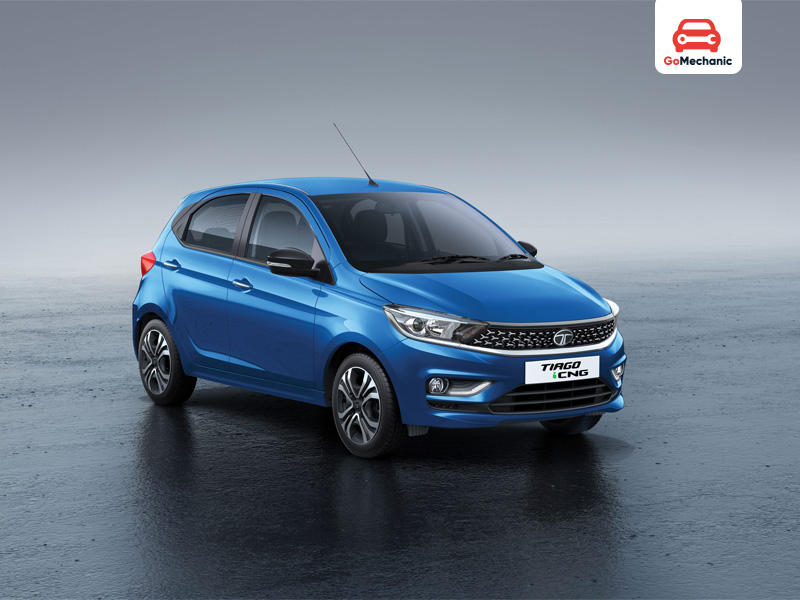
CNG is cheap fuel with a catch—low power. But Tata is pushing it beyond hatchbacks.
Tata’s CNG expansion plan:
- Nexon CNG (Upcoming) → First mainstream SUV in India with CNG.
- Tiago CNG AMT & Tigor CNG AMT → No more manual gearbox hassle.
- Altroz CNG (Now Available) → CNG in a premium hatchback.
Why this matters:
- Rising petrol prices make CNG a smarter option.
- CNG in SUVs = better fuel economy without EV headaches.
- Maruti is struggling with CNG SUVs, so Tata can take an early lead.
The catch?
- CNG power is still lower than petrol. It’s great for city driving, not for highways.
- Limited CNG fuel stations in smaller cities.
This is related, Best CNG Cars In India: Companions in Chaos
6.4 EVs: Tata’s All-Out Attack on the Future
Tata owns the Indian EV market right now. Nexon EV, Tiago EV, Tigor EV—they sell more than all other EV brands combined.
Upcoming Tata EVs:
- Punch EV → Affordable city SUV EV.
- Curvv EV → A direct rival to Hyundai Creta EV.
- Harrier EV & Safari EV → First big-sized EV SUVs from Tata.
- Sierra EV → Lifestyle electric SUV for premium buyers.
- Avinya → A luxury electric car with a 500 km range.
Why this matters:
- Tata has the largest EV charging network (via Tata Power).
- Lower battery costs because Tata builds EVs in India, unlike Hyundai/Kia.
- Tata is leading EV adoption while Maruti & Hyundai are still playing catch-up.
The catch?
- EV charging infrastructure isn’t perfect yet. Fast chargers are still limited.
- Higher upfront cost compared to petrol & diesel cars.
This is fun, 5 Upcoming Desi Electric Vehicles In India
6.5 The Tata Powertrain Strategy—Who Wins?
| Fuel Type | Who Should Buy It? | Tata’s Edge Over Rivals |
| Diesel | Long-distance highway drivers, people in non-Delhi NCR regions | Still available in SUVs, while Maruti & Honda have abandoned diesel |
| Turbo-Petrol | Enthusiasts who want more power, city & highway drivers | Harrier & Safari now compete properly against XUV700 Petrol |
| CNG | Cost-conscious buyers, city users | Nexon CNG will be India’s first CNG SUV |
| Electric (EV) | Future-proof buyers, urban users | Tata dominates EV sales & has the strongest charging network |
Tata’s strategy is simple but deadly:
- Short-term: Keep diesel alive, expand petrol options, push CNG into SUVs.
- Long-term: Take over the EV space before Mahindra & Hyundai can react.
7. Conclusion: The Road Ahead for Tata’s Upcoming Cars
Tata isn’t just launching new cars—it’s rewriting the entire rulebook of the Indian car market.
Other brands? They’re playing catch-up. Hyundai and Kia are doubling down on petrol. Mahindra is betting on electric but still in concept mode. Maruti? Still stuck in the “kitna deti hai” era.
Tata? It’s moving in every direction at once.
EVs? Punch EV, Curvv EV, Harrier EV, Sierra EV, Avinya—every segment covered.
SUV dominance? Curvv to challenge Creta, Harrier Petrol to take on XUV700, Blackbird (if real) to attack Hyundai.
Fuel flexibility? CNG in SUVs, turbo-petrol for enthusiasts, diesel for the long-haul crowd.
If Tata executes this lineup properly, 2025-26 will be the years it overtakes Hyundai as India’s No.2 carmaker.


