






While driving your bike, after pulling the clutch, you must be curious about what is going on inside it, so that it starts working. You must have come with these words called slipper or wet multiple clutches. And if you don’t know what it means, then you are not alone. We are here to tell you everything about these two and how they affect the riding of a bike. Whether you are buying your initial motorcycle, changing to a better one. Or if you simply want to understand how it works, understanding the clutch system can help you become a safer and more informed rider. In this guide, we will explain them very simply and also everything related to it. You will find out what they are, how they function, and which works best for you, depending on your style. We will steer clear of complex terms and provide clear, simple, and truly useful information
What is a Clutch and Why Is It Important?
Every motorcycle, from the tiniest cruiser to the mightiest sports bike, requires a clutch if it’s to be operable. This is because the clutch is a fundamental component of any motorcycle. Simply if we say it is a bridge that connects the rear wheel to the engine. The primary role of this,is to permit the engine to deliver power. It also helps the torque that will propel the motorcycle forward. The clutch also needs to change gears smoothly and efficiently without stopping the motorcycle, which is another vital function it performs.
How It Works
By pulling the clutch lever, the flow of power to the rear wheel is temporarily cut. This makes it possible to change gears in such way that does not damage the transmission or cause a sudden forward jerk of the motorcycle. When you release the clutch lever after a new gear has been selected, the flow of power to the rear wheel is resumed and the motorcycle continues to glide in the new gear. The outcome of not having a proper clutch is shown while you are riding in the rough, loud, and gear-shifting-up-and-down, which causes damage to the engine and gearbox. For the efficient functioning of the machine, the clutch is the most vital part that ensures smooth and safe riding.
What is a Slipper Clutch?
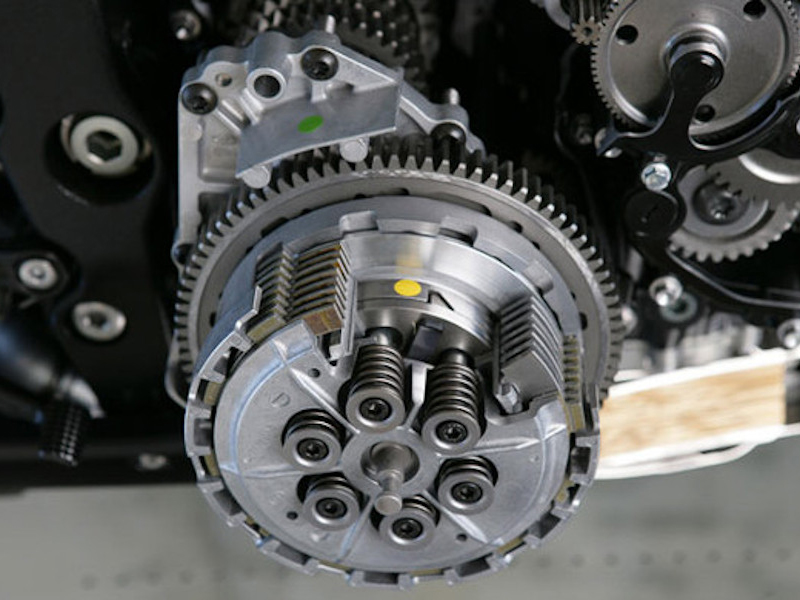
A slipper clutch is a unique type of clutch that mainly resides in sports bikes and high-performance motorcycles. Slipper clutches are also known as back-torque limiting clutches. They are used to help riders keep themselves safe and in control while they are riding fast most especially during rapid downshifting. When you are riding fast (say, around a track) and you immediately shift down to a lower gear without considering the release of drivetrain stress because of the lower engine RPM, the rear wheel can begin to act unpredictably. Quite frankly, it can skip, lock, or skid across the track. This is a serious concern for fast riding especially when cornering or sharp turns. A slipper clutch helps prevent this and allows the rider to have a smooth experience while riding at a higher performance level.
How It Works
Slipper clutches only engage and do not disengage. If, when downshifting gears, the force produced when the rear wheel is traveling faster than the engine RPM produces some excess applied force from the rear wheel (this is known as back-torque) causing the slipper clutch to partially slip. When that occurs the slipper clutch reduces the applied pressure between the plates in the engine on its own to allow the two components to match their speed more smoothly. This reduces the risk of the rear wheel locking, and also prevents jerky bike movements and maintaining stability and balance, even at speed or aggressive riding. This is an excellent feature of any bike for the riders who like to ride fast downhill, racing or aggressive tight cornering.
Also read about: A deep dive into Dual Clutch Transmissions
What is a Wet Multiplate Clutch?
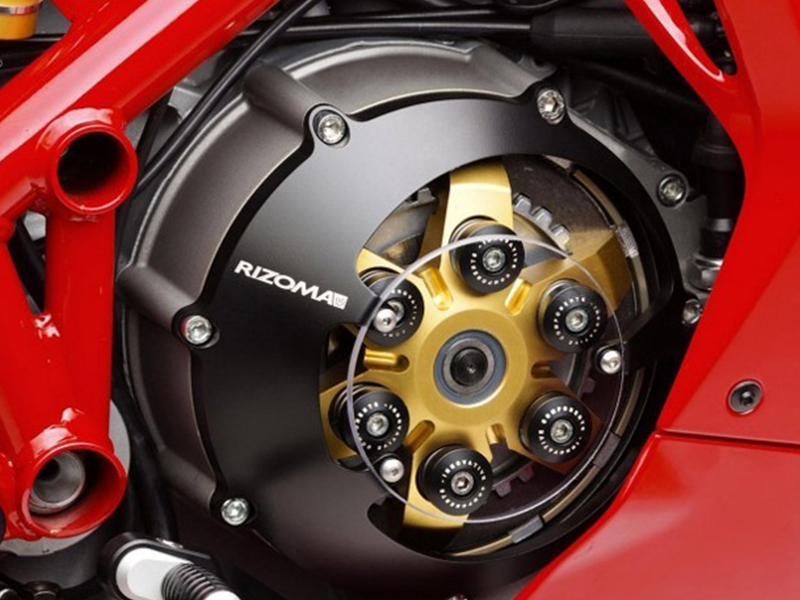
A wet multiplate clutch is the most popular type of clutch installed on motorcycles worldwide. Wet clutches are found on commuter bikes, entry-level sportbikes, and scooters too. Wet multiplate clutches are also reliable, simple, and long-lasting—great features for day-to-day riding. The namesake of the clutch indicates how it operates: Well, to make it easy for you to understand. The word “Wet” means the clutch is bathed in oil, which provides cooling to it.And the word “Multiplate” means there are several friction plates clamped together, this means better power transfer.This system lends itself to day-to-day use, by focusing on the rider’s comfort, durability, and low maintenance needs.
How It Works
Whenever you let the clutch lever go the friction plates inside the clutch mesh together.That’s the engine’s power being sent to the rear wheel, enabling the bike to move forward. Now, picture what happens when you pull the clutch lever—the friction plates separate, and the engine powers have pause. This mechanism allows the rider to notch up or down the gears with lubrication and without stopping vehicle’s momentum, reducing strain. The oil bath of a wet clutch provides a lot of cooling, reduces friction. It wear less in comparison with a dry clutch. Therefore, wet clutches are easier to maintain and last longer with general riding.
Wet Multiplate vs Slipper Clutch: Key Differences
Let’s now directly compare wet multiplate vs slipper clutch systems so you can easily understand which suits you better.
| Feature | Wet Multiplate Clutch | Slipper Clutch |
| Purpose | General gear shifting | Prevents rear wheel lock during downshifts |
| Found in | Regular and commuter bikes | Sport bikes and racing motorcycles |
| Cooling System | Immersed in oil | Can be wet or dry |
| Downshift Safety | No special protection | Reduces engine braking and avoids wheel skid |
| Cost | Lower | Higher |
| Maintenance | Less frequent | May require more upkeep |
| Best For | Daily use and city riding | High-speed or aggressive riding |
When Should You Choose One Over the Other?
Choosing the right clutch can actually improve your riding experience and even affect your safety.
Choose A Wet Multiplate Clutch If:
- You are a daily rider or urban commuter.
- You are looking for low maintenance costs.
- You do not ride aggressively or racing style.
- You want reliability and durability in everyday use.
Wet multiplate clutches are strong, inexpensive, and good for the beginner or everyday rider.
Choose Slipper Clutch If:
- You ride a sport bike or superbike.
- You appreciate track racing or a fast ride.
- You often downshift at high RPM.
- You want better and smoother control and safety during sudden braking.
Slipper clutches are great for the rider who pushes a bike very hard and needs further control and safety at high speeds.
Must read: The Impact of Driving Styles on Clutch Wear
Common Misconceptions
Let’s clear up some of the confusion around these two clutch types:
- Slipper clutches are only for professionals: Not true,they increase safety for anybody who rides fast, including intermediate riders.
- Wet clutches are old technology: Not even close,they are the most reliable form of engine connection and the most widely used system in the world.
- Slipper clutches can be used for everyday: They can but they are more expensive and typically not worth it unless you are riding aggressively all the time.
With knowledge of these myths, you should be able to make an informed decision to choose an appropriate option as well as present a proper product for your bike and riding styles.
Must read: 5 Easy Tips To Increase The Life Of Your Car’s Clutch
Final Thoughts
Both types of clutches have benefits. A wet multiplate clutch is good for simplicity, longevity and everyday use. A slipper clutch provides performance, confidence when downshifting as well as more control at speed. If you are riding in the city or just for daily errands, a wet clutch is all you likely will ever need. However if you are going to the track, or want the extra confidence and control while riding fast through the twisties in the mountains, a slipper clutch may be worth the investment. So, the next time someone raises the question about a wet multiplate vs slipper clutch, you’ll not only know what they are saying, you’ll be able to explain it better!
FAQs
1. What is better, wet multiplate or slipper assist clutch?
This will depend on your style of riding. Wet multiplate is better for everyday, city commuting, and normal riding. Slipper assist is better for high-speed riding, racing, or where there are frequent downshifts. Both have their purpose.
2. Is a wet clutch the same as a slipper clutch?
No. A wet clutch is a conventional clutch, typically used in normal bikes and bathed in oil. A slipper clutch is a type of special clutch that stops a rear wheel lock-up during aggressive downshifting and is primarily found in sport bikes.
3. What is better slipper clutch or normal clutch?
A slipper clutch is better from a performance and smoothness of downshifting perspective, especially at higher speeds. A normal clutch (like a wet clutch) is better for simple, everyday riding and takes less maintenance.
4. What is the best type of clutch on a motorcycle?
A wet multiplate clutch provides the best balance of reliability, longevity and is appropriate for daily ridding as most motorcycles are designed to be used for that intent. For racing or sport riding a slipper clutch would serve a better advantage as it provides more safety and control.
5. What are the disadvantages of a slipper clutch?
Slipper clutches can cost more in parts and servicing than a standard clutch. They also are not typically needed for casual riding as in a city type setting. Their servicing or repairs can incur a higher cost than a standard clutch type system.
6. What is the best type of clutch for everyday driving?
A wet multiplate clutch is the best clutch type for everyday driving because they work well in stop and go traffic situations, or at 70mph on long drives on the highway. They are also smooth in operation, durable, capable and requires less maintenance over all types of riding.


