






Engine Knocking, is a term given to the tapping, pinging noise from the engine. Well, these sounds often get lounger as you accelerate hard and the fuel inside the engine burns unevenly. But what causes the engine to know? Is it a major problem? Well, let’s find out.
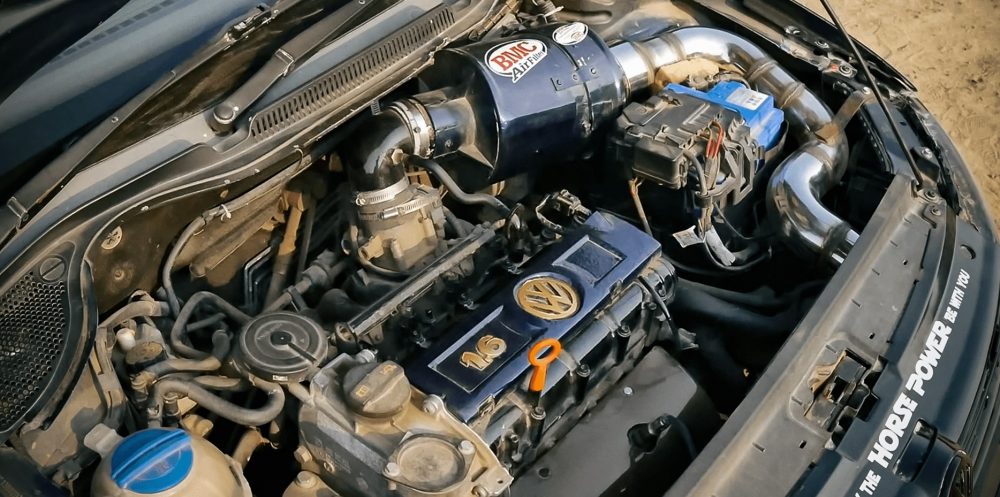
Engine Knocking
The uneven burning of fuel causes various different pockets of combustion. This in turn creates multiple flame fronts inside the engine. Each time a pocket burns, a little shock is produced, which ignites the following pocket and keeps the cycle going. In other words, knocking in spark-ignition internal combustion engines happens when one or more pockets of air/fuel mixture explode outside the typical source of ignition and some of the air/fuel mixtures in the cylinder burns without being ignited by the flame front propagated by the spark plug.
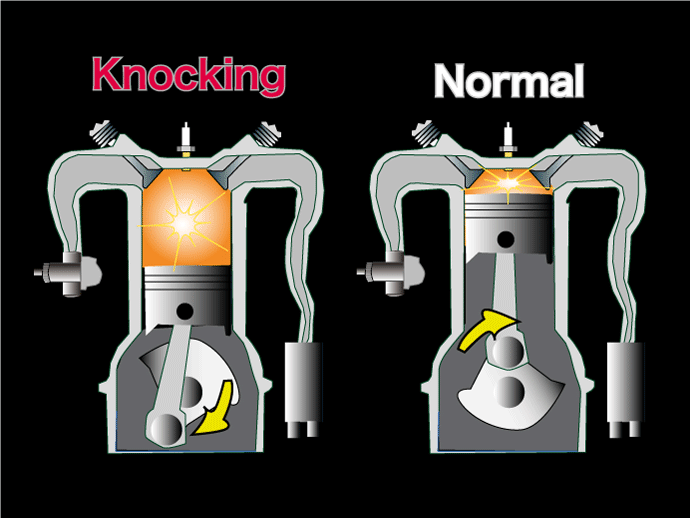
The cylinder pressure increases significantly as a result of the shock wave, which also produces the distinctive metallic “pinging” sound. Knocking engine can have minor to completely devastating effects.
Knocking and pre-ignition are two distinct phenomena that shouldn’t be confused. Pre-ignition can, however, be followed by knocking.
What Causes Engine Knocking?
There can be various problems that cause the engine to knock, from instructive to serious problems. Hence it is better to solve the problem or not let it happen in the first place. So, these are the 5 plausible causes of a knocking sound in an engine.
-
Disturbed Timing

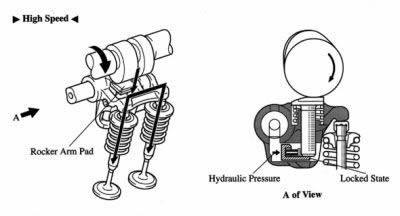
Variable Valve Timing Working The timing of the engine, or when the spark plugs will ignite, is typically regulated by a ECU in today’s vehicles. However, if for some reason the spark isn’t firing precisely when it should, this can result in repeated cylinder detonations and engine knock. Also, with time due to the wear and tear, the valve timing shifts a little which also causes engine knocking.
Interesting Read: VVT (Variable Valve Timing) and its Features Explained
-
Lean Air/Fuel Mixture
Lean air/fuel mixtures in engines can occur as a result of issues with oxygen sensors, fuel injectors, fuel pumps, or mass airflow sensors.
A lean air/fuel mixture has too much air and insufficient fuel. The mixture won’t burn quickly enough if there isn’t enough fuel in each cylinder, resulting in repeated detonations that cause the engine to knock.
-
Worn Timing Belt and Pullies

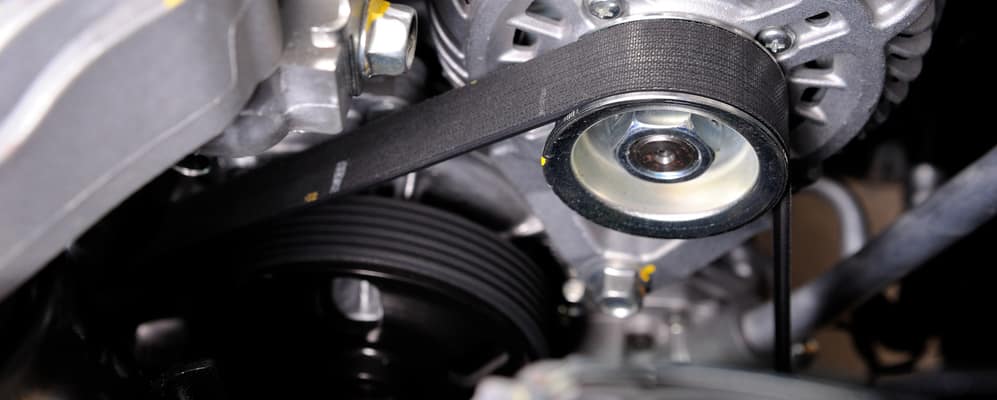
Drive Belt For this belt to turn silently and smoothly, the ideal amount of tension must be applied. Rattling, clicking, and slapping sounds that may be mistaken for engine knock can be heard if the belt becomes stretched out, the tensioner isn’t operating properly, or one of the pulleys becomes misaligned. Fortunately, replacing the belt, adjusting the tension, or changing a faulty tensioner or auxiliary pulley can all solve the problem of a noisy accessory belt.
-
Inaccurate or broken Knock Sensor

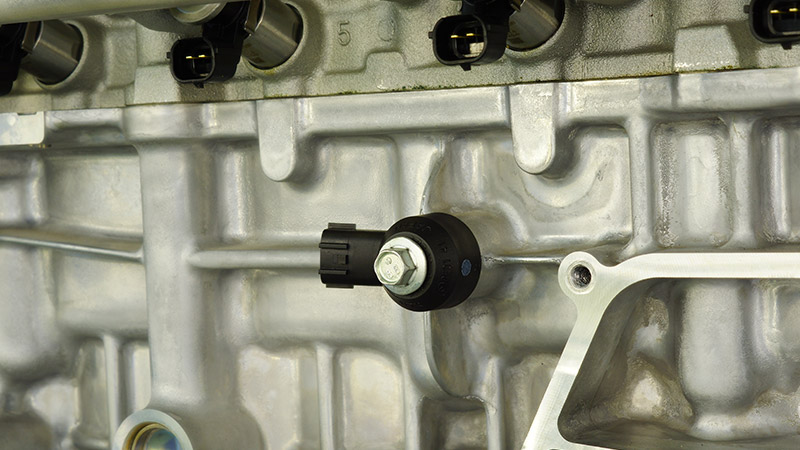
Knock Sensor The Engine Control Unit can even automatically fix the issue by altering the amount of fuel injected within the engine or by adjusting the time of the fuel injection thanks to a knock sensor that is designed to detect engine knock and alert it. This also implies that an ineffective knock sensor could cause the engine to knock. Checking the knock sensor is a crucial step in the diagnostic process if you’re driving a modern car with an engine knock.
Here are the 5 Underrated Cars In India That May Get Discontinued In 2022
-
Low-quality fuel or Inappropriate Octane Number

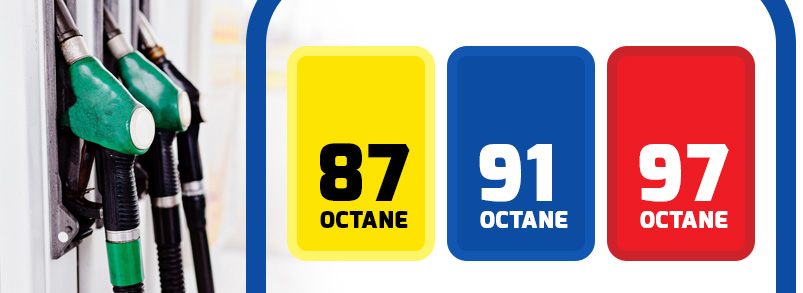
Octane Numbers If you fill up with petrol that has a lower octane rating and your automobile has a performance-tuned engine that is made to run on high-octane fuel, you may experience engine knocking. High octane fuels burn more uniformly and resist knocking better.So your knocking sounds can be coming from the fuel you usually put in your car, which needs high-octane fuel. To get the correct octane rating for your vehicle, make sure to refer to your owner’s manual.
Additionally, the majority of the solutions to solve the problem of knocking is easy. This means they do not require the intervention of professional help. However, after following precautions steps, still the sound persists, so it’s better to seek that help.
Informative Read: The Anatomy Of A Fuel Filter | All You Need To Know
So, that was all about the engine knocking, let us know in the comments section if you have faced this issue in your vehicle and What caused it?
FAQs
1. What does it mean when an engine is knocking?
An engine knocking or pinging or detonation is when the fuel inside the engine’s cylinders burns erratically or prematurely. Instead of one smooth burn, sections of the air-fuel mixture explode prematurely creating a knocking or pinging noise. Knocking will cause engine performance issues and if not fixed, will damage the engine long-term.
2. Is engine knocking a serious problem?
If knocking of car goes undiagnosed or is not repaired, it can potentially lead to excess wear of engine components. It may also reduce performance, and eventually catastrophic internal engine failure (ie. piston/cylinder failure). Knowing if you have knocking and identifying the source is crucial to preventing costly repairs.
3. How do I fix knocking in the engine?
To fix knocking in the engine, the source has to be identified and repaired. The simplest forms of repairs are often to use a better grade of fuel that is less prone to pre-ignition, replacing worn or filthy spark plugs, and possibly needing to calibrate the engine timing. The engine timing is often a critical point in fuel use.
4. What does engine knocking sound like?
Knocking might sound like metallic pinging, tapping or rattling noises inside the engine while accelerating that might sound like something is tumbling around the inside of your engine (or a handful of small metal balls bouncing around).
5. How do you fix engine knocking?
Fixing engine knocking starts with identifying what is causing it. In many cases the problem comes from using fuel with lower octane than the engine requires. Switching to the recommended fuel can sometimes reduce the knocking. In other situations carbon deposits or incorrect ignition timing may be responsible, and that usually requires cleaning or mechanical adjustment.
6. Can I drive if my engine is knocking?
A car may still run while the engine is knocking, but it should not be driven for long in that condition. The knocking indicates unstable combustion inside the engine. Continued driving increases stress on internal components. If ignored, the damage can become more serious and expensive to repair.
7. How to detect knocking in an engine?
Engine knocking is usually detected by listening during acceleration. The sound often appears as a repeated tapping or pinging noise from the engine area. It becomes more noticeable when the engine is under load. Modern vehicles also use knock sensors that detect abnormal vibrations and signal the engine control unit to adjust ignition timing.
8. Is engine knocking harmful?
Engine knocking can damage the engine if it continues for a long time. The sound indicates that the air-fuel mixture is igniting unevenly inside the cylinder. This creates sudden pressure spikes during combustion. Over time those pressure shocks place stress on pistons and other internal engine parts.

