






Looking to keep your vehicle looking brand new for many years to come? It all starts not just with daily washes or wax but rather Paint Protection Film (PPF). Consider it a virtually indestructible paint suit for your automobile, shielding it from bird droppings, scrapes, and rock chips and that unsung threat that seems to materialize miraculously. In this blog, we will analyze and discuss what is a paint protection film, the types of ppf, and what benefits ppf on car offers.
What is a Paint Protection Film
PPF Full form is Paint protection film, it is a clear polyurethane film applied to a vehicle’s body panels to keep their paint from peeling off. This covering assists in keeping the paint of your car looking new and shiny for many years. ppf on car serves as a shield protecting the car from daily damages including stone chips, bug splatters, small scratches, and also from environmental elements like bird droppings. It’s basically paint protection film that provides the whole automobile care arena a very impressive technique, often in applying it like placing thin transparent, and a film over your automobile car with great care to produce one excellent output by safeguarding from diverse damaging ways in various occasions. It covers the daily attacks of road debris and stone chips to the random encounter with a tree branch. PPF provides an invisible armor that absorbs what would otherwise scar the car surface.
The Science and History of Paint Protection Films
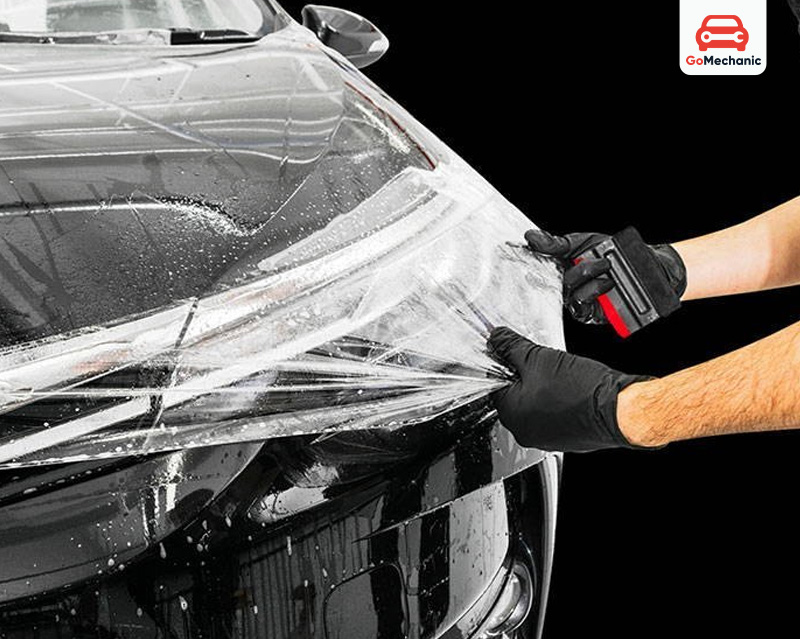
Once you have learned what is a paint protection film, it is important to know its origin as well. Originally conceived during the Vietnam War by the US military, PPF was employed to safeguard sensitive components of military vehicles, such as helicopter rotor blades. It gained quick popularity among race car drivers and vehicle owners alike in the automobile business thanks to its amazing capacity to absorb impacts. Simple though effective, science underlies PPF as a flexible and tough plastic, PPF creates a protective shield on top of the paint. The material resists impact, corrosion, abrasion, and corrosion; it also has self-healing properties. Given that the film vanishes heat (whether from the sun or warm water), minor scrapes and marks disappear, so it is a superb purchase for someone wishing to keep their car looking perfect.
The Way Paint Protection Film operates
Ppf on car has many levels. The upper layer is a clear coat with self-healing properties and polish. An adhesive that securely bonds the film to the paint is the bottom layer; the middle layer is the urethane film that absorbs blows. These many levels of protection guarantee the paint can’t be reached, hence shielding the surface of the vehicle from harm even if just little scratches prevail. The magic behind Paint Protection Film lies in its structure and material—urethane.
- Deflection: PPF is first in line for the defense or strongest. It may be deflected from tiny objects such as pebbles, road debris, or small stones that would chip or scratch the film and yet prevent them from coming in contact with the paint surface intact.
- Absorption: For larger impacts, such as sudden strikes from hailstones or a deep penetration of debris, then the flexibility of the film takes charge. This means that the nucleotide absorbs the impact and dissipates it from the paint beneath it. It is almost like having a cushion for delicate car paint.
In a nutshell, PPF on car works as a protective shield that deflects light debris and absorbs heavier impacts, thus maintaining the integrity of your vehicle’s paint.
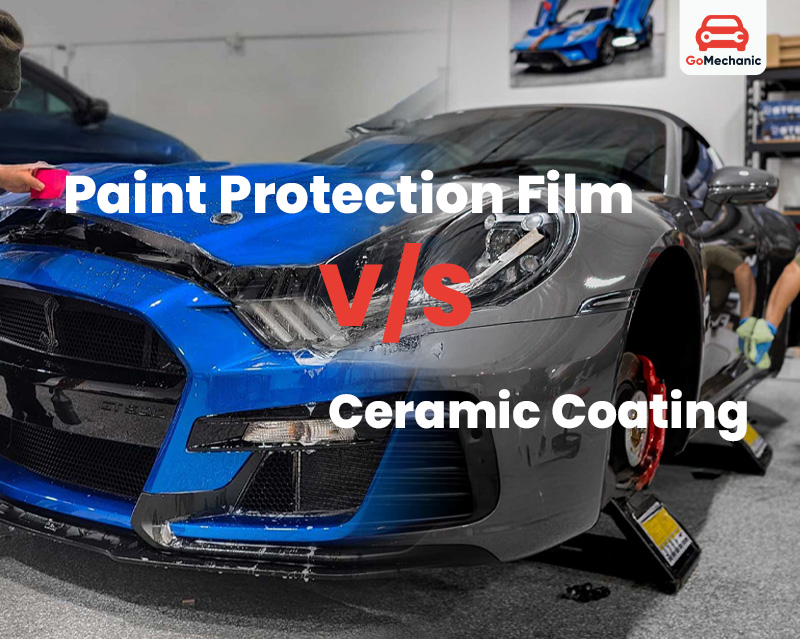
PPF vs. Ceramic Coating
| Feature | PPF (Paint Protection Film) | Ceramic Coating |
| Primary Function | Physical protection from scratches, chips, and debris. | Chemical protection that repels water and contaminants. |
| Material | Transparent, flexible polyurethane film. | Liquid polymer applied to the car’s surface. |
| Protection | Deflects and absorbs impact from rocks, debris, and scratches. | Prevents water spots, bird droppings, and chemical stains. |
| Longevity | 7–10 years with proper maintenance. | 2–5 years, depending on maintenance. |
| Application Process | Applied as a thin film to the vehicle’s surface. | Applied as a liquid coating, often by professionals. |
| Visual Impact | Invisible layer that preserves paint, maintains gloss. | Enhances gloss and hydrophobic properties. |
| Maintenance | Low-maintenance. Wash and maintain regularly. | Requires occasional reapplication for best results. |
| Self-Healing | Yes, minor scratches heal with heat. | No self-healing properties. |
| Durability | Superior protection against physical damage. | Excellent against chemical damage and water contamination. |
| Cost | Higher initial cost, but longer-lasting. | Generally less expensive, but may require reapplication. |
Also Read: Teflon Vs Ceramic Vs Paint Protection Film; Which One Is The Best?
Benefits of Paint Protection Film: Key Advantages for Your Vehicle
- Protects Against Damage: PPF keeps your paint from road debris, bird droppings, bugs, and rock chips.
- Self-healing: With its TPU make-up, the film can keep your vehicle looking spotless by mending little scratches exposed to heat.
- Increase in Resale Price: Another one of the benefits of paint protection film is its resale value. With a lifespan of 10 years, PPF provides long-term protection for the paint of your car and even adds to its resale price.
- UV Protection: PPF does not yellow or fade with ultraviolet exposure to some other compounds and therefore keeps its clarity and shields the paint of your car from stains.
- Easy Maintenance: Keeping the film clean is easy to maintain. Regular applications of water and soap in a car wash are enough to preserve its protective qualities and luster.
- Enhanced Finish: ppf on car goes further than just protecting. It leaves a finish that can make your vehicle shine. The smooth finish really bounces off light, leaving it shining with an acrylic sheen.
- Superior protection against corrosion: With the protection against dirt, contaminants, and moisture, rust and corrosion are prevented, thus preserving the integrity and look of your car for years.
- Healing Minor Scratches: Instantly One of the greatest attributes of the contemporary PPF is that it can heal minor scratches. It reverts back to its flawless condition with the sun or the warm garage serving as a mild source of heat.
- High-Temperature Resistance: The materials used in PPF are highly resistant to temperature extremes, so whether it’s the blistering heat of summer or the chilly winter roads, the film holds up without warping or peeling.
- Ease of Repairability: If the film gets damaged beyond self-healing, it’s easily repairable. Minor imperfections can be addressed by simply replacing the damaged section—no need for a full repaint job.
- Preserves Resale Value: Your car will look as good as new when you decide to sell it, thanks to the protection PPF provides. It helps preserve the paintwork, ensuring that potential buyers see a car that’s as fresh as the day it left the dealership.
Features of Car Paint Protection Film (PPF)
Paint Protection Film is more than an add-on, it is a declaration. It’s like the invisible armor that allows your car to breathe but keeps the world away. Thin as it may appear, PPF is made of advanced materials like polyurethane, engineered to be strong, clear, and almost invisible. This invisibility ensures that the beauty of your car is never hidden, but its surface is protected from the onslaught of the road.
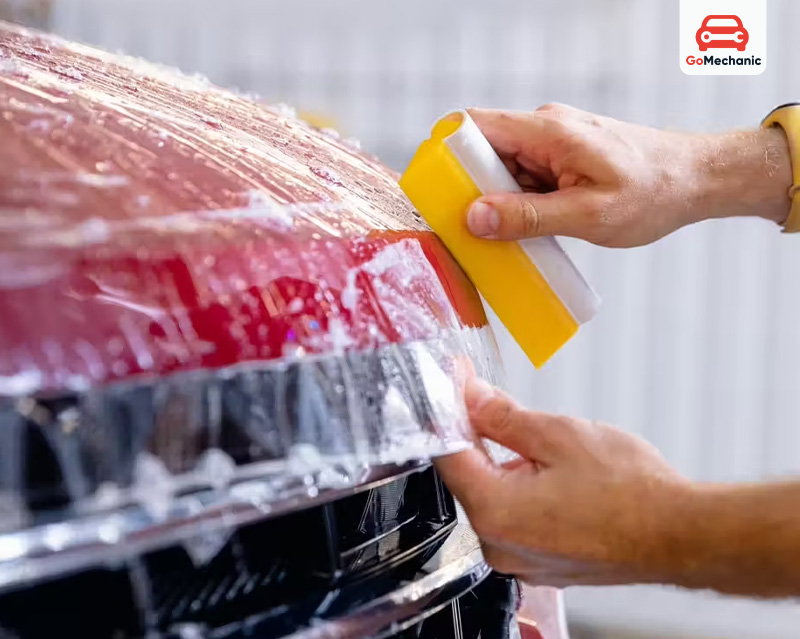
- Self-Healing Properties: The magic of modern PPF lies in its ability to heal minor scratches. Expose it to heat—whether from the sun or a warm garage—and it self-repairs, restoring its flawless surface.
- Durability: Although PPF seems delicate, it is actually quite robust. It withstands abrasion, physical damage, and the ravages of nature—all this to keep your car’s paintwork intact.
- UV Protection: PPF also protects cars from the damaging UV rays of the sun. If cars stay outside through the sun for too long, the paint will fade and oxidize. It forms a barrier to allow the paint its vibrancy for a longer period.
- Crystal Clear Finish: Having a transparent nature, PPF does not change the color or finish on your car, which enhances the original paintwork while keeping it looking fresh.
Also Read: How to Maintain Your Car’s Paint in India’s Harsh Weather Conditions
Types of damages PPF can prevent:
- Scratches and Swirl Marks: Daily abrasions from brushing against bushes or the careless scratch from a bag or jewelry. ppf on car guards your paint like a second skin.
- Rock Chips and Road Debris: These tiny stones flying off the other car’s tires at your vehicle can create dents and chips. PPF will absorb those impacts so your paint remains untouched.
- Bug Acids and Bird Droppings: Those pesky insects or bird droppings that bring strong acids could damage your paint if not attended to soon. PPF works as a protective layer against those contaminants eating away at your car finish.
- Tree Sap: Oozing from branches overhead, tree sap is like super glue and can permanently stick to your paint. ppf on car offers protection and allows you to wipe it away easily.
- Water Stains and Salt: Rainwater or salty winter roads leave spots or cause corrosion. PPF creates a hydrophobic layer that prevents those elements from sticking.
Functions of Different PPF Layers
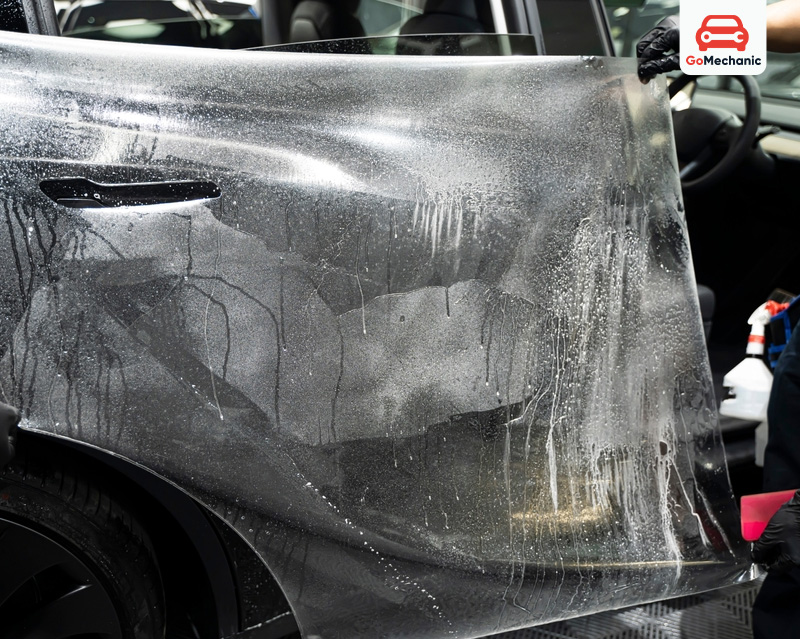
Top Layer (Hydrophobic Coating): This layer has water, oil, and dirt-repelling capabilities. Since it prevents those contaminants from attaching to the film surface, they can be easier to clean without shortening their life. The Middle Layer (Impact Resistance): It is the heart of the layer that provides protection. The film absorbs all physical impacts like rock chips and scratches, and this reduces the chances of any damage to the paint. Bottom Layer (Adhesive): This is the bottom layer that binds securely to your car’s paintwork. Therefore, the film will stay on without damaging the surface beneath once it is removed.
Limitations of PPF on Cars
We have studied enough about the benefits of paint protection film. PPF is surely effective; however, it is not a foolproof method. Your car will never be invincible after getting PPF. Here are some things it can’t do:
- Shielding Against Major Impact: PPF doesn’t and can’t shield against big collisions or deep scratches arising from accidents.
- Yellowing: The film can yellow with time, especially under extreme conditions.
- Scratch Removal: Minor scratches heal, but deep abrasions may still be visible, and the film could need to be replaced.
How to Care for Your Car Paint Protection Film
PPF maintenance is relatively easy but essential to its long-term effectiveness:
Clean it regularly with mild soap and water. Avoid harsh cleaners or scrubbers that might scratch the surface.
Avoid products that have a high chemical content as they degrade the film.
Dry the surface after washing by using a microfiber cloth to avoid water spots.
Heat Care: The film thrives on heat. Let it warm in the sun or use a heat gun to keep it smooth and free of wrinkles.
Types of PPF (Paint Protection Films)
Below is the list of various types of PPF for better understanding:
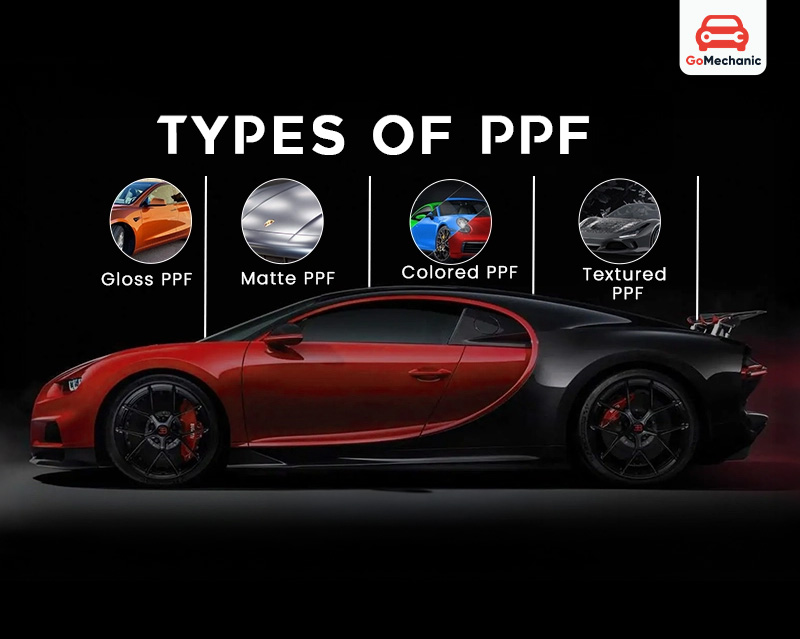
1. Textured Paint Protection Film
Textured PPF not only protects your car but also gives it a customized appearance. Combining style with functionality, it is the perfect mix to improve the look of your vehicle while preserving good defense. Your car’s interior can be further customized using these movies. Textured PPF comes in many different styles, including forged carbon, carbon fiber, and damask steel.
2. Gloss Paint Protection Film
Gloss paint protection film (PPF) offers the best possible protection without compromising on your vehicle’s sleek, brilliant finish. Translucent film like this from top quality enhances the natural sheen of your car, giving it that glossy, showroom look while refreshing it. This adds to the depth of your car’s paint color for a much more dynamic look. Gloss PPF guarantees long-term protection against wear and tear-from bird droppings to scratches and dirt-for someone who drives on the road. It is highly flexible, impact resistant, and self-healing made of top quality thermoplastic polyurethane (TPU).
3. Matte Paint Protection Film
When vehicles have top quality in glossy paint protection film (PPF), matte polymer paint protection film (PPF) can have an anti-glare property but maintains that level of protection on surfaces. It is also the better assignment for the cars, saving them from the damage cost incurred from UV rays, stone chips, and scratches. Matte PPF gets about the contours of the car and is made from flexible and tough TPU plastic, holding things in pristine condition for a long time.
4. Colored Paint Protection Film
Apart from that, the color paint protection films are also a riot of color for your car as they offer a form of protection to the scratches, blemishes, and ultraviolet rays. These come in a variety of colors so that you may add more life to your car. And since these films will not spoil the original paint, your showroom finished vehicle preserved.
How Long Does Paint Protection Film Last?
The life of a Paint Protection Film depends largely on the film quality, above mentions factors as well as maintenance. A decent high quality PPF may last, under ideal conditions, anywhere from 7 to 10 years on average. Yet they sometimes even stay on much longer depending on the way a certain car gets maintained. Considering the lifespan from this point of view, the investment should really be profit-making for anyone interested in guarding his vehicle’s appearance. This low-quality PPF does not last longer than 5 years before slight deterioration starts showing. The degrading factor again comes from exposure to the mother nature. Constant sunlight, a lot of heat and extreme weather condition treatments or ignoring care may definitely reduce its performance. But under care such as thorough cleaning, protection from chemicals, and external heat, the vehicle can last along.
Gloss Paint Protection vs. Matte Paint Protection: What’s the Right Choice?
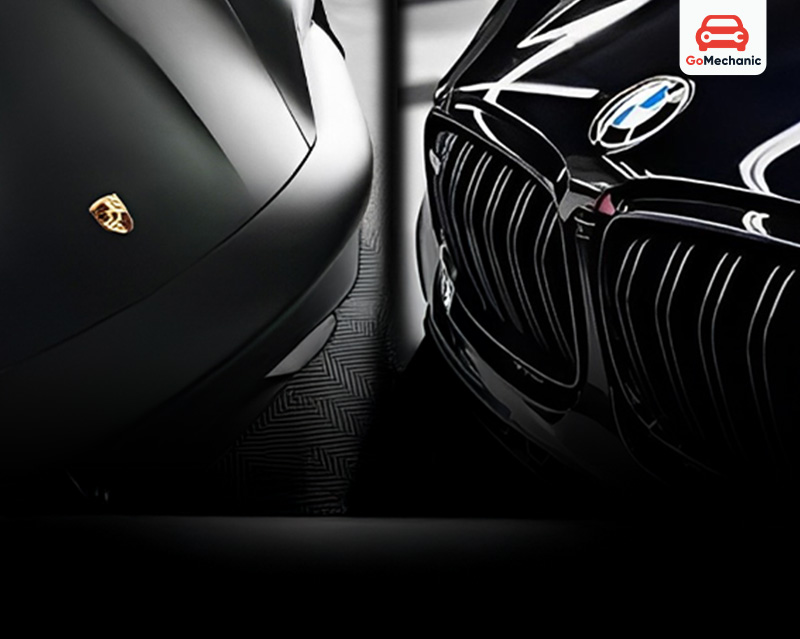
| Feature | Gloss Paint Protection | Matte Paint Protection |
| Appearance | High-gloss finish, enhances depth and vibrancy of the paint. | Satin or flat finish, preserves the matte look. |
| Protection Level | Provides strong protection against dirt, water spots, and scratches while maintaining a shiny finish. | Offers protection while maintaining the matte, non-reflective appearance. |
| Cleaning and Maintenance | Easier to clean, water spots and dirt are more visible. | Requires special cleaning techniques to avoid shine. |
| Durability | Lasts a long time with regular maintenance, especially for high-end finishes. | Similar longevity with proper care, but may require more careful handling to avoid shine. |
| Cost | Usually more affordable due to the widespread use of gloss finishes. | Slightly more expensive due to specialized matte films. |
| Best For | Standard paint finishes that require protection and shine. | Vehicles with matte or satin finishes, or for those who want to keep the low-sheen look. |
Best PPF Brands in India
There are many good PPF brands available in India, each offering different types of protection and features. Some of the best PPF brands include:
- 3M: The most recognized name in car protection, 3M provides the most durable, long-lasting PPF with excellent self-healing properties. Famous for its transparency and strength, 3M’s films are a favorite.
- XPEL: This is a premium brand that is recognized for its high-quality protection films that provide great resistance to scratches and discoloration. XPEL offers glossy and matte finishes in its range, according to preference.
- SunTek: SunTek offers a wide range of PPF products, including their high-performance, self-healing films. They are known for offering excellent protection and value for money.
- LLumar: Another brand that offers PPF, LLumar excels in both impact resistance and clarity. The LLumar films are designed to withstand daily driving conditions while maintaining the vibrancy of the original paint.
- Avery Dennison: In innovativeness, Avery Dennison offers PPF products which show high performance along with an excellent protection in their smooth clear finish.
The truth is that all these brands come with something special, and a right choice really depends on specific needs of a vehicle and a budget of its owner. Key is to get a trusted, well-reviewed film to ensure the highest level of protection for your car.
Conclusion, What’s the right choice for you?
Your budget, style, and desired durability of the protection should be considered when selecting the best paint protection film (PPF). For excellent protection, TPU PPF is the most desirable option. This product is easy to put on and take off without harming the paint and offers self-healing qualities that last 10 years or more. For those on a budget, TPH PPF is less expensive but lasts 3 to 5 years and provides less coverage. It may also have glue stains when taken down. Gloss PPF improves the shimmer of your car’s paint for a glossy, bright finish; Matte PPF offers a modern, non-glare look. Textured PPF gives a one-of-a-kind look with finishes including forged carbon or carbon fiber. At the end of the day, the most ideal option varies depending on your budget, protection requirements, and desired appearance.


