






Ever wondered when to replace car tyres but got lost in jargon-heavy, robotic guides? You’re not alone. Tyres can be called shoes for your car. But unlike shoes, a worn-out tyre doesn’t just hurt your style; it could lead to skidding, blowouts, and even accidents.
That’s a scary thought when you realize what worn-out tyres can cause. But how do you know when to replace car tyres? Do you wait for a puncture? Do you drive until the tread vanishes like a magician’s trick?
Let’s break it down in simple, practical—because your safety and wallet depend on it.
When Should Car Tyres Be Replaced?
1. The 5-Second Test
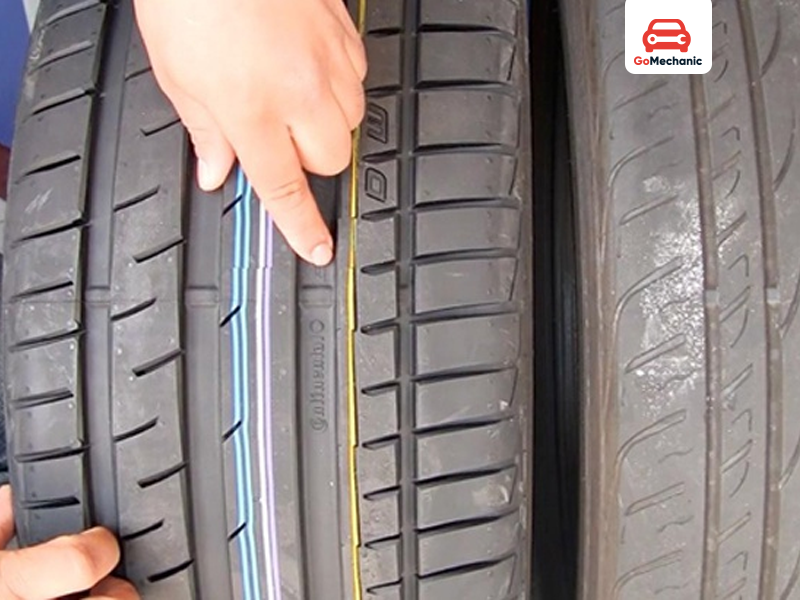
Here’s a quick way to know if your tyres are begging for retirement. Grab a one-rupee coin and insert it into the tyre tread.
If the coin sinks deep? Your tyre is healthy. If most of the coin is visible? Your tyre is worn out, and it’s time to start shopping. Sounds too simple? That’s because it is.
Tyres have something called a tread depth—it’s the groovy part of your tyre that grips the road. The legal minimum tread depth in India is 1.6mm, but for safety, anything below 3mm means your tyres are aging faster than a college student’s phone charger.
2. The Age Factor: Tyres Aren’t Wine
Tyres don’t improve with age. Rubber wears over time, even though it looks good from the outside. Car tyres should be replaced every Five-Six years, even though they look good from the outside according to the experts.
But what if you don’t operate your car often? Well, just because your tyres aren’t “used” much doesn’t mean they aren’t aging. Dryness, Cracks, and hardened rubber can make them untrustworthy.
3. The Wobble Warning
Your car is capable of communicating if you are prepared to listen. These could be indicators that your car’s tire requires repair if it pulls to one side, your steering wheel rattles at certain speeds, or you feel odd vibrations.
What to do?
- If your ride is getting raggeder by the day, get your tyres balanced and aligned.
- If that doesn’t work, it’s time for a tyre replacement.
4. Flat Spots and Bald Patches: The Early Retirement Signs
Ever noticed certain spots on your tyre look smoother than others? That’s a sign of uneven wear, which could be due to:
- Driving with improper tyre pressure (too low or too high)
- Skipping your wheel alignment and balancing
- Sudden braking like you’re in an action movie
The Fix?
- Regularly check tyre pressure (especially before long trips).
- Get the car’s wheel aligned every 10,000 km.
- To ensure even wear Rotate the tyres every 5,000 to 8,000 km.
5. The Sidewall SOS: Cracks, Bulges & Blisters
Your tyre’s sidewall is its weakest link. If you spot:
- Cracks – The rubber is aging, and a blowout is coming.
- Bulges or bubbles – Internal damage = danger.
- Deep cuts – Risk of a puncture or sudden deflation.
A damaged sidewall means you should replace your tyres immediately—no debates.
6. Puncture Wounds: Fix or Replace?
A single, small puncture? A patch-up is fine.
Multiple punctures, or damage near the sidewall? That tyre is a ticking time bomb. Replace it.
Golden Rule: If the puncture is bigger than 6mm, deep, or too close to the sidewall, don’t risk a patch job. Get a new tyre instead.
7. Fuel Efficiency: Are Your Tyres Secretly Robbing You?
Your automobile will use more fuel if your tires are worn out since they increase rolling resistance. Your tires may be silently draining your money if you feel like you’re stopping for gas too frequently.
New, high-quality tyres improve mileage, grip, and overall driving comfort. So, replacing them isn’t just about safety—it’s an investment in your fuel savings too.
Reasons Why You Should Replace Your Car Tyres
Replacing your tires is important for safety, performance, and efficiency, not only to prevent a breakdown. The following explains why prompt replacement is essential:
1. Safety First (The Real Deal)
- Worn-out tyres = reduced grip – More risk of skidding, especially in rain.
- Thin tread = longer stopping distance – Brakes won’t work as effectively.
- Old rubber = risk of blowout – A tyre burst at high speed is a nightmare.
2. Fuel Efficiency & Money-Saving
- Worn tyres increase rolling resistance, forcing your engine to work harder.
- More fuel burned = lower mileage (which means more trips to the petrol pump).
- Properly maintained tyres can improve mileage by up to 10%!
3. Smoother & Better Driving Experience
- Good tyres = less vibration, more comfort.
- New tyres enhance cornering, braking, and handling—your car feels lighter and more responsive.
4. Environmental & Legal Compliance
- In India, the legal tread depth limit is 1.6mm. Anything below? You’re driving illegally.
- Poor tyre maintenance increases carbon emissions—bad for your pocket and the planet.
What’s killing Your Tyre?
Tires wear at varying rates. Weather, driving habits, and the roads you use can all affect tire life.
1. Driving Style
- Sudden braking, harsh acceleration, and high-speed turns eat up tyre tread fast.
- Aggressive driving = shorter tyre life, more fuel usage, and higher expenses.
2. Temperature & Weather
- Extreme heat (hello, Indian summers!) makes rubber brittle and leads to faster wear.
- Cold temperatures can cause tyres to harden and lose grip.
- Rainy conditions require deeper tread for traction—old tyres won’t cut it.
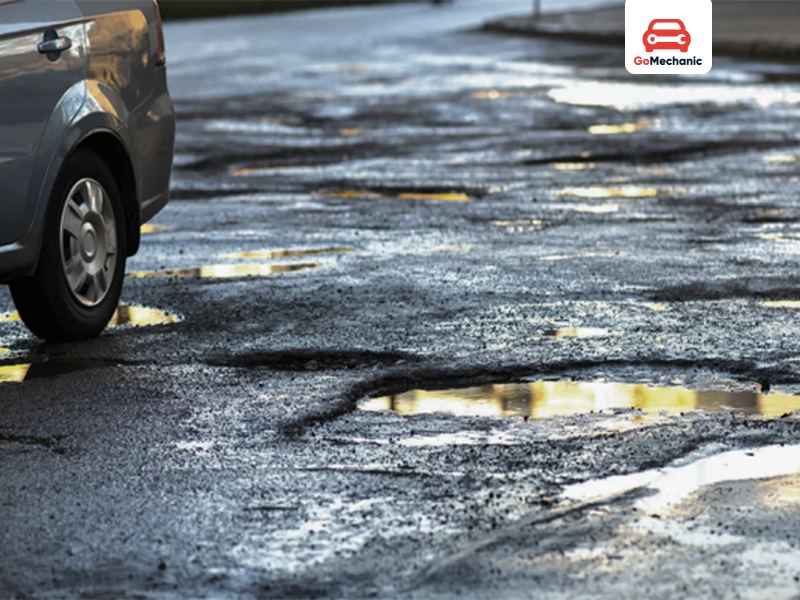
3. Road Conditions
- Smooth roads? Tyres last longer.
- Potholes, rough terrain, speed bumps? Your tyres suffer more damage.
- City stop-and-go traffic wears tyres faster than highway cruising.
4. Tyre Pressure & Maintenance
- Under-inflated tyres wear over time and decrease mileage.
- Over-inflated tyres become rigid and are more likely to blow out.
How to Maintain Car Tyres for a Longer Life
Want long-lasting tyres? Follow these pro maintenance tips:
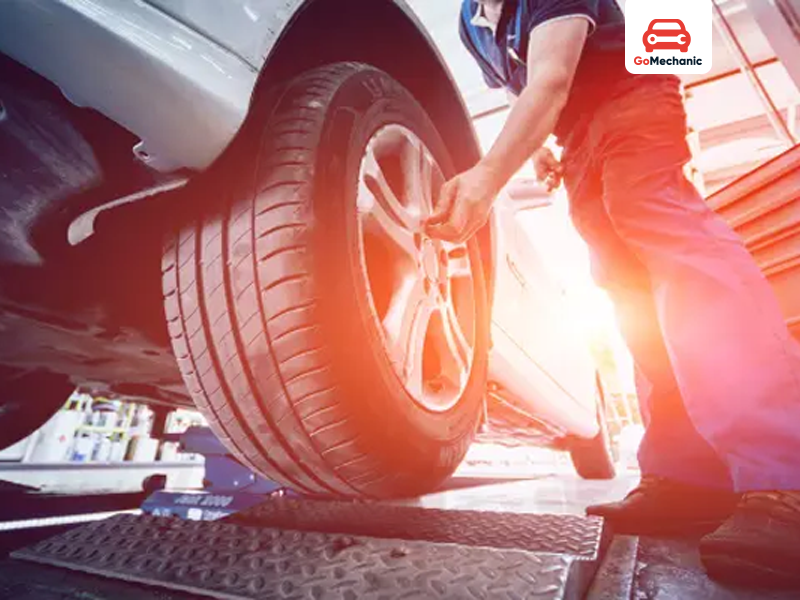
1. Rotate Tyres Every 5,000 to 8,000 km
- Front tyres wear out faster than rear ones.
- Rotating tyres ensures even wear and extends life.
- Do this every time you get an oil change or service check.
2. Get Wheel Alignment & Balancing Every 10,000 km
- Unaligned wheels cause uneven tyre wear.
- Balancing prevents steering vibrations and improves safety.
3. Avoid Sudden Braking & High-Speed Cornering
- Abrupt stops and sharp turns shave years off tyre life.
- Drive smoothly for better mileage and longer-lasting tyres.
4. Park in the Shade
- Sunlight ages tyres faster (rubber becomes brittle).
- If you can’t find shade, use tyre covers.
5. Check Tyre Pressure Monthly
- Under-inflated tyres cause wear & tear and reduce mileage.
- Over-inflated tyres make the ride bumpy and wear out the centre tread.
Pro Tip: It is important to choose the right inflation for your tyres as well.
6. Determine the Age of Tyre.
Here’s how you can determine the age of tyres in seconds and estimate when to replace car’s tyre:
- Search for the sidewall of tyre
- Check the tire sidewall for a four digit number.
- The first two indicate the week of manufacture, while the year is displayed by the last two digits.
For instance, the tire was manufactured in the 36th week of 2020 if the code is 3620.
Others Read – Tubeless vs Tube Tyres | A Journey from Invention to Relevance
Car Tyre Guide: Replacement Checklist
| Condition | Time to Act! |
| Tread Depth < 3mm | Replace Immediately – Reduced grip means higher skidding risk, especially on wet roads. |
| Tread Depth < 1.6mm (Legal Limit in India) | Illegal to drive – Change tyres ASAP to avoid fines and ensure safety. |
| Tyres Over 6 Years Old | Rubber weakens over time – Replace, even if the tread looks fine. Aged rubber increases the risk of cracking and blowouts. |
| Sidewall Cracks or Bulges | High Risk of Blowout – Weak sidewalls can fail suddenly, leading to dangerous situations. Replace them immediately. |
| Frequent Punctures | If you’re fixing punctures too often, the tyre structure is compromised – Get a new one before you experience a roadside breakdown. |
| Vibration in Steering Wheel | Possible wheel misalignment or tyre imbalance – Get checked, and replace if needed. |
| Uneven Tread Wear | Caused by misalignment or poor inflation – Inspect tyres, fix pressure, and replace if worn out. |
| Loss of Grip on Wet Roads | Hydroplaning risk increases – Replace tyres for better traction. |
| Increased Braking Distance | Worn tyres increase stopping distance – Upgrade to safer tyres. |
| Fuel Consumption Rising Without Reason | Worn tyres cause more friction – Replace to improve fuel efficiency. |
| Sudden Blowouts or Air Leaks | Compromised tyre structure – Immediate replacement needed. |
Final Takeaway: When to Replace Car Tyres & How to Make Them Last
Your tyres are your car’s foundation. Ignoring them is like walking on thin ice. Now that you know when should car tyres be replaced, keep these golden rules in mind:
- Check tread depth regularly (use the one-rupee coin test).
- Replace tyres every 5-6 years, even if they look fine.
- Watch for bulges, cracks, and sidewall damage—these mean danger.
- Maintain tyre pressure (check monthly) for safety and better mileage.
- Rotate and align tyres regularly to extend life.
You might find this interesting – From All Season to Performance: How to Pick the Best Tyres for Your Driving Needs
FAQ’s
Q1. Can I replace just one tyre, or do I need to change all four?
Ideally, replace tyres in pairs (both front or both rear). Replacing one tyre can cause imbalance and affect handling.
Q2. What’s the ideal tyre pressure for my car?
Every car has a recommended PSI (Pressure Per Square Inch)—usually mentioned inside the driver’s door or in the manual.
Q3. How do I know if my tyres are too old?
Check the manufacturing date (on the tyre sidewall). If it’s over 6 years old, replace it—even if it looks okay.
If you require further information or any tyres services consider visiting us near your location


