






Humans walked. Then they rode animals. Carts followed, pulled by tired beasts. Then came the machine. Wheels turned. Engines roared. The world moved. Faster. Freer.
But the car didn’t appear overnight. It took centuries of effort. Of ideas. Failures. Experiments. So, who made the first car? Who decided we needed speed without horses? Let’s dive in.
Karl Benz: The Name That Changed Everything
1885
Karl Benz built the Benz Patent-Motorwagen. Three wheels. One engine. It was the first car in the world—not a prototype, not an idea. A machine that moved, on its own.
But Karl wasn’t alone. Bertha Benz saw what others missed. She didn’t just look at the machine; she believed in it. In 1886, she drove it. Long-distance. No support. Just roads, rough and ready. That drive? It wasn’t just a trip. It was proof. Proof that the car wasn’t just a machine—it was a revolution.
Before Benz: The Builders and Dreamers
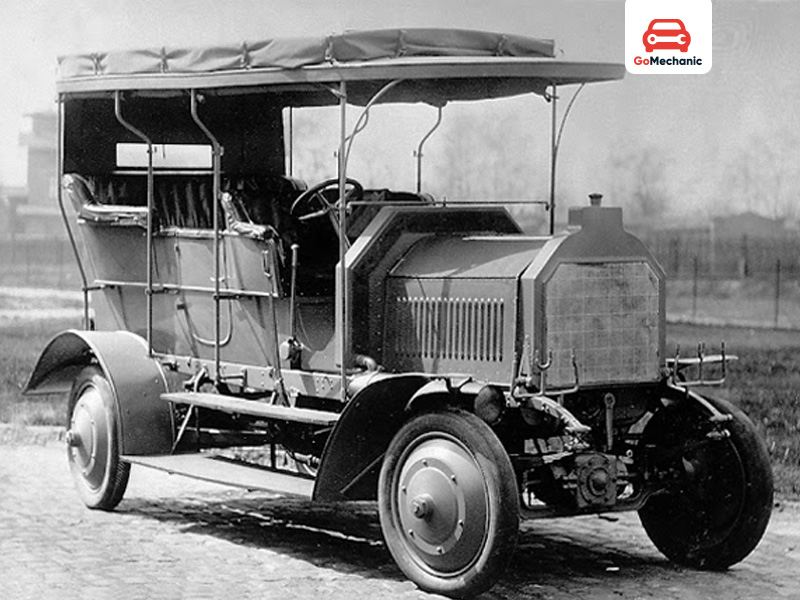
The story didn’t start with Karl. It began decades earlier.
1769. Nicolas-Joseph Cugnot built a steam-powered tricycle. Noisy. Slow. But it worked.
1770. Richard Trevithick made another one. Steam again. This one carried passengers. It wasn’t practical, but it was progress.
And progress doesn’t stop.
The 19th century saw more experiments. Hydrogen-powered engines. Early electric cars. Pioneers like Étienne Lenoir and Siegfried Marcus pushed boundaries. None succeeded fully, but each added a piece to the puzzle.
1885: The Year It Came Together
Steam was heavy. Electric was quiet but limited. Hydrogen wasn’t ready.
Karl Benz combined ideas, innovated, and created the first internal combustion-powered car. Lightweight. Practical. The Benz Patent-Motorwagen wasn’t perfect, but it was real.
Bertha proved it wasn’t just a rich man’s toy. Her journey showed it could connect people, towns, lives.
What Happened Next?
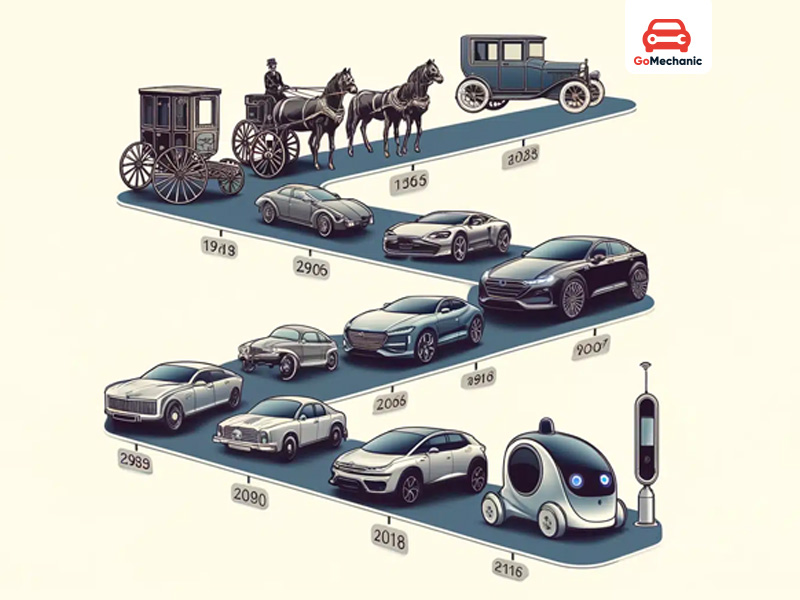
The automobile didn’t stop evolving. It couldn’t.
1886. Daimler and Maybach made high-speed engines. Faster. Smaller. More efficient.
1887. Henry Ford built the Model T. Affordable. Mass-produced. A car for everyone, not just the wealthy.
1888. Ferdinand Porsche created a hybrid. Gasoline. Electric. Together.
Each invention wasn’t just a car—it was a step forward. Society changed. Roads were built. Industries grew. The world adapted.
Cars Didn’t Change the World Alone
A car without roads is nothing.
By the 20th century, highways connected cities. Gas stations appeared. The Autobahn. The US Interstate. India’s Golden Quadrilateral. Infrastructure wasn’t just built for cars—it was built because of them.
Every road laid was an invitation. Travel. Trade. Grow.
The Electric Future: Moving Ahead by Looking Back
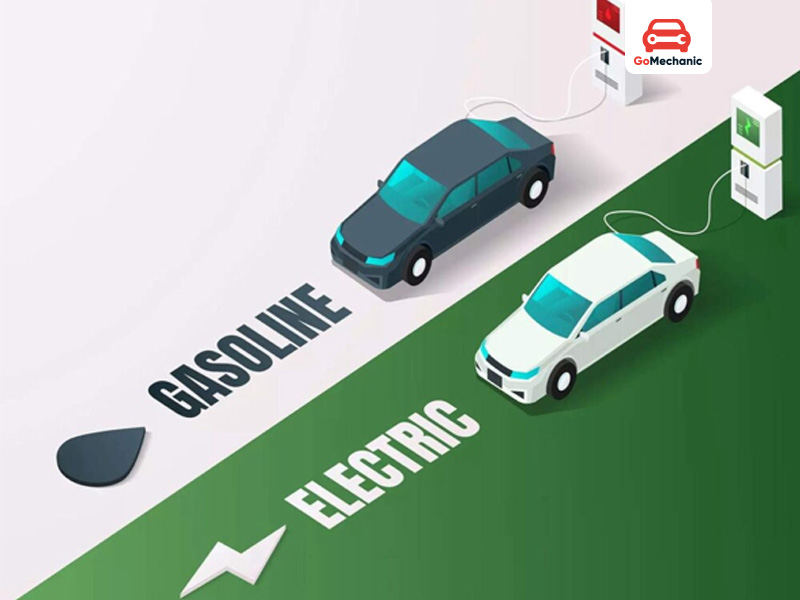
Electric cars aren’t new. They existed before the internal combustion engine dominated. But now? They’re leading again.
Tesla. Toyota. Tata Motors. Companies aren’t just building cars anymore—they’re building ecosystems. Charging stations. Battery recycling. Sustainable systems.
Electric vehicles (EVs): Zero emissions. Full torque.
Hybrids: Gas and electricity working together.
Hydrogen fuel cells: Quiet. Clean. The next step.
India’s moving fast. Tata, Ola Electric, and Mahindra are building EVs. Cities are getting charging infrastructure. The push isn’t just global—it’s local too.
Why Cars Matter
The car wasn’t just a machine. It became a way of life.
It created industries. Millions of jobs. Entire economies. It connected towns. Countries. People.
In India, cars began as imports. Then, companies like Tata Motors and Mahindra stepped in. They didn’t just build cars—they built vehicles for Indian roads, Indian conditions. Today, India is a global player, leading in electric and affordable vehicles.
FAQs
- Who invented the car?
Karl Benz, in 1885. - What was the first car?
The Benz Patent-Motorwagen. - What powered early cars?
Steam, hydrogen, electric, and then gasoline.
The Road Ahead
The car’s story is far from over. From Karl Benz’s first creation to today’s EVs, the journey reflects who we are. Always moving. Always innovating.
The wheels keep turning. And the future? It’s already here.


