






The gearbox, commonly denoted as the transmission, is that which crowns a machine’s drivetrain. It really serves to transmit hiking and power generated by the powerhouse to the car and make it linger at varying rates in various conditions. It is somewhat like a middleman to make sure that the car is driven by the engine without overexertion. A car with a non-functioning transmission will only incur breakdown consequences, and run, either in high or the first one, alas, will kill at that moment.
What is a Car Transmission?
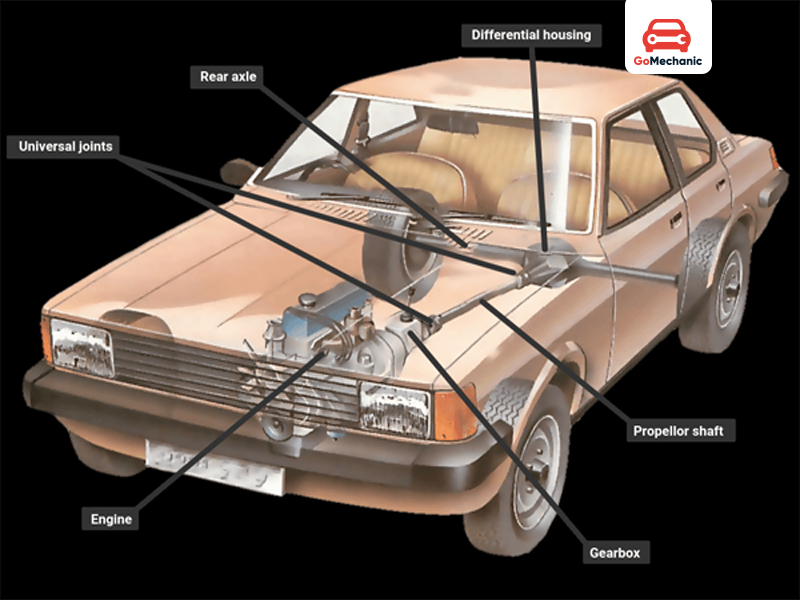
Before we go to the battle of whether manual or automatic transmission is better. Lets talk about what transmission means. Transmission controls the power generated by the engine to suit the vehicle. For example, when you are going uphill the transmission will select a lower gear to give you the power needed to go up hill. On the highway, the engine will switch over to a higher gear giving you optimal fuel efficiency and a pleasant and relaxed ride. These days with the help of technology, transmissions can be even more sophisticated in how they work, performance, fuel economy, and riding comfort. So it is best to have some knowledge of the types of transmission before purchasing a used car.
Must read: Top 10 Benefits of Automatic Cars in 2025
Various Car Transmissions
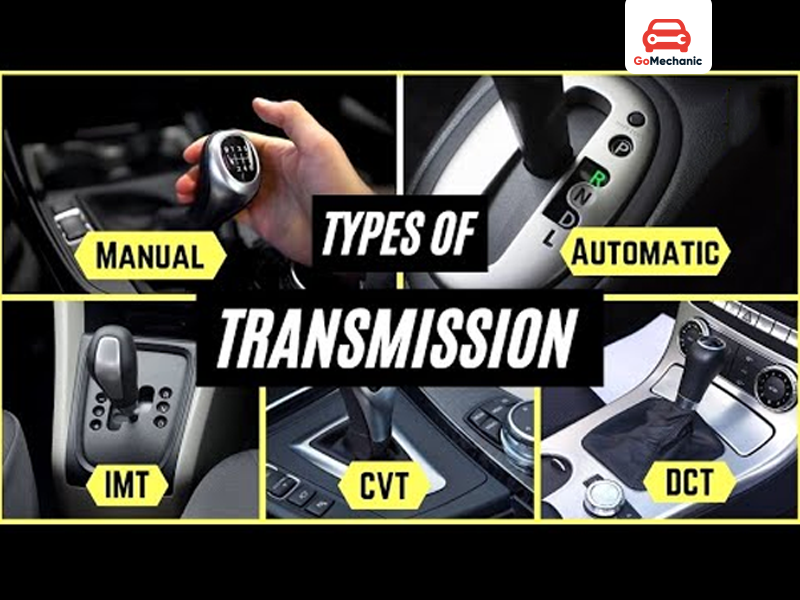
The car transmission has come a long way in its evolution and has diversified to suit the changing needs of different driving habits and conditions. The various types provide unique benefits and are best suited for specific conditions. The three most common types are:
- Manual Transmission (MT): Possibly, the oldest of all transmissions, this one is operated by the driver who shifts gears manually, using his or her hands on the gear stick and the left foot on the clutch pedal.
- Automatic Transmission (AT): Automatic transmission is known for the ease and convenience it brings to drivers since the machine is the one that changes the gears so that the driver can focus on bypassing other vehicles.
- Continuously Variable Transmission (CVT): Modern generation or the CVT is even better than automatics; now I think I do understand! It uses a belt-and-pulley drive mooring system to keep the car moving smoothly, unlike the clunky up-and-down motions of gear-changing that occur with automatic transmission.
Each type caters to different driving preferences, whether control, comfort, or efficiency. Understanding these options can help drivers select the most suitable transmission based on their specific needs and driving environment. The most commonly known among these are automatic transmission vs manual transmission that grabs much attention.
Also read: Choosing the Right Types of Car Transmissions for Indian Roads: A Guide to Performance, Costs
Comparison Table: Manual vs Automatic Transmission
| Feature | Manual Transmission | Automatic Transmission |
| Operation | Requires a clutch and gear shifting by the driver | Automatically changes gears based on driving conditions |
| Ease of Driving | Involves more effort, especially in stop-and-go traffic | Easier and more convenient, particularly in heavy traffic |
| Fuel Efficiency | Generally more fuel-efficient (varies with driving skill) | Slightly less efficient due to energy loss in torque converter |
| Maintenance Costs | Lower, simpler mechanics | Higher, complex systems require specialized servicing |
| Driving Experience | Offers more control and an engaging driving feel | Provides smoother and more relaxed driving |
| Cost | Typically cheaper to buy and maintain | More expensive upfront and to repair |
| Learning Curve | Takes more time to master | Easier to learn, ideal for beginners |
| Performance | Preferred for spirited driving and better acceleration control | Better for consistent, effortless performance |
| Durability | Long-lasting with proper use and maintenance | Can wear out faster due to complex parts |
| Resale Value | Moderate resale demand | High demand in urban areas |
| Suitability | Ideal for highway and off-road driving enthusiasts | Ideal for city driving and long commutes |
Before understanding more about manual vs automatic transmission, let’s understand them individually.
The Difference between a Manual and Automatic Car
To put it simply, the difference between a manual and automatic car in how it changes gears. With manual cars, the driver has to shift gears by using the clutch pedal and gear stick and can have greater degree of control and even fuel efficiency on driveability, for an automatic car the transmission changes gears automatically making it easier to drive and less stressful especially in heavy traffic or for newbies (if you’re renting a car for the first time, you want to go with an automatic) while a manual car is often preferred amongst enthusiasts for driveability, automatic cars are preferred for convenience.
What is Manual Transmission (MT)?
MT stands for manual transmission, where the driver controls all the gear shifts. Car driving enthusiasts perceive manual transmission as genuinely superior to automatic transmission. On this respect, drivers are greatly touched by the manual transmission because they have sensed the fulfillment in shifting gears all by themselves. The mechanism in manual transmission is essentially between the wheels and the engine through a clutch mechanism. During shifting gears, the driver moves the clutch to the leftward side, stops the engine operation by pushing in the clutch, moves the stick towards the desirable gear, and then lifts the pedal so that the engine regains contact with the selected gear. This all happens through coordination between hands and feet, a very practiced sort of skill.
Also Read: Choosing the Right Types of Car Transmissions for Indian Roads: A Guide to Performance, Costs
How Does a Manual Car Transmission Work?

In a manual transmission, the power from the engine travels through a series of gears to reach the wheels. First, pressing of the clutch pedal disentangles the engine from the transmission. Consequently, the driver then selects the gear with the gear shift. When the driver and gear are obsessed, the clutch pedal is about to be released so that the engine and the transmission can be linked up to deliver power to the wheels.
The gears in a manual transmission are fashioned so as to produce different levels of torque or speed. Lower gears have higher torque and are good for pulling away or driving up a hill. Higher gears mean lower engine RPM consumption, result in more fuel efficiency, and are good for a smoother ride when driving at high speeds. To gain these advantages, the clutch, gear shift, and acceleration have to be synchronized skillfully, making it an art.
Pros and Cons of Manual Transmission
Pros:
- More control to the driver with the ability to change gears which will provide an even more individualistic feel in driving.
- More fuel-efficient as compared to previous automatics especially when used wisely.
- Fewer components, meaning a lesser maintenance cost and repairs cost.
- Lower to buy a manual compared to an automatic car.
Cons:
- Requires practice and coordination in driving to drive the vehicle.
- Fatigue in Traffic: Constantly pressing the clutch pedal can be tiring in stop-and-go traffic.
- Skill-Dependent Efficiency: Fuel efficiency depends on the driver’s ability to shift gears effectively
What is Automatic Transmission (AT)?
Automatic Transmission eliminates the need for manual gear shifting. It uses sensors, hydraulics, and torque converter to automatically select the appropriate gear. This makes driving significantly easier, especially in urban areas with heavy traffic. In an automatic transmission, a driver is allowed to use the accelerator and brake pedals; it automatically does gear shifting to give maximum power in smooth delivery. Core components of AT include a torque converter, planetary gear sets, and a hydraulic control system, working together for the comfort of driving.
Automatic transmissions are perfect for those who value convenience and ease of use. However, they are usually pricier to buy and maintain than manual transmissions. Despite these disadvantages, they remain popular, especially in urban markets where traffic congestion is a big issue.
Do Read: Top 10 Benefits of Automatic Cars in 2024
How Does an Automatic Transmission Work?
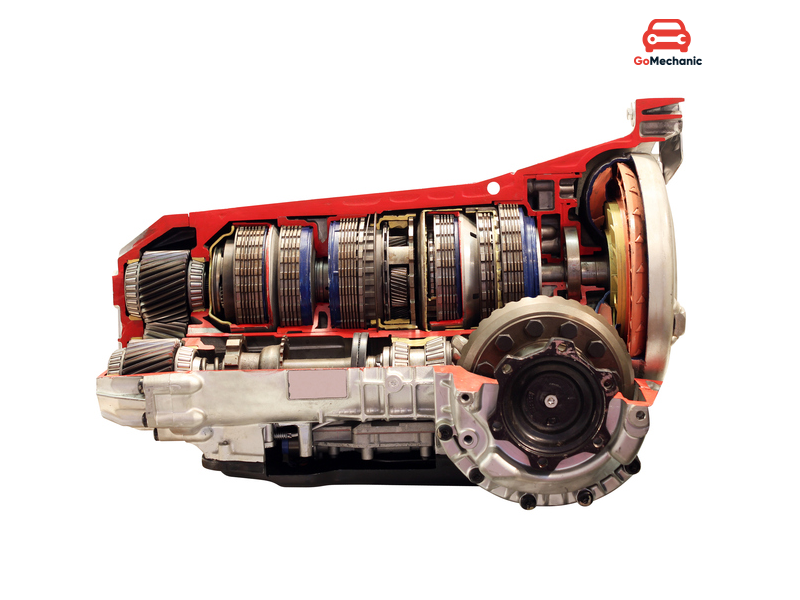
However, a conventional gearbox works manually because the driver constantly shifts gears in the correct sequences as per his judgment! A torque converter helps in the procession of automatic transmutation. The automatic gearbox will decide which gear to shift subsequently, based on the various inputs such as road speed, throttle input, and bracket stress to name but a few. A planetary gear set arrangement exists inside any of the automatic gearboxes, which ultimately provides gear ratios. These result in shifting fluid through various hydraulic controlled channels inside the automatic gearbox to let the gears change smoothly. But this also serves to ward off clutch pedestals in the first place, thereby making the driver simply steer and take care of braking!
Pros and Cons of Automatic Transmission
Pros:
- Convenience: Gear shifts happen automatically, reducing driver effort.
- Ease of Learning: Automatics are easier to learn, making them ideal for new drivers.
- Smooth Driving: Modern automatics offer seamless transitions between gears, ensuring a comfortable ride.
Cons:
- Higher Cost: Automatics are more expensive to buy and maintain.
- Fuel Consumption: Older models tend to be less fuel-efficient than manuals.
- Complexity: More components mean a higher likelihood of expensive repairs.
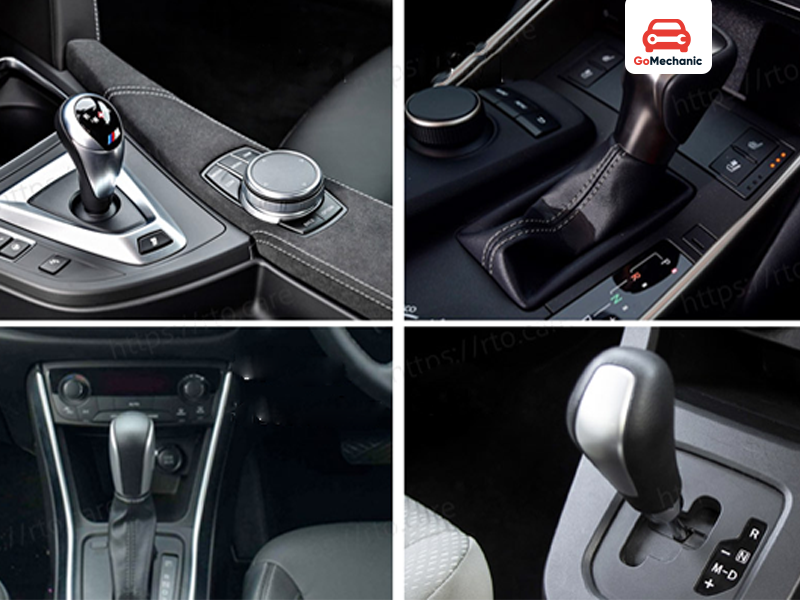
TYPES OF AMT
- Conventional Automatic transmission (AT)
This is a redesigned automatic system, which has an amicable mechanical relationship with the crowd. It functions by transferring the engine’s power into the wheel via the torque converter, and planetary gear sets are required to gear down all the devices. Involving smooth and dependable function, ATs serve the purpose of versatility and are common entirely; apparently, they balance comfort against efficiency. However, they usually do poorly at the pumps when compared with other recent systems.
- Continuously Variable Transmission (CVT)
The Continuous Variable Transmission system has a completely different perspective on changing gears. It boasts a variable speed of fixed gears and accomplishes all this through a system of pulleys and steel twist belts. The on-the-fly gear change is smoother than ultrapower, and so CVTs are among the proponents of fuel efficiency. Nonetheless, to many drivers, it lacks the punch of the sporty feel of the traditional gearbox.
Related: Top 10 CVT Transmission Cars in India: Smooth, Efficient, and Affordable Choices
- Automated Manual Transmission (AMT)
Popular as clutchless manuals, AMT has provided automatic gear-shifting capabilities to be initiated by manual transmission. Leveraging actuators and sensors, this class of transmission device eliminates the pedal for the clutch; still, it provides manual systems. A user of an AMT, being cheap to acquire and maintain, will only need less fuel than the rest of its AT contemporaries. dreads by car enthusiasts as they can be very expensive. They are extremely popular in affordable cars.
- Dual Clutch Transmission (DCT)
These transmissions bring together the best of manual operation and automatic convenience. The two clutches a primary and a secondary, are employed for an odd-to-even gear engagement system such that the destined shift begets a no-impact delivery. DCTs, favorite to performance cars, offer incredible acceleration. The driving feel is quite sporty. Expenses in repair, however, are a tad bit higher.
CVT and AMT Difference

Key Differences Between CVT and AMT
| Feature | CVT (Continuously Variable Transmission) | AMT (Automated Manual Transmission) |
| Mechanism | Uses a belt-and-pulley system to provide infinite gear ratios. | Automates gear shifting in a manual gearbox using actuators. |
| Driving Experience | Extremely smooth and seamless acceleration. | Slightly jerky gear shifts during transitions. |
| Fuel Efficiency | Typically efficient due to optimal engine RPM management. | Comparable to manual transmissions when driven properly. |
| Cost | More expensive to manufacture and purchase. | Affordable and only marginally pricier than manuals. |
| Maintenance | Higher maintenance cost due to complex components. | Lower maintenance cost due to simpler mechanics. |
| Performance | Offers a refined, lag-free experience, suitable for city driving. | Best suited for budget-conscious buyers, less refined. |
| Usage | Found in premium cars, hybrids, and city-oriented vehicles. | Widely available across budget-friendly cars in India. |
| Target Audience | Ideal for those prioritizing smooth performance and comfort. | Suitable for first-time buyers and cost-sensitive drivers. |
AMT Cars in India
Automatic Manual Transmission (AMT) cars have already created positive disruptions in the Indian auto market. AMTs have blended reasonable prices with convenience, to make driving simple without pinching the pocket. No wonder AMTs have been the favorite choice for all–for quite some time now–in the Indian urban areas, plagued by severe traffic congestion and stop-and-go situations.
Top AMT Cars in India
| Car Model | Price Range (₹) | Mileage (km/l) | Key Highlights |
| Maruti Suzuki Swift | 6.50–8.90 lakh | 22.38 | Reliable, fuel-efficient, and widely available. |
| Hyundai Grand i10 Nios | 6.70–8.50 lakh | 20.7 | Premium interiors with great features for the price. |
| Tata Tiago | 6.30–7.90 lakh | 23.84 | Strong build quality with excellent safety ratings. |
| Renault Kwid | 5.85–7.50 lakh | 22.0 | Compact design, perfect for city driving. |
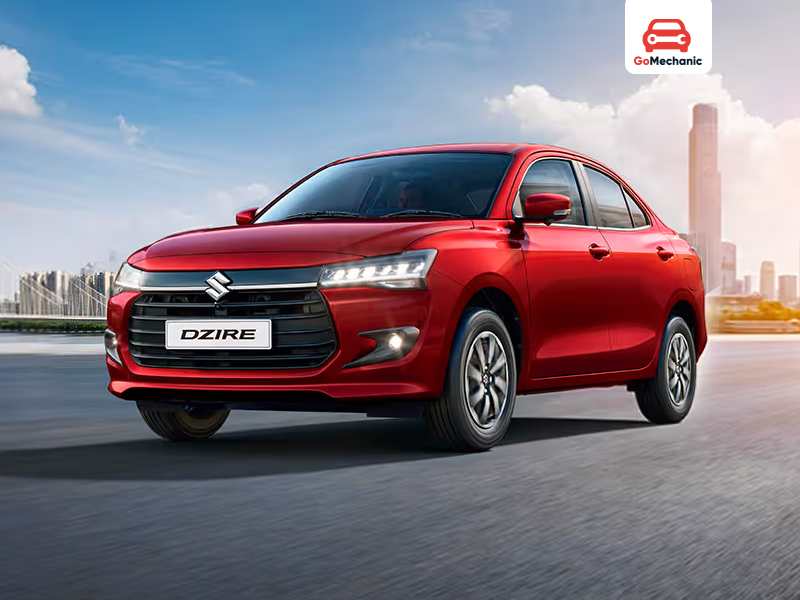
| Maruti Suzuki Dzire | 7.30–9.00 lakh | 24.12 | Spacious sedan with an efficient AMT system. |
The difference between manual and automatic transmission can be done on the basis of some major characteristics.
1. Cost: Initial and Later
Manual Transmission:
The manual car is generally cheaper in terms of the purchase price due to its design simplicity and few parts. In addition, production costs are low, which leads to a less expensive purchase for the buyer. Even in the long term, the repair cost of manuals is often less expensive compared to automatic transmissions.
Automatic Transmission:
Automatic cars tend to be expensive initially because of their complex systems like torque converters and hydraulic controls. High-end versions, such as CVTs or DCTs, add greatly to the initial cost. In the long run, the repair and replacement costs also add up due to the complex mechanism and dependency on specialty servicing.
2. Maintenance: Complexity vs Simplicity
Manual Transmission:
Mechanics being less complex in nature, less number of parts will be susceptible to wear and tear, thus adding to lower maintenance costs. Most problems in manual transmissions, such as clutch replacement or gear shift malfunctions, are easy to solve and inexpensive. A manual transmission can go for hundreds of thousands of kilometers if well maintained.
Automatic Transmission:
Automatics are constructed with sophisticated systems that require specialized knowledge and tools to repair, thus making maintenance costly. Modern automatics, although reliable, contain components such as torque converters, planetary gear sets, and sensors that are expensive to replace. Over time, the higher maintenance costs of automatics can cancel out their benefit of convenience.
3. Resale Value: Demand and Trends
Manual Transmission:
Manuals will hold moderate resale demand in some markets. Driving enthusiasts prefer manual cars due to the “hands-on” feel. However, in urban regions or markets becoming increasingly convenience-focused, manuals normally have lower resale values. A manual car may deprecate quicker in regions that have a majority of automatics.
Automatic Transmission:
Automatics, especially in cities with high traffic volumes, hold a better resale value because they prove more practical. With most buyers considering automatics for easier driving, the same cars can come with higher demand in the second-hand market. Other variants like AMT (Automated Manual Transmission), and CVT – which deliver affordability with efficiency – add to the resale value.
The Final Shift: Making the Right Call
The war of manual vs automatic transmission is never-ending. At the end of the day, your choice of transmission isn’t just about gears and mechanics—it’s about how you connect with your car and the road ahead. If you love control and thrive on the tactile engagement of driving, manual transmission might just be your partner in crime. So if convenience and ease in chaotic traffic are your vibes, then an automatic option in the form of AT, CVT, or AMT could be a real game-changer. Each one of these comes with its unique features, as suited to a person’s needs, terrain, and budget. The bottom line is that one needs to decide what works for them. No matter the transmission, what it really boils down to is enjoying the ride—be it smooth and efficient, or thrilling, that’s in one’s hands.
FAQs
- Which is better Manual vs Automatically transmission cars?
It depends on the driver’s preferences and needs. Manual transmissions in cars give you more control and can be more fuel efficient in some conditions. Automatic cars are easier to drive and more convenient in traffic. For either transmission, neither is necessarily “better” than the other but really depends on the driver.
- What are the disadvantages of a manual car?
Manual cars are more work, especially in heavy traffic where you are constantly shifting gears. Manual cars also have more learning curve for beginners who may not need to learn how to drive a manual vehicle. And finally, if not driven properly, you could cause the clutch to wear out faster than normal
- What are the disadvantages of automatics?
Automatic cars can generally be more expensive to buy, and tend to cost more to maintain. Automatic are sometimes less fuel efficient than manual in some models. And in some situations have less control than manual, ie steep inclines, and off-roading.
- Which car is more safe, automatic or manual?
Both manual and automatic cars can offer the same level of safety. It is depending on how the driver operates the vehicle. Automatics may lessen driver distraction in stop and go traffic due to the ease of driving. Whereas a manual car may promote the driver be more respectful while driving. Ultimately, safety depends more on the driver than the type of transmission in the vehicle.


