GoMechanic





Electric vehicles have become a buzzword in the last couple of years owing to their capabilities in changing the automotive world. These cars are nothing short of a clean, innovative form of vehicle to regular gasoline or diesel-based vehicles, as they are taking a turn with time regarding defense against environmental pollution and depletion of fossil fuels. This article will discuss everything about what electric cars are, their significance, their comparison with non-electric ones, their importance in India, the latest technologies employed in them, and their pros and cons.
What Are Electric Vehicles?
Electric vehicles (EVs) are those kinds of vehicles that employ electricity as their energy source in a kind of electric motor. Unlike the internal combustion engine (ICE), which burns fuel to make energy. The various benefits of electric vehicles make them the finest choice for the upcoming days. Electric cars have very large battery packs that store electricity and convert it into energy, in turn creating enough force to push the wheels.
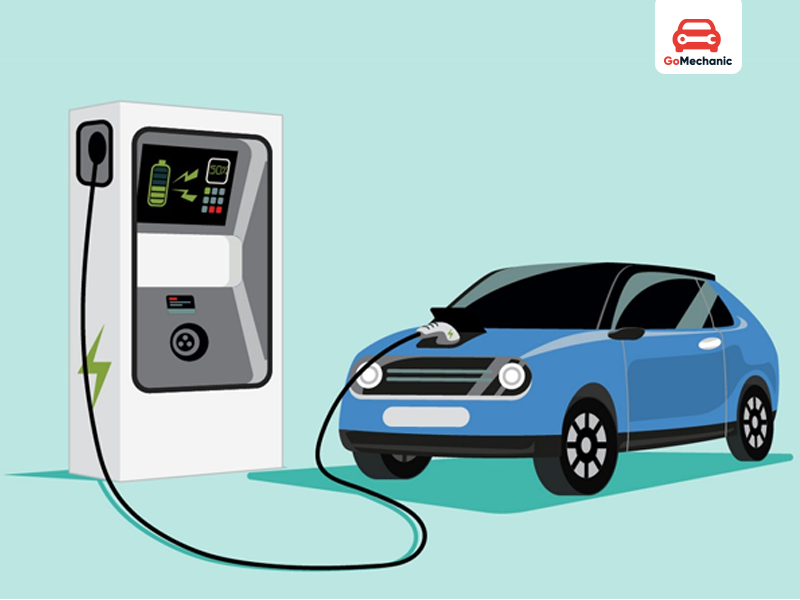
There are three major categories of electric vehicles:
- Battery Electric Vehicles (BEVs): There are various advantages of electric vehicles, one in that these cars operate only on electricity and, therefore, require a battery pack that needs to be recharged from an external power source (charging stations or home chargers). So at no point do they e a gasoline engine.
- PHEVs are hybrid vehicles that possess both an electric motor and a gasoline engine: they can run a short distance on electric power and switch to gasoline for that long journey.
- An HEV is a hybrid car, one that uses an electric motor jointly with an engine but does not require any external charging. Instead, its battery is charged by regenerative braking and the engine.
Importance of Electric Cars
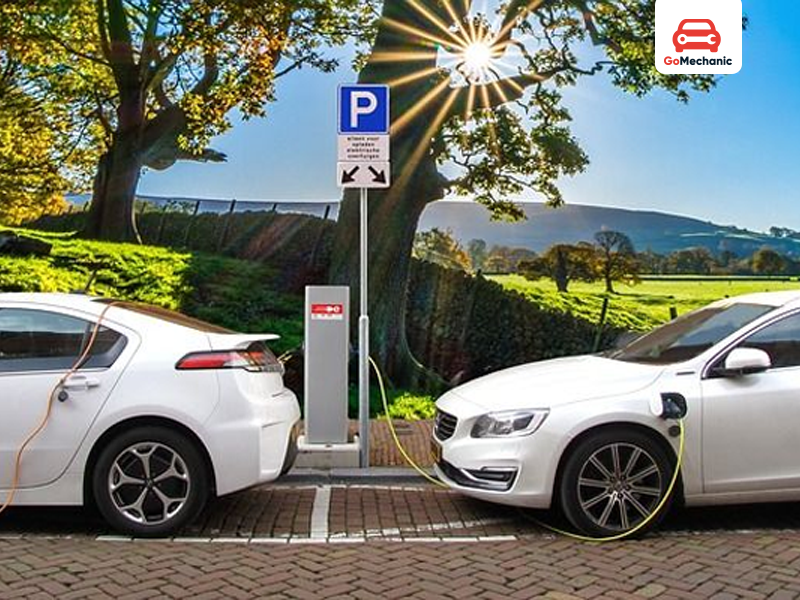
- Reduction in Emissions: The principal benefit attributed to electric cars is that they release no emissive gases from their tailpipes. Electric vehicles practically contribute to the control of gaseous emissions and other causes of air pollution.
-
- Reduction of Greenhouse Gas Emissions: As these vehicles don’t consume any fossil fuels, they help fight climate change and global warming through reduced carbon dioxide emissions.
- Energy Efficiency-Improved Efficiency: An electric motor uses far more energy efficiently compared to an IC engine. An EV uses more than 85% of power coming from the battery to drive its wheels, while gas engines use only around 20% of the energy for the same push.
- Cost Savings: Cheaper than gasoline and diesel with better savings on maintenance from fewer moving parts in EVs.
- Decrease of Dependence on Fossil Fuels: Electric cars, especially if fed by sustainable sources, can lessen a country’s oil as well as other fossil resource dependence, since they run on electricity.
- Incorporation of renewable energy: Electric vehicles in India are able to take energy from renewable sources such as sunlight or wind; thus, their negative environmental impact can be reduced even further.
Advantages of Electric Cars: Detailed Explanation
1. Environmental Benefits
The environment is greatly benefited by these electric vehicles. They do not emit these toxic tailpipe emissions into the atmosphere like carbon monoxide, nitrogen oxides, and particulate matter as do their fossil fuel-burning counterparts. This, in turn, benefits the reduction of air pollution in metropolitan areas where vehicular emissions have turned out to be a great nuisance. They also contribute as another benefits of electric cars, as they limit the emission of greenhouse gases and climate change mitigation efforts. The more the renewable energy sources feed into the specific power grid, the more the EVs become environmentally friendly. From cars dependent on fossil fuels toward electric ones, more and more improvements are brought into nonrenewable resource dependency. This transition to cleaner transport should benefit, in terms of quality, the air and public health as well as the earth.
2. Reduced Carbon Footprint
Electric vehicles-the direct conservation of energy with respect to bygone traditional gasoline or diesel-powered vehicles. This can be attributed to the fact that EVs use electricity, which, if generated, say by wind or sun, would make the vehicle nearly carbon-neutral. In charging mainly from a mostly fossil fuel-reliant grid, they still pollute less than their gasoline or diesel brethren. EVs further help reduce emissions related to the manufacturing process, made possible by the fact that with electric motors there are far fewer materials and processes required in their production than with internal combustion engines. The eco-friendliness of the vehicle in its operational lifetime is far better justified as the grid moves toward cleaner alternatives.
3. Noise Pollution
Another one among the advantages of electric cars is that they do not produce much noise. Electric cars are far quieter than gasoline vehicles. Due to the absence of an internal combustion engine, there is a lesser noise during driving, especially at low speeds. The alleviation of such noise pollution can greatly benefit living on earth in busy cities. More engine silence equals more peace for urban inhabitants and mental health relief. Their peaceful drive will be a soothing soothing experience for the driver as well as pedestrians alike. The cumulative effect of increasing electric car adoption will mean a quieter, less bothersome environment. The very absence of noise from EVs may help with issues like noise-induced sleep disruptions or hearing impairment.
4. Lower Operating Costs
Though the electric car is more expensive, the operating costs during its lifetime are cheaper. Charging the batteries using electricity costs less than filling up a gas tank, and that gives a lower cost per mile, which means in the long run, a driver saves money on fuel. The other factor is EVs do have fewer moving parts and thus require less maintenance. There will not be the need for an oil change or repairs for engine problems and exhaust systems: this will lower maintenance costs and fewer surprise bills for repairs. Eventually, starting from the warranty assistance provided for many years and lasting years, the cheaper your car will become.
5. Tax Incentives and Rebates
Financial support in purchases of electric vehicles is being provided by governments all over the world in order that these vehicles may be popularized. These grants help significantly reduce the upfront cost of an EV. Tax credits and rebates keep prices low, putting EVs in reach of a much larger audience. Sometimes there are additional subsidies to install at-home charging stations, providing a greater degree of convenience to the transition from combustion vehicle to driving electric. In different states, EV owners are also eligible for incentives such as toll exemptions, free parking, or access to carpool lanes. These incentives reduce the initial costs and encourage people to make the green switch to electric transportation.
6. Instant Torque and Acceleration
Instant torque is one of the truly remarkable characteristics of an electric car. Traditional petrol engines take time to build power, while electric engines provide immediate response as soon as the driver pushes the accelerator. The result is instant acceleration experienced without being jolted, leading to a calmer feeling of driving. That direct response gives an impression of agility and nimbleness while driving. If you are merging on the highway or handling stop-and-go city traffic, acceleration is at its best with an EV. That instant feel of power is what makes electric cars a blast to drive; many would call it high-performance sports car-like. Add in that there is no gear shifting to interrupt the flow, and you’ve got acceleration experienced without disruption.
Do Read: Traditional vs Electric Vehicles: A Comparison in India
7. Regenerative Braking
Regenerative braking is another way of an electric car that catches energy that otherwise would be wasted when braking. Pressing the brake pedals causes the electric motor to reverse, converting some of the kinetic energy into electrical energy, charging its battery. Hence, some of the energy is sent back into the vehicle, thus raising efficiency overall on helping in extending range. The wear and tear on the brakes would also be less, meaning less maintenance, and the braking components could last longer. Regenerative braking, while not fully in control, allows for smooth deceleration, which is a true advantage to an EV owner because it saves energy and repairs.
8. Greater Efficiency
Another one among the benefits of electric cars is their efficiency. Electric vehicles are characterized as utilizing energy more efficiently when compared to gasoline or diesel engine vehicles. An electric vehicle usually converts up to over 85% of electrical energy from the grid to power at the wheels. Conversely, a gas engine only converts about 20% of fuel energy into useful work. Electric vehicles, therefore, provide better fuel economy owing to lower energy consumption per distance traveled. Another potent argument includes the electric vehicle powertrains that do not experience a number of inherent inefficiencies in gasoline engines, namely-heat loss, or friction. Thus, electric vehicles harness cleaner energy sources across shorter distances. Increased energy efficiency reduces negative environmental impact due to lower resource consumption.
9. Reduced Dependency on Fossil Fuels
Possibly like any electric vehicle, with this type of help in reducing global dependence on fossil fuel resources. As more and more people turn to using electric vehicles, there will be reduced demand for gasoline and diesel, which will help reduce our need for oil. Such changes may relieve some amount of geopolitical tensions with respect to oil resources while disturbing less the environment in relation to fossil fuel extraction. Furthermore, EVs can be supplied by renewable resources for electricity, entirely putting oil and gas in the corner. This particular reduction in fossil fuel consumption thus faces worldwide support for sustainable futures with clean renewables starting into the picture for powering transportation systems. Some other advantages of developing reduced dependence on fossil fuel energy sources include shielding against oil price volatility impacts and energy scarcity.
10. Enlarged Charging Infrastructure
Yet another concern that has most potential owners of electric vehicles worried has now gone to the immediate past. Governments and private firms have increased their investments in the network of chargers. Considering the benefits of electric cars, the government has launched fast-charging stations that are now springing up in less populated towns. In some regions, new electric vehicles grant their owners free entry to public charging networks for a certain amount of time. It is becoming more affordable for individuals to be able to set up charging stations into their garages or driveways. One’s charging infrastructure is also improving at home. This growing network of chargers provides more convenience and peace of mind for EV owners, knowing that they can easily get to a charging station whenever they need one.
Do Read: BS6 Engines: The Future of Cleaner, Smarter Vehicles
Comparing Electric Cars with Non-Electric Cars
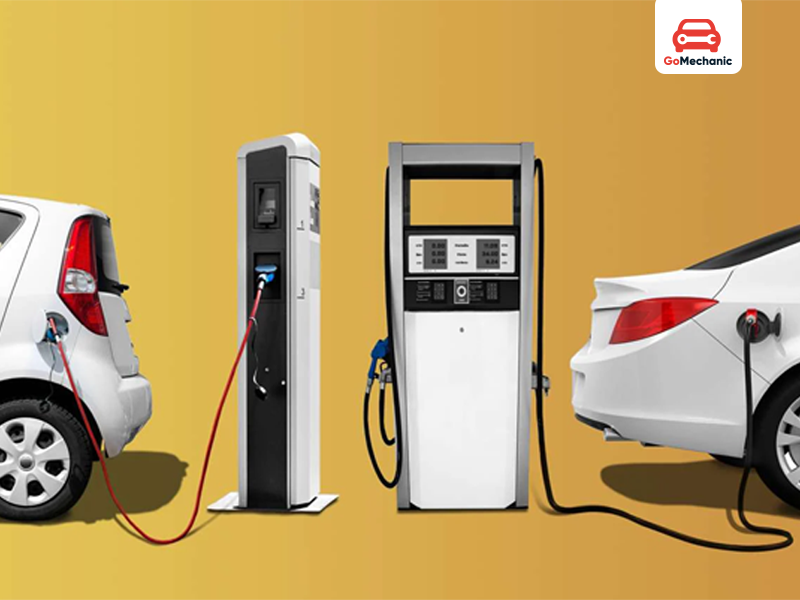
| Feature | Electric Cars (EVs) | Non-Electric Cars (Gasoline/Diesel) |
| Fuel Type | Electricity (from charging stations or home chargers) | Gasoline or Diesel |
| Emissions | Zero tailpipe emissions, lower carbon footprint | High emissions, contribute to air pollution |
| Fuel Efficiency | More energy-efficient, converts 85-90% of energy to wheels | Less efficient, only 20-30% of energy is used for propulsion |
| Maintenance | Low maintenance, fewer moving parts, no oil changes | Higher maintenance, regular oil changes, exhaust system issues |
| Operating Costs | Lower operational costs (charging cheaper than refueling) | Higher operational costs (fuel prices fluctuate) |
| Range | 100-400+ miles per charge, varies by model | 300-500+ miles per tank of gas or diesel |
| Refueling/Charging Time | Charging time varies (30 minutes to 8 hours depending on charger type) | Few minutes to fill up at gas stations |
| Driving Experience | Quiet, smooth acceleration, instant torque | Noisy, slower acceleration |
Developments in New Technologies for Electric Cars
Now that we have understood the advantages of electric vehicles. Let’s jump onto various developments in electric cars. Electric vehicles are undergoing the never-ending evolution of progressive technology. Some of the most advanced innovations in electric vehicles are:
- Solid-State Batteries: Solid-state batteries hold a lot of promise to replace lithium-ion batteries; they have a higher energy density and a shorter charging time. It is much safer in comparison to lithium-ion batteries because there are no leakage or fire hazards.
- Fast Charging: With the latest charging techniques and ultra-fast charging stations, it has reduced the charger time of new electric vehicles to as short a duration as 30 min for an 80 percent charge.
- Self-Driving: Self-driving technology also integrates these electric vehicles with the rest of the vehicle technology where applicable by many car manufacturers such as Tesla.
- Vehicle-to-Grid (V2G) technology: The V2G technology contributes to cases where electric vehicles use their batteries to discharge the stored energy back to the municipalities. Regenerative braking: It lets the EVs harvest energy when brakes are applied and send it back into the battery, thus providing overall energy efficiency.
Drawbacks of Electric Cars
1. Higher Initial Acquisition Prices: Because of very expensive battery technology, upfront costs are quite high compared to other kinds of vehicles, although the trends are on a downward slope.
2. Range Anxieties: Range restrictions are common to electric vehicles, as they cannot match ranges over gasoline vehicles, even if many have more than doubled their capacities in range. This may pose challenges for those who live in rural areas or need to routinely drive long distances.
3. Plugging to Charge: Charging stations are very few even with the improvements in numbers. Therefore, it is challenging to go on a long trip in these vehicles, especially in remote areas.
4. Charging Time: Electric cars take hours to charge, depending on what chargers used. Although there is fast charging, it is certainly not as speedy as fueling at a gas station.
5. Battery Life: Over time, electric vehicles suffer battery degradation, which reduces the range of the vehicles. Although warranties are typically available, replacement is still very costly.
Conclusion
Electric vehicles are set to change the current outlook for transport for all good reasons of clean environment, economy, and technology. This goes with the emission reduction, efficiency seen through the operation of EVs, fuel and maintenance economy contributing towards climate change mitigation and sustainable development. Surely, India is well on its way to electric mobility, and now and in the future electric car demands continue to increase, chiefly due to innovations in infrastructure for charging systems and various government incentives along with technological developments like solid-state batteries and self-driving capabilities. Along with the continuous amazing developments and increasing application, electric cars are facing a bright future with high initial costs and concerns about range.
This is trending, BYD Unveils the Sealion 7 Electric SUV in India at Rs 48.9 Lakh