






When it comes to cars, one thing that must invariably be on the cards is safety. In the time of growing SUVs, the Honda Elevate is that car which is bound to give its occupants the highest degree of possible safety. But what gives us the confidence that this SUV will really match safety standards? The other determinants for a 4 or 5-star Honda Elevate NCAP rating are the structure of car, its advanced safety features, and its highly expected crash test scores.
Let us move ahead to explain why safety must matter, the Honda Elevate safety rating and how the Honda Elevate is tailor-made to protect you and your family.
What Is NCAP and Why We Should Care?
Prior to exploring the finer details of the Honda Elevate and its expected rating for safety, we need to understand what NCAP is and how important it is for evaluating vehicle safety.
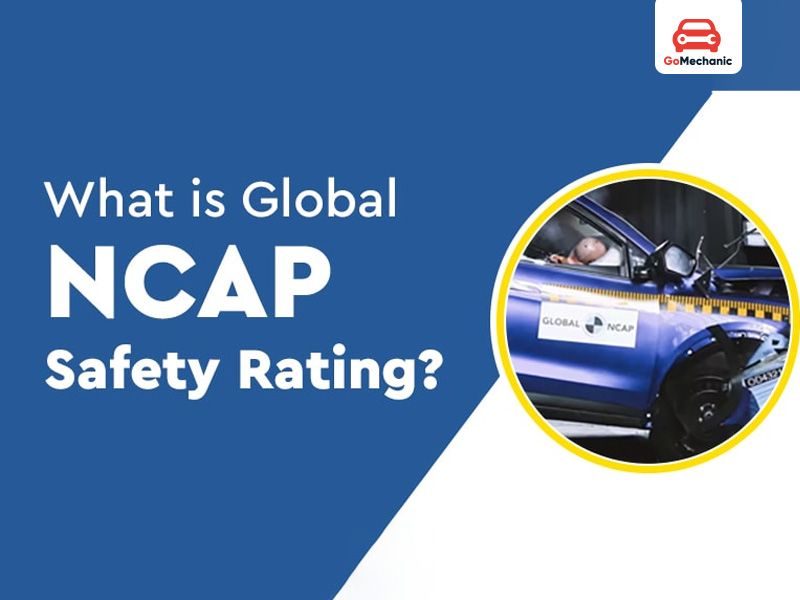
A global car safety rating system, NCAP is widely accepted. Different countries and regions run their own NCAP programs in which cars are crash-tested for various injury scenarios, assessing in each case the degree of protection offered to occupants and to pedestrians by the car. NCAP rating is an explicit measure of the safety of a car derived from different types of crash tests and safety evaluation. Cars are generally tested on:
- Frontal crash safety
- Side-impact crash protection
- Pedestrian protection
- Safety features such as airbags, seatbelt efficiency, and safety assist systems.
These tests provide consumers with a third-party, standardized measure of vehicle safety and enable them to make better purchases when buying a car.
Why NCAP Ratings Matter?
- Peace of Mind for Consumers: NCAP ratings deliver an independent assessment of the safety of a car, allowing customers to make smarter choices about keeping their loved ones and themselves safe.
- Standard of Excellence for Companies: The ratings challenge automakers to make vehicles safer than current minimum safety regulations.
- Responsibility: NCAP ratings compel manufacturers to maintain high safety standards and keep striving for better crash performance and protection in their cars.
In a world where car accidents are a reality, NCAP ratings have emerged as an essential benchmark that consumers use to assess how safe their vehicles are. An NCAP 5-star rating guarantees that a car has been tested thoroughly and can offer the best protection in actual crash situations.
Also Read: Honda Elevate vs Rivals: Specs Compared!
Honda Elevate NCAP Rating: Not Available Yet
Despite having an extensive list of safety features and the solid platform, the Honda Elevate has still not received its official NCAP ratings. For now, the EVNCAP rating is much anticipated by auto enthusiasts, safety-conscious buyers, and industry experts alike. Usually, these ratings are given after the vehicle clears some rigorous crash tests and are the means through which consumers get an objective, third-party assessment of a vehicle’s safety performance.
Although there are lots of probably drawn assumptions, safety technologies were advanced enough for the Elevate and some speculation could be drawn on the basis that the Elevate shares the same underpinnings with the Honda City, which already earned a 5-star rating from ASEAN NCAP for adult occupant protection. These very same bases lead to the expectation that under the crash tests yet to be conducted, the Elevate too will do well. As for the Honda City performing so impressively in safety arenas, it really raised the standard for www.html. Would-be buyers could be confident that the SUV is likely going to perform well in similar tests, with respect to ACE body structure, six airbags, ADAS features, and a collection of modern safety technologies.
Honda Elevate: A Deep Dive into Its Safety Features and Crash-Test Performance
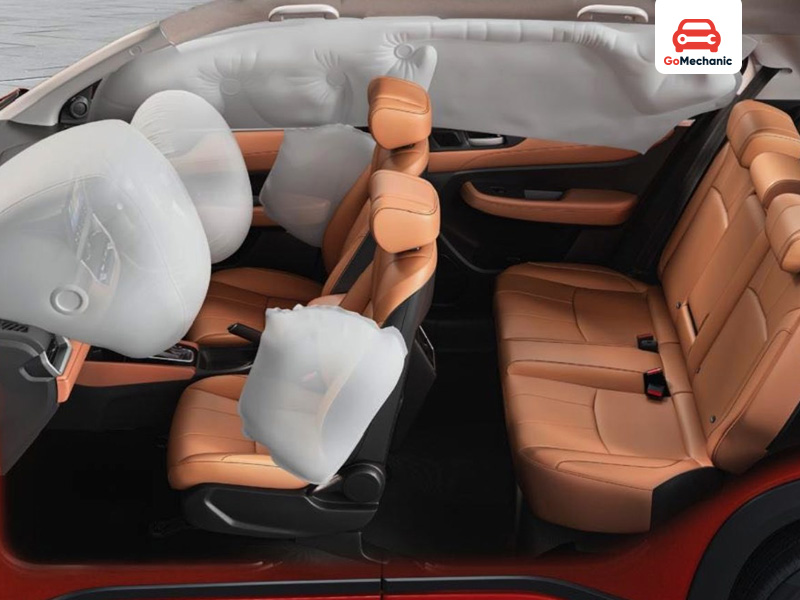
The Honda Elevate is a great SUV, but it’s not the design or interior features that make it truly special. It’s the safety features and platform that it’s constructed on that set it apart in the extremely competitive mid-size SUV market. Before understanding honda elevate safety rating Here’s a summary of the car’s safety features:
1. Platform and Body Structure: Constructed with Protection
The Honda Elevate has the same platform as Honda City, which has already achieved a 5-star rating by ASEAN NCAP for adult protection. The Honda Elevate, with its ACE (Advanced Compatibility Engineering) body structure, borrows this strength and becomes a stiff competitor when it comes to crash protection. The ACE body structure is engineered to disperse crash energy throughout the vehicle, dissipating impact forces and blocking intrusion into the cabin. Occupants are protected as safely as possible in the event of a collision.
2. Safety Features: A Shield of Technology
Honda has ensured that the Elevate is filled with safety features. Active to passive, the Elevate offers a full complement of safety devices aimed at ensuring you remain safe on the road.
| Feature | Description |
| Six Airbags | Crash protecting, full front, side, and curtain airbags for all passengers. |
| Hill Start Assist (HSA) | Preventing roll back of vehicle on slopes and grades, so avoiding accidents starting on a hill. |
| Vehicle Stability Assist (VSA) | Stabilizes the vehicle in inclement weather or slick roads, reducing skids. |
| Rear Parking Camera | Enables easier parking by providing a clear view of the obstacles behind while moving backwards. |
| ISOFIX Child Seat Mounts | Provides child seating strapped in properly for peace of mind to families with children. |
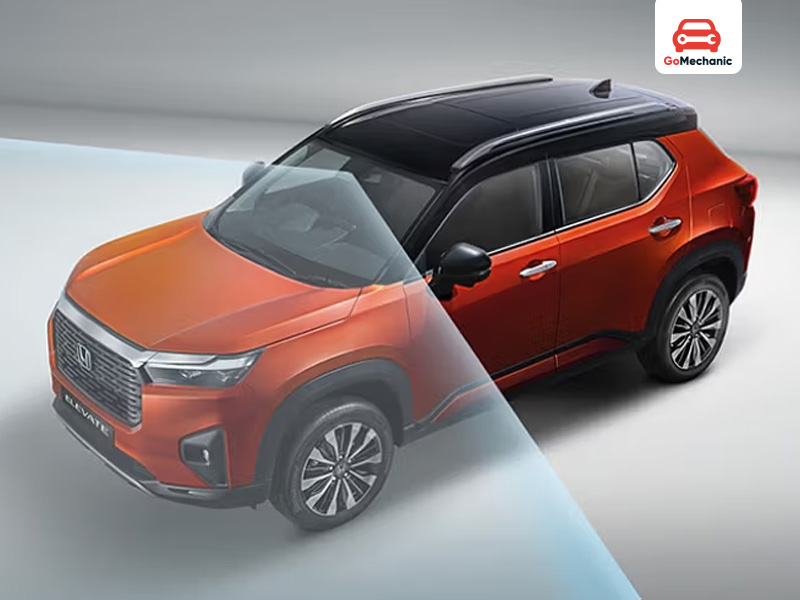
| LaneWatch Camera | Improves visibility on the passenger side to help avoid an accident while changing lanes. |
| Electronic Stability Control (ESC) | Automatically vary brake force to save stabilize after unexpected swerve or skid. |
| Automatic Emergency Braking (AEB) | Detect within the near zone and brakes simultaneously for reducing effects of collision or if possible avoid accident. |
| Lane Keep Assist (LKA) | Steers the vehicle back into its lane if it begins drifting, helping avoid unintentional lane departures. |
| Adaptive Cruise Control (ACC) | Automatically adjusts the car’s speed to maintain a safe distance from the vehicle ahead. |
| Auto High-Beam | Switches between high and low beams based on traffic conditions, providing optimal illumination while driving at night. |
3. Anticipated Excelling out of Crash Tests: Strong Candidate for Top Ratings
The Honda Elevate is likely to pass with flying colors, all due to its tough platform and array of safety features, with Bharat NCAP and Global NCAP ratings official announcement still awaited.
- Pedestrian Protection: The Elevate has been subjected to pedestrian protection studies, confirming that Honda has actually included pedestrian safety in the car’s design.
- Crashworthy: According to Honda’s own crash tests, the Elevate should be fairly strong in frontal or side collision resistance.
- Expected NCAP Rating: Considering the platform and the safety technologies, one could expect the Honda Elevate to score a 4 to 5 stars safety rating in both Bharat NCAP and Global NCAP tests.
- Advanced ADAS, crash-acting platform, and upgrade safety features work in favor of the Elevate in this respect among the SUVs in this space.
This real-life event questions the safety.
An interesting post on a social media platform caught the attention of many users and showcased an incident that questions whether the safety ratings of some vehicles can be relied upon. In the post, one can see the Honda Elevate SUV in Bengaluru, Karnataka, with a huge tree downed on it. Considering the magnitude of force with which a tree falls, most vehicles would have sustained considerable damage, but the tree spared the Honda Elevate. The structure of the SUV held firm, with the A, B, and C pillars retaining their strength and showcasing the toughness of the car. That begs the question: Do safety ratings really represent how a vehicle performs in such uncertain incidents in the world? Though crash tests with ratings are very important indicators, such real-life incidences can yield another view as to how well the car protects its occupants when faced with unexpected threats.
Read this also, Honda Cars in India: The Choices That Matter
Conclusion: Honda Elevate Safety Rating
Since Honda Elevate NCAP ratings are not available, the question still stands tall. How much safety does this car offer? Towards the expected NCAP ratings, it currently serves as a potential safety SUV. However, the Elevate also contains all the features related to the ADAS advanced driver assistance system called Honda Sensing. Adaptive cruise control, lane keeping assist, collision mitigation braking, and road departure mitigation are other systems such as these. All are aimed at preventing accidents and making driving safer. What more would the Enduring Safety Features provide while driving mostly in the city or sometimes even on long trips? All of these promises comfort and dependability to all the travelers’ future journeys with this particular vehicle. As more details come in and then release the official NCAP safety ratings, the Elevate is certainly going to end up among the top contenders in the safety-oriented segment of the SUV market.
FAQs
1. What is the safety rating of Honda Elevate?
Honda Elevate has a 5-star rating in the Japan NCAP. Its overall score was 176.83 out of 193.8, among which the collision score was 86.01, the preventative safety score was 82.22, and the emergency brake and calling system got full marks.
2. Does Elevate have a 5-star safety rating?
Yes, Elevate has a 5-star safety rating due to its advanced options like emergency braking, emergency calling system, collision system, 6 airbags, level 2 ADAS, and many more.
3. Is Honda Elevate a success or failure?
Honda Elevate is a successful car with positive reviews and 1 lakh plus sales across India, and it is the first car of Honda that is made in India and exported to Japan.
4. Which is better, Kushaq or Elevate?
It depends on the preference of the buyer. The Elevate is far better in ride comfort and a spacious, airy interior, while the Kushaq provides a more premium feel, better driving dynamics, and potentially more features, especially in its 1.5L engine variant.
5. What is the NCAP rating of Honda Elevate?
The Honda Elevate’s official NCAP crash test rating is still pending. But because of its safety precautions, Honda vehicles are regarded as being quite dependable. Stability control, hill assist, six airbags, & ABS with EBD are among the standard options of the Elevate. It will be evident how well this vehicle does in crash tests once the NCAP rating is made public.
6. Is Honda Elevate a success or a failure?
The market response to the Honda Elevate has been overwhelmingly good. People like its ground clearance, design, & Honda’s dependable engine. The Elevate has built an image for itself despite the intense competition in the small SUV industry. Sales numbers are constant, so it can’t be considered a failure. The Elevate is regarded as a successful launch overall.
7. Is Honda Elevate better than Nexon?
Both the Honda Elevate and the Tata Nexon have their own strengths. The Nexon tops the safety rating, having earned a 5-star Global NCAP score. Meanwhile, the Elevate is well-known for its roomy cabin, smooth petrol engine, and high-end Honda construction. If you want a sporty car with more features, the Nexon is a better choice, but for comfort and reliability, the Elevate is a strong choice.
8. What is the star rating of Elevate?
The Honda Elevate’s Global NCAP star rating has not been officially announced yet. However, Honda has focused on safety in this car, including multiple airbags, stability assist & a strong body structure. Based on the company’s safety standards, the rating is expected to be decent. The exact star rating will be confirmed when NCAP results are published.
Want to Know About More Safety Ratings?
- Fortuner Safety Rating 2025: A Comprehensive Review
- Honda City Safety Rating 2025: All you need to know about its Global NCAP Rating
- Mahindra Bolero Neo Safety Rating: A Strong SUV, A Weak Shield?
- Analysis of Hyundai Verna Safety Rating By Global NCAP
- Why the Ertiga Safety Rating Dropped: What Every Buyer Must Know
- Skoda Slavia Safety Rating by Global NCAP & Features
- Hyryder Safety Rating: Decoding the Protection Behind the Design
- Mahindra Scorpio N Safety Rating: How Safe Is It?
- Kia Carens Safety Rating: A Journey of Protection and Possibility


