






Zero-emission vehicles are increasingly becoming popular in India as the population seeks more sustainable transportation means that are cleaner. These cars do not emit dangerous tailpipe gases into the air and this curbs air pollution in urban areas. The zero-emission cars are predominantly electric-based, and they do not produce direct emissions during the driving process. Electric vehicles can become more and more practical in everyday use with the improved battery technology, the availability of better charging infrastructure, and with the help of governmental policies. A significant number of manufacturers have come up with various models in various segments. This paper describes the list of zero-emission vehicles that will be offered in India in 2025 with emphasis on factual information that buyers can have the complete picture of each model and make an informed choice.
Zero-Emission Vehicles list in India 2026
| Car Model | Segment | Power Source | Transmission | Ex-Showroom Price |
| Tata Punch EV | Compact SUV | Electric | Automatic | ₹9.99 – ₹14.44 Lakh |
| Tata Nexon EV | Compact SUV | Electric | Automatic | ₹12.49 – ₹17.49 Lakh |
| MG Windsor EV | Crossover | Electric | Automatic | ₹12.00 – ₹15.81 Lakh |
| Mahindra BE 6 | SUV | Electric | Automatic | ₹18.90 – ₹28.54 Lakh |
| Tata Harrier EV | Mid-size SUV | Electric | Automatic | ₹21.49 – ₹30.23 Lakh |
| Kia EV6 | Premium EV | Electric | Automatic | ₹65.97 Lakh |
1. Tata Punch EV
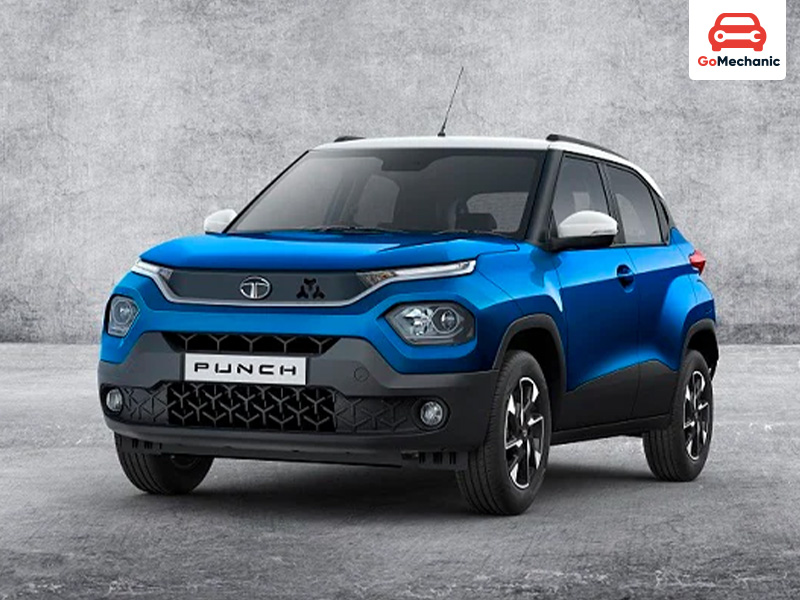
The Tata Punch EV will be a small but useful model in the zero-emission car market in India. It is completely electric and does not emit tail pipes and, and therefore, it can be used in a city. The smaller size is useful for traffic, and the SUV design provides enhanced ground clearance. Tata has aligned this model to purchasers who are exploring the zero-emission vehicles marketplace for the first time. It is concerned with efficiency, safety and driving comfort.
Key highlights:
- Fully electric drivetrain with zero emissions
- Compact size for urban driving
- Suitable for short to medium daily travel
- Part of Tata’s growing electric ecosystem
The Punch EV strengthens the zero-emission vehicles list by offering an affordable and practical electric option for Indian roads.
2. Tata Nexon EV
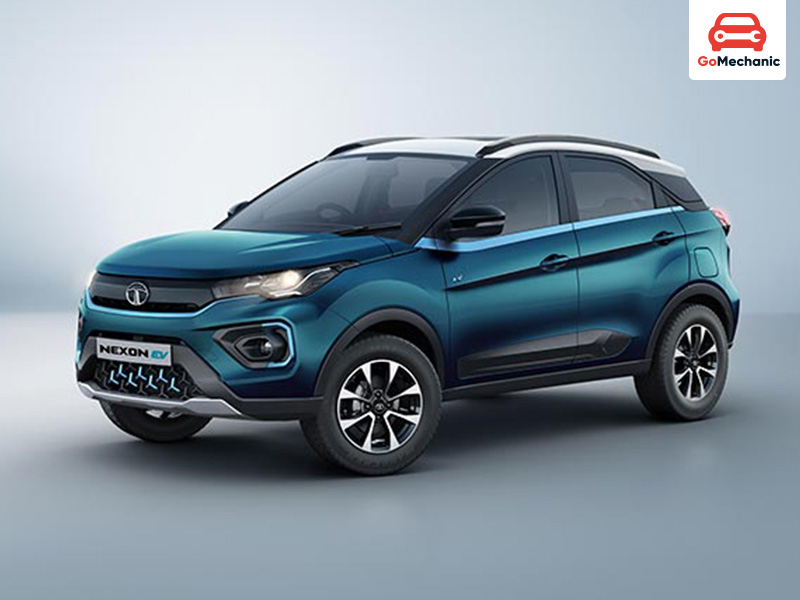
Among the most established in India, the Tata Nexon EV is a zero-emission car. It runs fully electrically and produces zero electric emission in the course of operation. This model is also characterized by balanced performance, a comfortable ride and city as well as highway driving. It is instrumental in building support for zero-emission cars among most consumers.
Important aspects:
- Fully electric compact SUV
- Consistent driving range for daily and long drives
- Strong service and charging network support
- Proven reliability in Indian conditions
The Nexon EV continues to be a major part of the zero-emission vehicles list in 2025, offering a dependable electric alternative in its segment.
3. MG Windsor EV
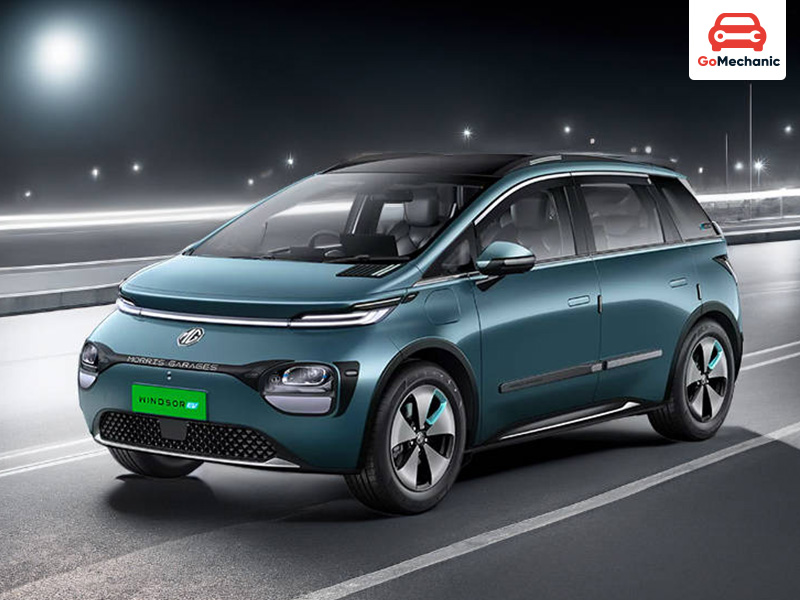
The MG Windsor EV adds variety to the zero-emission cars segment with a focus on comfort and modern features. This electric vehicle runs without producing any tailpipe electric emission. It is designed for buyers who want a smooth and refined driving experience along with spacious interiors. MG has aimed to combine practicality with updated technology.
Main features:
- Zero-emission electric powertrain
- Comfortable cabin layout
- Designed for family use
- Supports fast charging
As part of the zero-emission vehicles list, the Windsor EV highlights MG’s approach to clean mobility while maintaining everyday usability.
4. Mahindra BE 6
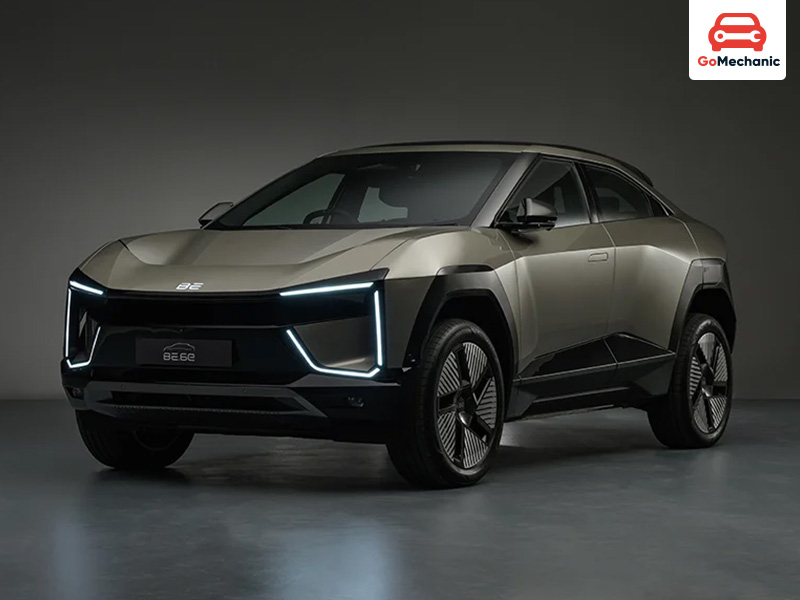
The Mahindra BE 6 represents Mahindra’s future-focused approach to zero-emission cars. Built on a dedicated electric platform, it delivers electric performance without creating electric emission. The BE 6 is designed to meet modern expectations of style, performance and efficiency in an electric SUV.
Key points:
- Dedicated electric architecture
- Zero-emission operation
- Designed for Indian road conditions
- Focus on modern design and technology
The BE 6 strengthens the zero-emission vehicles list by offering an electric SUV that aligns with future mobility goals.
5. Tata Harrier EV
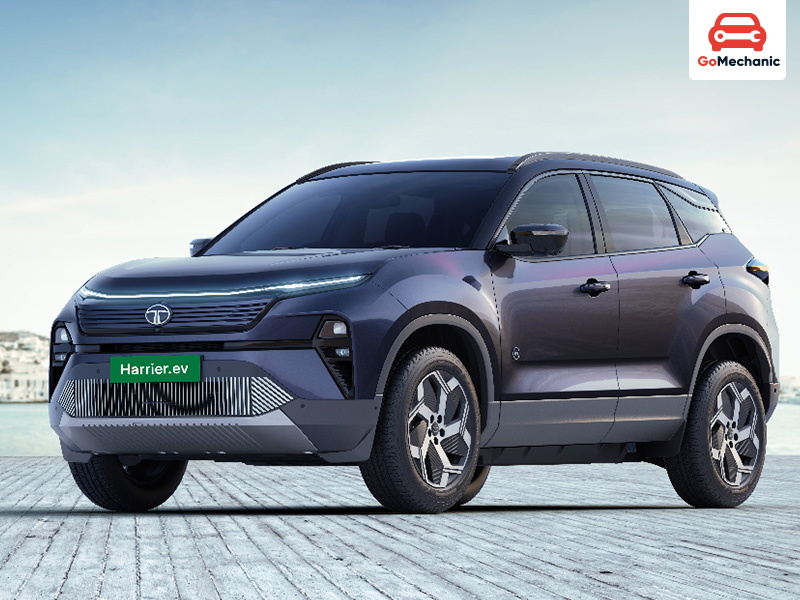
The Tata Harrier EV brings zero-emission technology to the mid-size SUV segment. It eliminates tailpipe electric emission while maintaining the strong road presence associated with the Harrier name. This model is intended for buyers who want a larger electric vehicle without moving to premium luxury brands.
Notable elements:
- Fully electric mid-size SUV
- Zero-emission driving
- Spacious interior and strong build
- Designed for longer journeys
The Harrier EV expands the zero-emission vehicles list by making larger electric SUVs more accessible in India.
6. Kia EV6
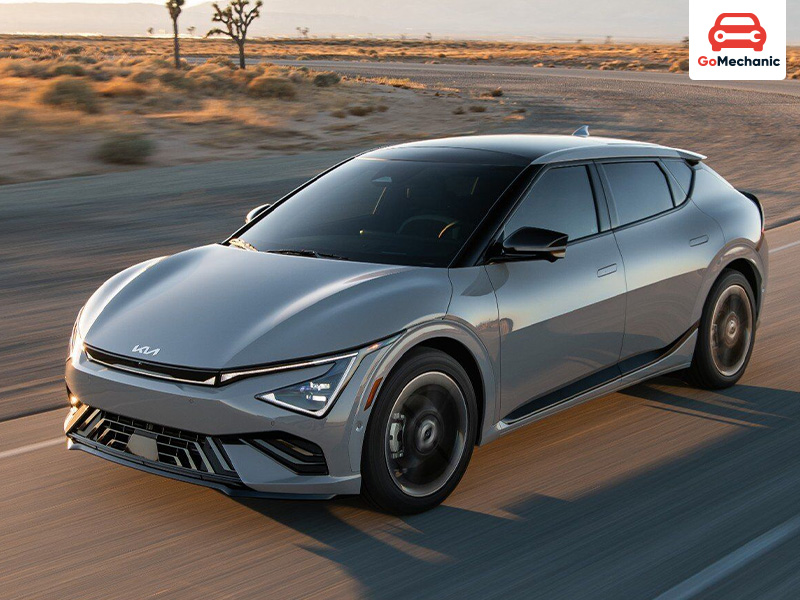
The Kia EV6 is a premium entry in the zero-emission cars category. It runs entirely on electric power and produces zero electric emission. The EV6 is known for its advanced design, strong performance, and long-range capability. Kia has positioned it for buyers seeking a high-end electric driving experience.
Key characteristics:
- Premium electric vehicle
- Zero-emission performance
- Advanced safety and technology features
- Fast-charging capability
The EV6 represents the premium side of the zero-emission vehicles list, showing how electric mobility can also deliver performance and comfort.
Conclusion:
Zero-emission vehicles are turning out to be a viable accountable option to Indian consumers. Using various options that are currently offered in the market at the same price and size, an easy change to electric mobility is no longer a challenge as before. The vehicles do not generate electric emission and this helps to reduce pollution and dependence on fuels. Starting with small urban cars all the way to high-end SUVs, the list of zero-emission vehicles in 2025 provides options depending on the daily use, the required space, and the budget. It also contributes to long-term values, such as lower running costs and easier maintenance. The option of a zero-emission car nowadays would fulfil a more eco-friendly driving practice and address the contemporary travel requirements in a secure and effective manner.
FAQ’s
1. What cars are zero emissions?
Zero-emission automobiles are those that do not emit harmful gases through their exhaust as they drive. These automobiles primarily involve fully electric vehicles (EVs) which operate using electric motors and batteries. They do not use petrol or diesel and therefore they do not emit any smoke or carbon on the road. They include electric cars of such brands as Tata, Mahindra, MG, Hyundai, and Kia.
2. What are some of the vehicles that are zero emissions?
Auto mobile classified as zero emission are those that do not pollute the atmosphere through tailpipe emissions. This primarily involves battery electric (BEV) and hydrogen fuel cell vehicles. Electric cars are the most typical zero-emission cars in India. They consume electricity in place of fuel, which assists in cutting air pollution and noise particularly in the crowded metropolitan regions.
3. What is a zero-emission vehicle?
A good example of a zero-emission vehicle is the Tata Nexon EV. It is entirely electrically powered and does not give off exhaust gases during the process of driving. It is also efficient because it uses no petrol or diesel, which facilitates the decrease of air pollution and fuel expenditure. Others are the Tata Punch EV, the MG Windsor EV, and the Kia EV6.
4. The most environmentally friendly car?
Fully electric cars pose the lowest emissions since they do not emit any emissions when on the road. Electric cars do not emit carbon dioxide or harmful gases to the road unlike those emitted by petrol or diesel cars. The smaller electric cars that were primarily used in cities tend to have the least impact on the environment because they are efficient and require less energy.
5. What are zero cars?
Zero cars are typically understood to be zero-emission cars, or those vehicles that do not emit exhaust. These are primarily battery-powered electric cars. They aid in the minimisation of air pollution, noise, and reliance on fossil fuels. The reason why zero-emission cars are popular is that it is cleaner and cheaper to operate and advantageous to the environment.


