






Sedans have a different place in the Indian market. SUVs dominate mindshare and hatchbacks stay popular for obvious reasons, but a sedan still appeals to buyers who want a low seating position, a more settled drive on highways, and a boot that keeps luggage separate from the cabin. That’s why people keep searching for the Best Luxury Sedans in India, because if you are choosing a sedan today, you are usually choosing it on purpose. Now, within sedans, there’s a clear split. A normal sedan is designed to deliver space, comfort, and features at a sensible price. A luxury sedan sits above that and the difference isn’t cosmetic. You are paying for cabin experience, stronger performance, better ride control, and materials that feel built to last. In many cases, you also get safety and driver-assist systems that reduce fatigue during long drives, plus rear-seat comfort that feels like a lounge.
But here’s the thing: luxury sedans in India don’t exist in a vacuum. Our roads, speed breakers, tight parking, unpredictable traffic, and long highway distances change what luxury actually means. A car can feel brilliant at 100 km/h and still irritate you every day if the ground clearance is too low for your route, if the tyres are too expensive for our road damage, or if the service experience is inconsistent. Even basics like rear AC effectiveness, cabin insulation in summer, and how the car handles traffic matter more than brochure claims. That’s exactly why people keep asking the same question: which luxury sedan is actually worth buying in India right now, and for what kind of owner. Well, that’s why we have compiled a list of the best luxury sedan cars in India in the year 2026. So you could pick your favourite and make it your own.
Best Luxury Sedans in India
1. Mercedes-Benz
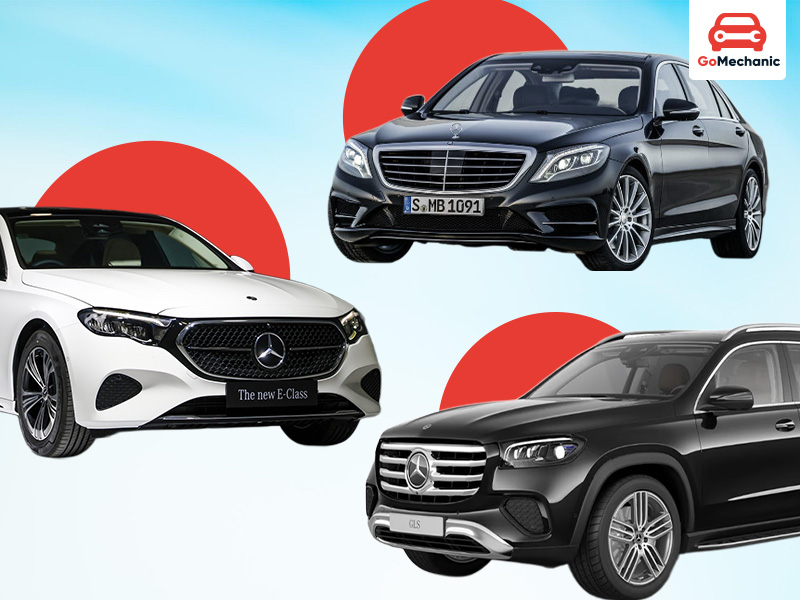
Within the Best Luxury Sedans in India, Mercedes does not position all its cars the same way. Each sedan serves a different ownership profile. The S-Class focuses heavily on rear-seat experience and long-distance isolation. The E-Class is designed to balance chauffeur comfort with practicality for Indian conditions. The AMG C 43 shifts the emphasis toward performance while still retaining a premium cabin. The differences are not cosmetic. They show up in dimensions, wheelbase, suspension tuning, and overall driving behaviour. Let’s break them down properly.
A. Mercedes-Benz S-Class
The S-Class sits at the top of the Mercedes sedan lineup, and in India it usually isn’t bought just for driving yourself. It’s bought for what happens in the rear seat. That changes everything about how the car is engineered. The wheelbase is stretched not for show, but for stability and legroom. The suspension tuning is softer in movement but controlled in rebound, so the cabin doesn’t keep reacting after a bump. At highway speeds, the mass of the car works in its favour, it feels settled, less nervous. But the same size that gives you that comfort also means tighter parking takes effort. Basement ramps, narrow lanes, awkward turns, you will be more aware of the car’s length than you would be in something smaller. It’s a flagship, but it demands space to function properly.
What defines it:
- Length over 5.3 metres
- Wheelbase above 3.2 metres
- Large fuel tank for extended range
- Strong rear-seat focus
What this translates to in real use:
- Longer wheelbase reduces cabin disturbance over uneven surfaces.
- Highway stability remains strong at sustained speeds.
- Tight parking areas demand more steering correction.
B. Mercedes-Benz E-Class (Long Wheelbase)
The E-Class is where Mercedes tries to balance Indian ownership realities with executive comfort. It stretches the wheelbase enough to give proper rear-seat space, but it doesn’t go into full flagship territory like the S-Class. The car still feels substantial, but it’s easier to drive in traffic, the steering in tight areas is easier compared to the S-Class. That’s why it often becomes the practical choice in this segment. It gives you luxury without making every parking decision a calculation.
What defines it:
- Long wheelbase for rear comfort
- Large boot space
- Balanced suspension setup
- More manageable turning circle
What this translates to in real use:
- Rear seat works well for business travel.
- Boot handles airport and family luggage comfortably.
- City driving feels less demanding than the S-Class.
- Highway ride remains stable and controlled.
C. Mercedes-AMG C 43
The AMG C 43 sits in the same brand family, but the intent behind it is different. This is not a rear-seat comfort sedan first. It’s engineered around response, acceleration, and driver engagement. The shorter wheelbase and tighter setup makes it feel more alert in traffic. Overtakes happen quickly, without planning too far ahead. The body control is firmer, and on smooth roads that feels precise. On broken roads, you will feel the stiffness more clearly. The cabin is premium, yes, but the suspension tuning tells you this car expects to be driven, not just sat in. Rear-seat comfort is fine for regular use, but it isn’t the focus. This is a driver’s Mercedes, not a passenger-first one.
What defines it:
- High-output performance engine
- Shorter wheelbase
- Quick acceleration figures
- Compact footprint compared to larger sedans
What this translates to in real use:
- Strong acceleration reduces overtaking time.
- Agility improves responsiveness in traffic gaps.
- Firmer ride makes rough roads more noticeable.
- Rear space is adequate, not executive-focused.
Quick Spec Comparison of Mercedes Luxury Sedans in India
| Specification | Mercedes S-Class (S 450 4MATIC) | Mercedes E-Class (E 200 LWB) | Mercedes-AMG C 43 4MATIC |
| Engine Type | 3.0L Turbo Inline-6 + EQ Boost | 2.0L Turbo Petrol | 2.0L Turbo Inline-4 + 48V Mild Hybrid |
| Displacement | 2999 cc | 1999 cc | 1991 cc |
| Fuel Type | Petrol Mild Hybrid | Petrol | Petrol Mild Hybrid |
| Power Output | 375 bhp | 201 bhp | 408 bhp |
| Torque | 500 Nm | 320 Nm | 500 Nm |
| Gearbox | 9G-TRONIC Automatic | 9G-TRONIC Automatic | AMG SPEEDSHIFT MCT 9-speed |
| Drivetrain | 4MATIC AWD | RWD | 4MATIC AWD (rear-biased) |
| 0–100 km/h | 5.0 sec (claimed) | ~7.5 sec (approx, variant dependent) | 4.6 sec (claimed) |
2. BMW
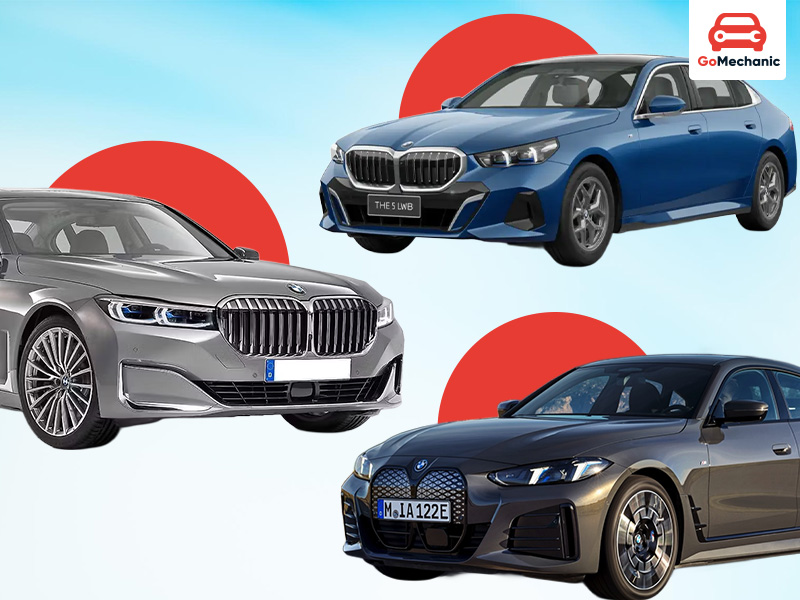
BMW’s three entries cover three different needs inside luxury sedans in India. The 7 Series is the flagship built for comfort-first ownership. The 5 Series is the “use it daily” executive sedan that still feels premium without feeling too big. The i4 is BMW doing a luxury sedan in an EV format, with its own strengths and its own limitations.
A. BMW 7 Series (740i M Sport)
The 7 Series is BMW’s top luxury sedan, and the intent is very clear. It’s made to feel relaxed at speed, quiet inside, and proper from the rear seat too, not just from the driver seat. In India, that matters because a flagship sedan needs to work as a chauffeur car and still not feel awkward when you take the wheel yourself. The 740i variant is petrol, smooth, and tuned for effortless movement rather than drama. Still, it’s a big car and you don’t forget that in tight places, you just manage it.
What defines it (tech-first):
- 3.0L turbo petrol inline-6 (B58)
- 375 bhp, 520 Nm
- 8-speed automatic (TC)
- RWD
- 0–100 km/h: 5.4 sec (claimed)
Real-world effect:
- Power delivery feels strong without needing high revs, so highway overtakes are easy.
- RWD means it feels lighter on its feet than you’d expect for the class, but traction depends more on tyres and road condition.
- This is a comfort-led sedan, not a sharp sports sedan, and that’s the point.
B. BMW 5 Series (530Li M Sport)
The 5 Series is the executive sedan that makes more sense for a lot of Indian buyers. It’s still premium, still looks and feels expensive, but it’s not trying to be a rolling suite like the 7 Series. The 530Li is the long wheelbase version, so rear space gets a real bump, and you feel that if the car is regularly chauffeur-driven. At the same time, it stays easier to live with than a flagship. The petrol motor is smaller than the 7 Series, but it’s tuned well enough that you won’t feel underpowered in normal use.
What defines it (tech-first):
- 2.0L turbo petrol inline-4
- 255 bhp, 400 Nm
- 8-speed automatic (TC)
- RWD
- 0–100 km/h: 6.5 sec (claimed)
Real-world effect:
- Torque arrives early, so it feels responsive in normal city gaps and highway cruising.
- It’s quick enough to feel premium, but it’s not “fast sedan” quick, and that’s fine.
- For mixed city + highway ownership, this is the BMW sedan that usually asks for less compromise.
C. BMW i4 (eDrive40)
The i4 is a different kind of luxury sedan in India because the powertrain changes the whole experience. There’s no waiting for revs, no gear shifts, and the car feels instantly responsive in traffic. That immediate torque is the biggest daily advantage of an EV sedan. But EV ownership also brings its own thinking: your real range depends on speed, AC load, and how often you’re doing hard acceleration, so the “claimed number” is not the same as what you’ll see every week. Still, if your driving is mostly city plus predictable routes, the i4 can fit well because it delivers luxury in a quieter, simpler way.
What defines it (tech-first):
- Electric (eDrive40)
- Battery: 83.9 kWh (variant listed)
- 335 bhp, 430 Nm
- Automatic (single-speed EV behaviour)
- RWD
- 0–100 km/h: ~5.7 sec (listed)
- Claimed range: up to 590 km (variant listed)
Real-world effect:
- City driving feels effortless because response is instant.
- On highways, range will drop if you sit at higher speeds for long durations, that’s normal EV behaviour.
- Charging routine matters more than “power figures”, because it decides convenience.
Quick Spec Comparison of BMW Luxury Sedans in India
| Specification | BMW 7 Series (740i M Sport) | BMW 5 Series (530Li M Sport) | BMW i4 (eDrive40) |
| Powertrain | 3.0L turbo petrol I6 (B58) | 2.0L turbo petrol I4 | Electric |
| Displacement | 2998 cc | 1998 cc | Not applicable |
| Power | 375 bhp | 255 bhp | 335 bhp |
| Torque | 520 Nm | 400 Nm | 430 Nm |
| Gearbox | 8-speed automatic (TC) | 8-speed automatic (TC) | Automatic (EV) |
| Drivetrain | RWD | RWD | RWD |
| 0–100 km/h | 5.4 sec (claimed) | 6.5 sec (claimed) | 5.7 to 6.0 sec (listed) |
| Battery / Range | Not applicable | Not applicable | 83.9 kWh, up to 590 km (listed) |
3. Lexus LS 500h
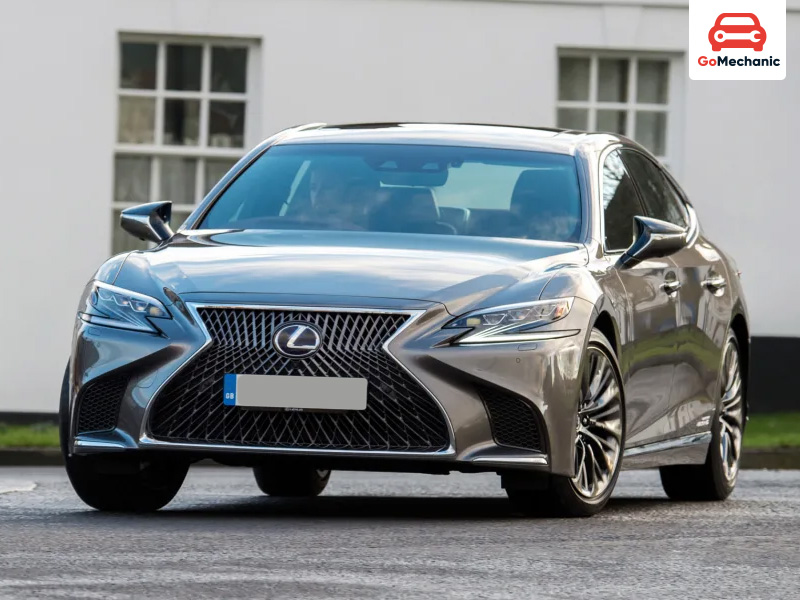
The Lexus LS 500h is a flagship sedan, but it doesn’t follow the usual German formula. It isn’t tuned to feel sharp or aggressive first. It’s tuned to feel smooth. The hybrid system isn’t there to chase big performance numbers. It’s there to make the power delivery seamless, especially in city traffic where you’re constantly slowing and moving again. That’s where the difference shows up. In India, the LS works for buyers who don’t want their luxury car to feel tense or over-engineered. It feels composed, predictable, and deliberate. The focus is refinement over drama. It doesn’t try to dominate the road or impress at every throttle input. For some people, that restraint is the whole appeal. It feels expensive without feeling loud about it.
What defines it (tech-first):
- Petrol-hybrid powertrain
- Large displacement engine paired with hybrid system
- Automatic gearbox
- RWD layout in most listings
Lexus LS 500h technical table (car on top)
| Specification | Lexus LS 500h |
| Fuel / Hybrid | Hybrid (Electric + Petrol) |
| Engine | Petrol-hybrid (as listed) |
| Displacement | 3456 cc |
| Power Output | 290–292 bhp (listed range) |
| Torque | 350 Nm |
| Gearbox | Automatic |
| Drivetrain | RWD |
| 0–100 km/h | 5.4 sec (listed) |
| Top Speed | 250 km/h (listed) |
4. Volvo S90
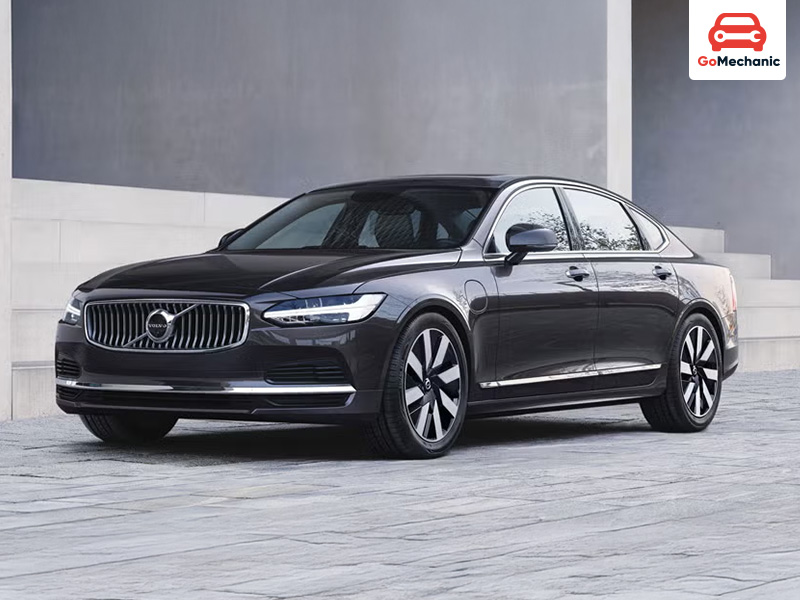
The Volvo S90 sits in a slightly different corner of the luxury sedan space in India. It’s not trying to be the fastest, and it’s not trying to win on badge power either. The pull here is the overall feel: restrained design, predictable driving behaviour, and a cabin that feels premium without being showy. Technically, it’s also a simpler proposition compared to some rivals because the engine output is strong enough for real use, but not tuned to feel aggressive. It’s the kind of luxury sedan you buy when you want comfort and confidence more than excitement, and yes, that’s a real buyer type.
What defines it (tech-first):
- 2.0L petrol engine
- Automatic gearbox
- FWD layout in most listings
- Top speed capped at 180 km/h (listed)
Volvo S90 technical table
| Specification | Volvo S90 |
| Fuel / Hybrid | Petrol |
| Engine | Turbo petrol (as listed) |
| Displacement | 1969 cc |
| Power Output | 250 bhp |
| Torque | 350 Nm |
| Gearbox | Automatic |
| Drivetrain | FWD |
| 0–100 km/h | 8.2 sec (listed) |
| Top Speed | 180 km/h (listed) |
5. Audi A8 L
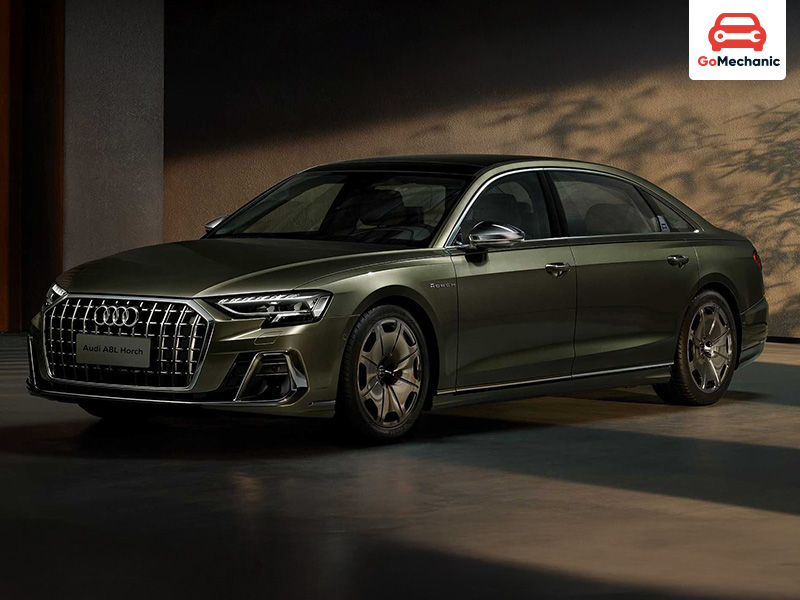
The A8 L is Audi’s flagship sedan built to feel smooth, and very controlled at speed, and in India, it’s usually bought by people who want full-size luxury without going sporty. The powertrain is a petrol mild-hybrid setup, so on paper it looks straightforward, but the point is how it delivers power without feeling like it’s working too hard.
What defines it (tech-first):
- Mild-hybrid (electric + petrol) listed in India specs
- 2995 cc engine
- Power listed: 344 bhp
- Top speed listed: 250 kmph
Spec table of Audi A8 L
| Specification | Audi A8 L |
| Fuel / Hybrid | Mild Hybrid (Electric + Petrol) |
| Engine | Petrol mild-hybrid (as listed) |
| Displacement | 2995 cc |
| Power Output | 344 bhp |
| Torque | Not listed on the CarWale summary snippet I pulled |
| Gearbox | Automatic |
| Drivetrain | Not listed on the CarWale summary snippet I pulled |
| 0–100 km/h | Not listed on the CarWale summary snippet I pulled |
| Top Speed | 250 kmph |
6. Rolls-Royce Ghost
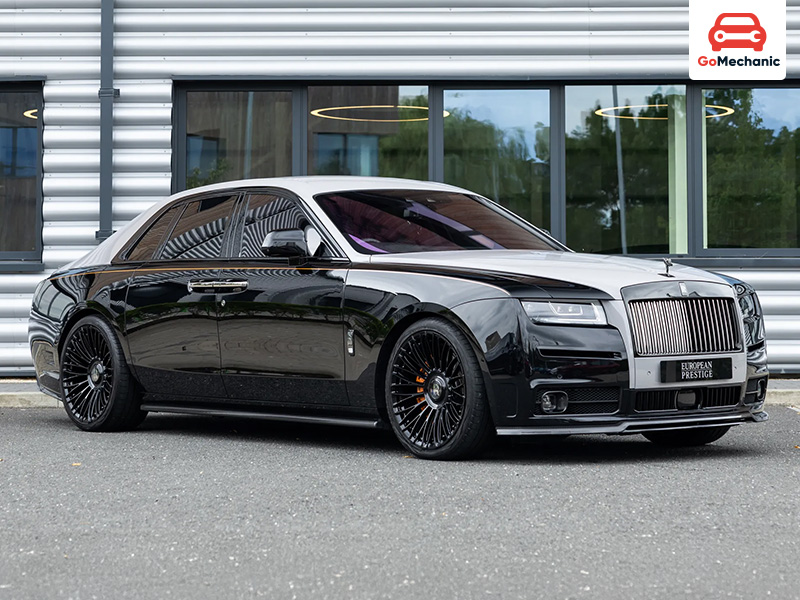
The Ghost sits in a different space from the usual luxury sedans in India. It isn’t engineered around value, segment positioning, or even direct rivalry. It’s built around isolation. The priorities are very clear: smooth torque delivery, near-silent cabin behaviour, and suspension tuning that reduces the sensation of road input rather than simply absorbing it. The car is large, but the engineering focus is not just size. It’s how that mass is controlled.
In India, the Ghost is almost always chauffeur-driven, but it’s not passive to drive. The V12 engine is tuned to deliver power without drama. There’s no rush or spike in output. Acceleration happens quietly, almost deceptively, because the cabin filters most of what’s happening mechanically. That calm delivery is intentional. The car is not trying to feel fast. It’s trying to feel effortless.
Where this shows up in daily use is consistency. Broken surfaces, expansion joints, uneven highways, the suspension works to reduce sharp vertical movement. At speed, the car feels steady because of its weight and long wheelbase. In tight city environments, that same size demands space. Parking, turning radius, and narrow lanes are realities you cannot ignore. It manages them well, but it doesn’t shrink around you.
This is not a performance-led sedan in the usual sense. It’s a controlled luxury machine. Everything about it is tuned to reduce noise, strain, and visible effort.
Rolls-Royce Ghost – Technical Specifications
| Specification | Rolls-Royce Ghost |
| Engine | 6.75L Twin-Turbo V12 |
| Displacement | 6750 cc |
| Fuel Type | Petrol |
| Power Output | 563 bhp (approx, variant dependent) |
| Torque | 850 Nm |
| Gearbox | 8-speed automatic |
| Drivetrain | AWD |
| 0–100 km/h | 4.8 sec (claimed) |
| Top Speed | 250 km/h (limited) |
Conclusion
Luxury sedans in India are rarely impulse buys. They’re chosen with intent. Some buyers want isolation and rear-seat comfort for long highway runs, which is why cars like the S-Class, 7 Series, A8 L, and Ghost exist, each doing comfort in its own mechanical way. Others want balance, something that works in city traffic without feeling too large, yet still feels executive on open roads, that’s where the E-Class and 5 Series usually fit better. Then there are buyers who care about response and involvement, and cars like the AMG C 43 and BMW i4 shift the focus toward performance without losing premium feel. The Lexus LS 500h and Volvo S90 take a quieter route, prioritising smoothness and restraint over aggression. At the end of the day, the best luxury sedans in India are not decided by badge alone. They’re decided by usage, road conditions, who sits in the back seat, and how much effort you want from the car everyday. Luxury isn’t excess. It’s reduced effort over time.
FAQ’s
1) Which luxury sedan is best in India?
There isn’t one single best luxury sedan for everyone. If you mostly want the most complete experience, the Mercedes S-Class is usually the safest pick. But if you want a flagship, the BMW 7 Series fits that dual role well. On the other hand, if you want luxury without making daily driving a headache, the Mercedes E-Class LWB and BMW 5 Series are the more sensible options for Indian usage. And if your priority is quiet smoothness without the German style of sharpness, the Lexus LS 500h makes sense.
2) Who is the king of sedans in India?
If you’re talking about the “king” in the luxury sedan sense, it usually points to the Mercedes S-Class. Not because it wins on one spec sheet number, but because it’s built around the idea of comfort-first ownership, especially for the rear seat, which is how many luxury sedans are used in India. If you mean king in terms of status beyond luxury, then the Rolls-Royce Ghost sits above the usual segment, but it’s not a normal comparison anymore.
3) What’s the safest luxury sedan?
If you’re strictly thinking safety as a brand philosophy, Volvo S90 is the obvious answer because Volvo is built around safety-first engineering and a calmer driving approach. At the same time, cars like the S-Class and 7 Series also come with strong safety suites and driver assist tech. The real answer is: the safest sedan is the one with strong safety tech, strong tyres, and a driver who doesn’t treat power like a toy, because our road conditions decide outcomes more than brochures.
4) Which luxury sedan has the best resale value?
In India, resale is usually strongest for cars that have consistent demand and predictable service support. That tends to favour the Mercedes E-Class and BMW 5 Series because they are in the most buyable part of the luxury sedan market segment. Flagships like the S-Class and 7 Series can drop harder because the buyer pool is smaller and maintenance costs scare people off. The Lexus LS 500h and Audi A8 L can also see weaker resale mainly due to lower market volume, even if the cars are excellent.
5) Which luxury sedan is best for chauffeur-driven owners?
If the rear seat is the main seat, the list becomes simple – The Mercedes S-Class is the easiest choice for rear-seat focus. The BMW 7 Series is also strong if you want a rear seat that feels premium but still want the option to drive sometimes. If you want the chauffeur format but with lower daily friction, the E-Class LWB is the practical pick.
6) Which luxury sedan is easiest to live with in Indian cities?
If your daily life involves tight parking, narrow lanes, and heavy traffic, the best choices are the ones that feel premium without feeling oversized; the Mercedes E-Class LWB and BMW 5 Series are the better choices. They still feel like proper luxury sedans, but they don’t punish you as much when space gets tight.
7) Which luxury sedan is best for highway driving and long road trips?
For long-distance comfort and stability, the S-Class, BMW 7 Series, and Audi A8 L are designed for this exact use case. They feel calmer at speed and reduce fatigue over time. If you want long-distance comfort but also want to drive yourself more often, the 7 Series usually feels like the best middle ground.
8) Which luxury sedan is best if I actually enjoy driving?
If driving involvement is the priority, the Mercedes-AMG C 43 is the most driver-focused option in your list, it’s built around response and acceleration. If you want quick performance but in an EV form, the BMW i4 gives you instant torque and easy overtakes, but you’ll need to be okay with planning charging.
9) Should I choose a petrol luxury sedan or an electric one like the BMW i4?
If your running is mostly city and your routes are predictable, an EV like the BMW i4 can feel very convenient because it’s smooth and instantly responsive. But if you do frequent long highway runs with unpredictable stops, petrol luxury sedans still feel easier because refuelling is simple and fast. The choice is less about “tech” and more about your lifestyle and how disciplined your charging routine can be.
10) Is a luxury sedan practical for Indian roads?
Yes, but only if you choose with realism. Luxury sedans can feel brilliant on highways and decent roads, but daily practicality depends on your route. Speed breakers, steep ramps, potholes, and tight parking can become a regular annoyance with large sedans. If your environment is mostly broken surfaces and tight spaces, you’ll be happier with a balanced executive sedan like the E-Class or 5 Series, instead of jumping straight to a flagship just for the badge.


