





Purchasing a vehicle is always tricky when considering the warranty so as to prevent an unforeseen repair bill from popping up. Among the several types of warranties available, a comprehensive warranty stands as one of the most complete coverage options. It is often called a bumper-to-bumper warranty since it covers a vast array of mechanical and electrical failures. This article, in and of itself, strives to be as comprehensive an overview as possible of warranty basics: the benefits, the exclusions, the cost implications, and whether it is an investment worth the cash outlay for the car owner.
Comprehensive Warranty Meaning
Comprehensive warranty meaning is extended service contract that covers a wide range of car parts beyond the engine cover is referred to as a comprehensive warranty. A powertrain warranty does not have this kind of resemblance. It mainly covers the warranty for the engine, transmission, and drivetrain. Extras covered by comprehensive warranties include electrical components, air conditioning, suspension, infotainment systems, and so on.
Although commonly referred to as a “bumper-to-bumper warranty,” nothing provided is completely covered. There are some exclusions, which will be discussed later in this article.
Comparing it with Other Car Warranties
Understanding the complete warranty is useful when compared to other car warranties:
- Manufacturers or factory warranties are those offered by the automobile manufacturer. Such warranties last usually for about 3-5 years or for a specific mileage (i.e., up to 36,000 miles). In these types of warranties, defects in materials and workmanship are covered while general wear and tear are typically excluded.
- The powertrain warranty covers most of the engine, one transmission, and drivetrain, for summer. If you will have a warranty covering the costs of labour, it excludes almost all electronic parts of your AC, along with most technologically-related.
- Extended warranty an add-on option purchased at the customer’s convenience following the initial factory warranty expirations, can be included. Full Warranty would be defined as an extension whereby the carmaker offers an extension covering more or all components on the majority parts of it.
Comprehensive Warranty Coverage
Comprehensive car warranty coverage covers major components of a car. The breakdown of the main parts covered would be:
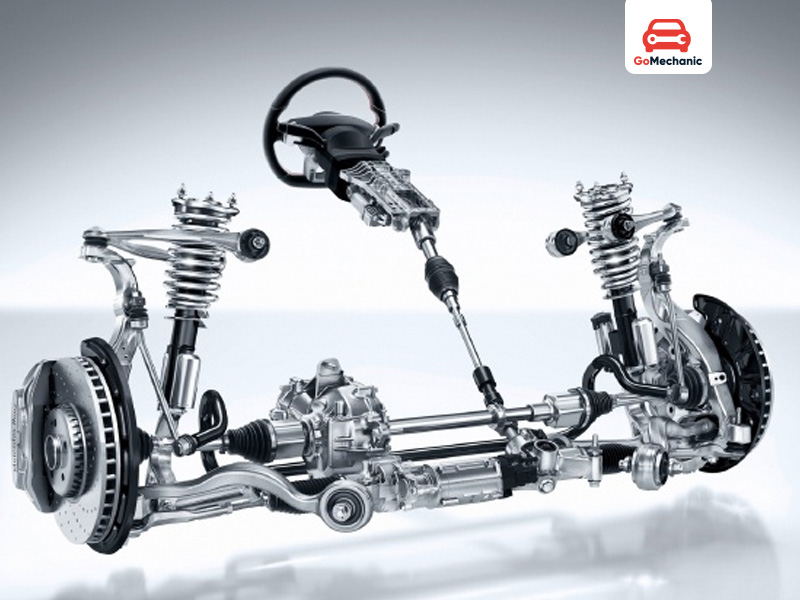
Engine & Transmission
- Engine: The engine block and internal workings thereof.
- Transmission: Includes both manual as well as automatic transmission.
- Fuel System Components: Fuel pumps, injectors, and lines.
- Oil and Water Pumps: Commonly covered are oil pumps and water pumps essential for oil and water flow inside the engine.
- Turbocharger: If applicable, a turbocharger could be covered depending on the warranty conditions.
In some circumstances, certain seals and gaskets will be under warranty.
Also Read About: The Engine Cooling System: The Silent Workhorse of Your Car
Electrical System
Sometimes referred to as alternator and starter motor with respect to the vehicle’s electrical system.
- Battery: Battery coverage is dependent upon the dealership and warranty issuer.
- Wiring and Fuses: Protection of the vehicle wiring and fuses, which are quite relevant to the electrical system.
- Sensors and Electronic Modules: Incorporate sensors that read different systems and their functions, along with the electronic modules responsible for vehicle control functions.
In Climate Control and Heating
- AC Compressor and Evaporator Coil: These are major components of the air conditioning system, which are generally covered by warranty.
- Blower Motor: This circulates inside air in the car cabin; may be covered by warranty, subject to terms.
- Heater Core: Heats the cabin space and has warranty coverage with certain exceptions.
Infotainment & Electronics
- Touchscreen Displays: The vehicle’s touchscreen displays pertaining to navigation and media controls are commonly covered.
Exclusions Under a Full Coverage Warranty
Although full coverage covers a broad range of vehicle expenses, there are still costs it does not include. Commonly excluded from such a warranty include:

- Regular Maintenance – Oil change, tire rotation, air filter replacement, and other regular servicing.
- Consumables: Brake pads, tires, wiper blades, clutch discs, and spark plugs.
- Physical Damage: Scratches, dents, upholstery wear, and glass damage.
- Accidental Damages: Damages that are associated with accidents, natural disasters, or vandalism.
- Modifications and Aftermarket Parts: Any parts or modifications not assigned by the OEM have become a factor.
- Negligence & Improper Use – Damage resulting from careless driving, misusing fuels or any other routine maintenance oversights.
- In simple words, the full warranty covers mechanical failure and electrical failure but does not encompass general wear and tear, external damage, or even negligence-related issues.
Main Advantages of a Full Warranty
Purchasing a comprehensive car warranty offers several advantages:
-
Protection Against High Repair Costs
Major repairs to vehicle components incur high replacement costs. Engine repairs, for example, could range from ₹50,000 to a maximum of ₹1,00,000, whereas a transmission replacement could go higher, even crossing ₹1,50,000. However, a full warranty covers such costs and removes the financial burden.
-
Coverage for Advanced Technology Components
The modern vehicle comes with numerous sophisticated electronic units, sensors, and infotainment units that have a special sort of repair involved. A full warranty reduces the exorbitant price for replacing or repairing such high-tech parts.
-
Peace of Mind for Owners
A failure of either mechanical or electrical parts can be disappointing and expensive too. A full warranty provides an assurance to cover the unexpected costs of repairs, so one can go on driving without any restraint.
-
Better Resale Value
Should the car owner decide to sell his worth of a car with transferable comprehensive vehicle warranty, it is certainly an incentive for a potential buyer. Usually, a premium is paid willingly for a car that includes extended warranty coverage.
How Much Does a Comprehensive Warranty Cost?
The price of an auto warranty varies based on:

- Car Model & Age – The luxury cars and old models usually come with higher warranty costs.
- Mileage – The cars that have a high mileage are expensive to get insured.
- Coverage Duration – Five years plan is more expensive than the two years plan.
- Warranty Provider – There are various warranty providers with different levels of coverage and price quotes.
- A comprehensive car warranty in India on average costs between ₹20,000 and ₹60,000 per year based on the vehicle and coverage terms.
Related: What is Extended Car Warranty? All You Need to Know
Should You Purchase a Comprehensive Warranty?
A comprehensive warranty is a suitable option for individuals who:
- Own a high-value vehicle that incurs expensive repair costs.
- Intend to keep their car for an extended period and require prolonged protection.
- Prefer financial security against unexpected repair expenses.
- Drive frequently and accumulate significant mileage.
If the car is under the manufacturer’s warranty, or the maintenance cost is less, a comprehensive extended warranty is not required.
Conclusion
A comprehensive car warranty does cover most mechanical and electrical parts of the car, leaving the repair bills quite a burden, if not unpredicted, for others. Certainly, it’s not the whole kit. However, it has advantages for owners who own expensive brands and those who’ve owned theirs for quite a while. Indeed, before getting a comprehensive warranty, one ought to study the policy’s terms and exclusions. For most car owners, a full warranty is a good investment, as it saves money in the long run and offers peace of mind. In any event, that is totally dependent on the usage and financial perspective of the owner.
FAQs
1. What is the meaning of comprehensive warranty?
A comprehensive warranty is like full protection for your car. It covers most major mechanical and electrical parts, so if something fails during the period, the manufacturer pays for repairs. It’s often called “bumper-to-bumper” coverage, though wear-and-tear items aren’t included.
2. What is the difference between a comprehensive warranty and a normal warranty?
A normal warranty is limited, often covering only the engine and transmission. A comprehensive warranty goes much further, including almost all key systems in the car. The difference really shows when something outside the engine fails—like AC or electronics—because under a normal warranty, you’d pay, but with comprehensive, the company covers it.
3. What is a 3 year comprehensive warranty?
It means your car is protected for 3 years from the date of purchase, under comprehensive coverage. During this time, if major parts fail, repairs are handled at no extra cost to you. After 3 years, you may have to buy extended warranty or pay from your pocket, so it’s peace of mind for those first years when unexpected issues sometimes show up.