
 GoMechanic




Much like our bodies, our vehicles should also be kept in a healthy state, for optimum performance and maximum output. And the best way to ensure that is to pay attention to your vehicle’s heart; the Engine. While a timely service can make your vehicle run smoothly over the years, the damage inflicted due to ageing can only be dealt with specialised services like engine Decarbonization. But before decarbonizing your engine, it is important to know the basics of what an engine Decarbonization is.
The Need for Engine Decarbonization
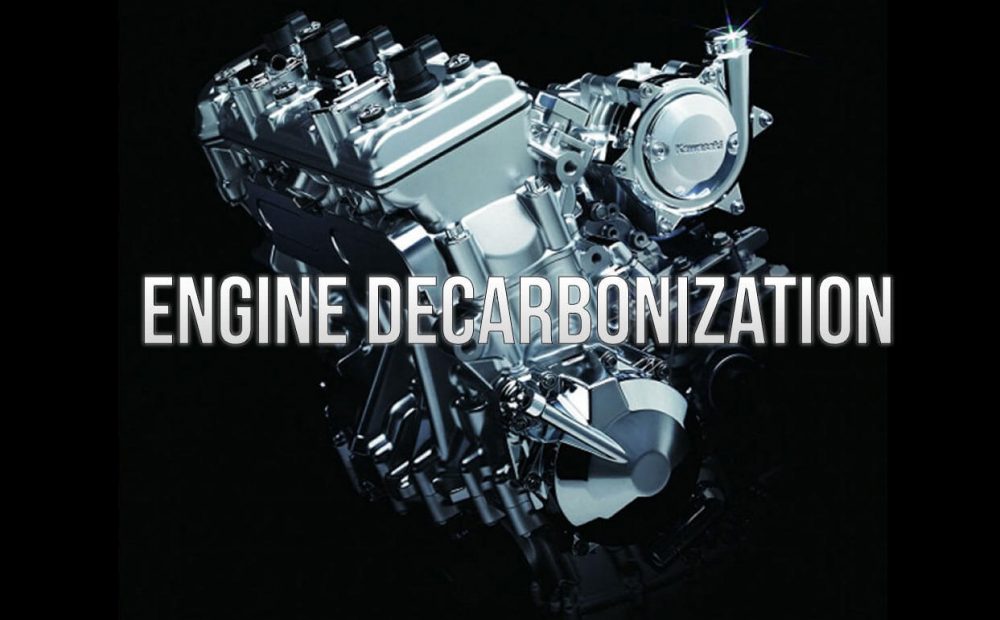
Power, performance and mileage are the three most important things when it comes to any vehicle. Whether it is a diesel car or petrol, everyone loves to get their hands on the best out there. No matter which fuel you opt for, all modern-day vehicles run by burning fuel which results in creating sooty exhaust gases.
Even though most of this soot is filtered through particulate filters, the inside of your engine is still susceptible to carbon deposits that can suffocate it over time. Once your engine starts to acquire carbon deposits, direct repercussion can be seen on both vehicle performance as well as mileage.
Therefore, if you suddenly start noticing a substantial drop in fuel efficiency or optimum performance, one of the many reasons for it could be Engine Carbonization, which in turn gives rise to a dire need for Engine Decarbonization.
What is Engine Decarbonization?
As the name suggests the process of Engine Decarbonization involves the removal of carbon deposits that crucial engine components acquire as a result of ageing, improper fuel burning or low-quality fuel etc. Since a serious carbon buildup inside an engine can eventually lead to serious complications like engine valves not closing properly, spark plugs and exhaust sensor malfunction, soot spilling out of the exhaust etc.,
Thus, Engine Decarbonization is a preventive procedure that is often done when a vehicle clocks over 50 to 60 thousand kilometres on the odo. After Decarbonization, engine life is substantially improved along with an improvement in power, performance and mileage.
Types of Engine Decarbonization Procedures
The advice of getting your vehicle’s engine Decarbonized is a common thing to experience in local workshops. But before you decide to opt-in for the procedure, it is smarter to know the two methods through which Decarbonization is commonly carried out.
- The Mechanical Way
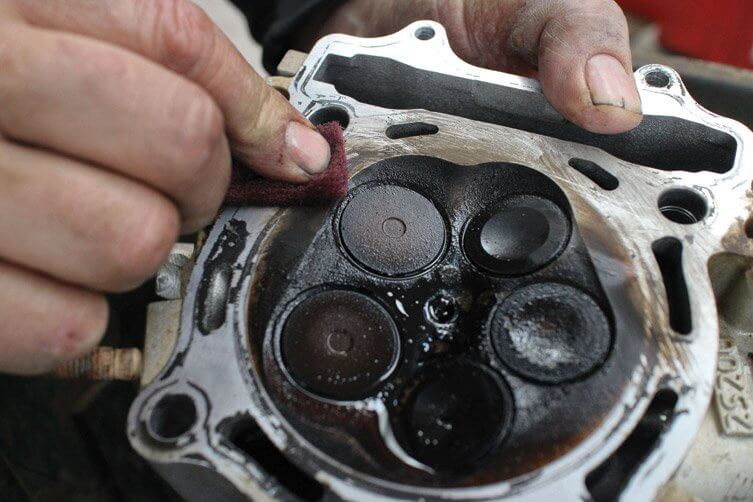
For vehicles that have clocked lakhs of kilometres over time, or for those which haven’t aged as gracefully as they should, carbon deposit is a serious and quiet evident problem. Under the mechanical/physical technique, components such as the cylinder head, intake and exhaust valves, etc. are opened up so that carbon deposits can be manually scraped off.
The exhaust pipe and muffler is also taken off cleaned using a pressure washer. Under the expertise of a trained mechanic, this procedure can turn out to be highly successful. But with that said, mechanical methods can also prove to be disastrous when performed by an undertrained mechanic. This is the reason why the Chemical Method is often preferred.
- The Chemical Way
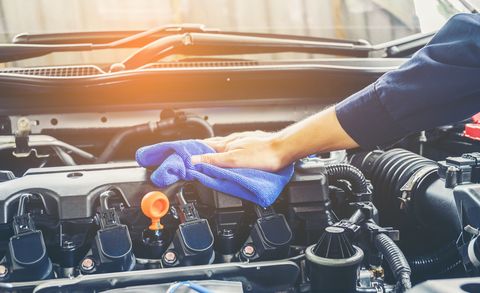
A process that is easily carried out even by averagely skilled mechanics, the chemical procedure of Engine Decarbonization involves the use of alcohol-based chemical compounds. These chemicals are then added to the conventional fuel supply where they chemically break carbon deposits. As a result component such as fuel rings, pistons, injectors etc. are cleaned and the chemical is flushed out through the exhaust system.
As this method does not require opening up the engine, it costs less and is also a safer way to tackle the problem of carbon deposits. However, the chemical method should be used only as a preventive method since large deposits are better removed through manual scrapping.
The Bottom Line
Now that you have an idea of what Engine Decarbonization is, you can make a better decision as to whether or not you should go for it. Nonetheless, engine decarbonization should be carried out once you have tried all other methods to tackle the problem.
Secondly, since carbon buildup generally arises when the vehicle ages, decarbonizing engines that have done only a few thousand kilometres is surely not recommended.
Thirdly, one of the most import things to keep in mind is to choose a reliable platform like Go Mechanic to carry out a Decarbonization procedure. With Go Mechanic, you are assured of a seamless experience every time.
Also, read Carmakers And Their Favourite Audio Systems
Informative: Underbody Coating And How It Protects Your Car
FAQs
Is engine decarbonization good or bad?
Engine decarbonization is mostly good because it improves performance, fuel efficiency, and reduces pollution. It helps remove carbon buildup inside the engine. However, doing it too often or incorrectly can cause issues, especially in old or high-mileage cars.
How often should engine decarbonization be done?
Engine decarbonization is usually needed every 30,000 to 50,000 km or every 2–3 years. You can also do it earlier if your car shows problems like low mileage, rough idling, or poor performance during driving.
What is engine decarbonization?
Engine decarbonization is a cleaning process that removes carbon deposits from engine parts like pistons, valves, and injectors. These deposits build up over time and reduce performance. Cleaning them helps the engine run smoothly and improves fuel efficiency.
Is engine carbon cleaning worth it?
Yes, it is worth it for cars with high mileage or poor performance. It helps improve fuel efficiency, engine smoothness, and overall driving experience. But for new cars that are running well, it is usually not necessary.
How much does engine decarbonization cost?
Engine decarbonization usually costs between ₹999 and ₹10,500. The price depends on the type of car, engine size, and service provider. Basic cleaning is cheaper, while advanced methods may cost more.
Why is decarbonization a problem?
Decarbonization can be a problem if it is not done properly. It may not give good results or can affect engine parts. It also requires proper tools and cost, which makes it difficult for some people.



My mechanic always tells me to do engine flushing. Thanks for relevant information I will tell him to avoid from future